
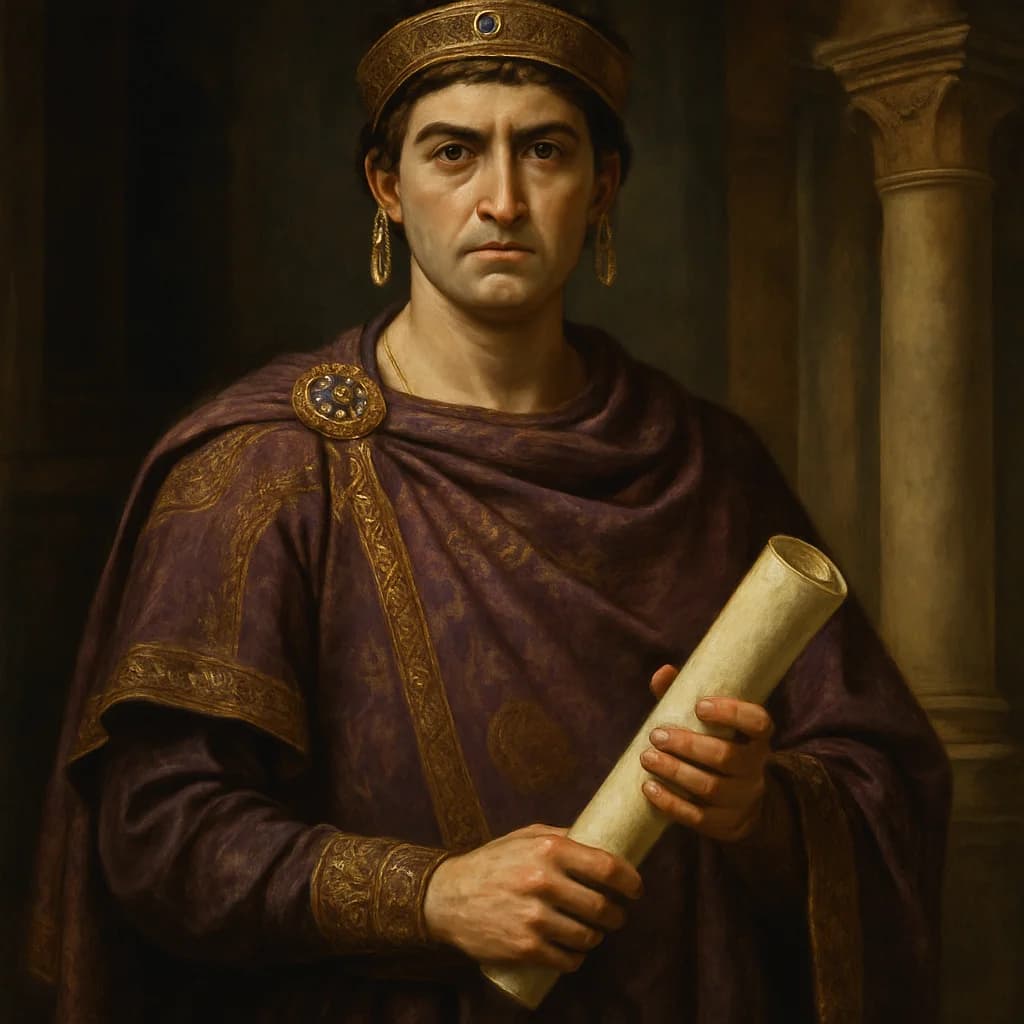
Justinian I
The emperor who conquered half the known world spent his nights personally rewriting the legal code by candlelight.
While his armies swept across North Africa and Italy, reclaiming the western Roman Empire piece by bloody piece, Justinian sat hunched over manuscripts in Constantinople's palace, obsessively editing legal texts until dawn. This wasn't delegation. This was a man who genuinely believed he could micromanage an empire spanning three continents. He read every petition, revised every law, and personally approved the design of churches down to the door handles.
The irony cuts deep. History remembers Justinian as the great conqueror, but his reconquest crumbled within decades of his death. His true masterpiece (the Corpus Juris Civilis) survived a thousand years and still forms the backbone of legal systems across Europe and Latin America. Yet Justinian nearly destroyed his own empire creating it, spending fortunes on scholars and scribes while his soldiers went unpaid and his people starved.
The man who claimed to rule by divine right was terrified of his own wife. Theodora, the former actress turned empress, dominated every major decision. When the Nika riots nearly toppled their reign in 532, Justinian prepared to flee. Theodora stopped him cold: "Purple makes a fine shroud." They stayed. Thirty thousand rioters died in the Hippodrome.
Justinian's obsession with legal perfection extended to the bizarre. He banned lawyers from charging fees, regulated the price of silk, and personally dictated the proper length of sermons. When plague devastated the empire in 541, killing perhaps forty percent of the population, Justinian issued detailed regulations for grave-digging. The emperor who dreamed of eternal glory spent his final years as a theological micromanager, splitting the church over whether Christ had one nature or two.
Justinian personally wrote over 150 legal novels (new laws) and was known to summon scribes at 3 AM to dictate revisions to obscure legal precedents about inheritance disputes in remote provinces.
Why untold: His legal genius gets overshadowed by military campaigns that ultimately failed, making him seem like a conqueror rather than history's most influential lawmaker.
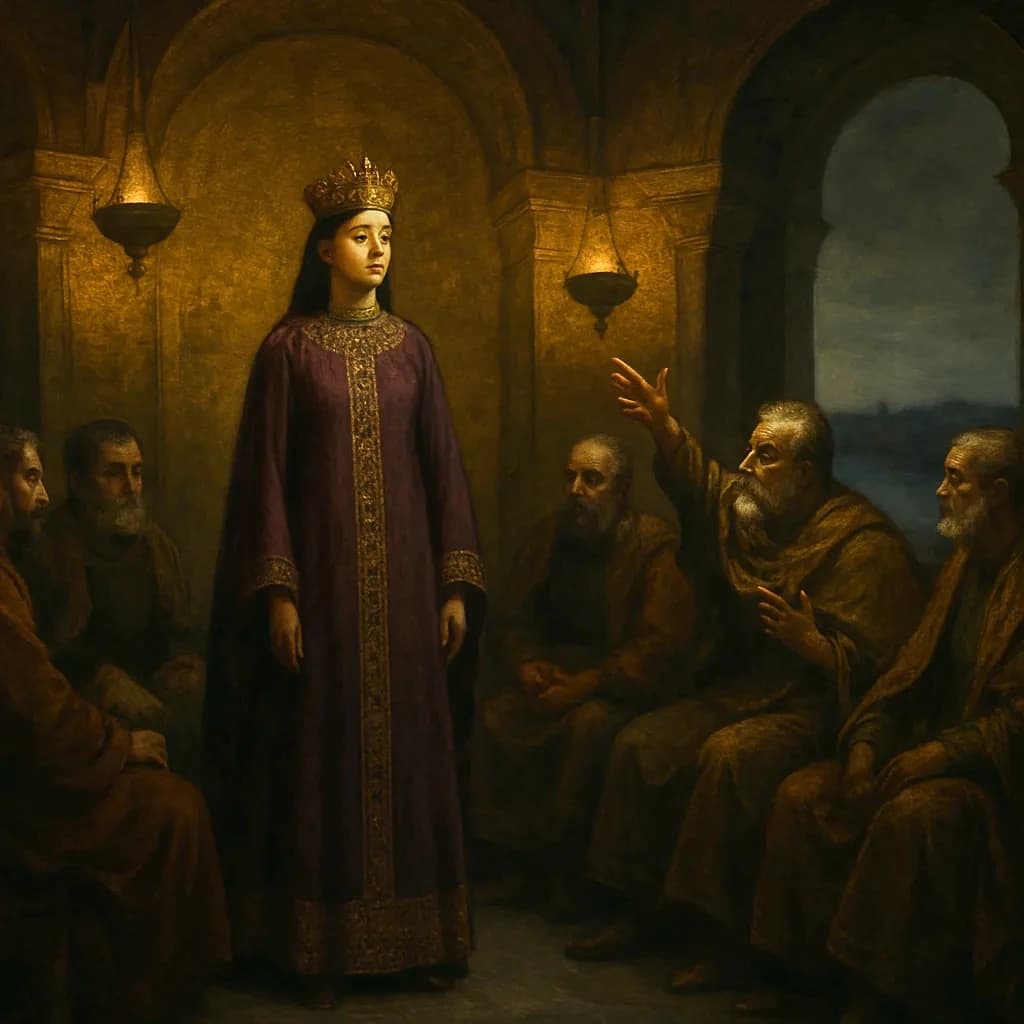
From Circus Outcast to Equal of the Emperor
For thirty years, Empress Theodora of the East ruled the Byzantine Empire from the shadows, but the shadow she cast was entirely her own.
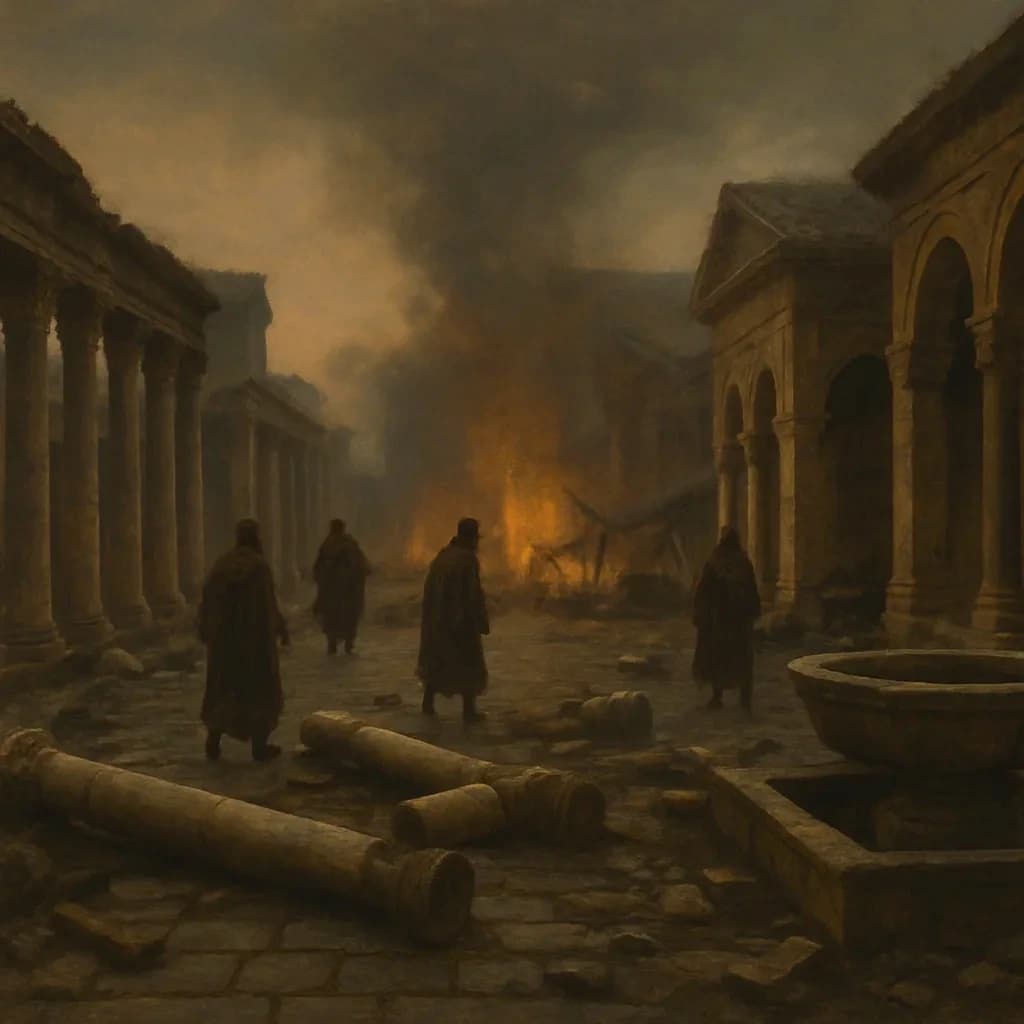
An Earthquake Under a Minute Long Rewrote Roman History
The earthquake lasted less than a minute. The death toll took decades to calculate, and the number that finally emerged rewrote what historians thought they knew about the late Roman world.
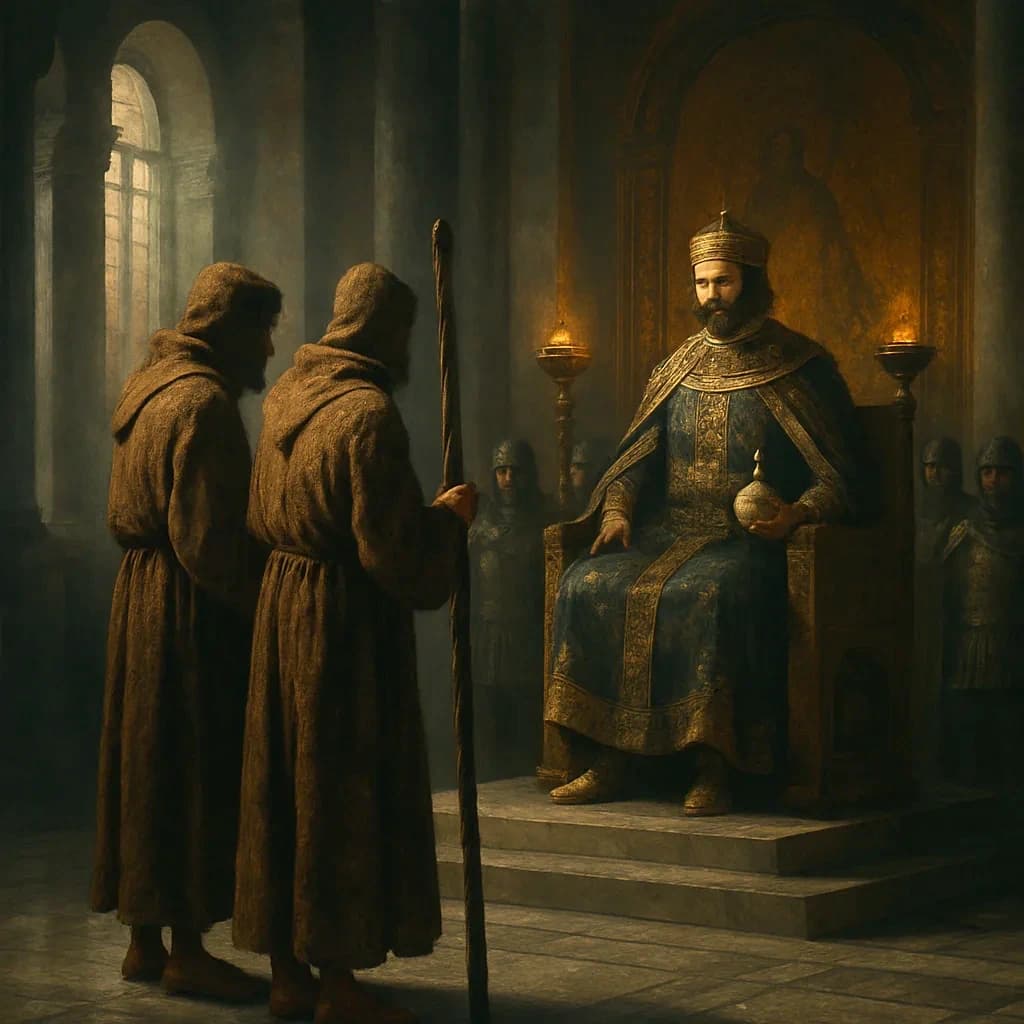
Four Pounds of Silk and the Fall of a Dynasty
A Chinese empress smuggled silkworm eggs out of the palace in her headdress, and the secret she carried doomed an empire she never meant to destroy.
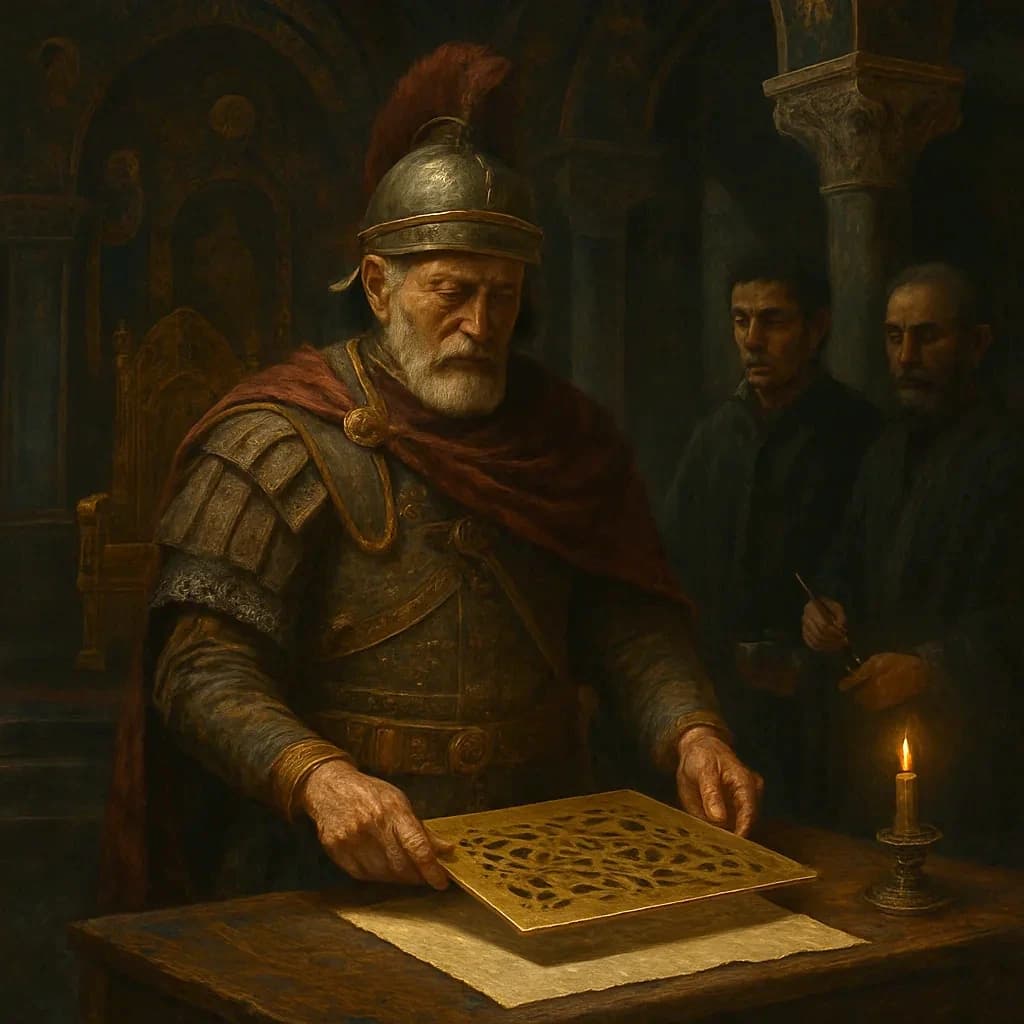
From Thracian Shepherd to Roman Emperor at Sixty-Eight
An illiterate shepherd from the mountains of Thrace became the most powerful man in the Roman Empire, and nobody saw it coming.
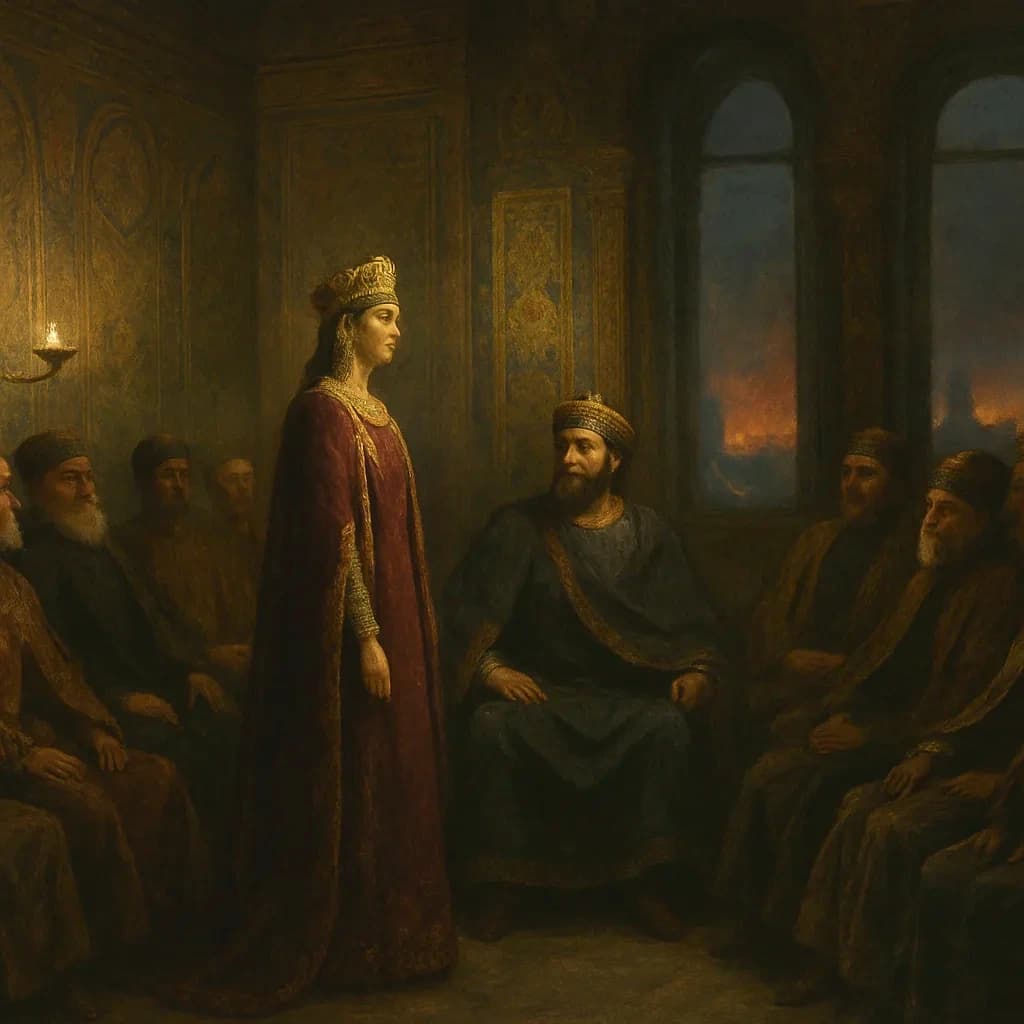
Theodora Bet Her Dynasty on One Night of Theater, and Won
Empress Theodora of Byzantium once bet her dynasty on a single night of theater, and won by refusing to leave the stage.
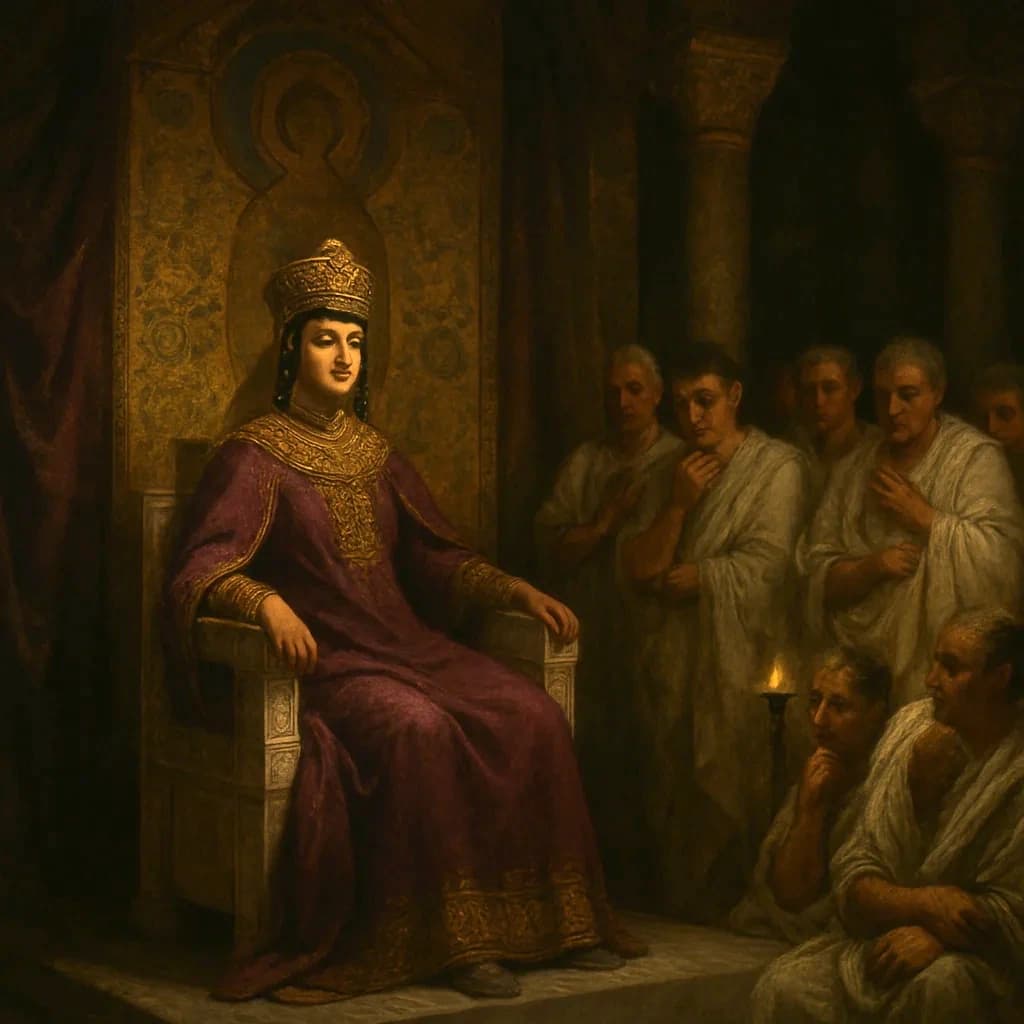
From the Circus Stage to the Throne of an Empire
She perfected the art of murdering her way to absolute power before she was out of her teens, and the empire loved her for it.
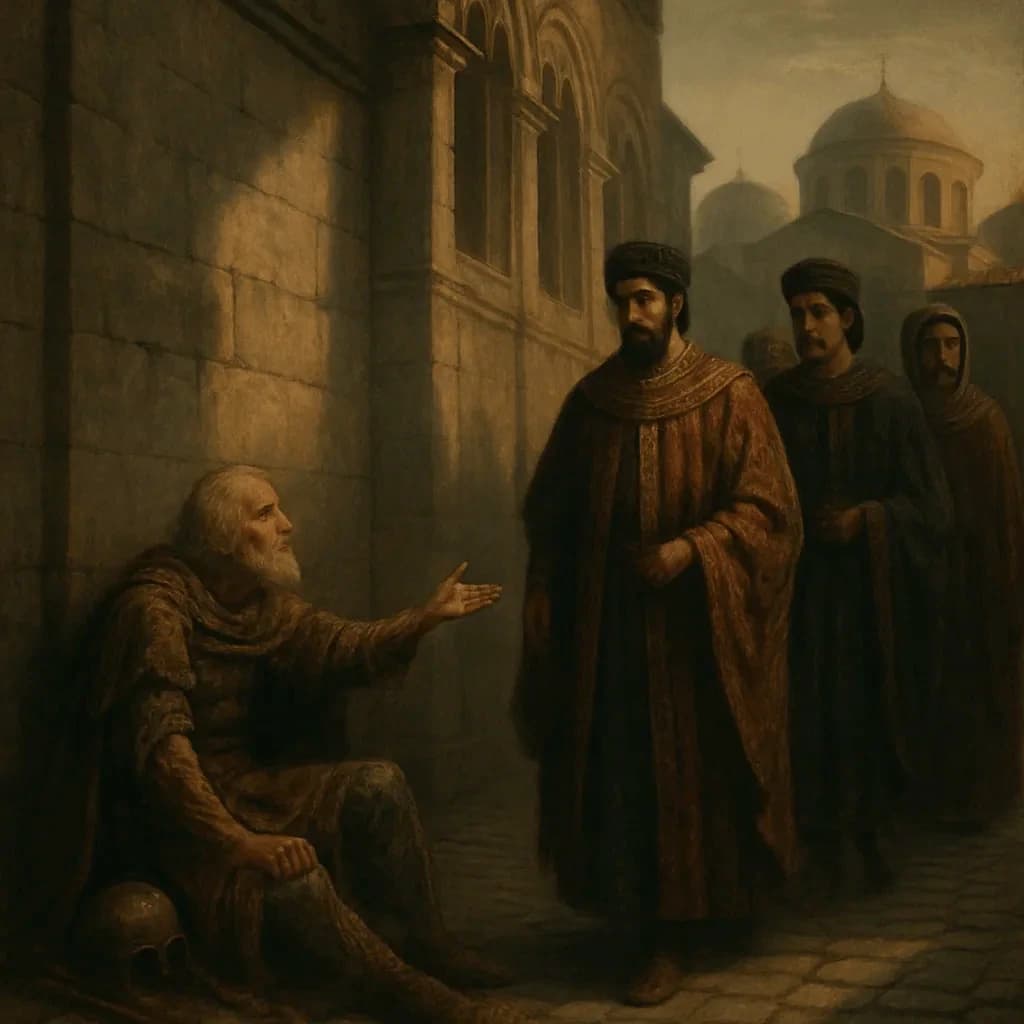
The General Who Forgot He Was Dead
Every Byzantine knew the tragic tale of their greatest general: blind, betrayed, begging for coins outside the palace gates. The only problem? He was home in bed, rich and comfortable.
- Procopius, The Secret History
- J.A.S. Evans, The Age of Justinian: The Circumstances of Imperial Power
- Tony Honoré, Tribonian