
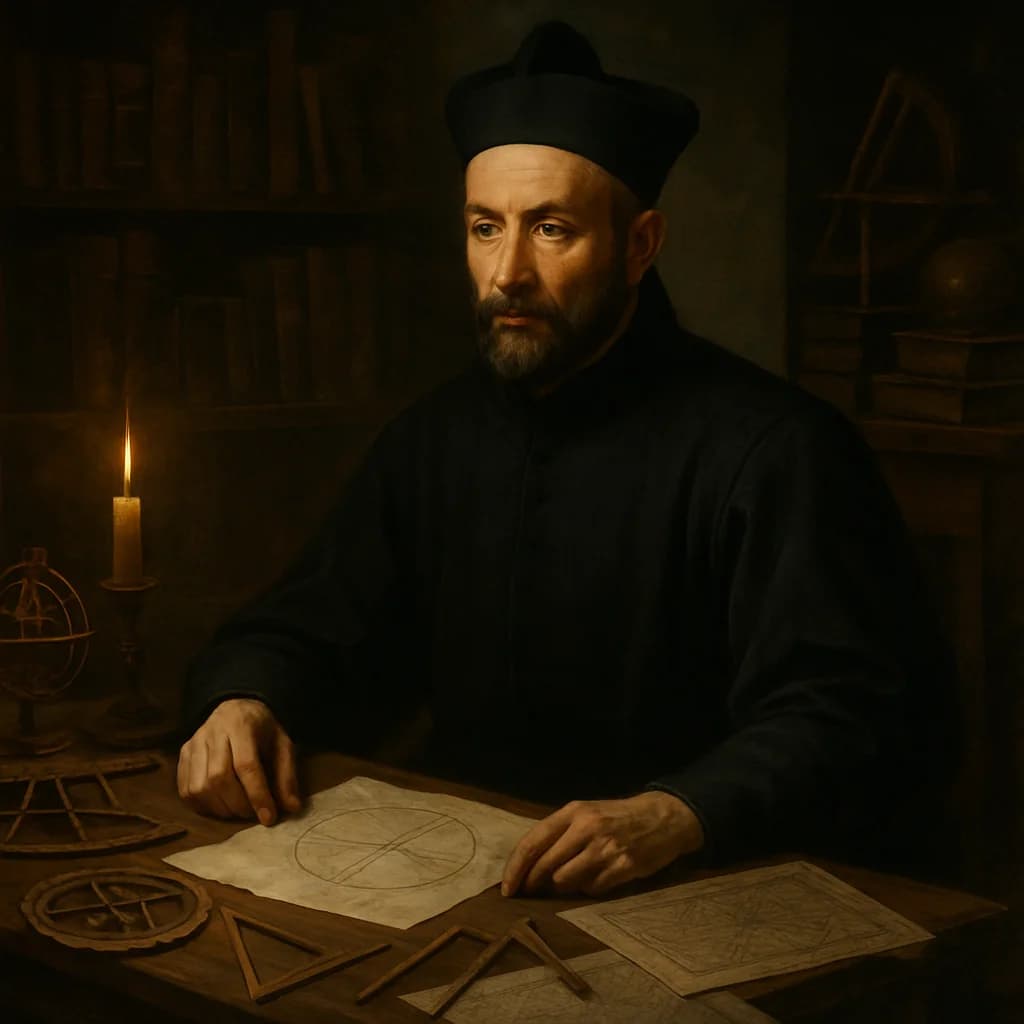
Christopher Clavius
The Jesuit who convinced a Pope to steal ten days from history never intended to break time itself.
Christopher Clavius spent his life trying to fix a problem that had been quietly growing for over a thousand years. The Julian calendar, inherited from Caesar, accumulated an extra day every 128 years. By 1582, Easter was drifting toward summer. Clavius, the most respected mathematician in Catholic Europe, had been tasked by Pope Gregory XIII with an impossible job: redesign time itself.
What most histories miss is that Clavius wasn't just correcting the calendar. He was waging intellectual war. Protestant regions rejected his Gregorian calendar purely because it came from Rome, creating a surreal situation where neighboring towns existed in different centuries. England wouldn't adopt it for 170 years. Russia held out until 1918. Clavius watched his mathematical masterpiece fracture Christianity even further, the very opposite of his intention.
But Clavius had already revolutionized how Europeans thought about mathematics through his textbooks, particularly his commentary on Euclid that remained standard for two centuries. When a young Galileo needed to understand the mathematical foundations of astronomy, he turned to Clavius's works. The irony cuts deep: the man who helped birth modern mathematical thinking also created the calendar system that made Galileo's eventual persecution by the Church feel like a betrayal between old colleagues.
Clavius died in 1612, just as telescopes were revealing that his Earth-centered universe was catastrophically wrong. He had reorganized time to serve a cosmos that was already crumbling, leaving behind a calendar system so mathematically elegant that even Protestant England eventually surrendered to its precision.
Clavius personally tutored Matteo Ricci, the Jesuit missionary who introduced European mathematics to China, making him indirectly responsible for bringing Western mathematical concepts to the Ming Dynasty.
Why untold: His mathematical contributions are overshadowed by the political controversy of the Gregorian calendar, while his role in training the missionaries who spread European learning to Asia is largely forgotten.
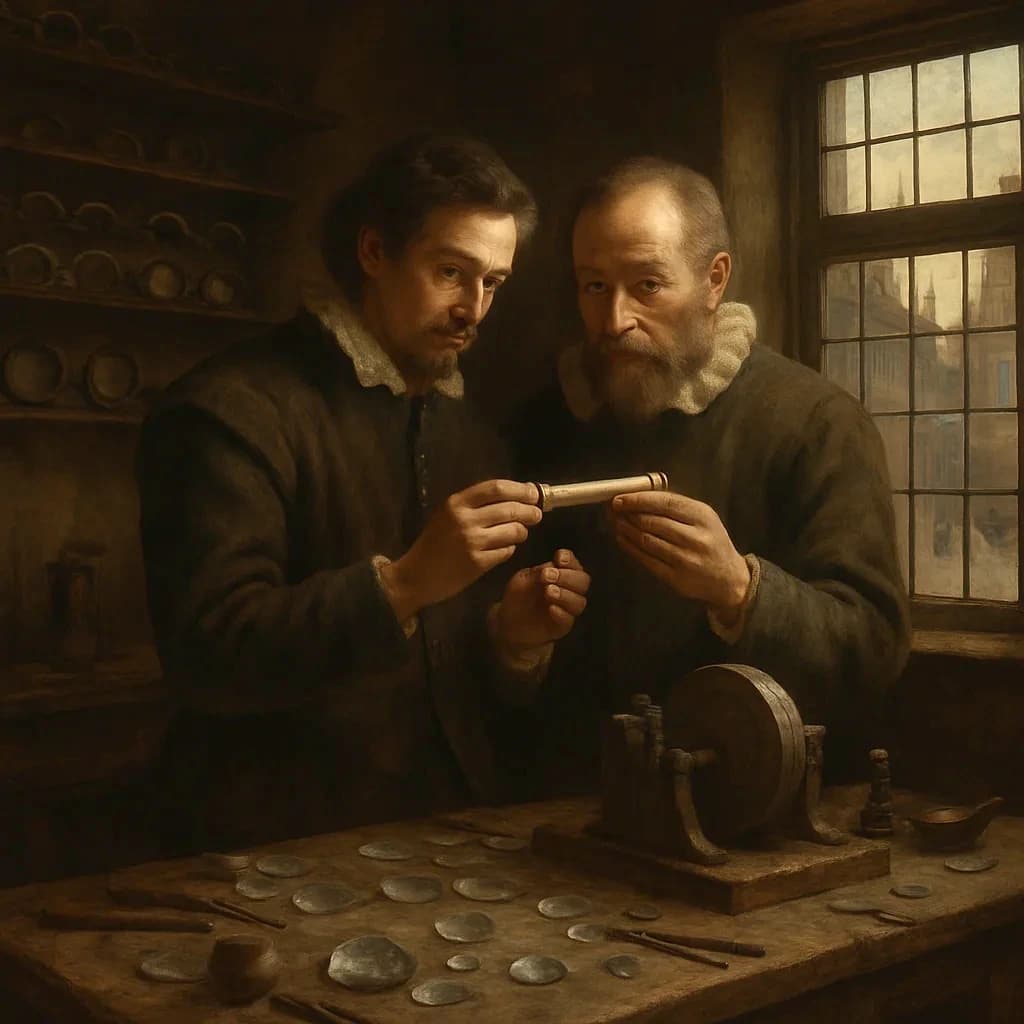
Too Late: The Telescope Nobody Could Patent
A Dutch spectacle-maker's apprentice wandered into a library in 1609 and, without meaning to, handed Europe the next century of war.
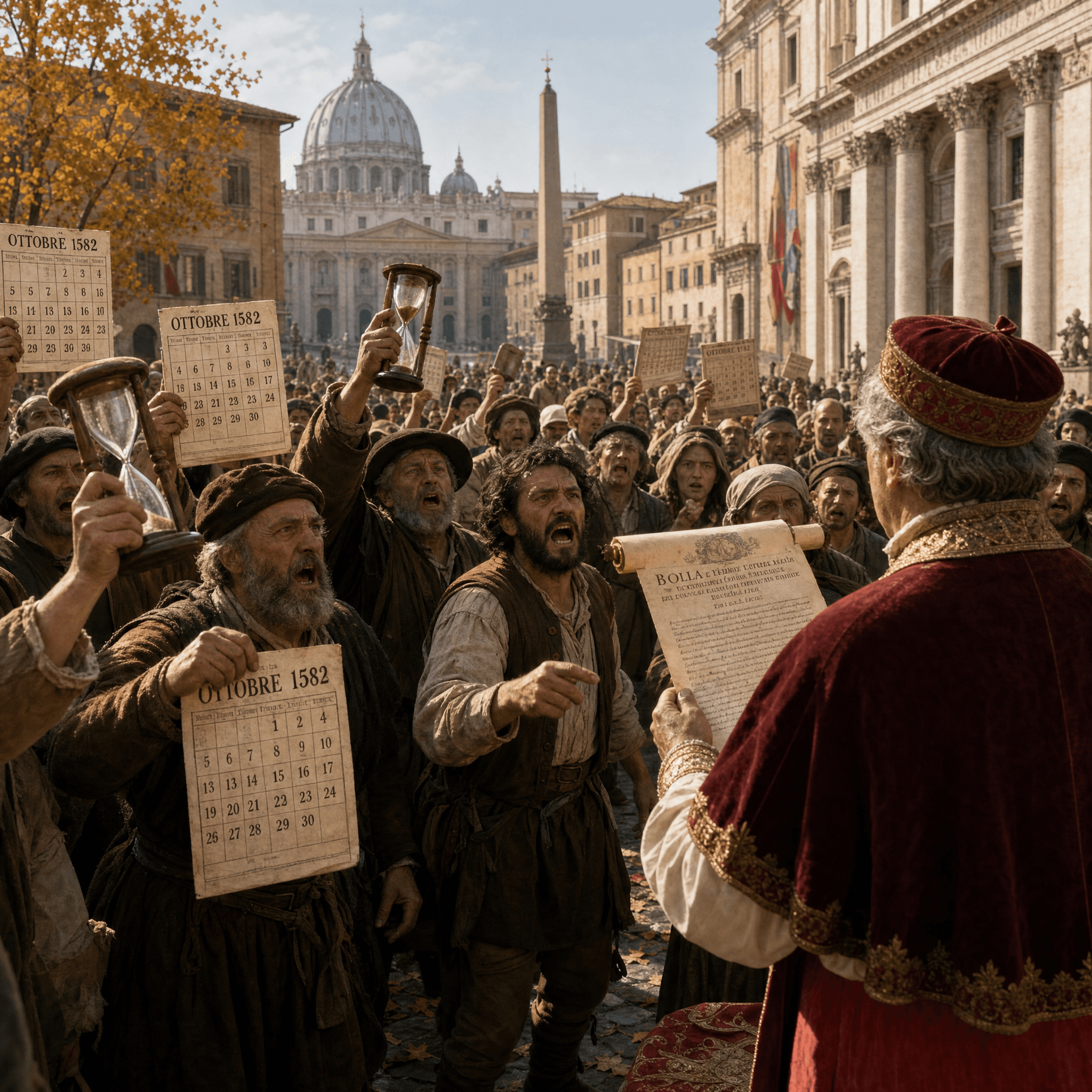
A Papal Decree Erased Ten Days, and Europe Rioted
A papal decree in 1582 erased ten days from existence, and riots broke out across Europe as people demanded their lost time back.
The Pope Deleted Ten Days and Europe Barely Noticed
In 1582, ten days simply vanished from the calendar. And most of Europe didn't notice until it was too late.
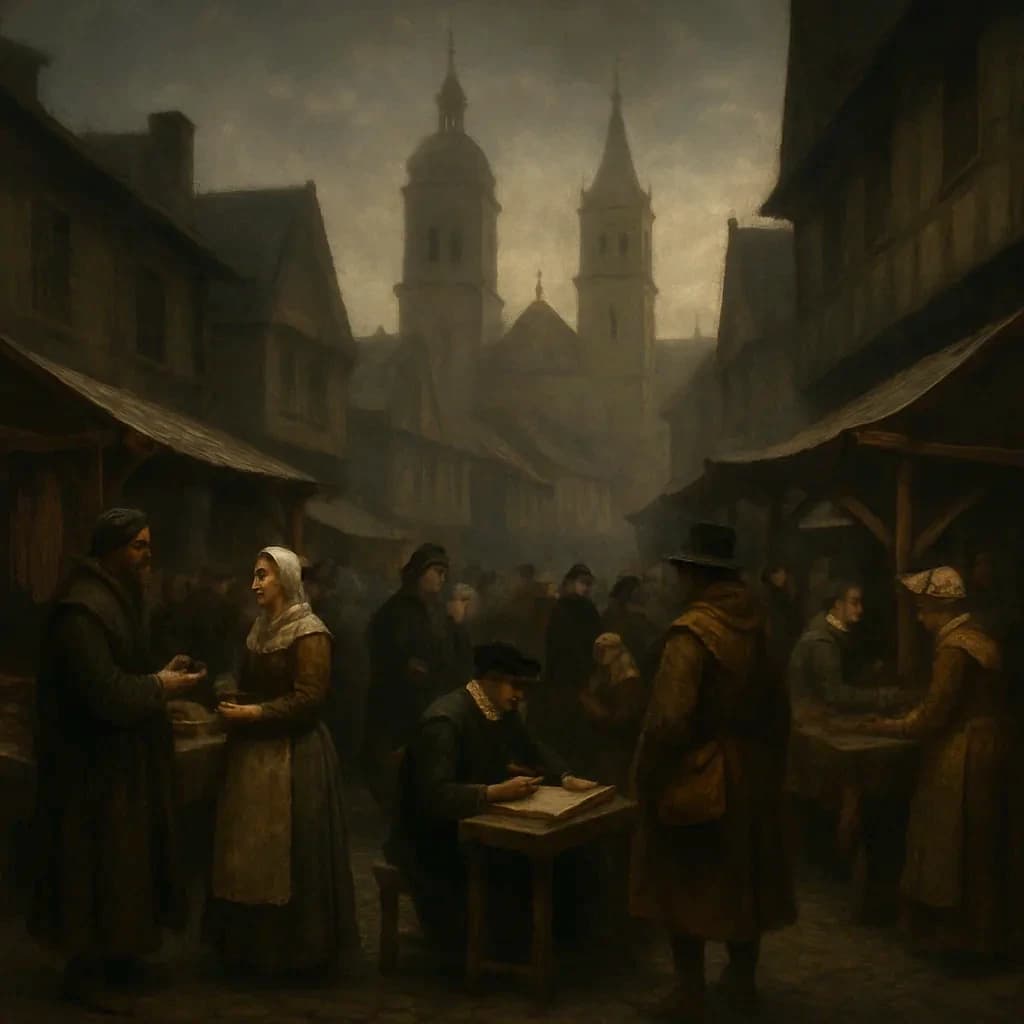
Pope Gregory Deleted Ten Days From the Calendar
Time itself ceased to exist across most of Europe for exactly 13 minutes on October 4, 1582.
- James M. Lattis, Between Copernicus and Galileo: Christoph Clavius and the Collapse of Ptolemaic Cosmology (1994)
- Ugo Baldini, 'The Roman Inquisition's Condemnation of Astrology: Antecedents, Reasons and Consequences' in Church, Censorship and Culture in Early Modern Italy (2001)