
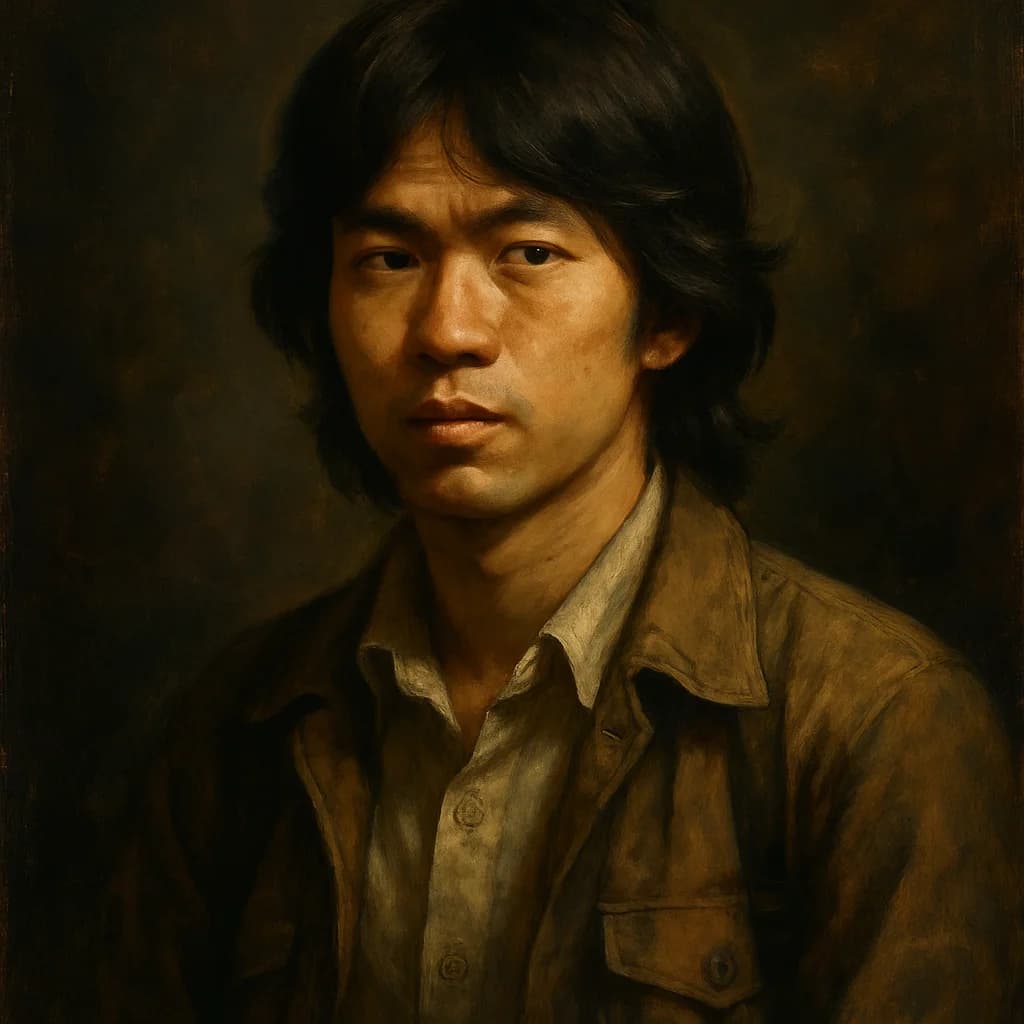
Norio Suzuki
A Japanese college student with no military training talked his way onto a remote Philippine island in 1974 and convinced a die-hard Imperial Army lieutenant to end a war that had been over for twenty-nine years.
Norio Suzuki was supposed to be looking for a job after college graduation, but instead he decided to hunt for pandas, the Abominable Snowman, and Lieutenant Hiroo Onoda, in that order. The 24-year-old dropout had read about the last Japanese holdout still hiding in the Philippine jungles, refusing to believe World War II had ended, and thought it sounded like an adventure. His parents were horrified.
In February 1974, Suzuki arrived on Lubang Island with a backpack, a camera, and absolutely no plan. Local authorities tried to warn him off. Dozens of search parties had failed to find Onoda, and the lieutenant had killed thirty Filipino civilians over the years, convinced they were enemy combatants. Suzuki ignored them and walked into the jungle alone, calling out that he was Japanese and wanted to talk. Most remarkably, it worked. After four days, Onoda emerged from hiding, drawn by Suzuki's obviously civilian Tokyo accent.
The two men spent hours talking by campfire. Onoda explained he would only surrender to his commanding officer: impossible, since Major Taniguchi was presumably dead. Suzuki flew back to Japan, tracked down Taniguchi (who was very much alive and working at a bookstore), and convinced him to return to Lubang. On March 9, 1974, Major Taniguchi formally relieved Lieutenant Onoda of duty, ending the longest individual participation in World War II.
Suzuki became an instant celebrity in Japan, but the fame sat uneasily on him. He'd accomplished something that governments couldn't, not through military might or diplomatic negotiation, but through the simple audacity of a young man who didn't know something was impossible. Two years later, while climbing in the Himalayas (still searching for that Abominable Snowman), an avalanche killed him. He was 27.
Suzuki's original plan was to find a panda, the Yeti, and Hiroo Onoda in that exact order, treating his search for a decades-lost soldier like items on a tourist checklist.
Why untold: His story gets overshadowed by Onoda's dramatic thirty-year holdout, reducing Suzuki to a footnote in someone else's war story.
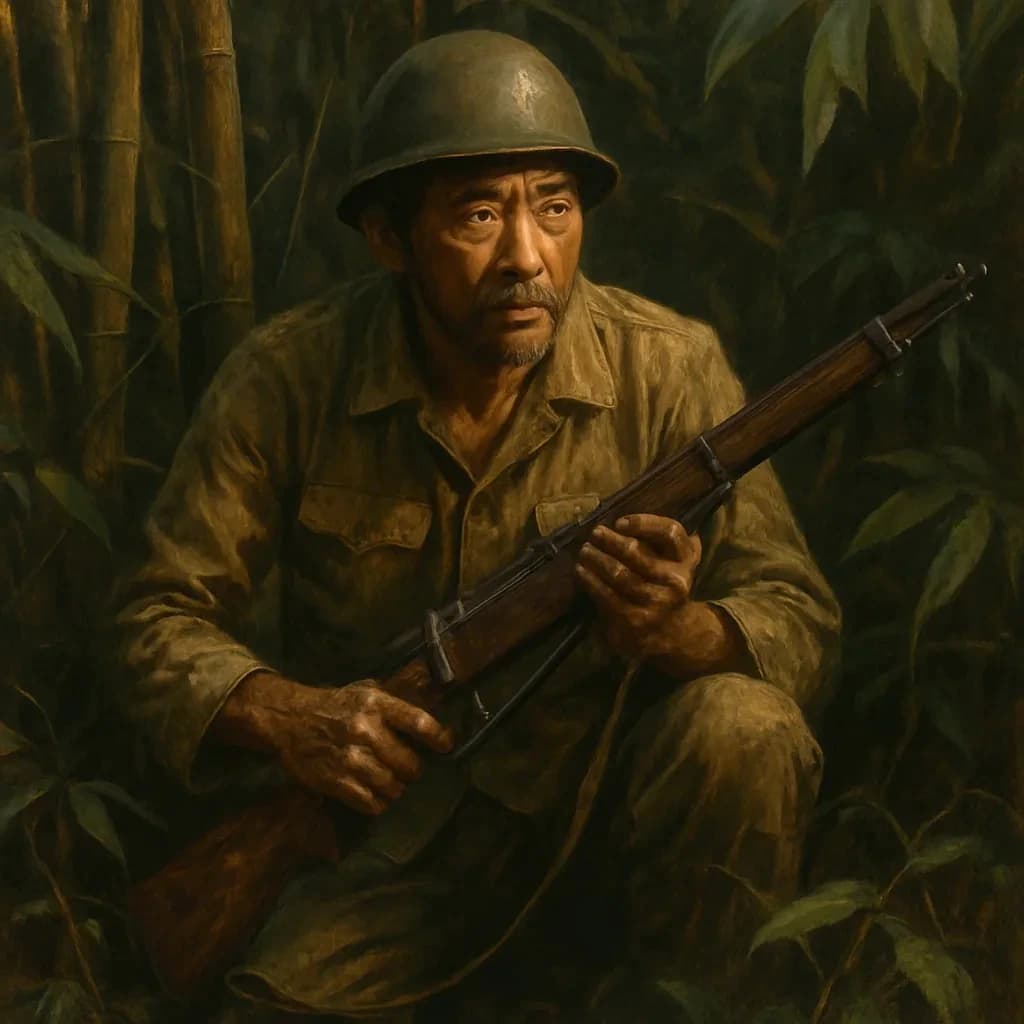
He Fought World War II Until 1974
Four Japanese soldiers kept fighting World War II in the mountains of the Philippines until 1974.
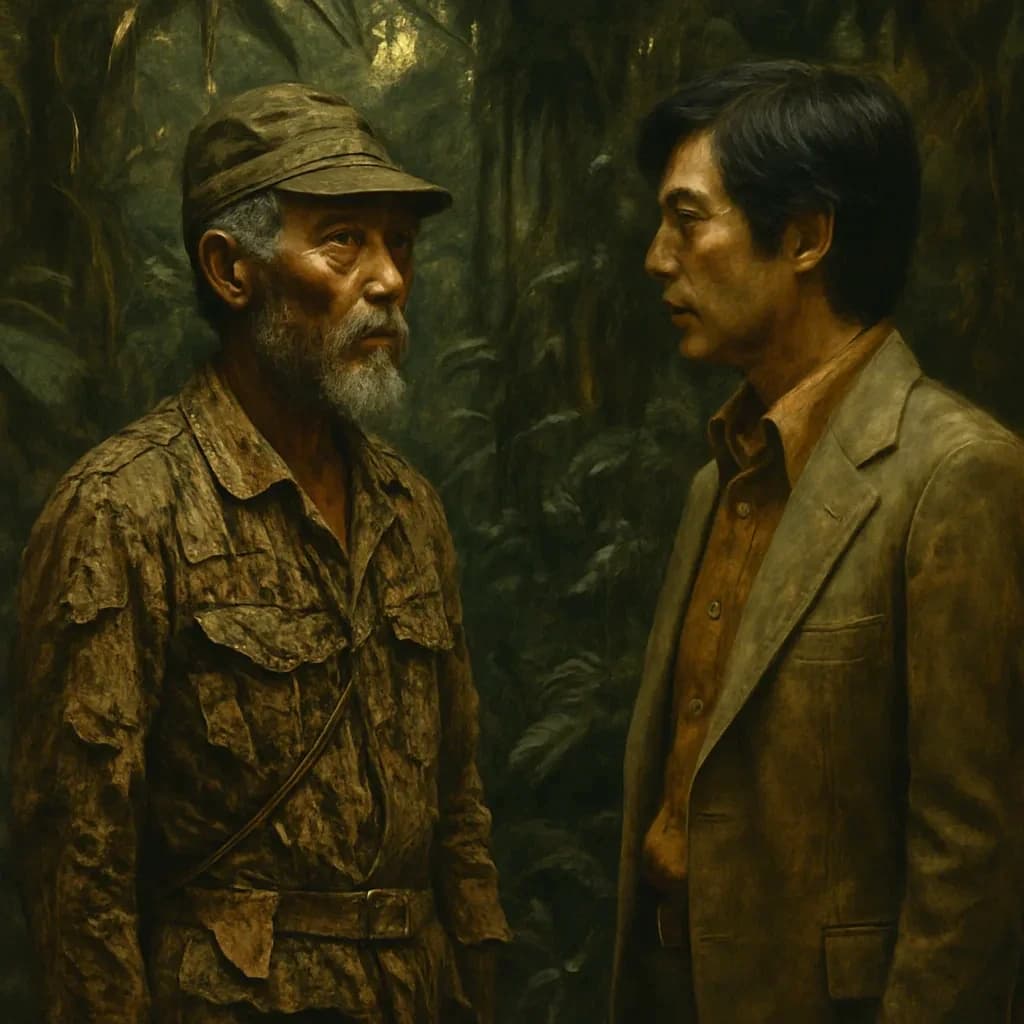
The Soldiers Who Kept Fighting for Thirty Years
When the war ended in 1945, nobody told the Japanese garrison on a tiny Pacific island, so they didn't surrender until 1974.
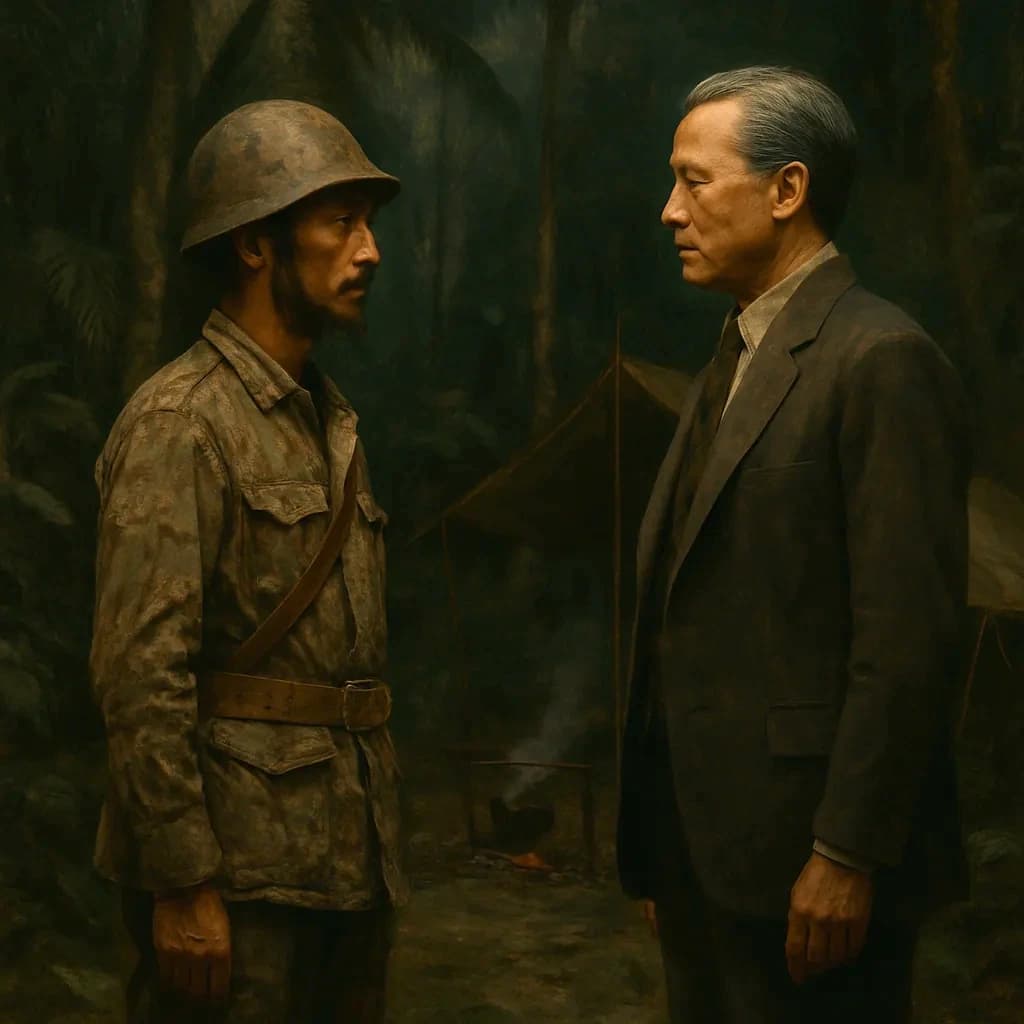
The Soldiers Who Kept Shooting for Thirty Years
When World War II ended in 1945, nobody told them, and they kept fighting until 1974.
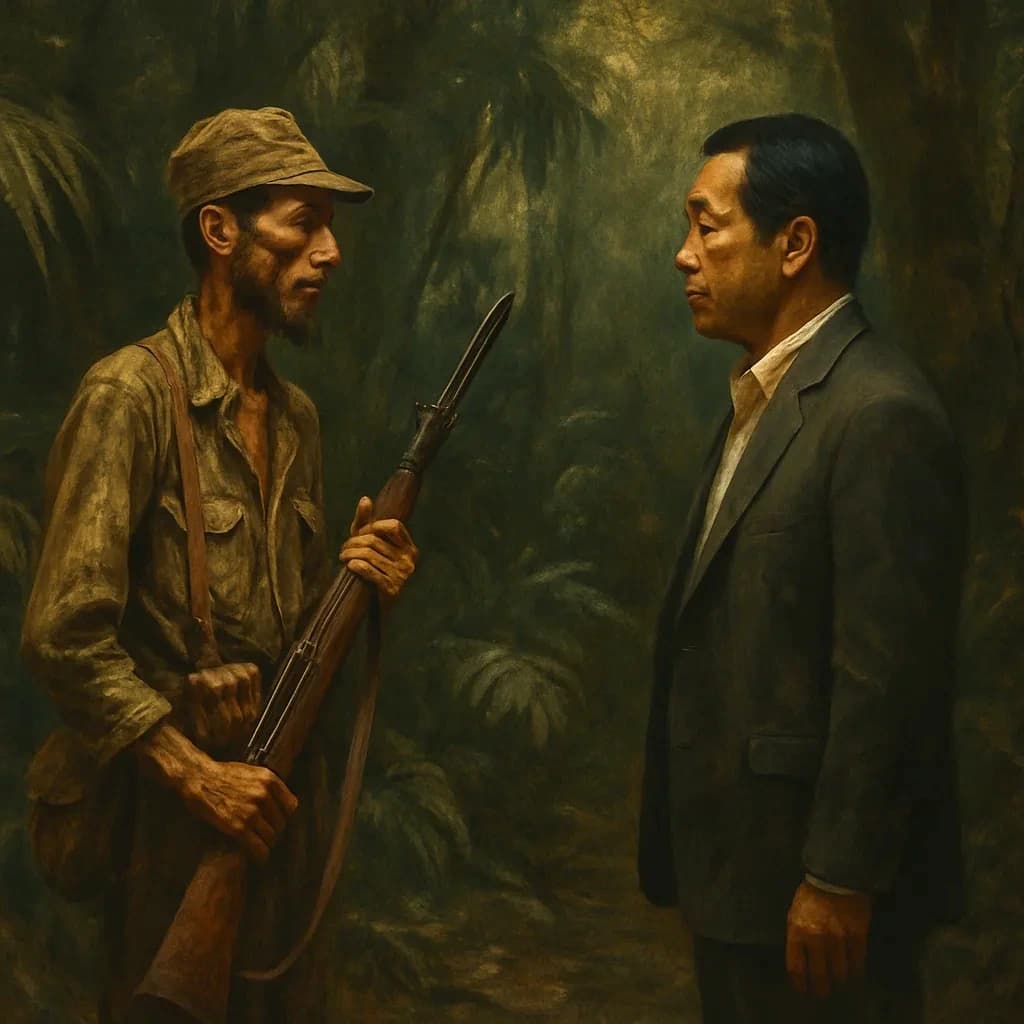
The Sergeant Who Kept Fighting for Twenty-Nine Years
When Japan surrendered in 1945, nobody told Hiroo Onoda, and he refused to believe anyone who tried.
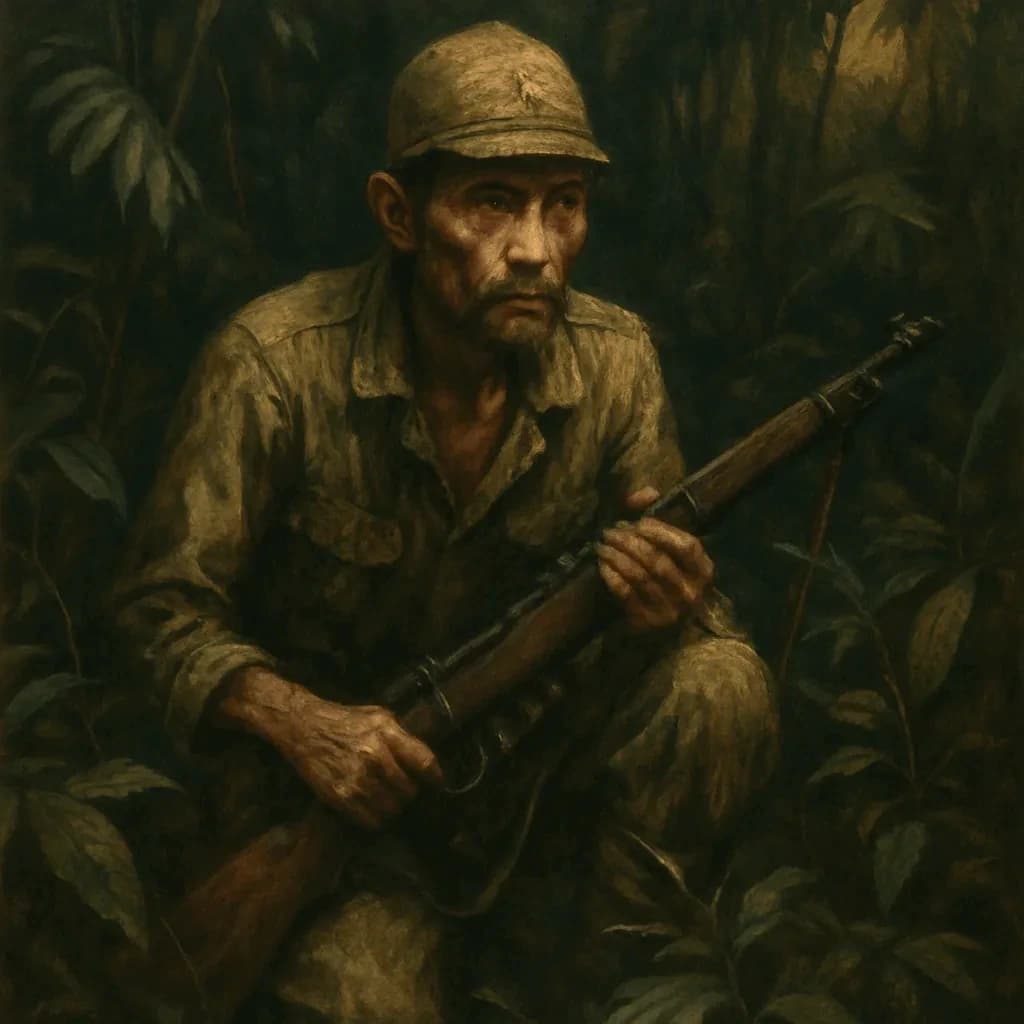
Nobody Told the Samurai
Japan's last samurai spent fifteen years fighting a war that had already ended.
- Onoda, Hiroo. No Surrender: My Thirty-Year War. Tokyo: Kodansha International, 1974.
- Seagrave, Sterling. The Yamato Dynasty: The Secret History of Japan's Imperial Family. New York: Broadway Books, 1999.
- Various Japanese newspaper archives from Asahi Shimbun and Mainichi Shimbun, 1974-1986.