
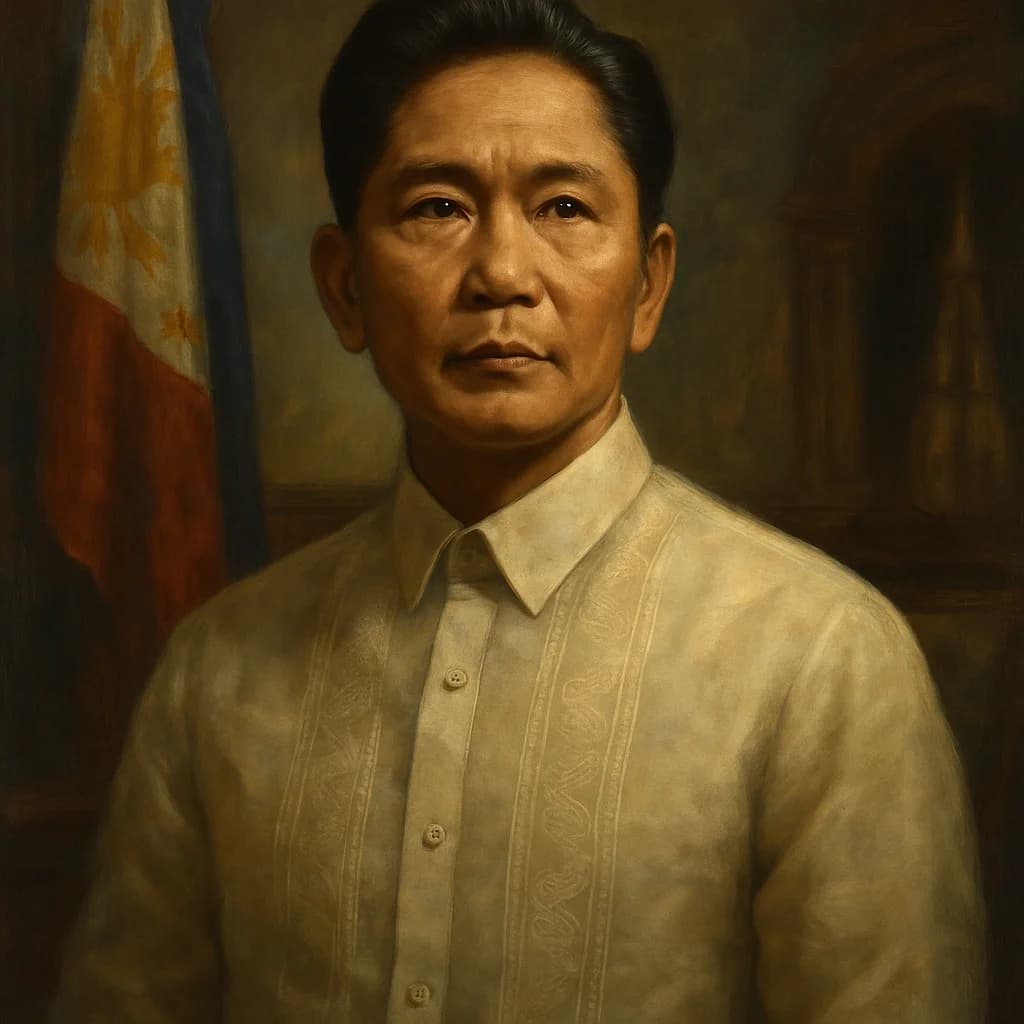
Ferdinand Marcos
The man who convinced an entire nation he was a war hero spent most of World War II hiding in the mountains, filing fake battle reports.
Ferdinand Marcos understood that in politics, fiction often trumps fact, and he proved it for two decades. While real Filipino guerrillas died fighting the Japanese occupation, Marcos was crafting an elaborate mythology about his own heroism, complete with forged documents claiming he led the largest resistance unit in Northern Luzon. The paperwork was impressive: detailed after-action reports, witness testimonies, medal recommendations. All of it fabricated.
The deception worked so well that it launched his political career. Marcos parlayed his invented war record into a congressional seat in 1949, then the Senate, then the presidency in 1965. He understood that Filipinos desperately wanted heroes after the devastation of World War II, so he gave them one: himself. The real veterans who might have contradicted him were mostly dead, scattered, or too poor to challenge a rising politician with American backing.
But Marcos's greatest trick wasn't fooling voters. It was fooling himself. By the 1970s, he seemed to genuinely believe his own propaganda. When he declared martial law in 1972, he cast himself as the strong leader the Philippines needed, the war hero who would save the nation from chaos. The manufactured mythology had become his governing philosophy.
The irony is devastating: while Marcos was creating fictional heroics, real Filipino guerrillas like those who inspired the Japanese holdout stories were performing actual acts of courage. They fought without recognition, died without glory, and watched their sacrifices get overshadowed by the lies of a man who spent the war in hiding. Marcos didn't just steal money. He stole their place in history.
Marcos claimed to have received 33 medals during World War II, but U.S. Army records show he received only three minor decorations, none for combat.
Why untold: Post-war American support legitimized his fabricated credentials while real veterans lacked the political power to expose the deception.
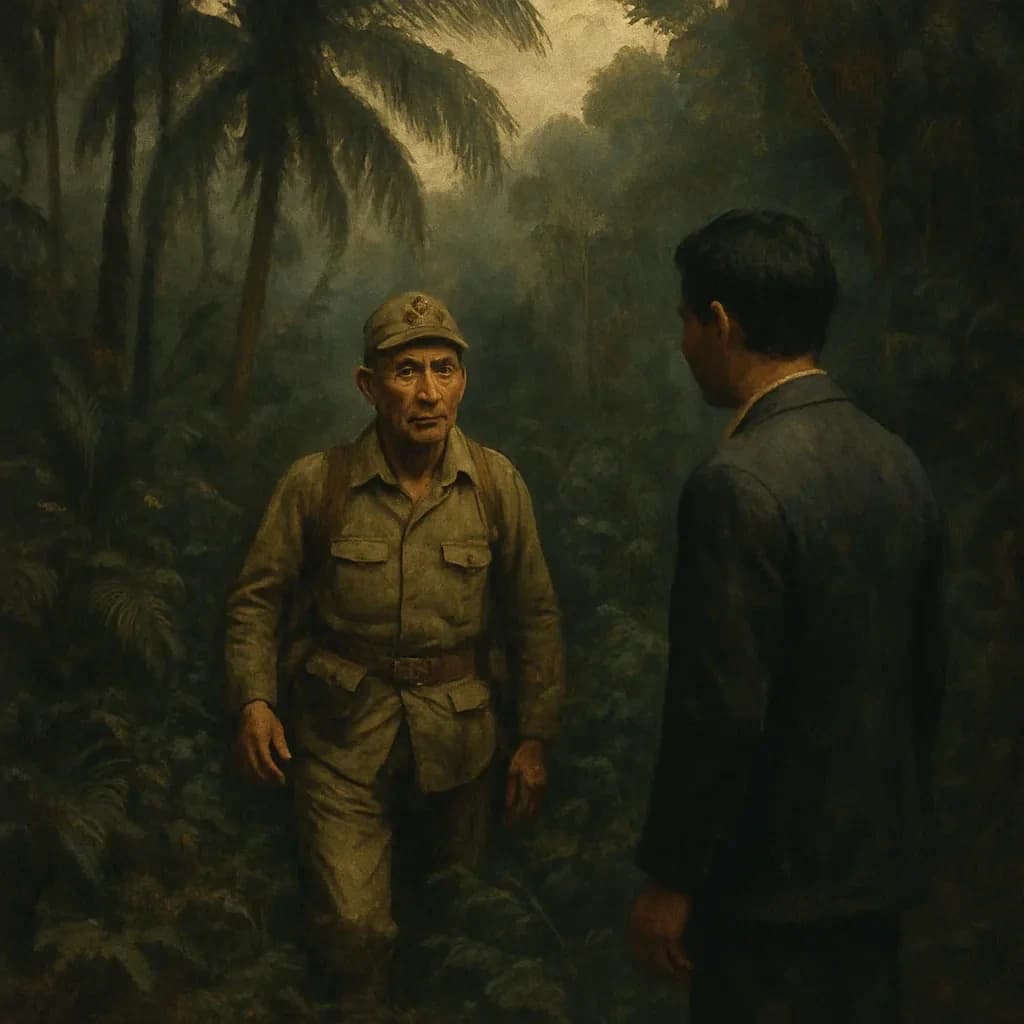
A Japanese Garrison Kept Fighting World War II for 29 Years
A Japanese garrison spent 29 years fighting World War II on a remote island, refusing to believe the war had ended.
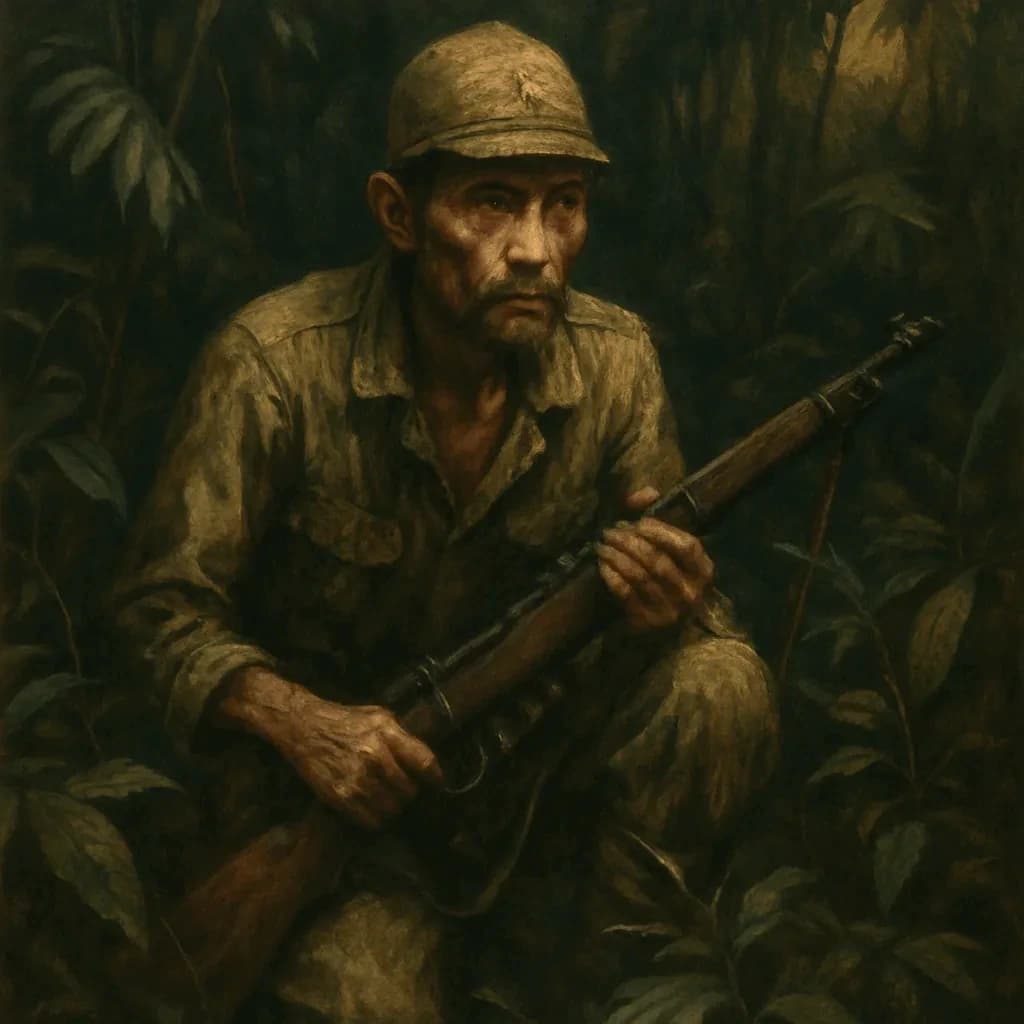
Nobody Told the Samurai
Japan's last samurai spent fifteen years fighting a war that had already ended.
- Sterling Seagrave, 'The Marcos Dynasty' (1988)
- Alfred W. McCoy, 'Policing America's Empire' (2009)
- U.S. National Archives, Philippine Archive Collection, Record Group 407