
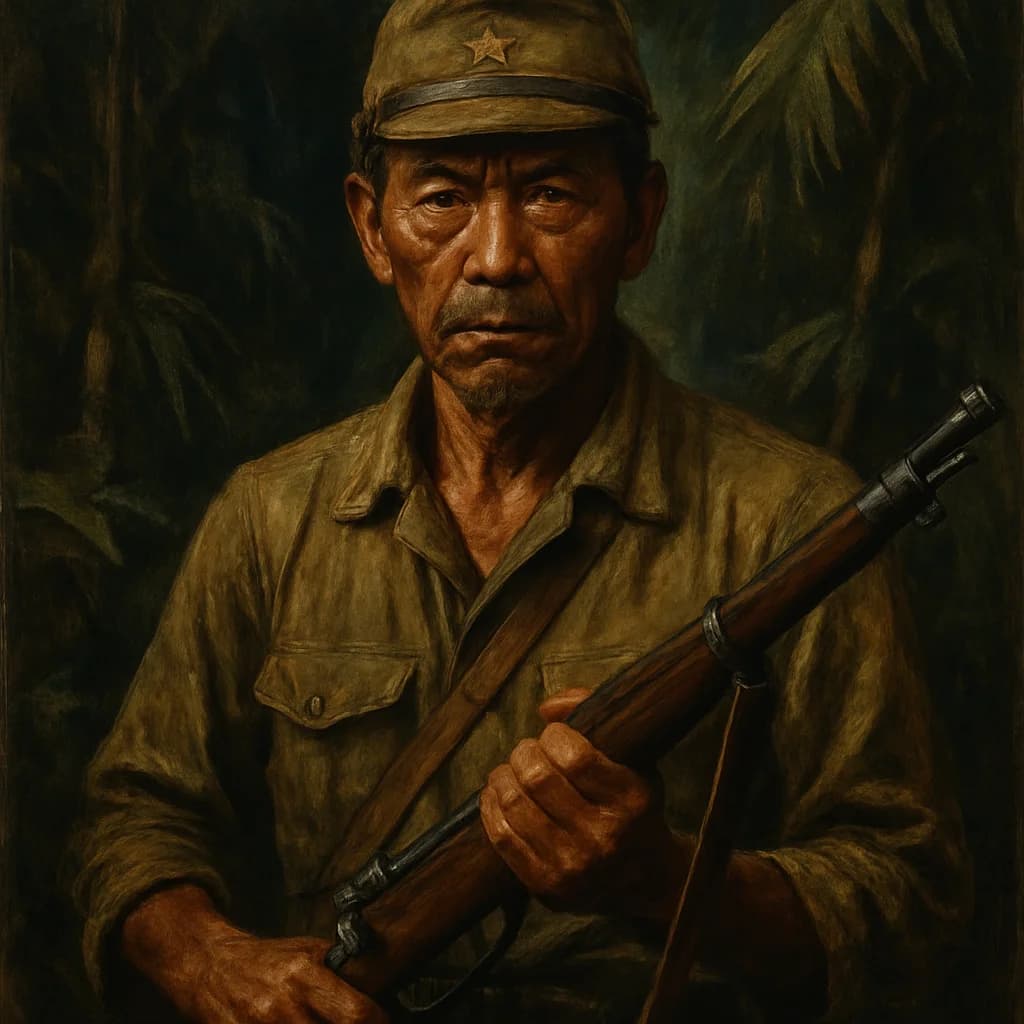
Hiroo Onoda
The Japanese soldier who fought World War II for 29 years after it ended wasn't crazy. He was following orders perfectly.
Lieutenant Hiroo Onoda received his intelligence training in 1944 with one unbreakable rule: never surrender, no matter what you hear. When his commanding officer sent him to Lubang Island in the Philippines with orders to conduct guerrilla warfare until the Imperial Army returned, Onoda took those words as sacred law. What his superiors didn't anticipate was how literally he would interpret "until we return."
When the war ended in August 1945, Onoda and his small unit dismissed the surrender announcements as Allied propaganda. Leaflets dropped from planes? Fake. Radio broadcasts? Enemy lies. Local Filipinos shouting about Japan's defeat? Psychological warfare. For nearly three decades, Onoda survived in the jungle, stealing rice, shooting at perceived enemies, and maintaining military discipline. His commitment was so absolute that when his own family members came to the island with megaphones in the 1950s, calling his name and begging him to come home, he assumed they were actors hired by the Americans.
The breakthrough came in 1974 when a young Japanese adventurer named Norio Suzuki tracked Onoda down, not as a military operation but as a camping trip gone right. Even then, Onoda refused to surrender until his original commanding officer, Major Yoshimi Taniguchi, was flown to the Philippines to formally relieve him of duty. On March 9, 1974, Onoda finally handed over his sword, his rifle still in working condition, and 500 rounds of ammunition.
Returning to a Japan he no longer recognized (neon lights, prosperity, pacifism), Onoda became a reluctant celebrity before emigrating to Brazil to raise cattle. He had spent 29 years perfectly executing orders that no one expected him to follow for 29 minutes.
Onoda's rifle was still perfectly maintained and functional when he surrendered it in 1974, and he had kept a detailed diary of his activities for all 29 years in the jungle.
Why untold: His story is overshadowed by the simpler narrative of "Japanese soldiers who didn't know the war ended" rather than the complex reality of absolute military obedience.
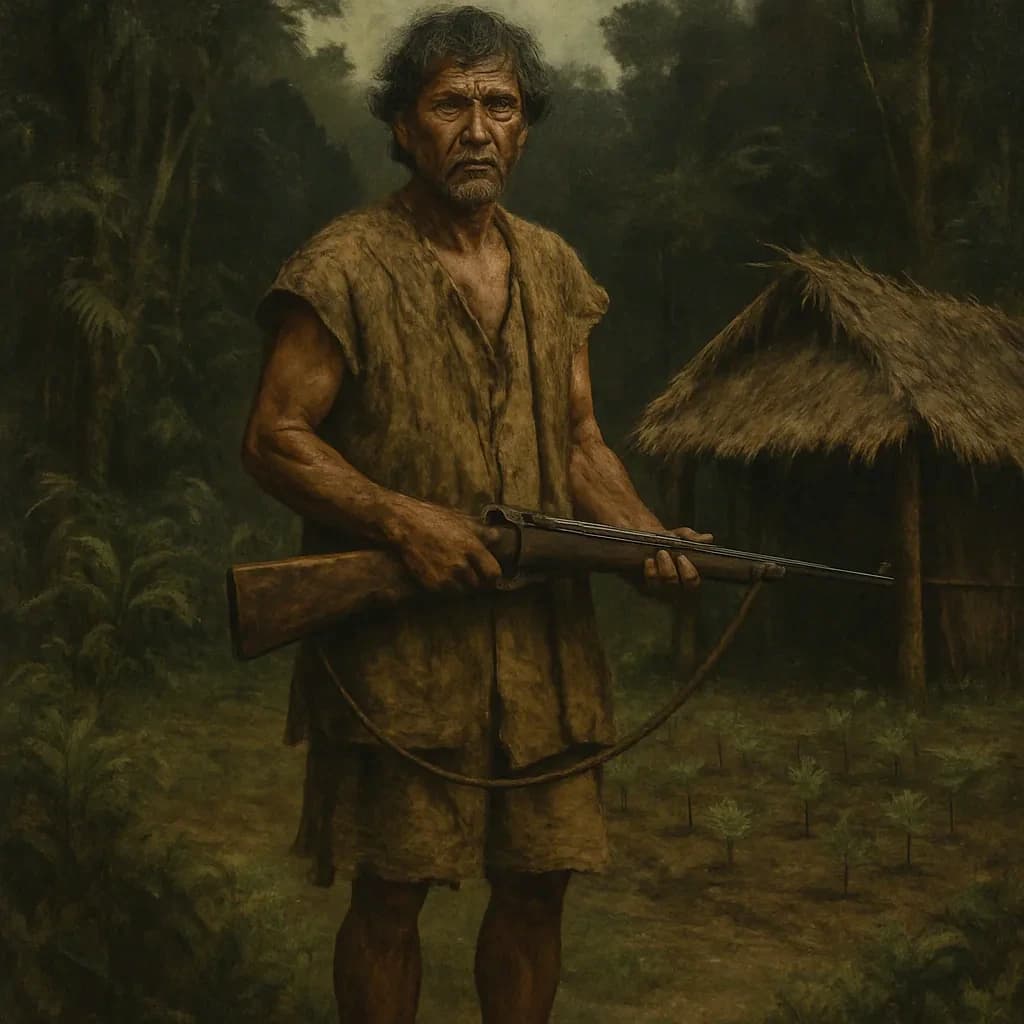
A Japanese Soldier Held His Post Three Years After the War Ended
For nearly three years after World War II ended, a Japanese soldier kept his post in the Philippine jungle, not because he was stubborn, but because no one told him to stop.
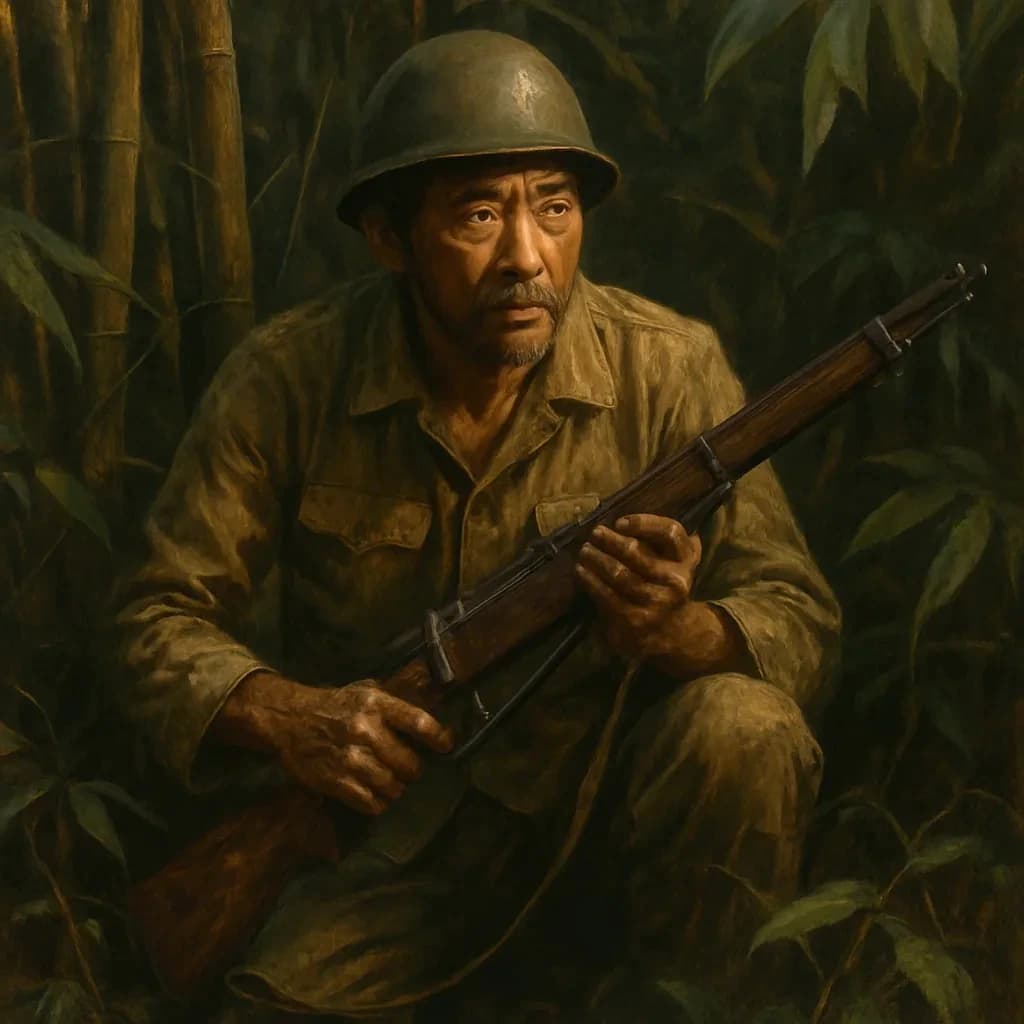
He Fought World War II Until 1974
Four Japanese soldiers kept fighting World War II in the mountains of the Philippines until 1974.
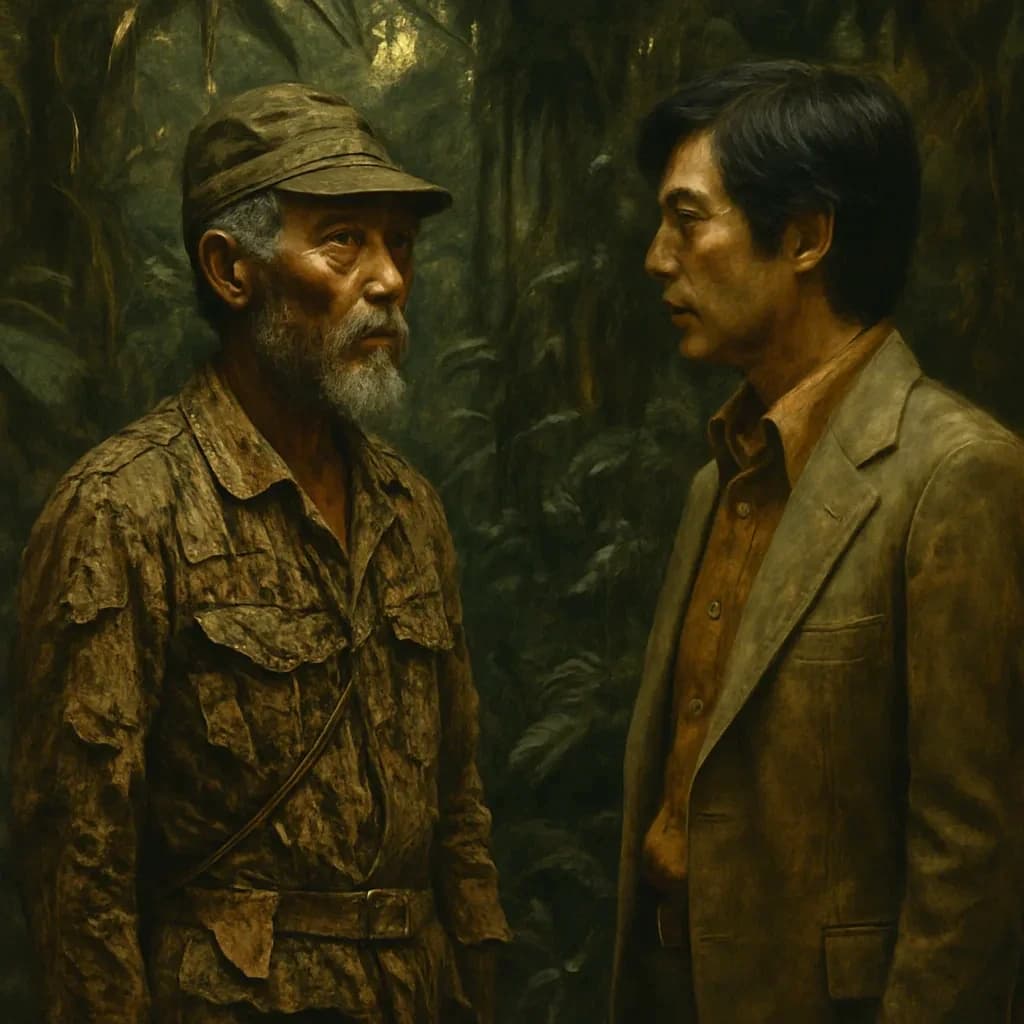
The Soldiers Who Kept Fighting for Thirty Years
When the war ended in 1945, nobody told the Japanese garrison on a tiny Pacific island, so they didn't surrender until 1974.
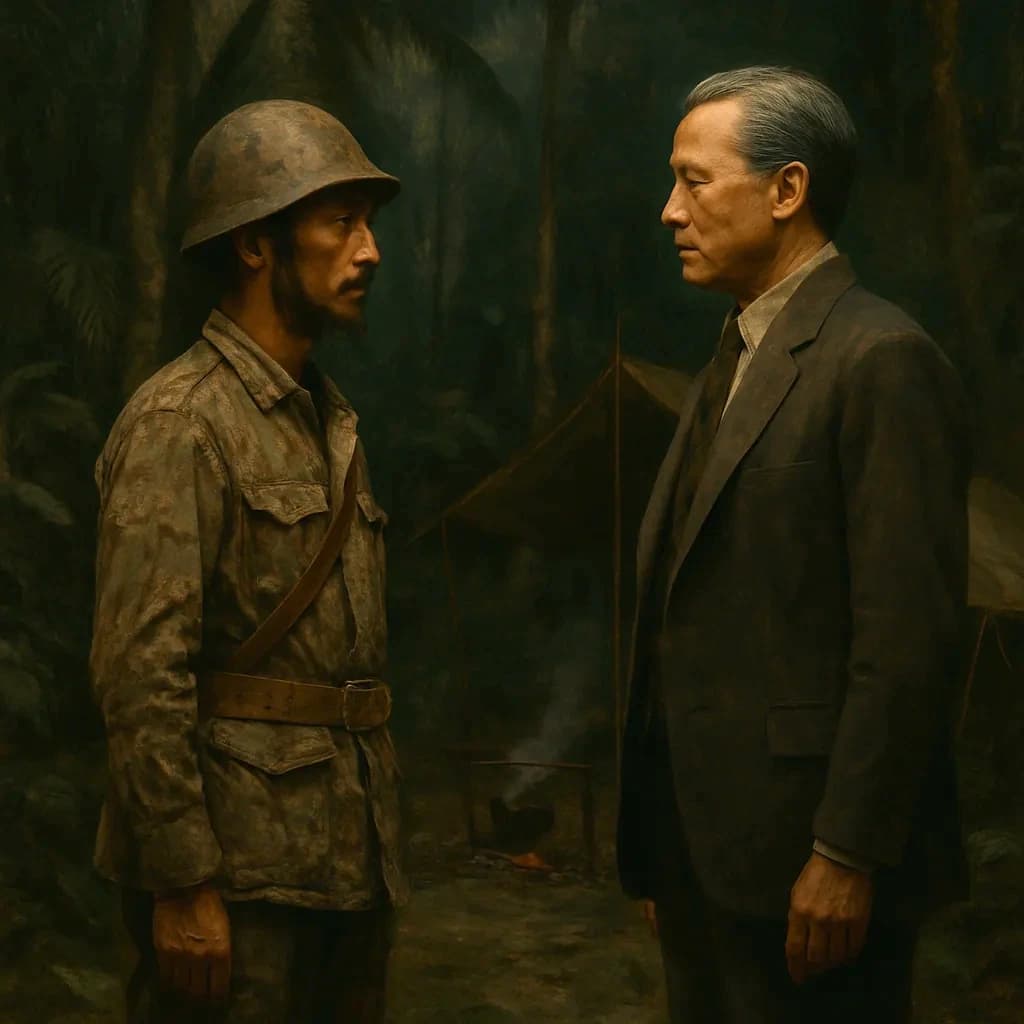
The Soldiers Who Kept Shooting for Thirty Years
When World War II ended in 1945, nobody told them, and they kept fighting until 1974.
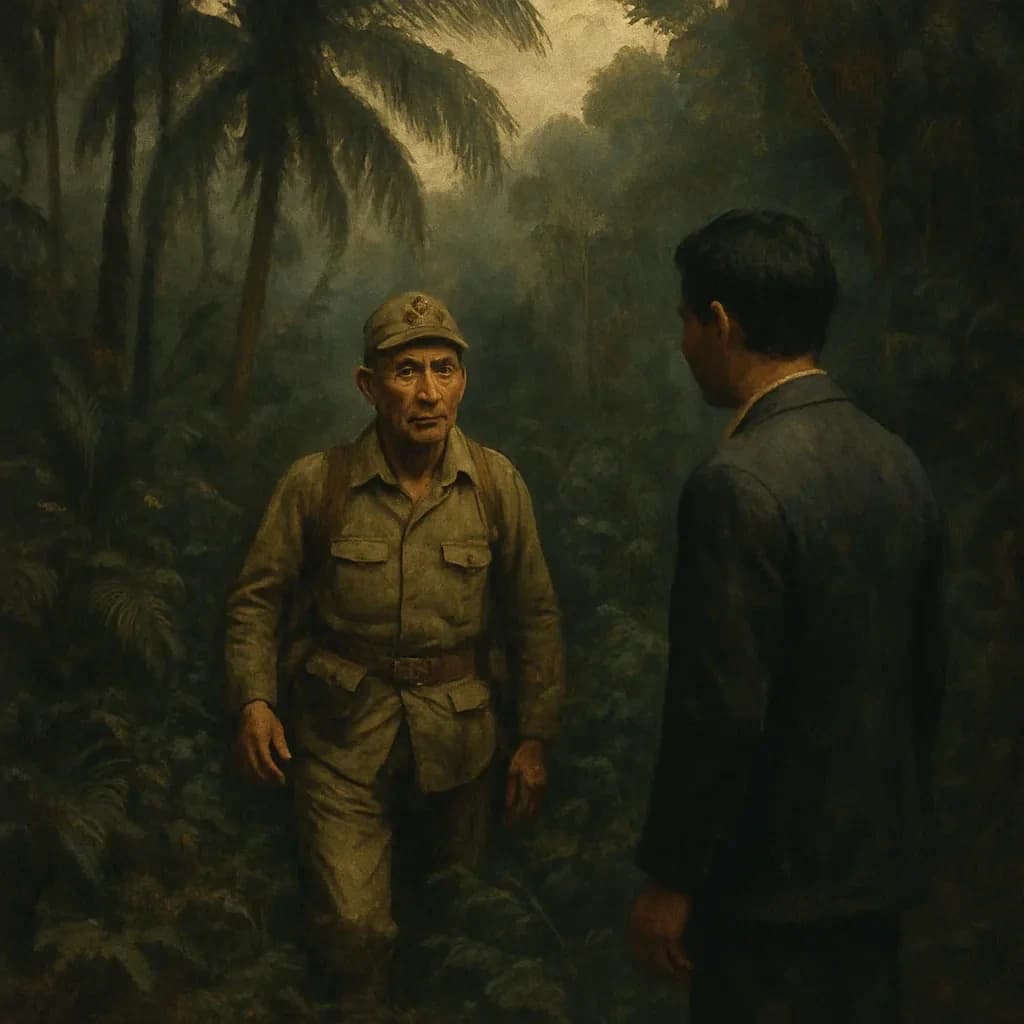
A Japanese Garrison Kept Fighting World War II for 29 Years
A Japanese garrison spent 29 years fighting World War II on a remote island, refusing to believe the war had ended.
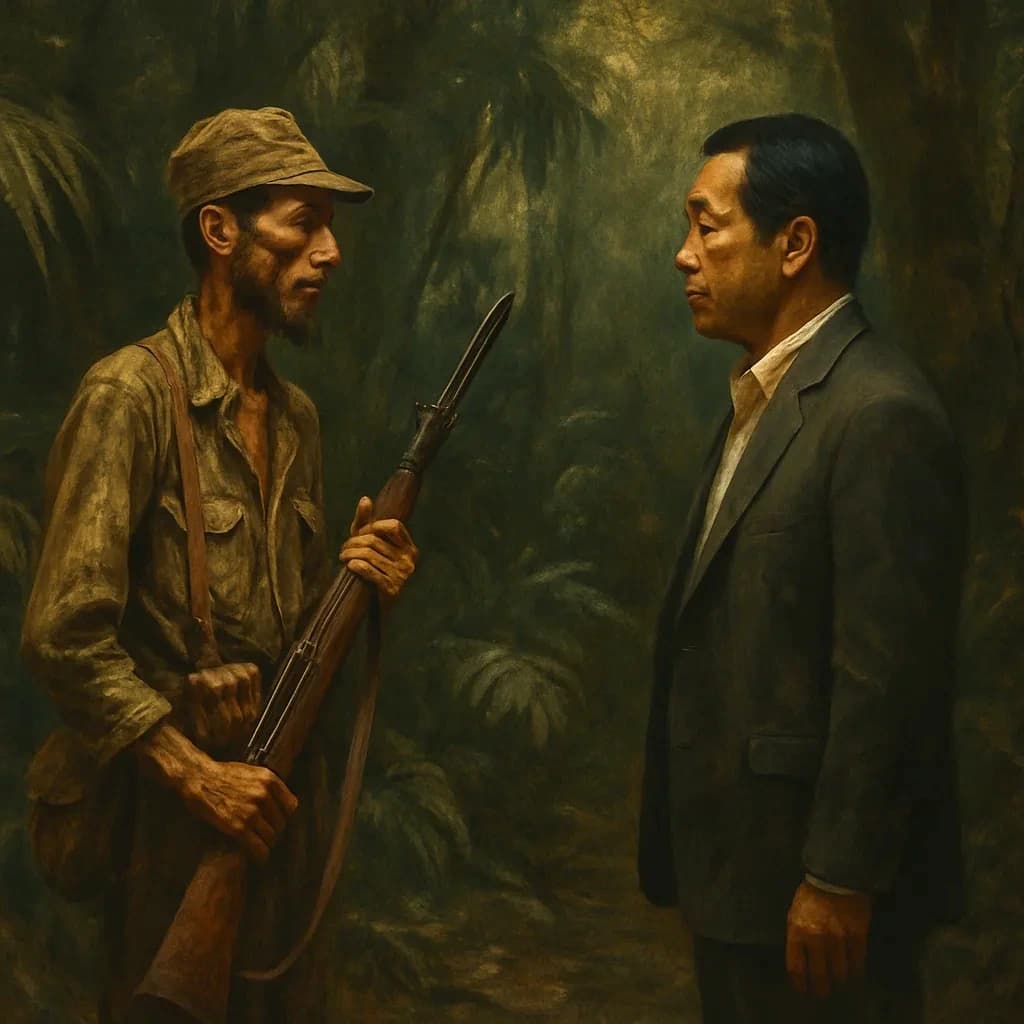
The Sergeant Who Kept Fighting for Twenty-Nine Years
When Japan surrendered in 1945, nobody told Hiroo Onoda, and he refused to believe anyone who tried.
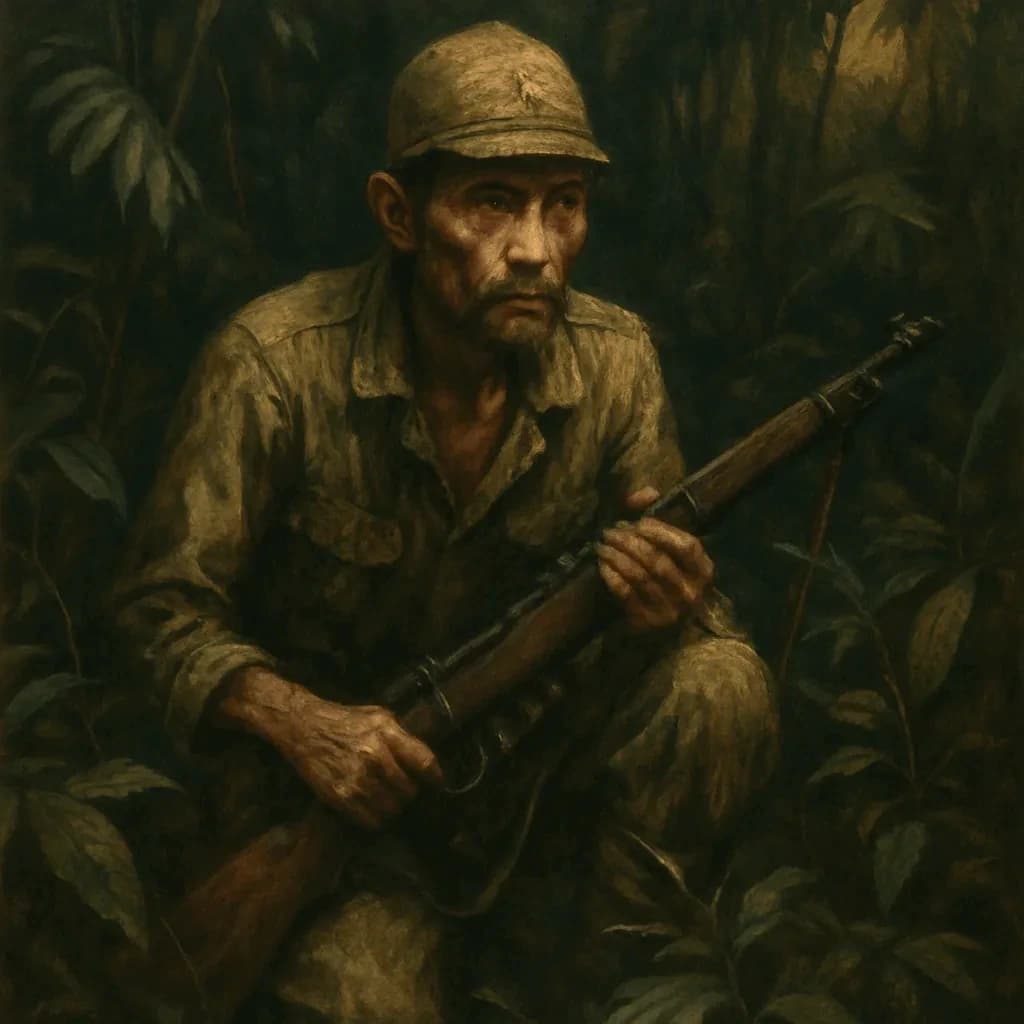
Nobody Told the Samurai
Japan's last samurai spent fifteen years fighting a war that had already ended.
- Onoda, Hiroo. No Surrender: My Thirty-Year War. Naval Institute Press, 1999.
- Beatty, Jack. "The Last Soldier." The Atlantic, May 1975.
- Haruko Taya Cook and Theodore F. Cook. Japan at War: An Oral History. The New Press, 1992.