
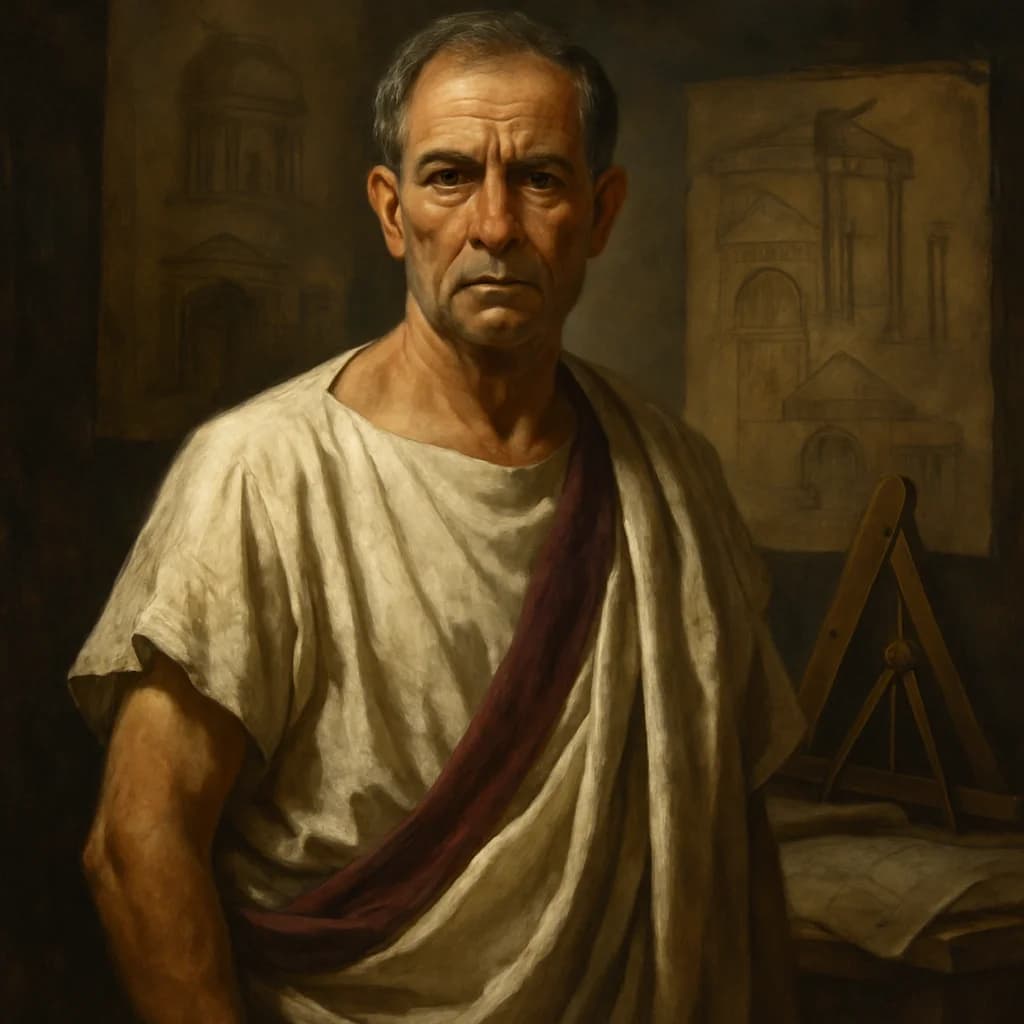
Marcus Agrippa
The most powerful man in Rome spent his life making sure everyone forgot he existed.
Marcus Agrippa perfected the art of being indispensable while remaining invisible. While Augustus basked in imperial glory, Agrippa built the infrastructure that actually made the empire work. He didn't just construct Rome's aqueducts and harbors. He revolutionized naval warfare, turning landlubbers into admirals through sheer engineering audacity.
The man who defeated Mark Antony at Actium had never commanded a fleet before that campaign. Agrippa simply looked at the problem differently. While traditional admirals relied on ramming and boarding, he invented the harpax, a catapult-fired grappling hook that could snare enemy ships from a distance. He built an entire training lake near Naples, complete with mock naval battles, because he understood that Romans learned best through obsessive practice.
But Agrippa's true genius lay in making Augustus look good while wielding more practical power than the emperor himself. He married Augustus's daughter, controlled the grain supply, managed the census, and ran the daily operations of empire. When he died at fifty-one, Augustus wept publicly, not from sentiment, but from terror. The man who had solved every logistical nightmare was gone.
Agrippa's funeral was the largest Rome had ever seen, yet within a generation, his name had faded from popular memory. He had built his career on being the competent shadow behind the charismatic leader, and shadows, however essential, rarely survive in history's spotlight.
Agrippa's Pantheon dome remained the world's largest unreinforced concrete dome for over 1,300 years, and engineers still debate how Roman concrete became stronger with age rather than weaker.
Why untold: Roman historians focused on emperors and generals, systematically overlooking the administrators and engineers who actually built and maintained the empire.
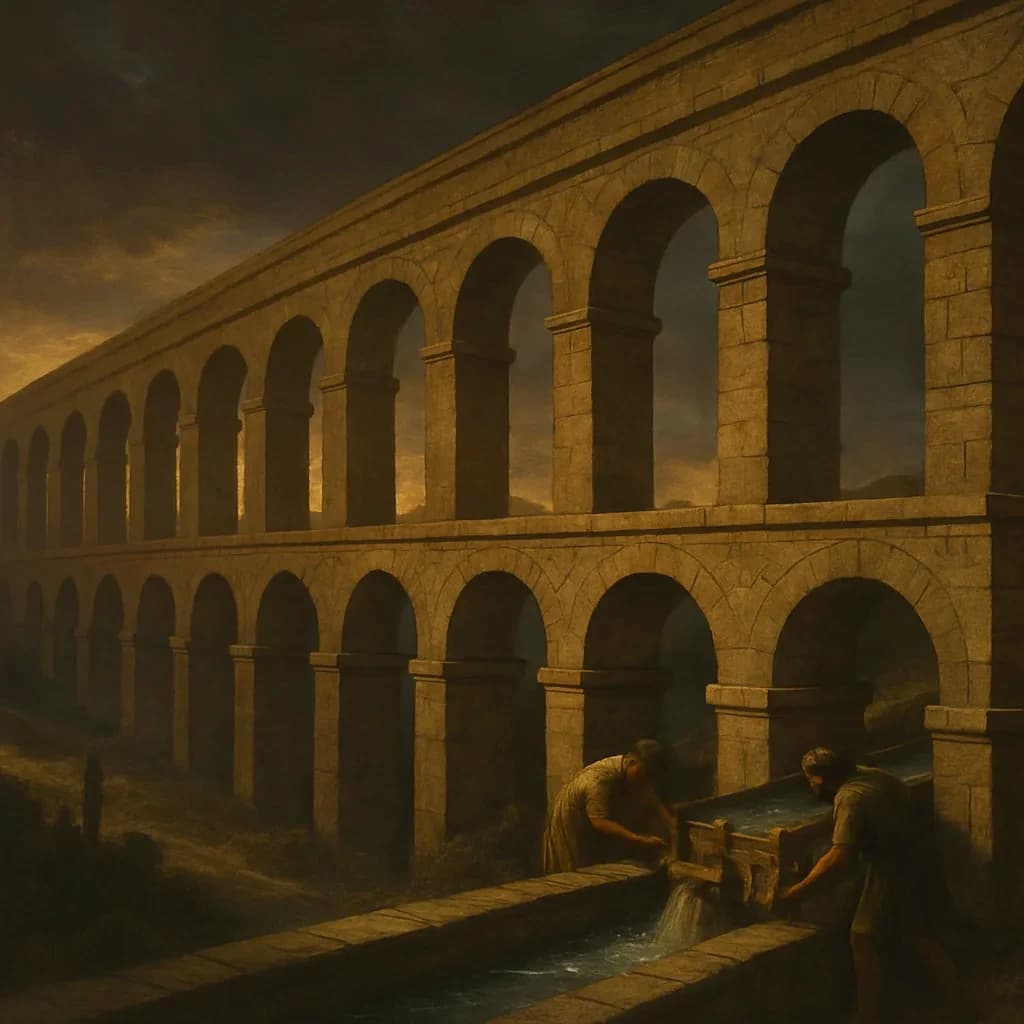
Rome's Engineers Made Water Climb Uphill
For nearly a thousand years, Rome's greatest engineers achieved what physics said was impossible.
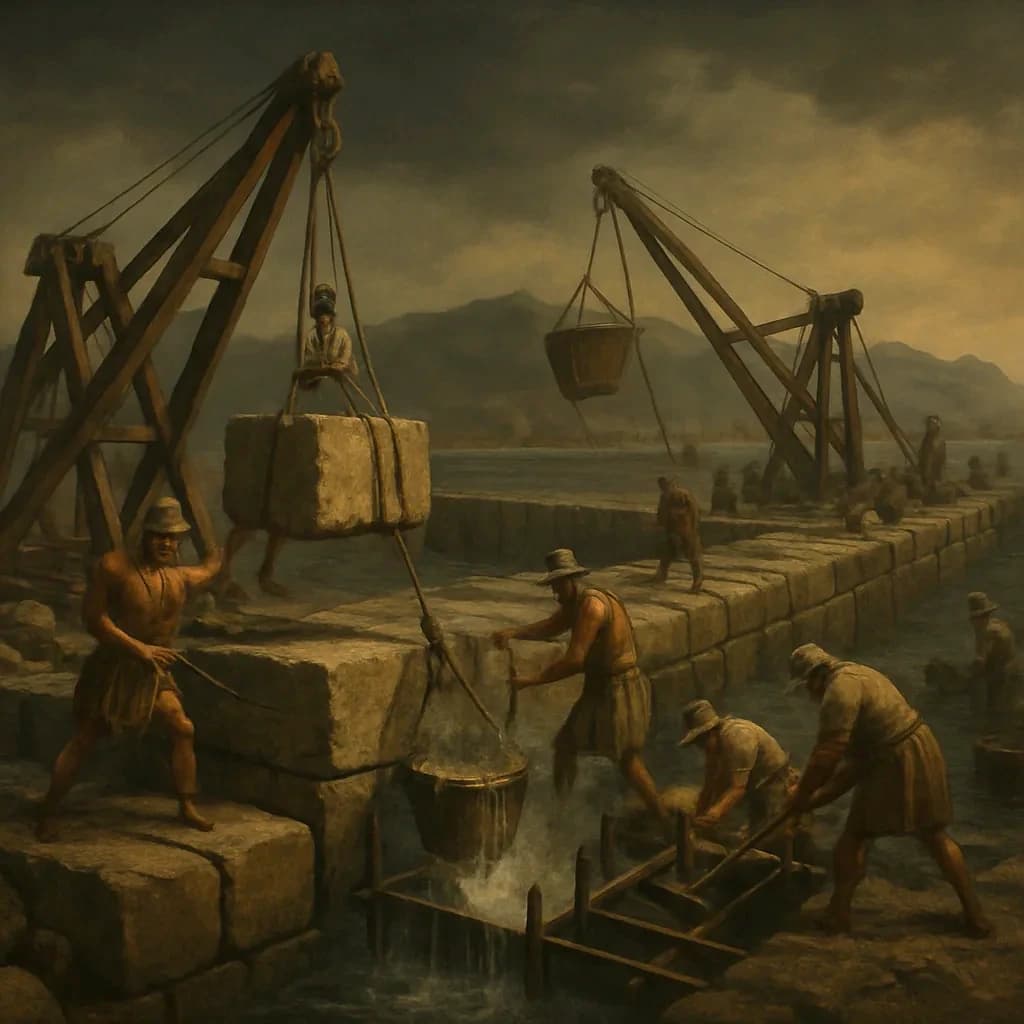
Rome Built a Navy in a Swamp
Marcus Agrippa turned a muddy coastline into the naval base that would dominate the Mediterranean for centuries.
- Reinhold Meyer, Marcus Agrippa: A Biography (1955)
- John R. Patterson, Political Life in the City of Rome (2000)
- Lynne C. Lancaster, Concrete Vaulted Construction in Imperial Rome (2005)