
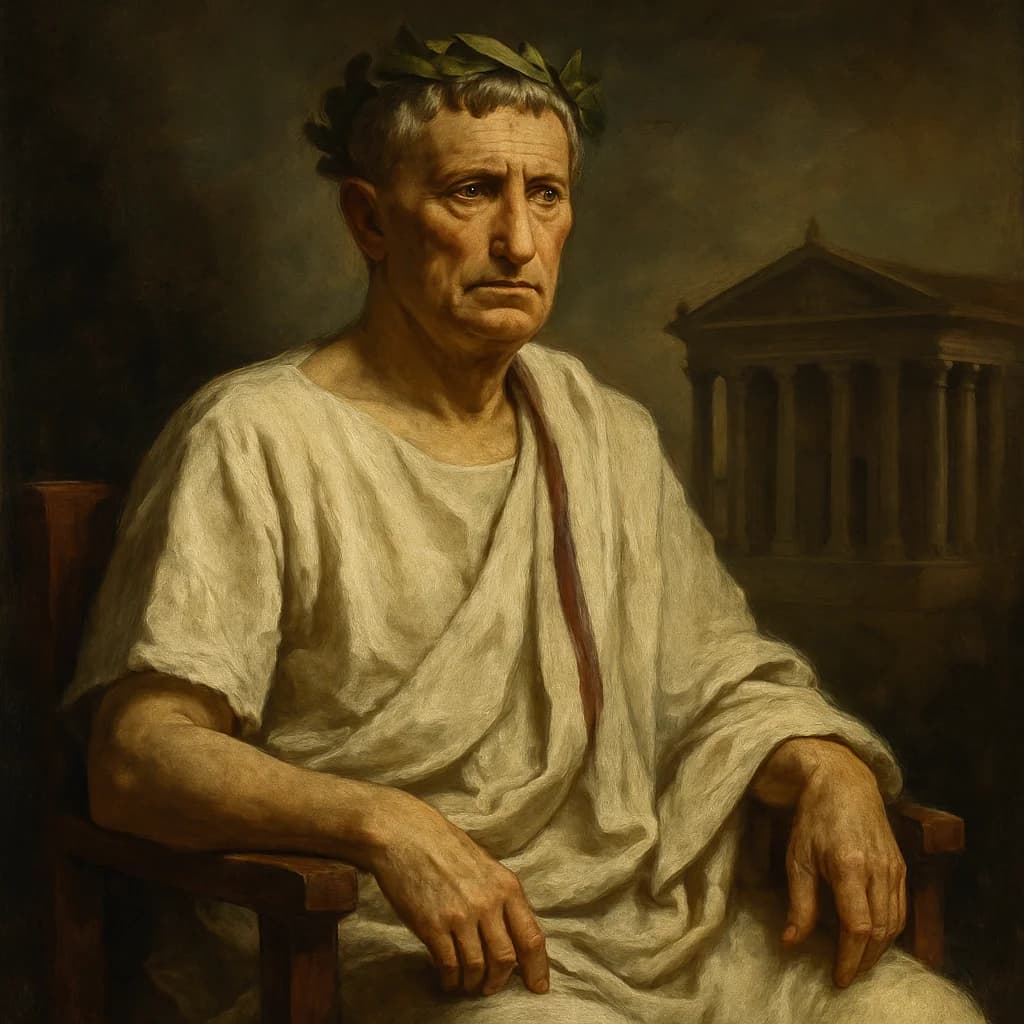
Augustus
The first Roman emperor spent his entire reign pretending he wasn't emperor at all.
Augustus ruled the Roman Empire for forty-five years while maintaining the fiction that he was simply Rome's "first citizen." He refused the title of king, declined dictatorial powers when offered, and insisted the Senate continue meeting as if it still mattered. This wasn't modesty. It was genius. He understood that Romans would accept a monarch as long as nobody called him one.
Born Gaius Octavius in 63 BCE, he was a sickly teenager when his great-uncle Julius Caesar adopted him. When Caesar was assassinated, the eighteen-year-old found himself heir to a name, a fortune, and a civil war. He proved ruthlessly pragmatic from the start. While Mark Antony and the conspirators tore each other apart, Octavius quietly built his own power base, borrowed money against his inheritance, and hired Caesar's veterans with cash the state didn't have.
The masterstroke came after his victory at Actium in 31 BCE. Instead of celebrating conquest, Augustus performed an elaborate political theater. He "restored" the Republic, returned his powers to the Senate, and accepted only those offices they "insisted" he keep. The Senate, terrified of more civil war, begged him to retain control. He graciously accepted, taking only the modest titles of princeps and imperator, words that would evolve into "prince" and "emperor."
Augustus transformed Rome not through dramatic gestures but through bureaucratic innovation. He created the Praetorian Guard, established the first professional fire brigade, built an efficient postal system, and commissioned the first reliable census. He found Rome brick and left it marble, but more importantly, he found it a chaotic republic and left it a machine that would run itself for centuries. He died in 14 CE, having never once admitted he was king of anything.
Augustus was so superstitious that he put on his left shoe before his right every morning and considered it an omen of disaster if he accidentally reversed the order.
Why untold: His constitutional innovations are overshadowed by the romantic drama of his predecessors and successors, making his political genius seem boring rather than revolutionary.
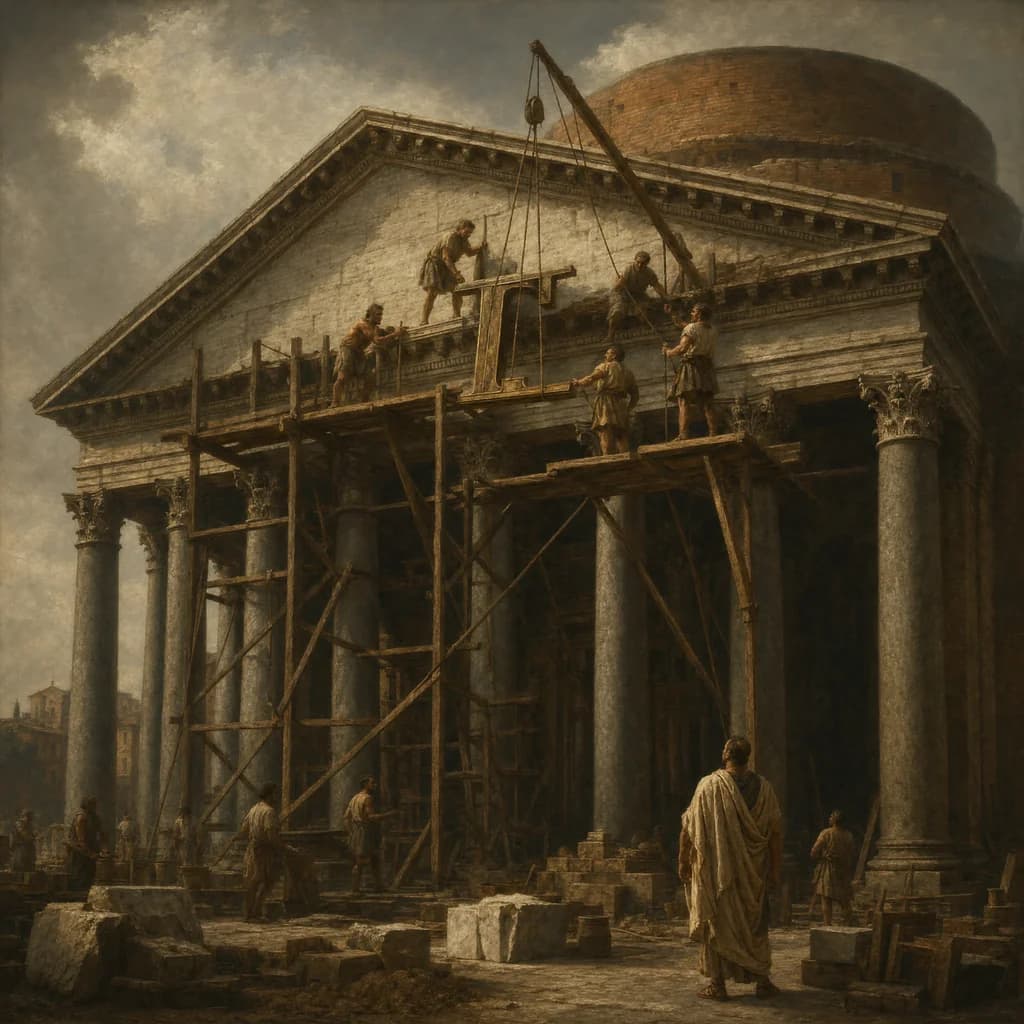
Rome's Most Famous Building Credits the Wrong Man
Millions of visitors a year photograph the builder's name across the front of the Pantheon. He had been dead for over a century when the building went up.
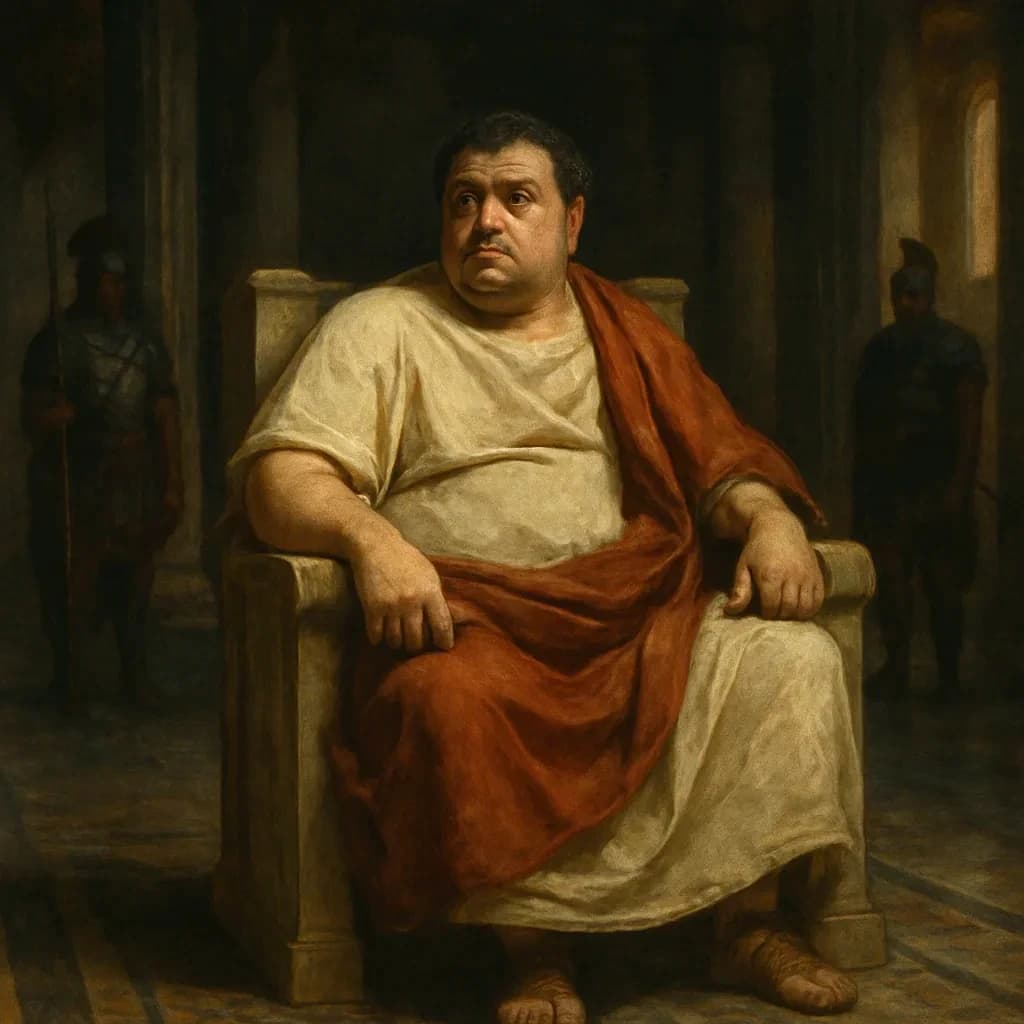
They Found the Next Emperor Hiding Behind a Curtain
A Roman emperor's speech impediment may have saved the Republic's greatest surviving institution.
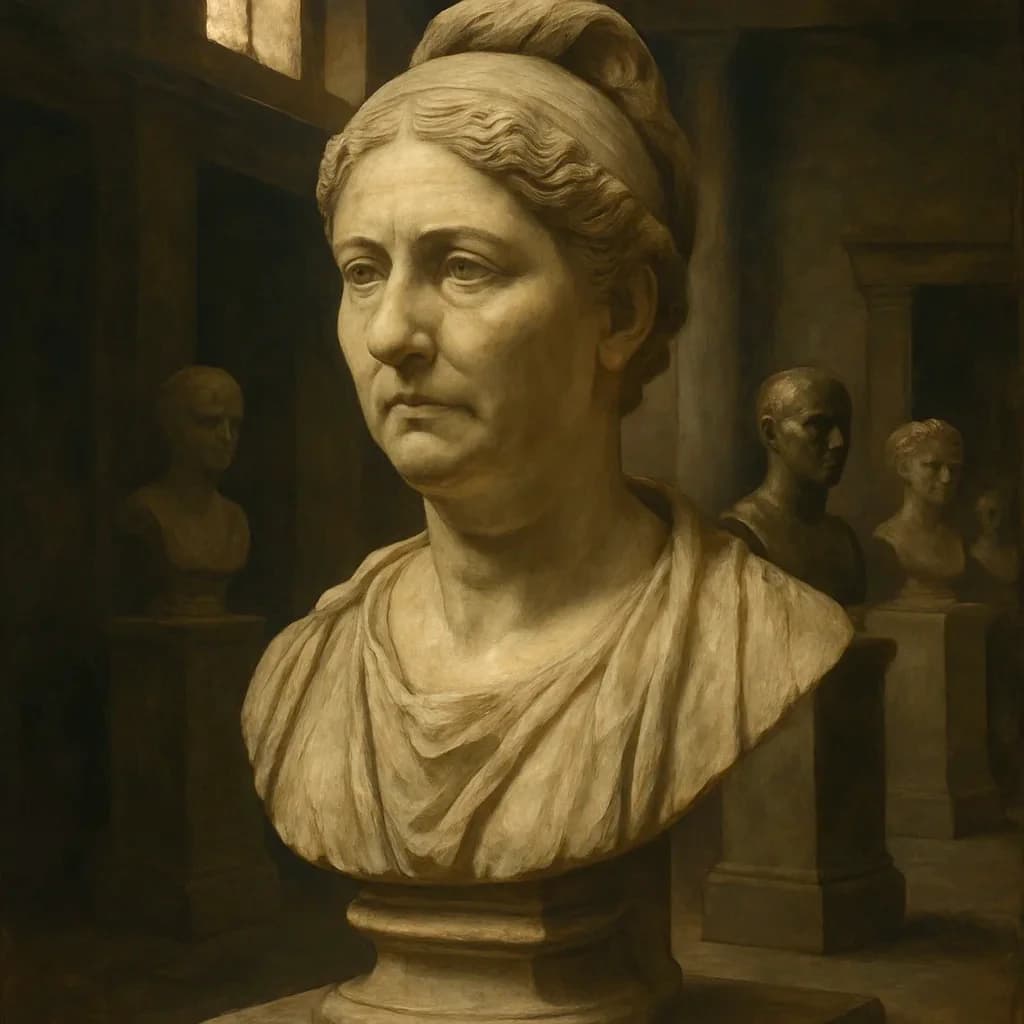
Livia Ran Rome and Left Almost No Portrait
For nearly two thousand years, no one knew what the most powerful woman in Roman history looked like, because she made sure of it.
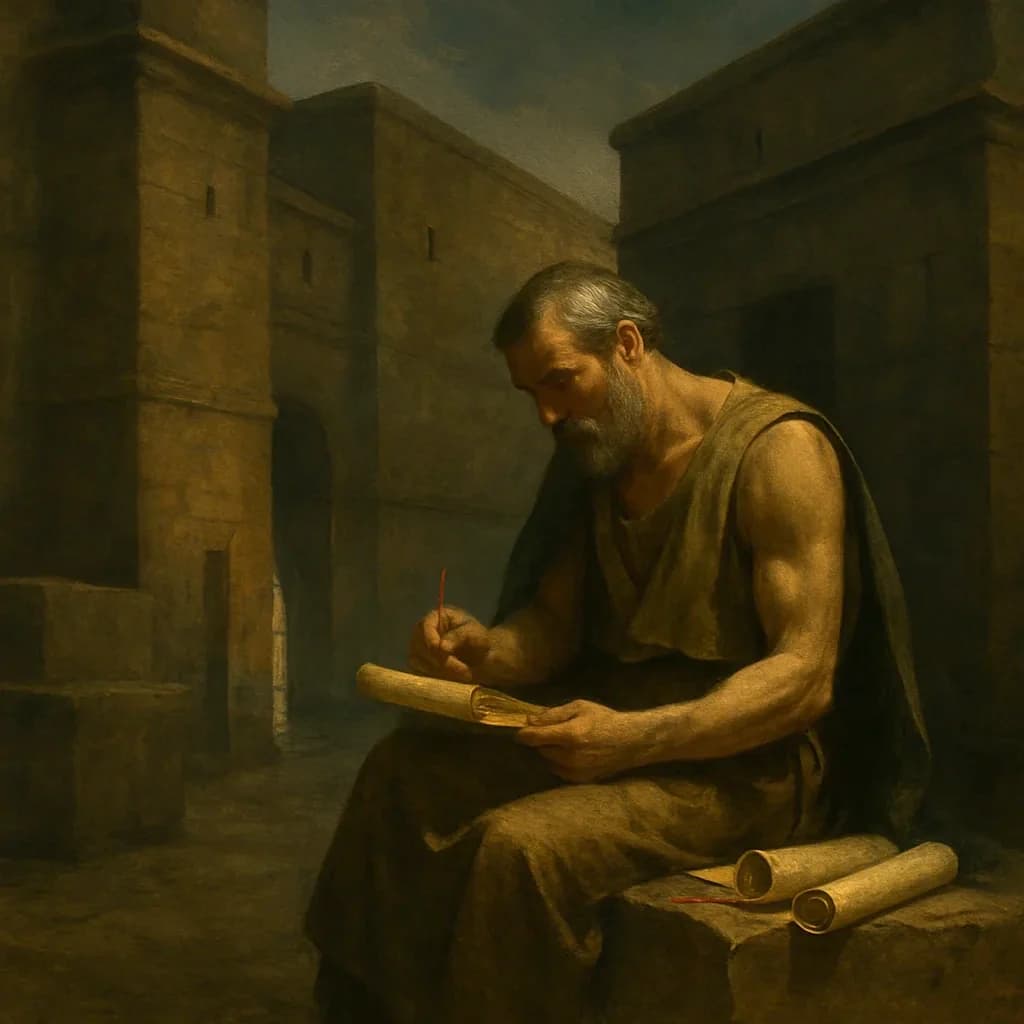
A Grain Clerk's Math Error and the Fall of Rome
A grain merchant in Alexandria made a single accounting error in 49 BCE that would ultimately destroy the Roman Republic forever.
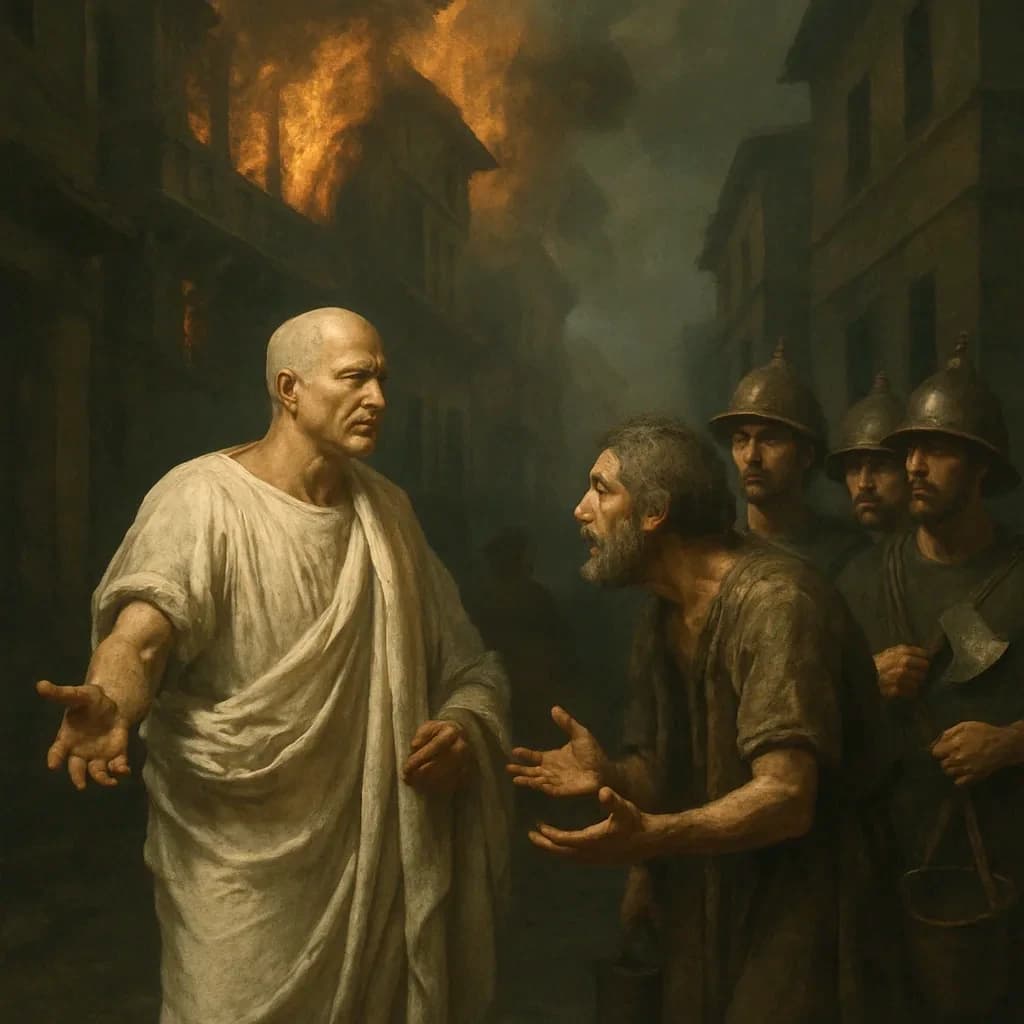
When Rome Fired Its Own Firefighters
The city that built an empire couldn't figure out how to put out fires without making them worse.
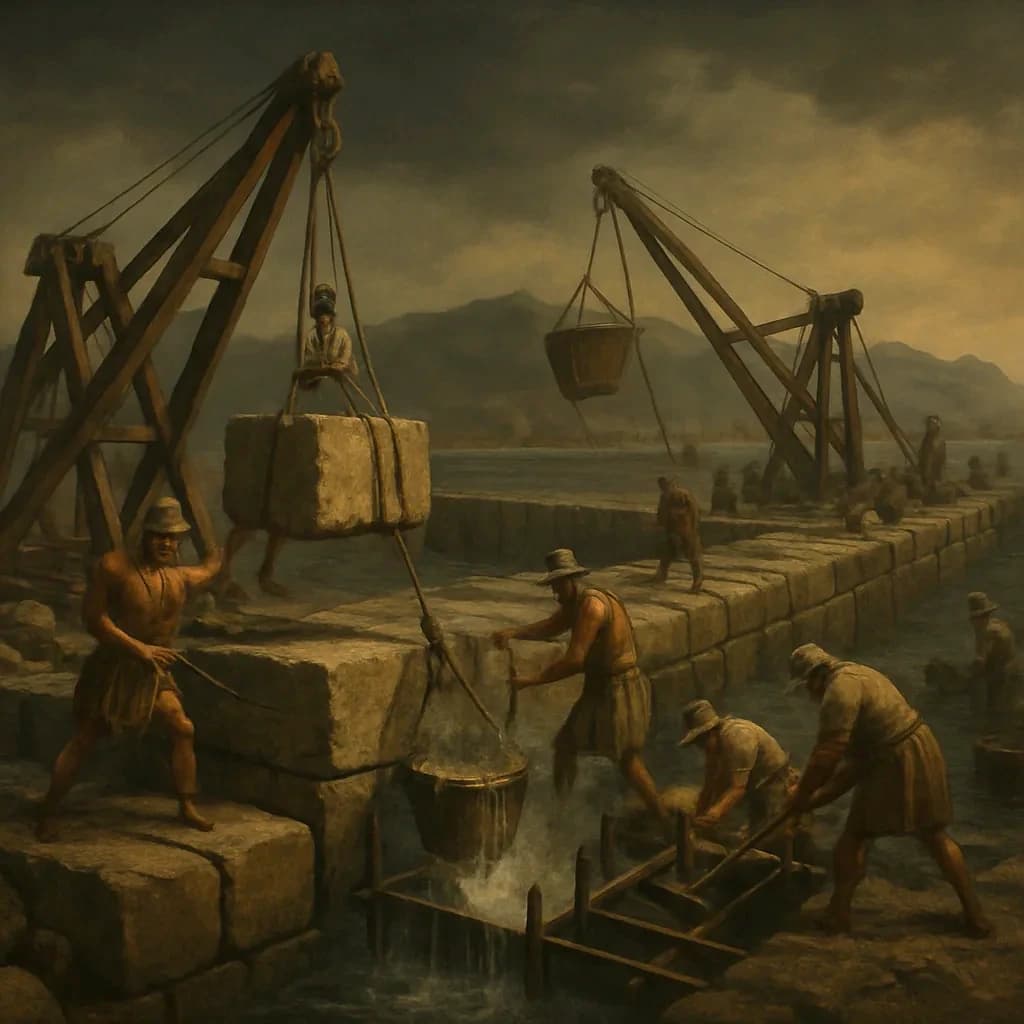
Rome Built a Navy in a Swamp
Marcus Agrippa turned a muddy coastline into the naval base that would dominate the Mediterranean for centuries.
- Suetonius, The Twelve Caesars
- Mary Beard, SPQR: A History of Ancient Rome
- Adrian Goldsworthy, Augustus: First Emperor of Rome