
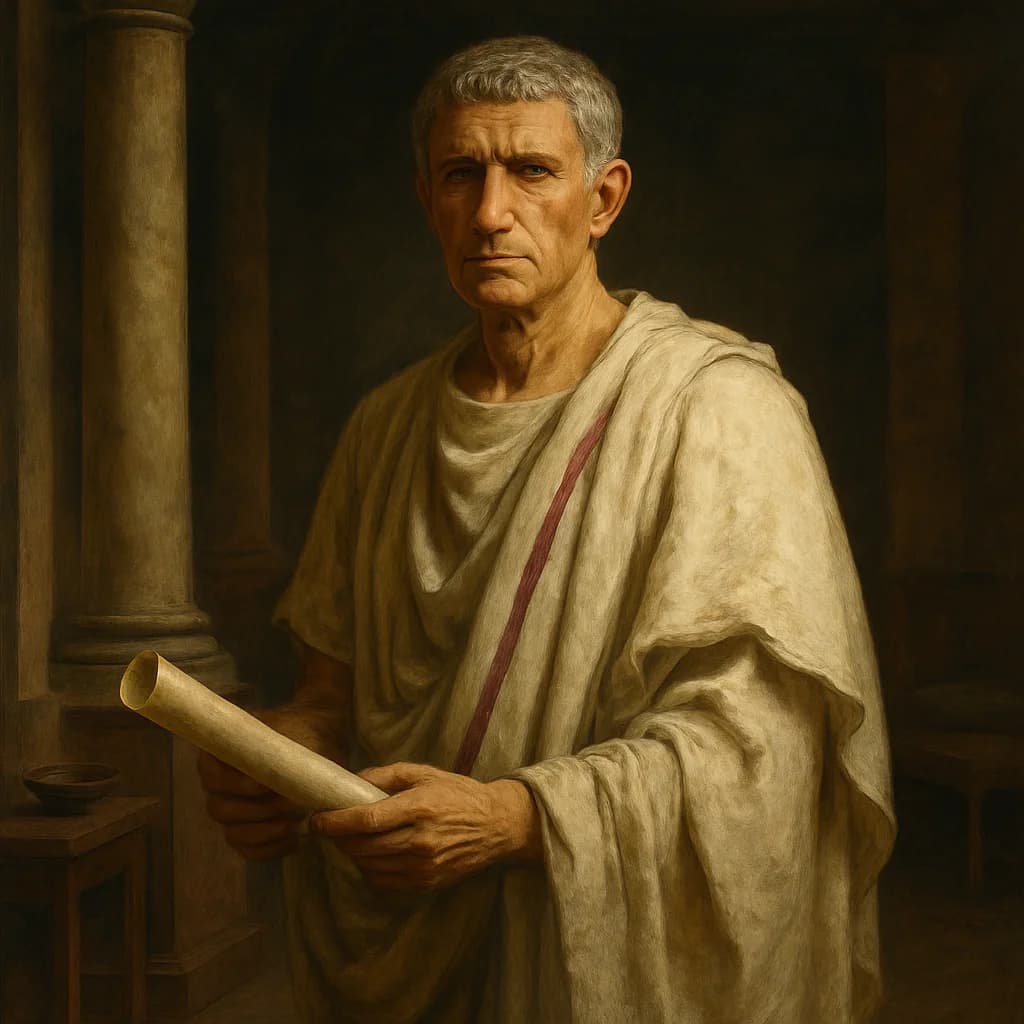
Emperor Augustus
The most successful ruler in human history spent his entire reign pretending he wasn't really the ruler at all.
Gaius Octavius understood something that would elude dictators for millennia: power works best when it's invisible. After defeating Mark Antony at Actium in 31 BCE, the nineteen-year-old heir to Julius Caesar faced an impossible puzzle. Rome had just spent decades tearing itself apart over the question of monarchy, yet the republic was clearly dying. His solution was breathtakingly audacious. He would become emperor while convincing everyone, including himself, that he was merely Rome's first citizen.
The performance began immediately. Augustus, as he renamed himself, restored the Senate, held regular elections, and maintained every republican ritual. He lived in a modest house on the Palatine Hill, wore simple togas, and insisted visitors call him by his birth name in private. Yet behind this careful theater, he wielded absolute control. He commanded all armies, appointed governors, controlled the treasury, and shaped laws through loyal senators. The genius lay not in the deception, but in making the deception unnecessary. Romans genuinely believed their republic had been saved, not buried.
This institutional sleight of hand lasted forty-five years, transforming a bankrupt city-state into an empire spanning three continents. Augustus revolutionized everything from taxation to urban planning, but always through existing structures. He never declared himself dictator because he never needed to. When he died in 14 CE, Romans mourned the loss of their greatest republican leader, never quite grasping that they were already three generations deep into imperial rule.
The most telling detail? Augustus kept Caesar's title (dictator perpetuo) locked in a drawer, unused. He had discovered something far more powerful than dictatorship: the illusion of choice.
Augustus was so obsessed with controlling his image that he employed the world's first spin doctors, a team of writers led by Maecenas who crafted everything from official histories to dinner party gossip.
Why untold: His constitutional innovations are overshadowed by military conquests and building projects, making him seem like just another ancient strongman rather than history's most sophisticated political architect.
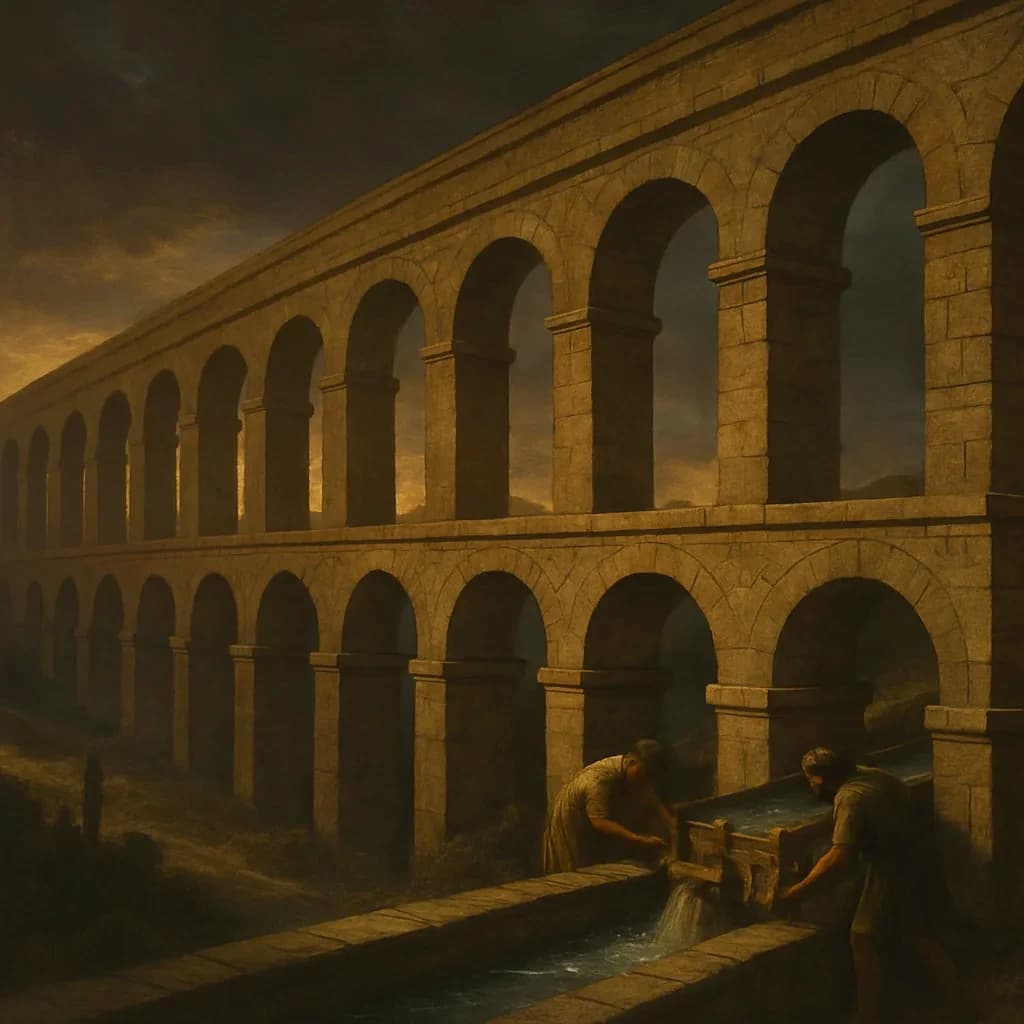
Rome's Engineers Made Water Climb Uphill
For nearly a thousand years, Rome's greatest engineers achieved what physics said was impossible.
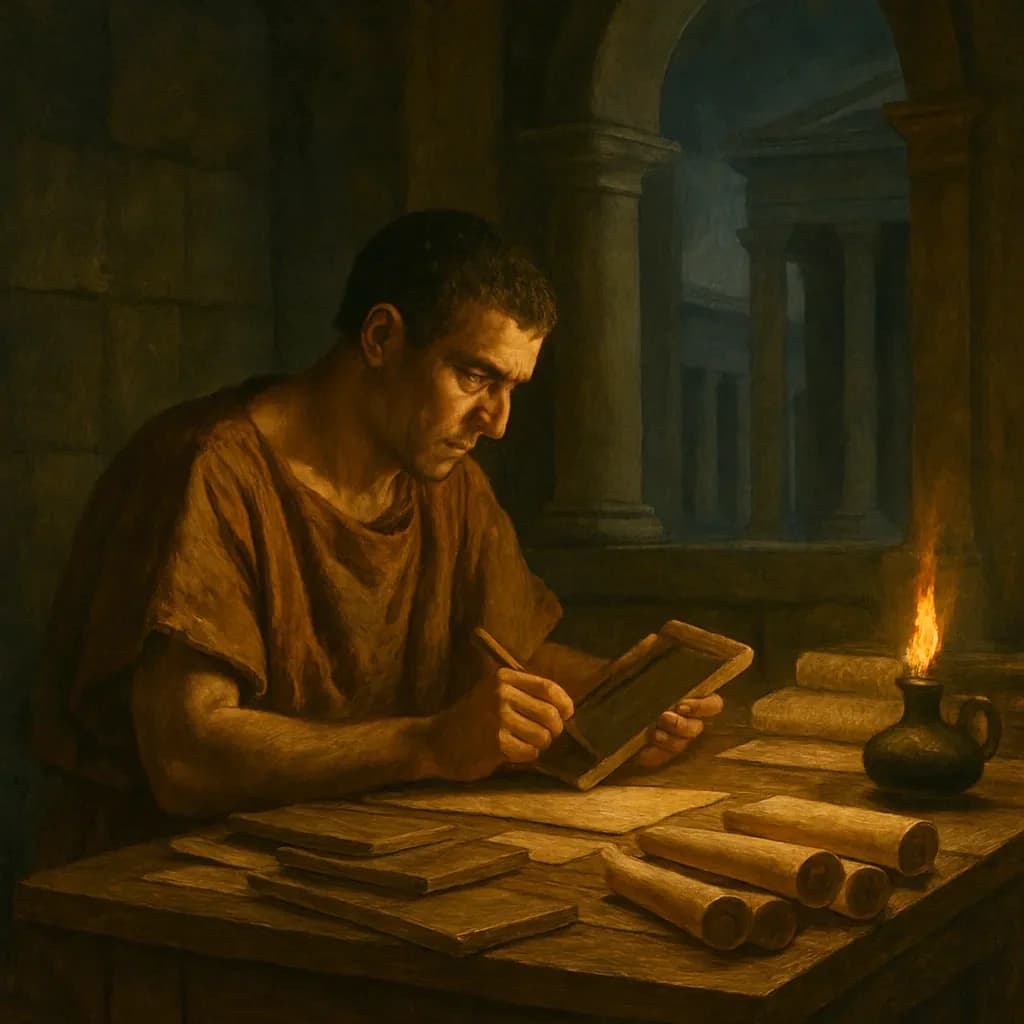
The Census Error That Doomed Three Legions
A Roman census clerk miscounted the population by three million people, accidentally triggering the empire's most catastrophic military blunder.
- Mary Beard, SPQR: A History of Ancient Rome
- Adrian Goldsworthy, Augustus: First Emperor of Rome
- Ronald Syme, The Roman Revolution