
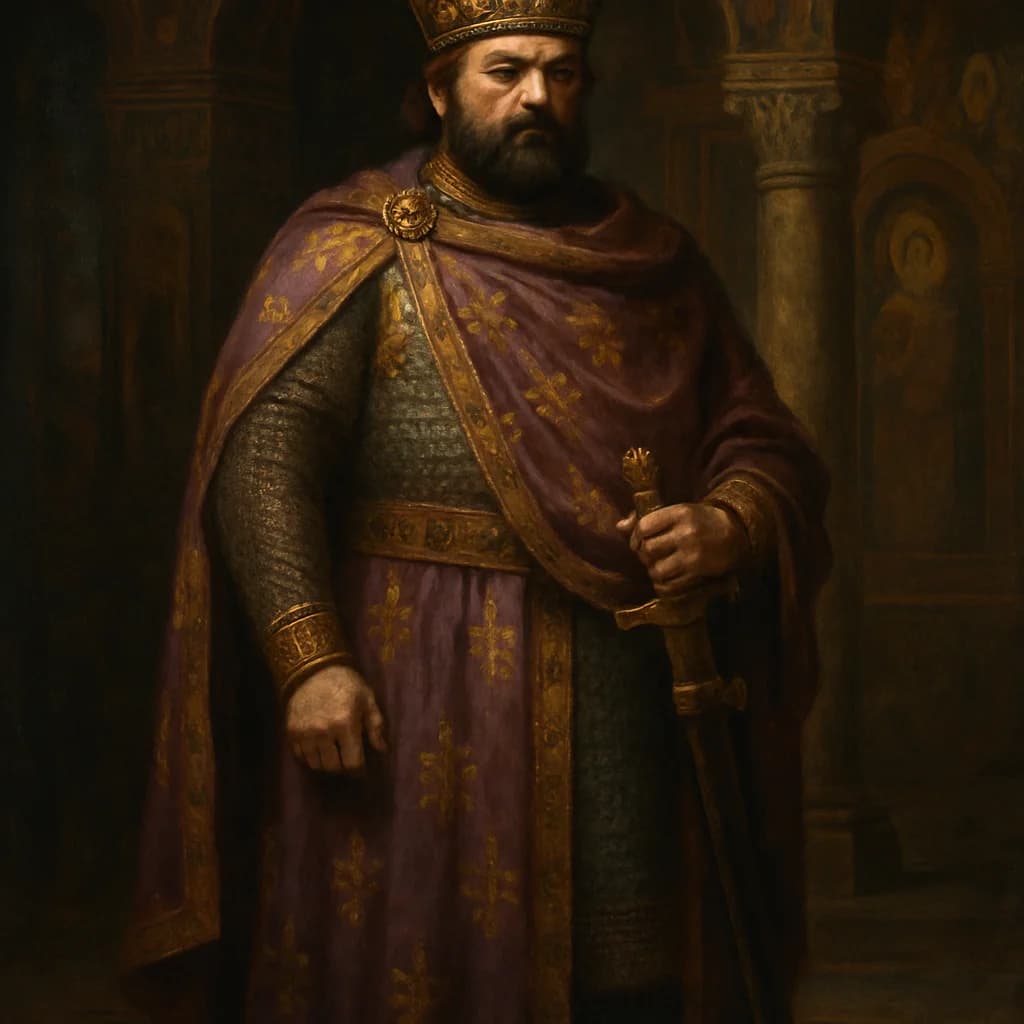
John I Tzimiskes
The most successful Byzantine emperor in centuries got the throne by murdering his predecessor in bed, and the victim's wife helped him do it.
John Tzimiskes stood barely five feet tall, but in 969 CE he commanded the loyalty of the empire's most elite military unit when he crept into the imperial palace on a December night. The target: Emperor Nicephorus Phocas, his former friend and current rival. The accomplice: Empress Theophano, Nicephorus's own wife, who had grown to despise her husband's religious fanaticism and left a door unlocked for the assassins.
What followed wasn't the typical Byzantine palace coup ending in civil war and collapse. Instead, Tzimiskes proved to be exactly what the empire needed: a warrior-emperor who could actually win wars. Within months of his bloody coronation, he was personally leading cavalry charges against Arab raiders in Syria. By 974, his armies had pushed deeper into the Holy Land than any Byzantine force in three centuries, capturing Antioch, Damascus, and nearly reaching Jerusalem itself.
The secret wasn't just military genius. It was economic pragmatism wrapped in religious theater. Tzimiskes understood that his stolen throne needed legitimacy, so he staged elaborate campaigns as Christian crusades while quietly rebuilding the empire's finances through methodical conquest. Each captured city meant new trade routes, each defeated enemy meant tribute flowing into Constantinople's treasury. His soldiers adored him because he fought alongside them; his people loved him because the wars actually paid for themselves.
Then, at the height of his success in 976, Tzimiskes died suddenly while returning from his greatest victory. Poison was suspected. Palace intrigue had claimed another emperor. But unlike most Byzantine rulers, he left behind something unprecedented: an empire stronger than when he found it, with borders expanded, enemies scattered, and treasury full. The murderer had become the savior.
Tzimiskes was so short that enemy commanders sometimes failed to recognize him on the battlefield, allowing him to get close enough for surprise attacks that became legendary among his troops.
Why untold: His reign was overshadowed by his dramatic assassination of his predecessor and his own mysterious death, obscuring his actual military and administrative achievements.
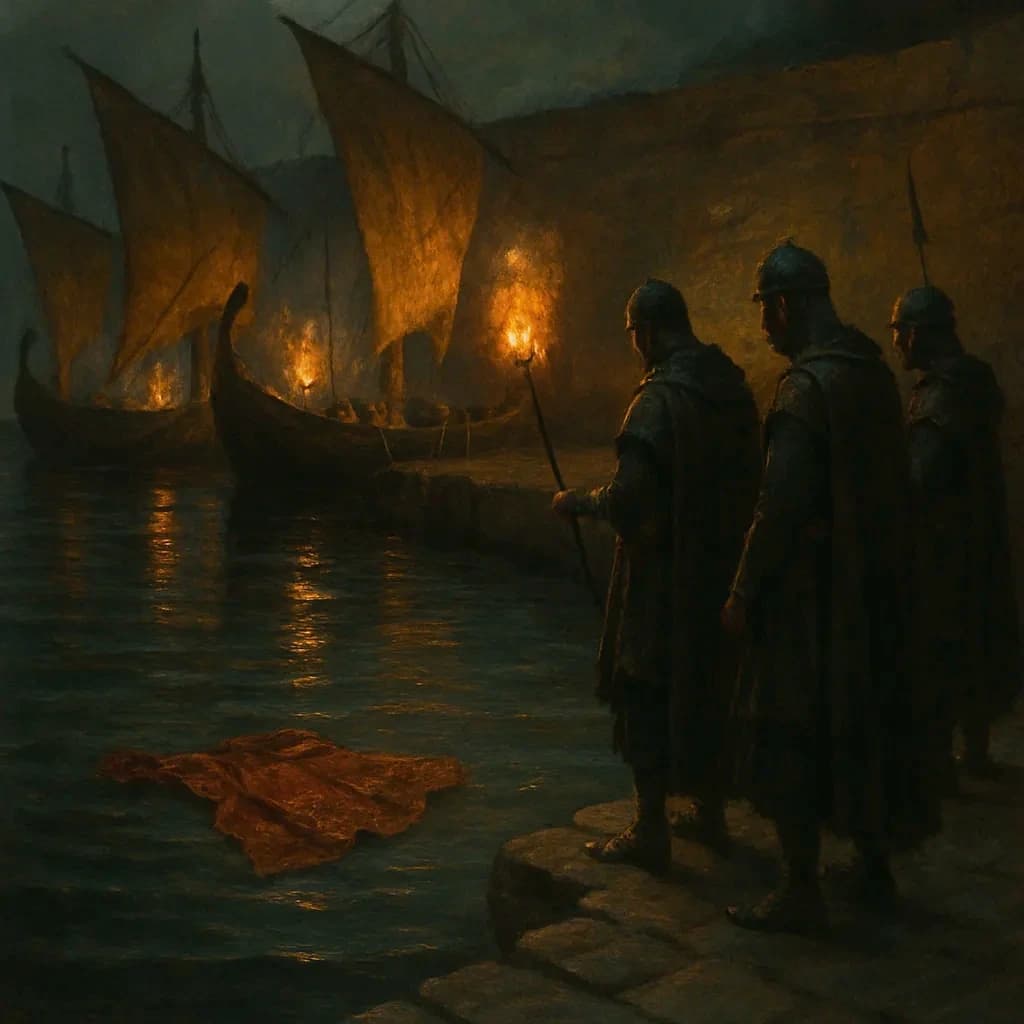
A Byzantine Emperor Drowned in a Harbor He Never Should Have Entered
A Byzantine emperor drowned in a harbor he never should have entered, and nobody could agree on whose fault it was, except that it changed the Mediterranean forever.
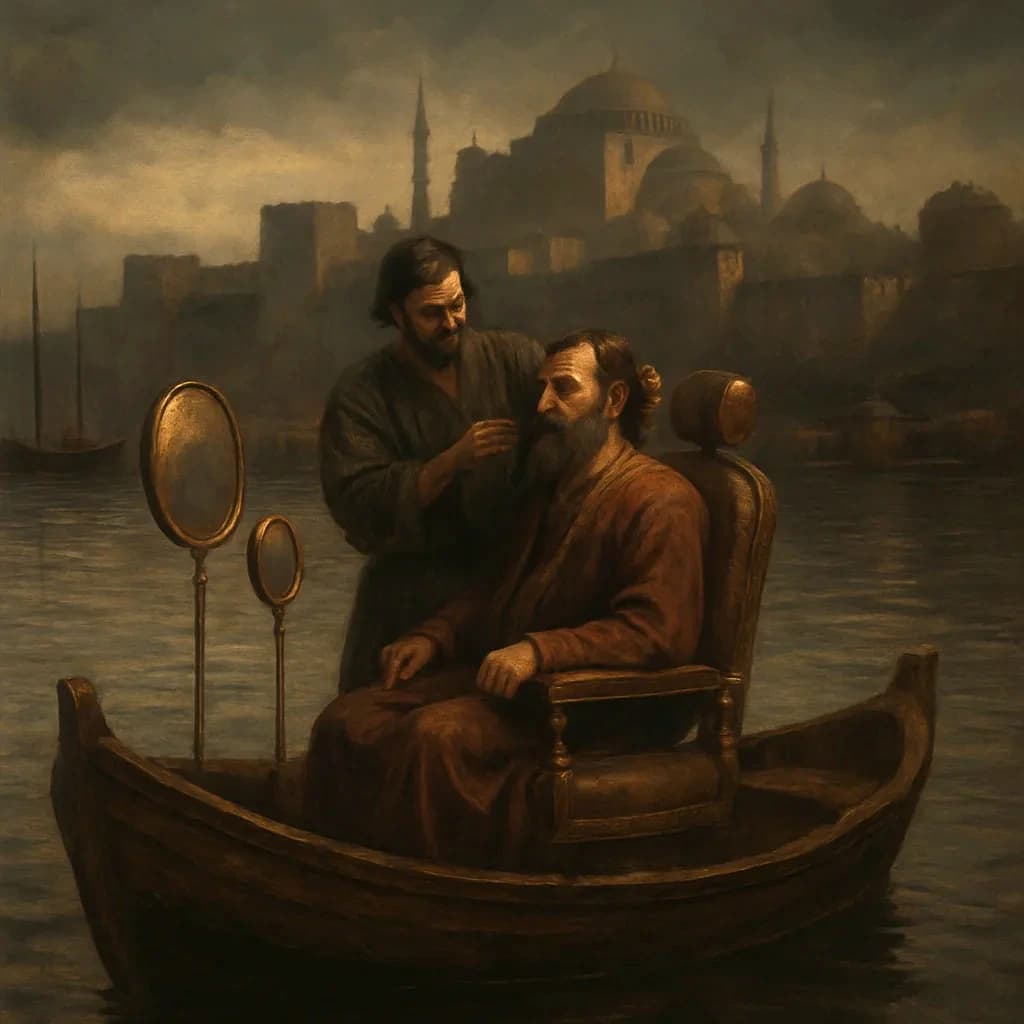
A Barber's Boat Became Byzantium's Secret War Room
A traveling barber's weekly routine in Constantinople became the secret to keeping an empire's most dangerous conspiracy from unraveling.
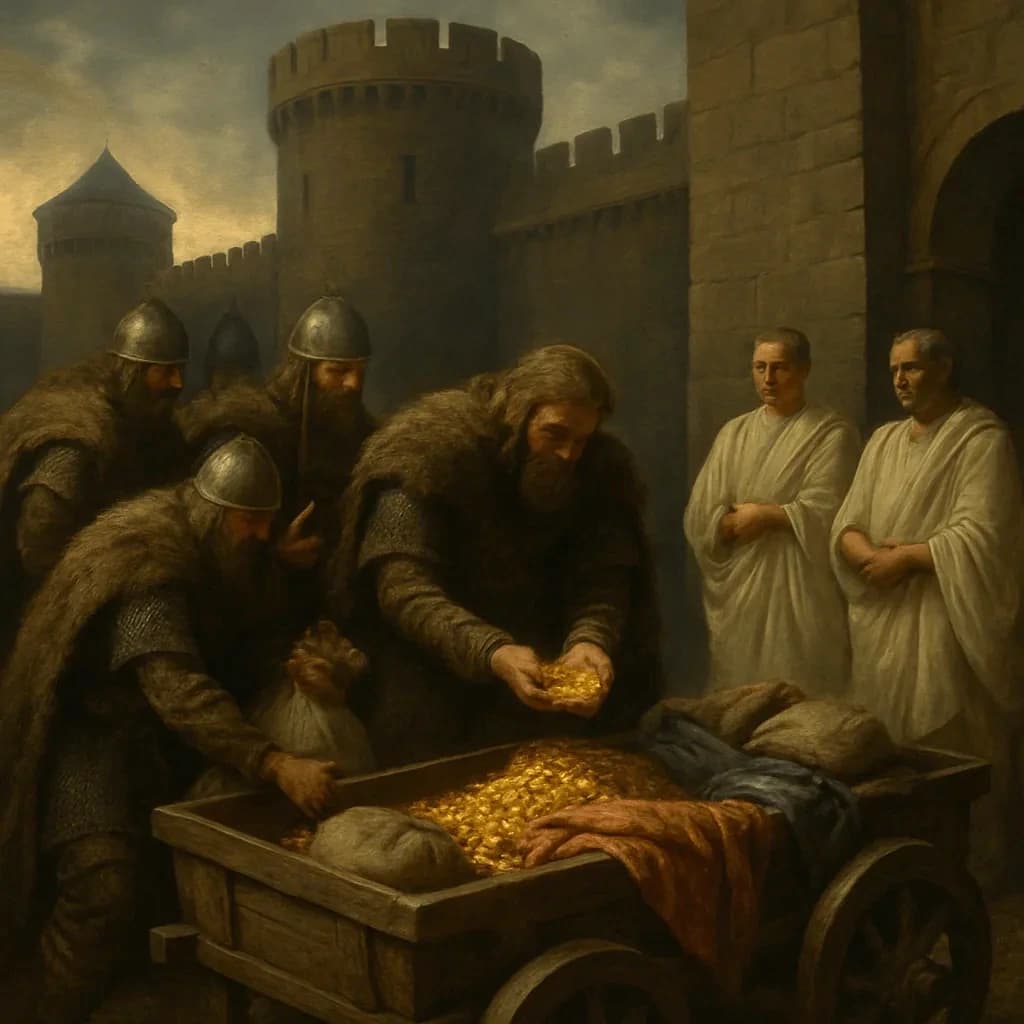
A Barbarian's Ransom Demand Accidentally Funded the Byzantine Empire
A barbarian king's ransom demand accidentally created the economic foundation of the Byzantine Empire.
- Skylitzes, John. Synopsis of Byzantine History, 811-1057
- McGeer, Eric. Sowing the Dragon's Teeth: Byzantine Warfare in the Tenth Century
- Holmes, Catherine. Basil II and the Governance of Empire (976-1025)