
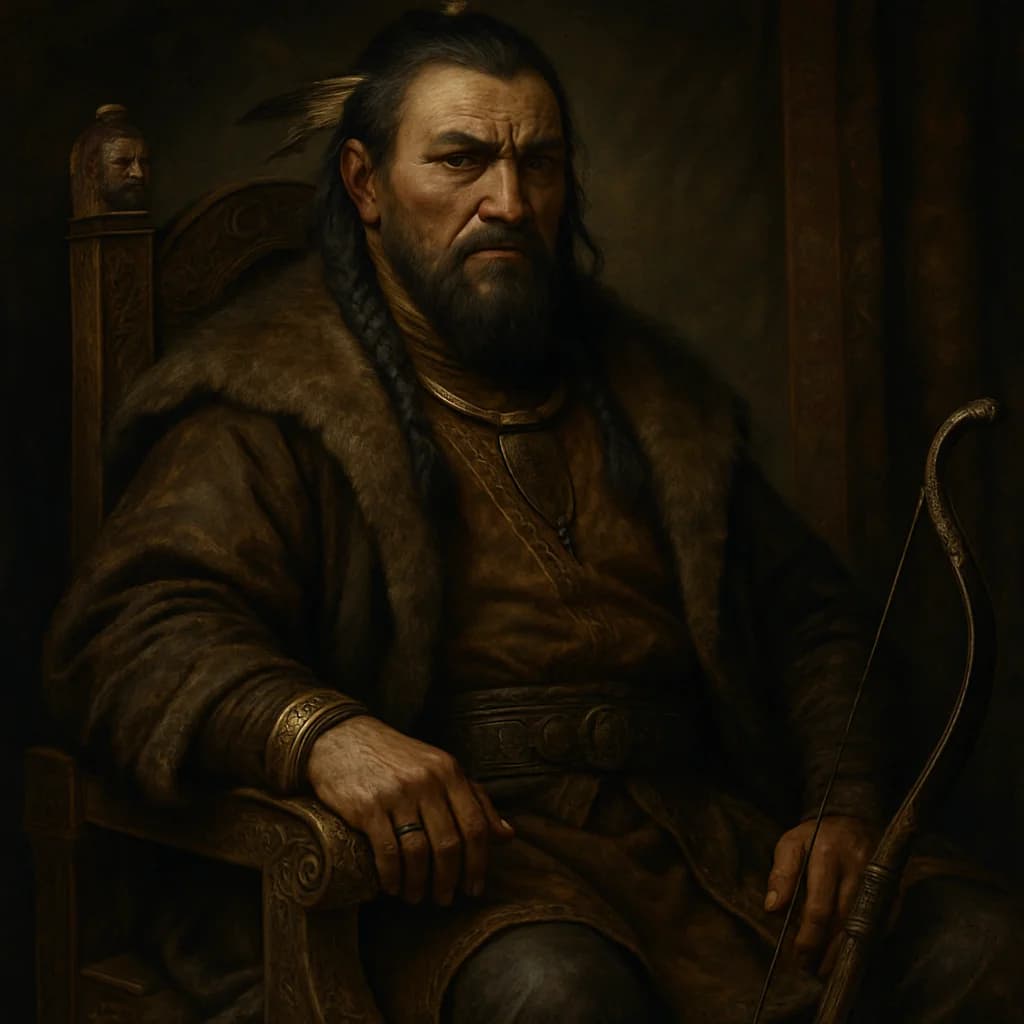
Attila the Hun
The most feared barbarian in history died on his wedding night, not in battle, but from a nosebleed.
Attila's death tells you everything about the man who nearly toppled Rome. On the night of his wedding to a young Gothic woman named Ildico in 453 CE, the scourge of God (as Christians called him) suffered a massive nosebleed, choked on his own blood, and died in bed. No epic final battle, no dramatic last words. Just biology.
This anticlimax masked a brilliant political mind that understood something Rome had forgotten: empires fall not to armies, but to economics. When Attila demanded 6,000 pounds of gold from Constantinople in 447, he wasn't just extorting tribute. He was accidentally engineering the Byzantine Empire's financial future. The desperate Byzantines melted down everything they could find, creating a massive gold reserve that would fund their survival for another thousand years. Attila had inadvertently given his enemies the means to outlast him.
But perhaps most remarkably, this supposed barbarian spoke multiple languages, conducted sophisticated diplomatic negotiations, and maintained a court that impressed even Roman ambassadors with its organization. Byzantine historian Priscus described elaborate feasts where Attila served guests on silver plates while eating from a simple wooden bowl, a calculated display of both wealth and humility that would make modern politicians envious.
After terrorizing two empires for decades, Attila left behind an empire that dissolved within a generation. His sons couldn't hold together what their father had built through sheer force of personality. The Hunnic Empire vanished so completely that archaeologists still debate where Attila was buried: somewhere in a river diverted to hide his grave, according to legend.
Attila demanded half the Western Roman Empire as a dowry when he proposed to Emperor Valentinian III's sister Honoria, claiming she had secretly sent him her ring as a marriage proposal.
Why untold: Popular culture reduces Attila to a savage destroyer, obscuring his sophisticated political acumen and the ironic economic legacy he left his enemies.
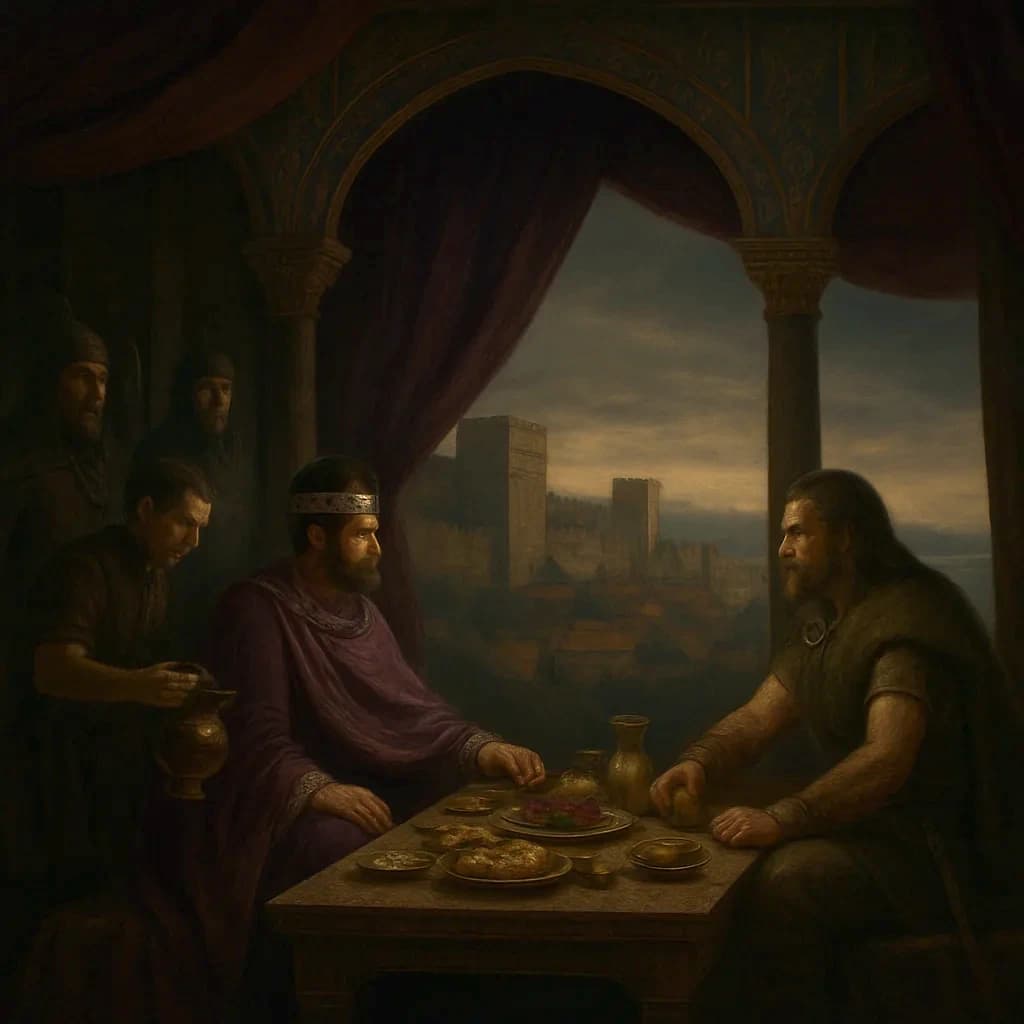
A Desperate Dinner Invitation Invented Modern Diplomacy
A Byzantine emperor's desperate dinner invitation to a barbarian king accidentally created the template for modern European diplomacy.
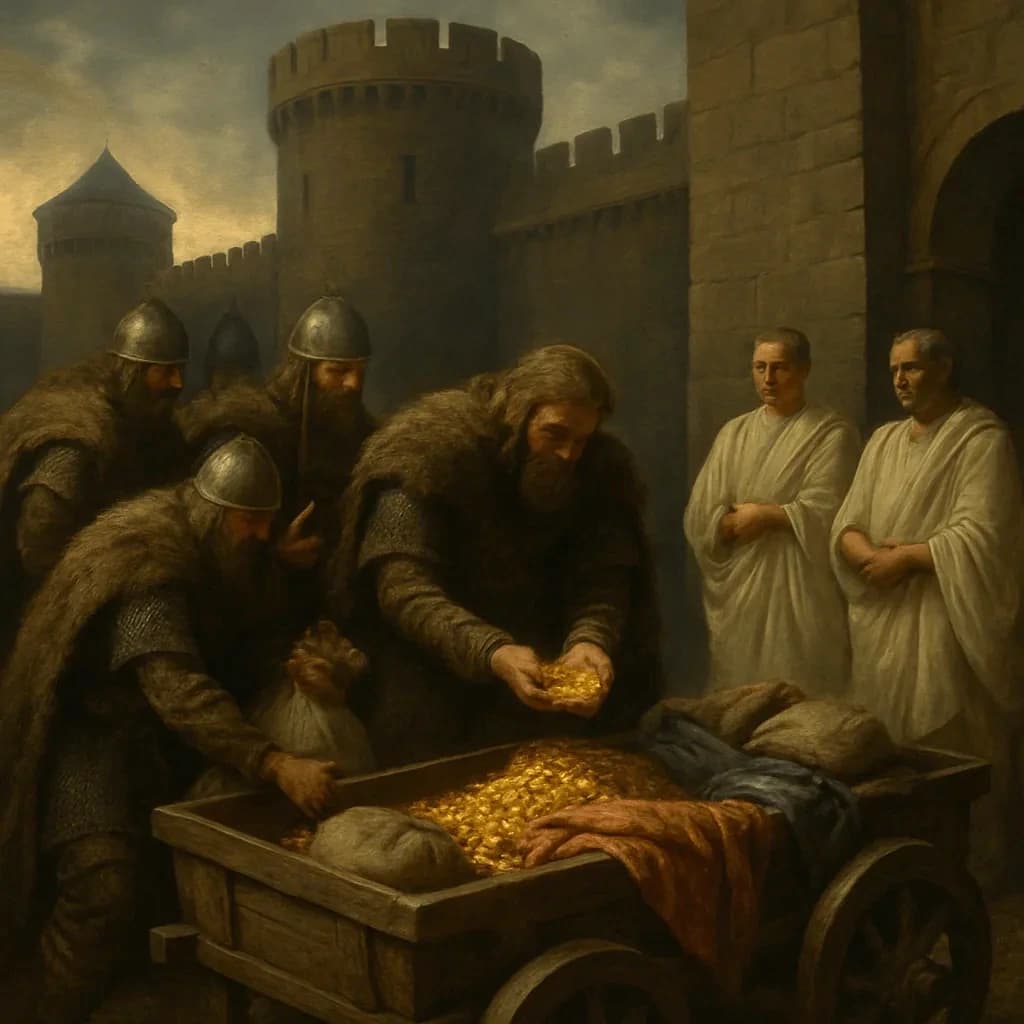
A Barbarian's Ransom Demand Accidentally Funded the Byzantine Empire
A barbarian king's ransom demand accidentally created the economic foundation of the Byzantine Empire.
- Priscus of Panium, 'Embassy to Attila' (circa 450 CE)
- Thompson, E.A. 'A History of Attila and the Huns' (Oxford University Press, 1948)
- Maenchen-Helfen, Otto J. 'The World of the Huns' (University of California Press, 1973)