
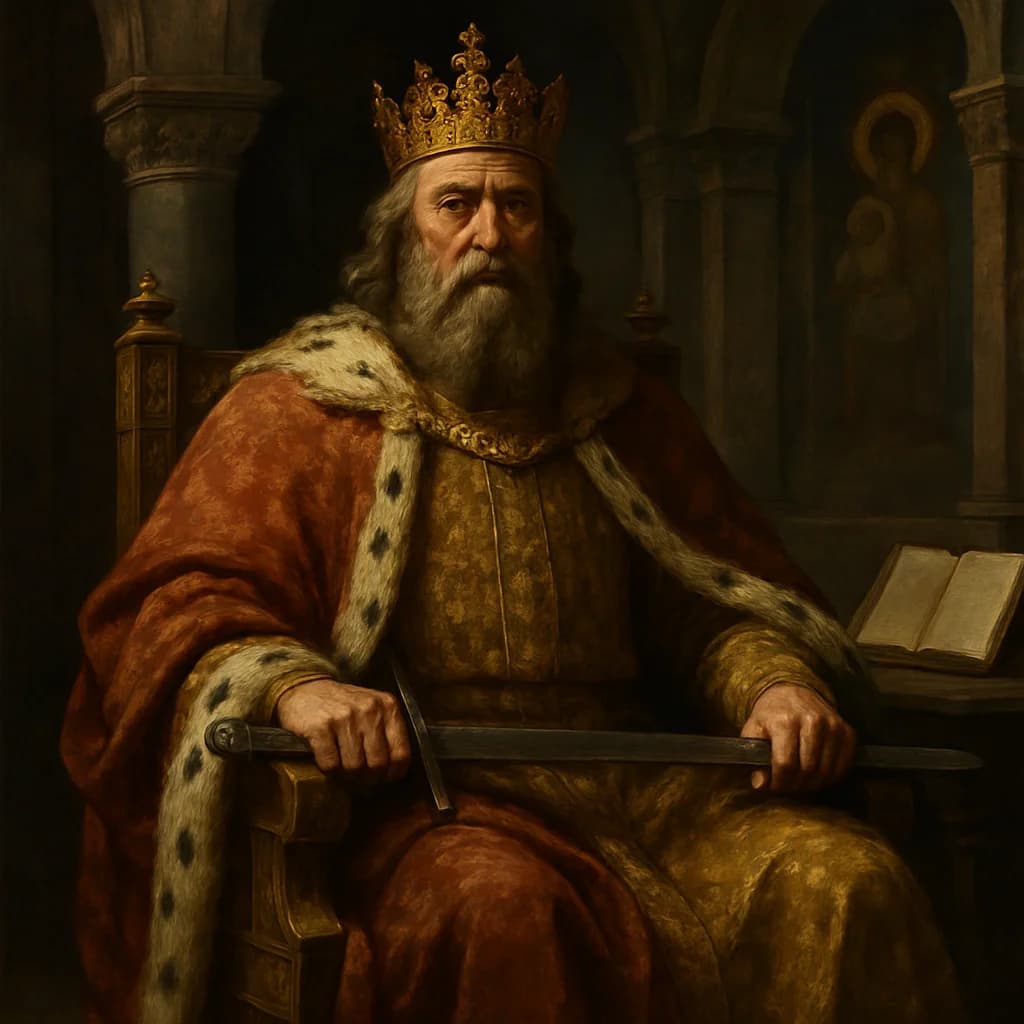
Charlemagne
The most powerful man in Europe couldn't read a word until he was thirty-five years old.
Charles the Great ruled an empire stretching from the Atlantic to the Danube, commanded armies that reshaped the map of Europe, and was crowned by the Pope himself as the first Holy Roman Emperor in 400 years. Yet every night until middle age, he practiced tracing letters with his finger under his pillow, struggling with a skill most children master by age seven.
This wasn't mere oversight. It was strategic necessity in eighth-century politics. Charlemagne's father, Pepin the Short, had seized the Frankish throne through military prowess, not birthright. The new dynasty needed legitimacy through action, not scholarship. So while Charlemagne learned to fight, hunt, and command before he could walk steadily, reading remained a luxury his world couldn't afford him. He spoke fluent Latin and understood Greek, could discuss theology with bishops and law with judges, but put a written document in front of him and the great emperor became a stuttering student.
The irony runs deeper. This illiterate king launched the greatest educational revival since Rome's fall. His palace school at Aachen attracted scholars from across Europe. He mandated that every monastery maintain a library and school. He standardized writing itself, creating the clear, readable script we call Carolingian minuscule, which became the foundation for modern lowercase letters. Charlemagne couldn't read the books in his own libraries, but he understood something more important: knowledge was power, and power required infrastructure.
When he finally learned to read in his thirties, scribes recorded that he kept writing tablets by his bed, practicing constantly. He never fully mastered writing. His signature remained shaky throughout his life. But by then, it hardly mattered. He had already built an empire on everything else.
Charlemagne was obsessed with swimming and built a massive pool at his palace in Aachen that could accommodate over 100 people at once. He would conduct meetings while floating in the water.
Why untold: Medieval sources emphasized his Christian piety and military conquests while downplaying his illiteracy, which seemed incompatible with his role as defender of learning and civilization.
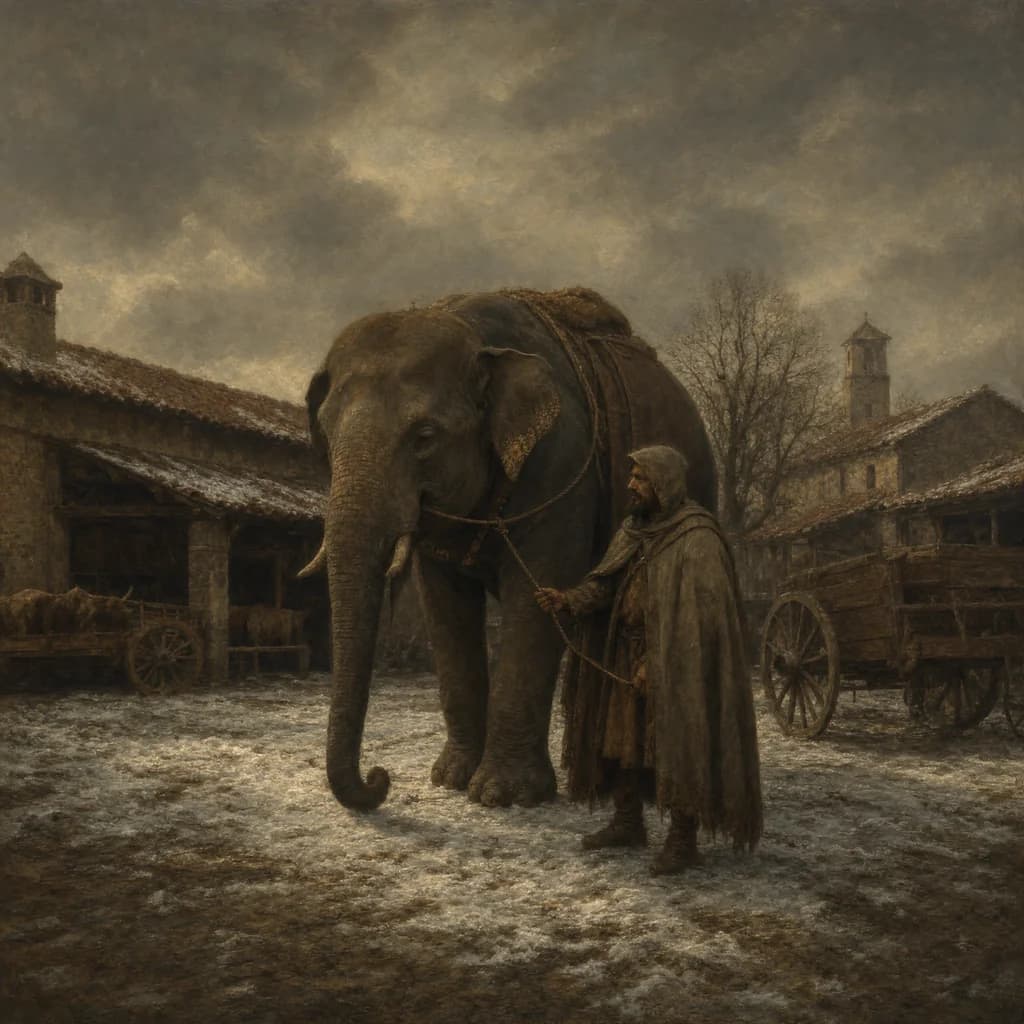
Two Envoys Died. The Third Delivered an Elephant.
Charlemagne sent three envoys east to the caliph. One came back, and he was leading an elephant.
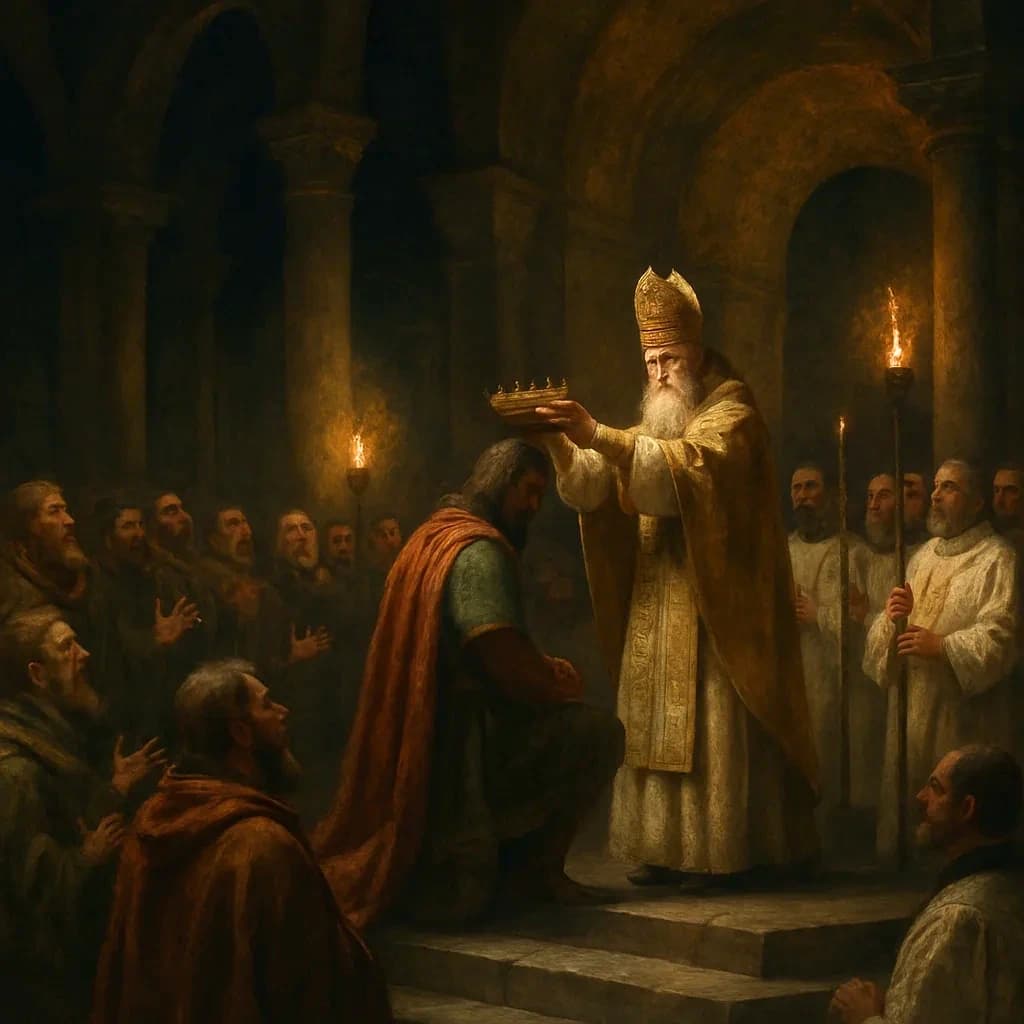
Charlemagne Said He Never Wanted the Crown
Charlemagne was crowned emperor of the West in 800 AD, and he later claimed it was the last thing he wanted.
The Fake Document That Built the Papal States
A medieval land grant that shaped the political map of Europe for centuries was a forgery, and everyone who mattered knew it.
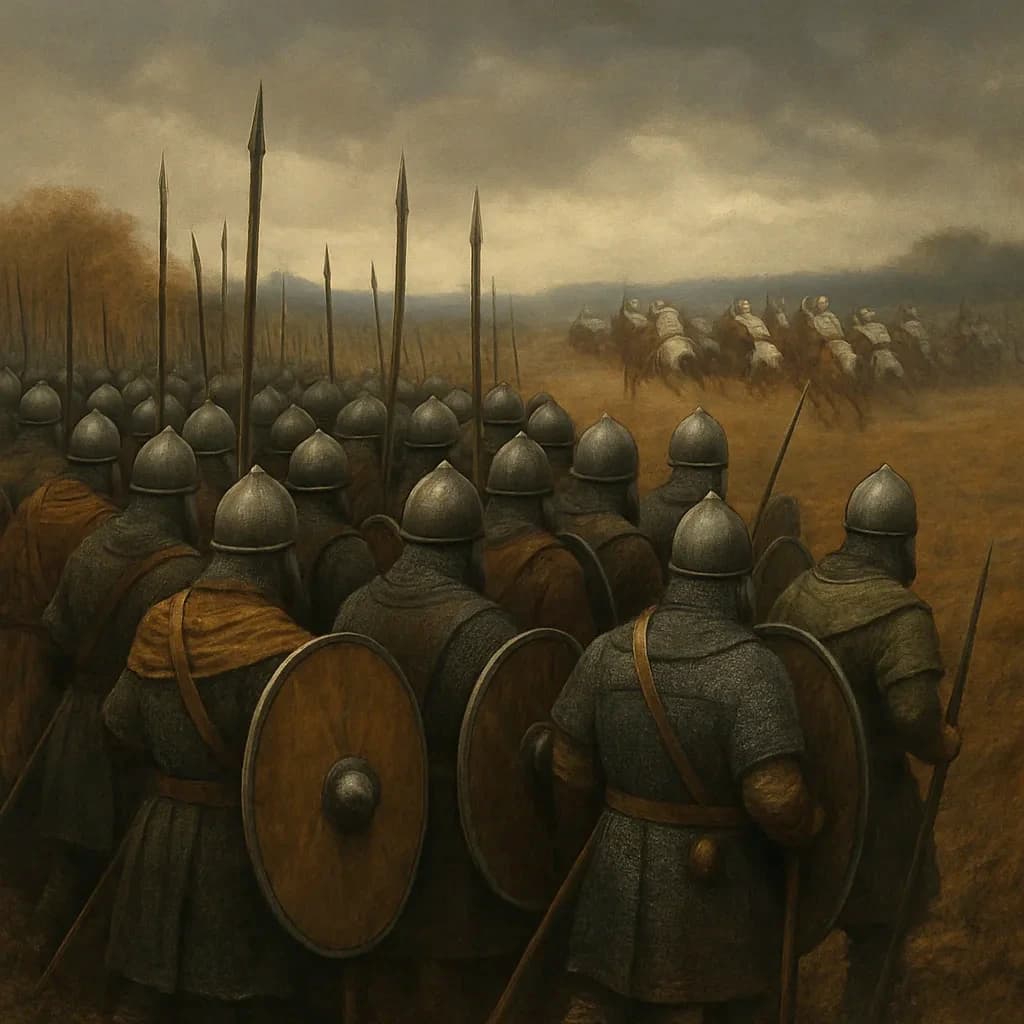
From Pig Yard to the Battle for Europe
A fourteen-year-old orphan working as a pig-keeper made a decision that determined which language half of Europe would speak for the next thousand years.
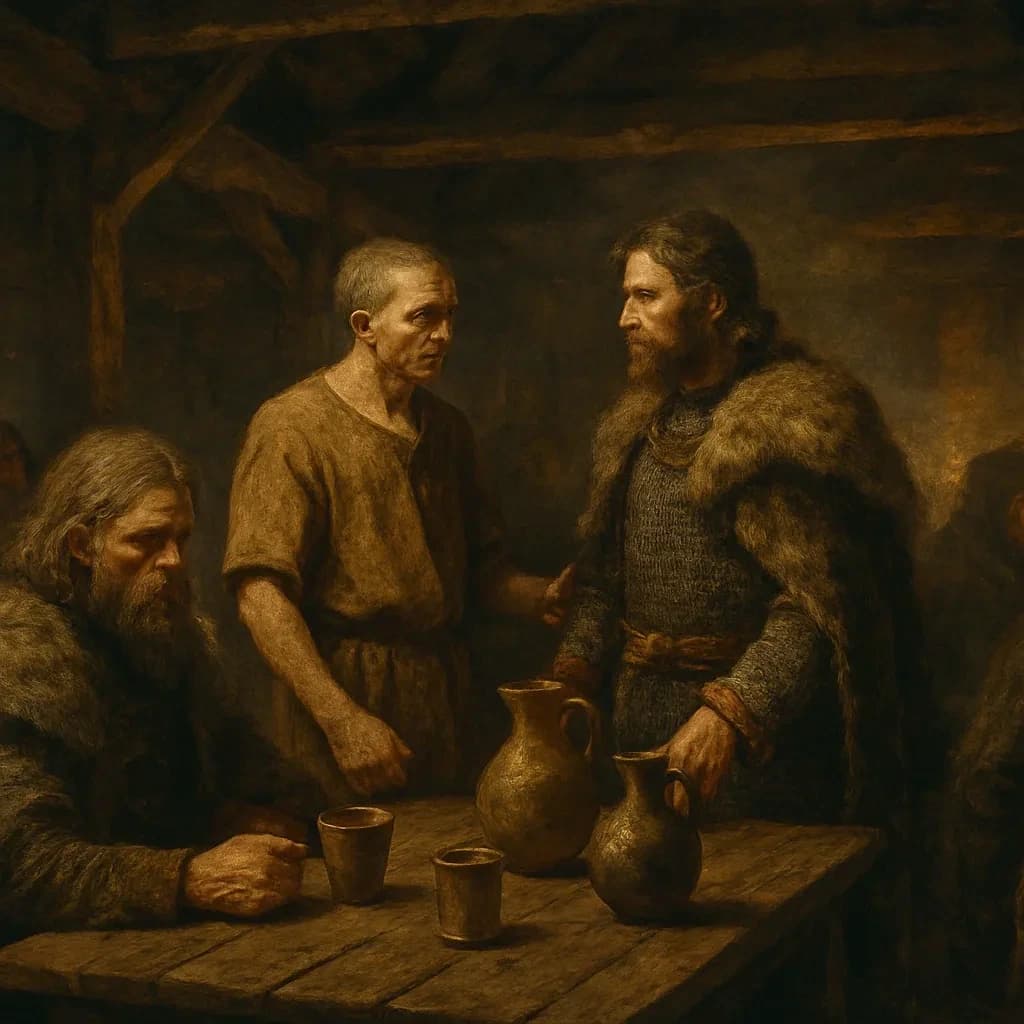
How a Forgiven Tavern Bill Built Feudal France
A tavern owner in Roman Gaul let one customer walk out without paying, and set medieval France in motion.
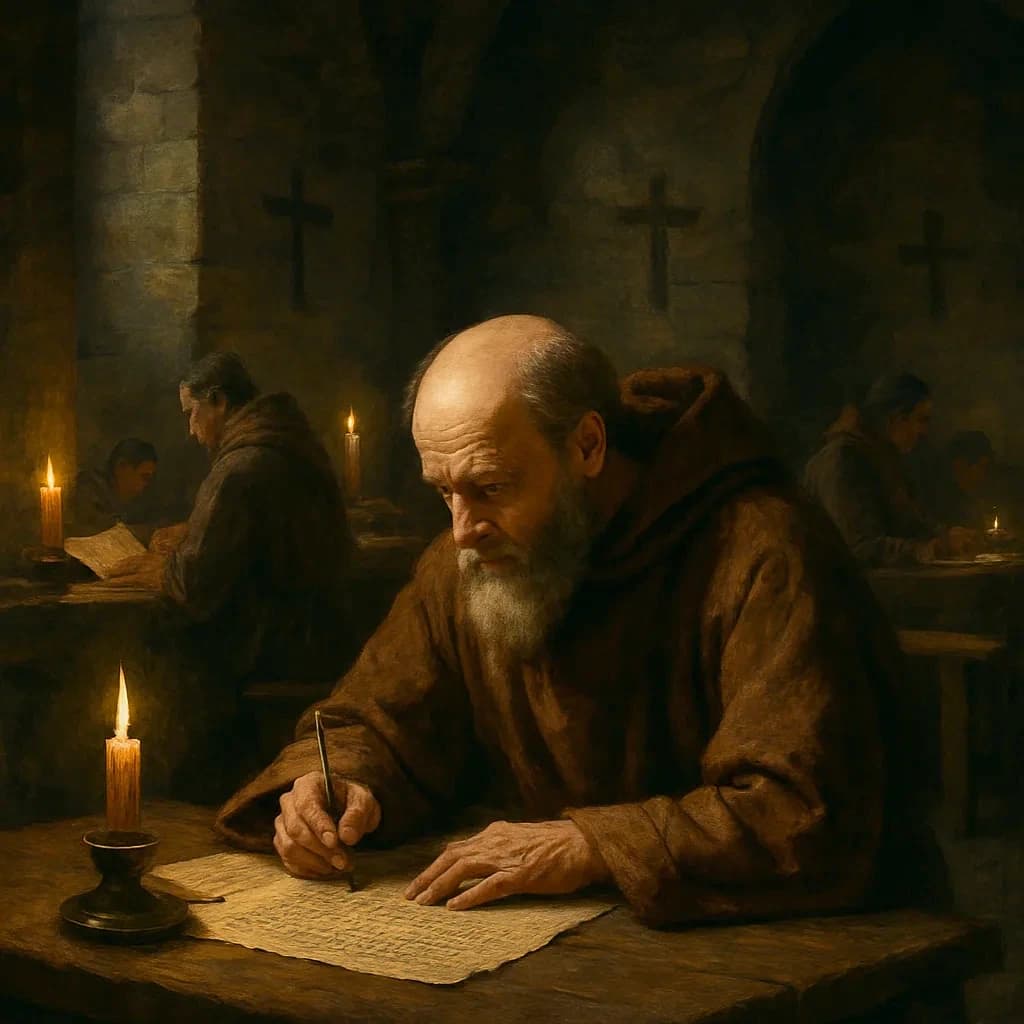
A Monk's Math Error Became the World's Calendar
When a sixth-century monk made an arithmetic error while calculating Easter, he accidentally created the calendar system that would rule the world for fifteen hundred years.
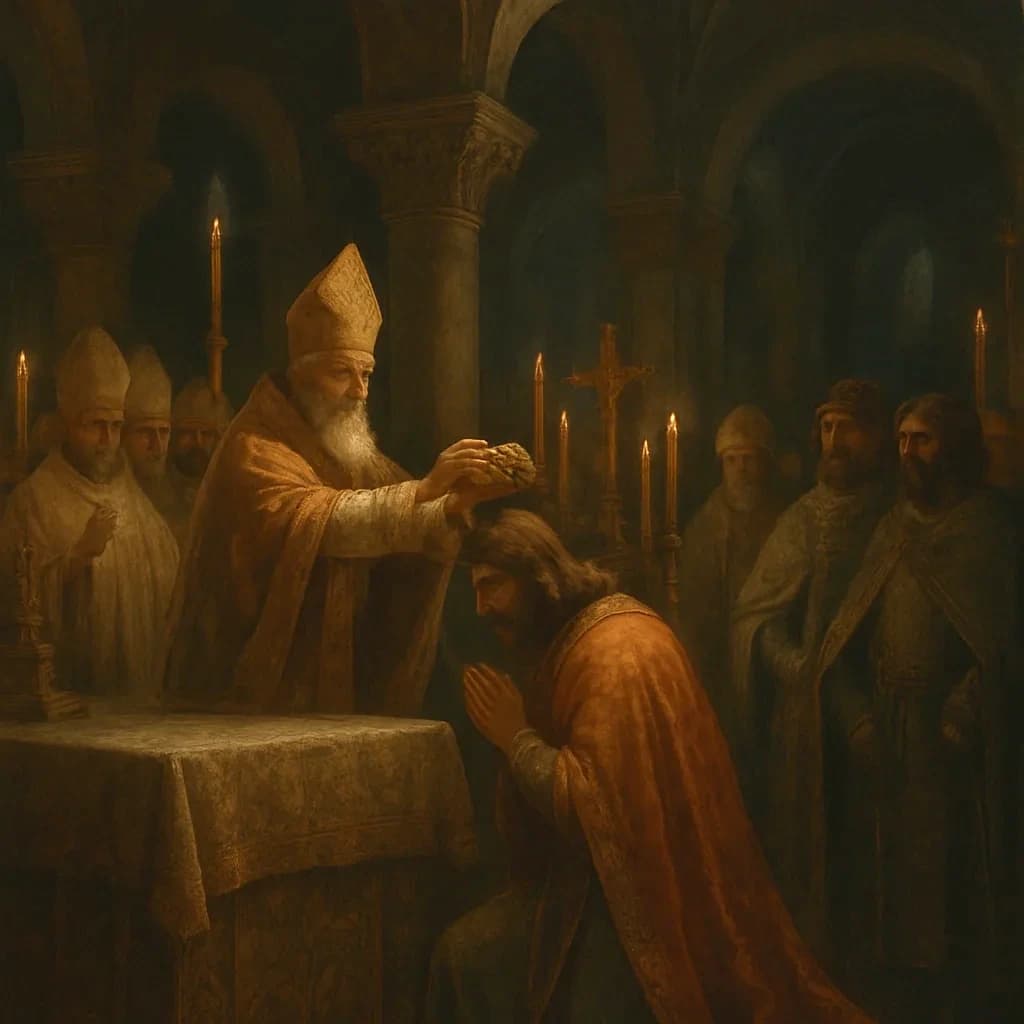
Charlemagne Came to Dinner and Left an Emperor
Invited to Rome as an ally, a minor Frankish nobleman accepted a dinner invitation and walked out as the founder of the Holy Roman Empire.
- Einhard, Vita Karoli Magni (Life of Charlemagne), c. 830
- Pierre Riché, The Carolingians: A Family Who Forged Europe, 1993
- Rosamond McKitterick, Charlemagne: The Formation of a European Identity, 2008