
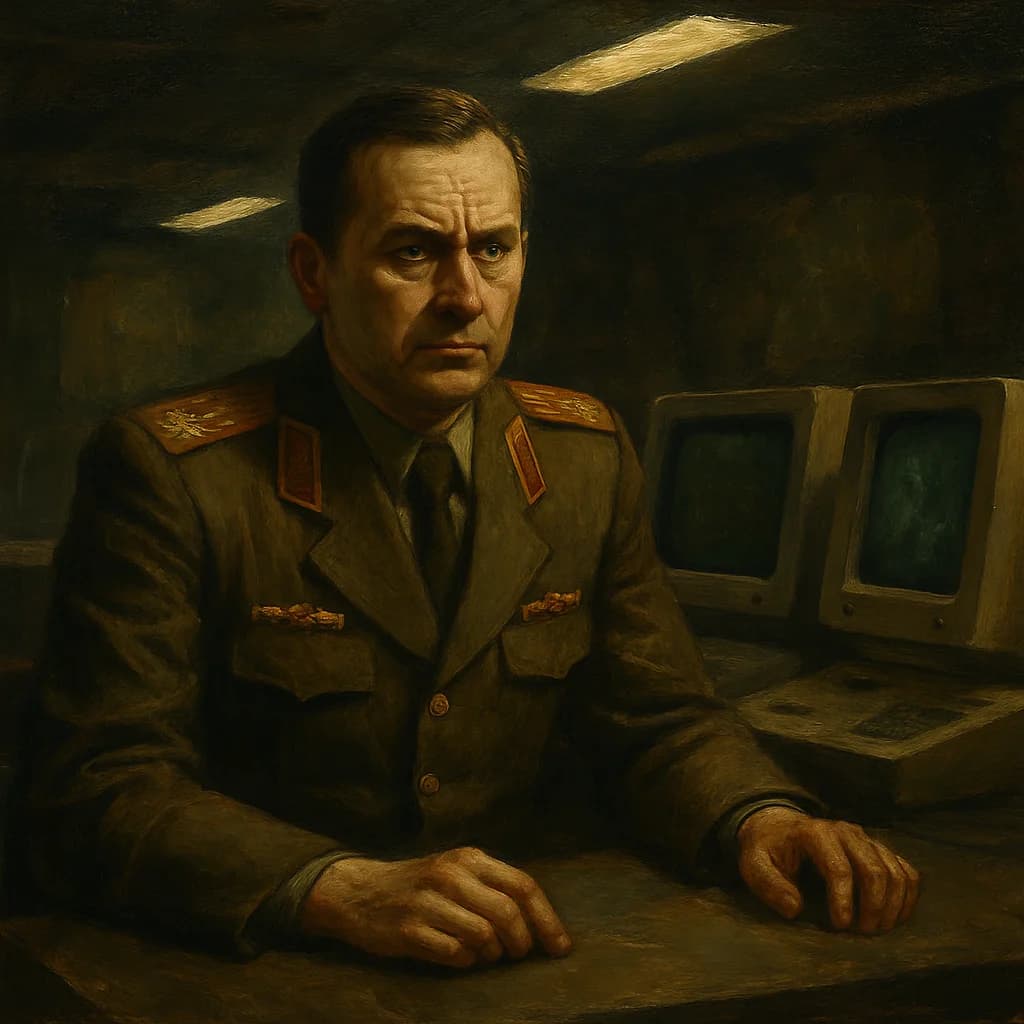
Stanislav Petrov
The man who saved the world was demoted for it.
On September 26, 1983, Lieutenant Colonel Stanislav Petrov sat in a bunker beneath Moscow, watching computers that could end human civilization. When the early warning system screamed that five American missiles were racing toward Soviet soil, military protocol demanded he immediately alert his superiors. The chain reaction would be unstoppable: Soviet missiles would launch, America would retaliate, and hundreds of millions would die. Instead, Petrov did nothing.
His reasoning wasn't heroic intuition. It was bureaucratic skepticism. A real American first strike would involve hundreds of missiles, not five. The system was new and glitchy. And Petrov, an engineer by training, trusted his technical judgment over his orders. He reported the alarm as a malfunction and watched the minutes tick by, waiting to see if Moscow would vaporize. It didn't.
The Soviet military didn't thank him. They quietly transferred Petrov out of the early warning division and pressured him into early retirement. His decision had exposed the fallibility of their billion-ruble defense system. There were no medals, no commendations, no acknowledgment that a middle-aged engineer had single-handedly prevented nuclear war. Petrov returned to his small apartment outside Moscow and said nothing about September 26th for years.
The world only learned his name in 1998, when a retired Soviet general mentioned the incident to Western journalists. By then, Petrov was living on a pension of $200 a month, growing potatoes in his garden. When reporters finally tracked him down, they found not a celebrated hero but a forgotten man who still wasn't entirely sure he'd made the right choice. "I was just doing my job," he said, in the understatement of the century.
Petrov's computer training probably saved the world. He was one of the few officers who understood the early warning system well enough to doubt it.
Why untold: The Soviet Union classified the incident for fifteen years to avoid admitting their defense systems were fallible.
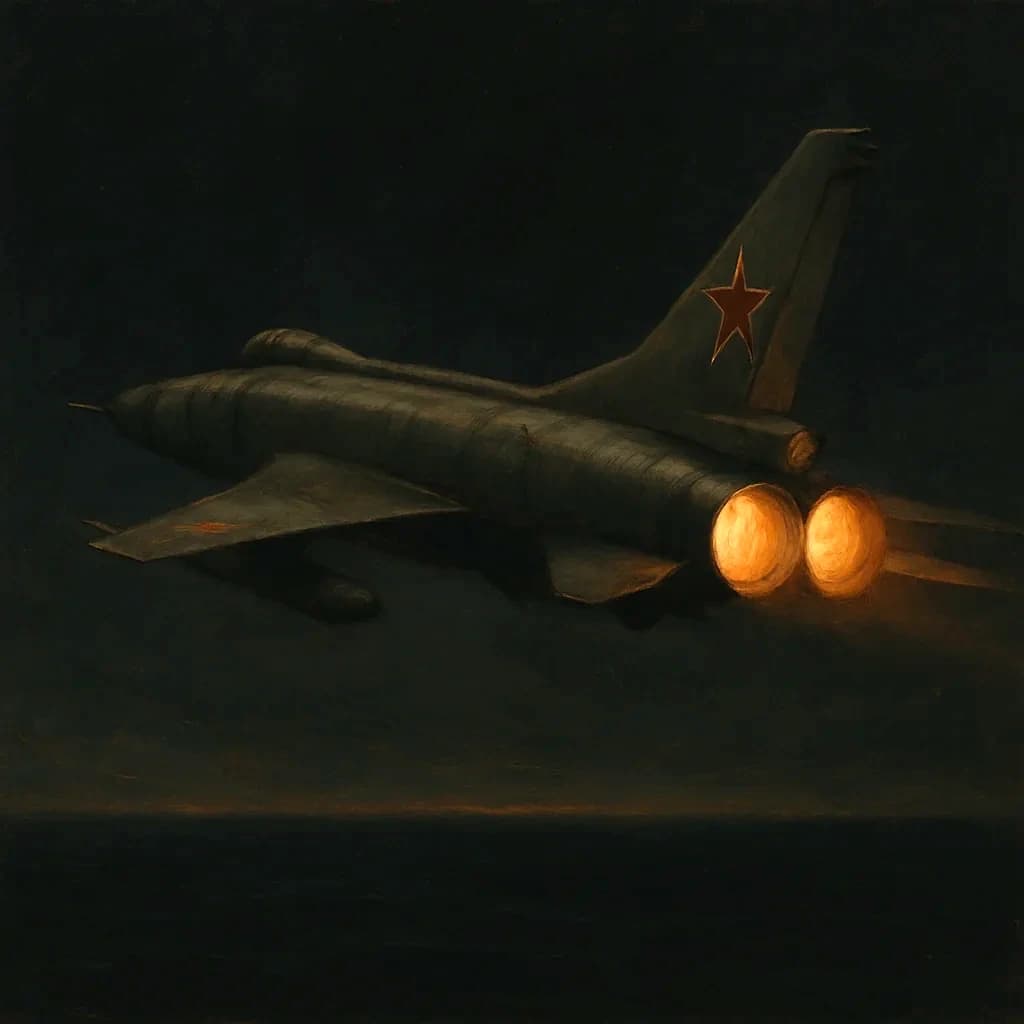
He Shot Down 269 Civilians on Orders
A Soviet fighter pilot got an order in 1983: shoot down a passenger jet. He did. What nobody told him was that he'd started a chain of events that would nearly end the Cold War, and that the man sent to stop it would do so by going completely insane.
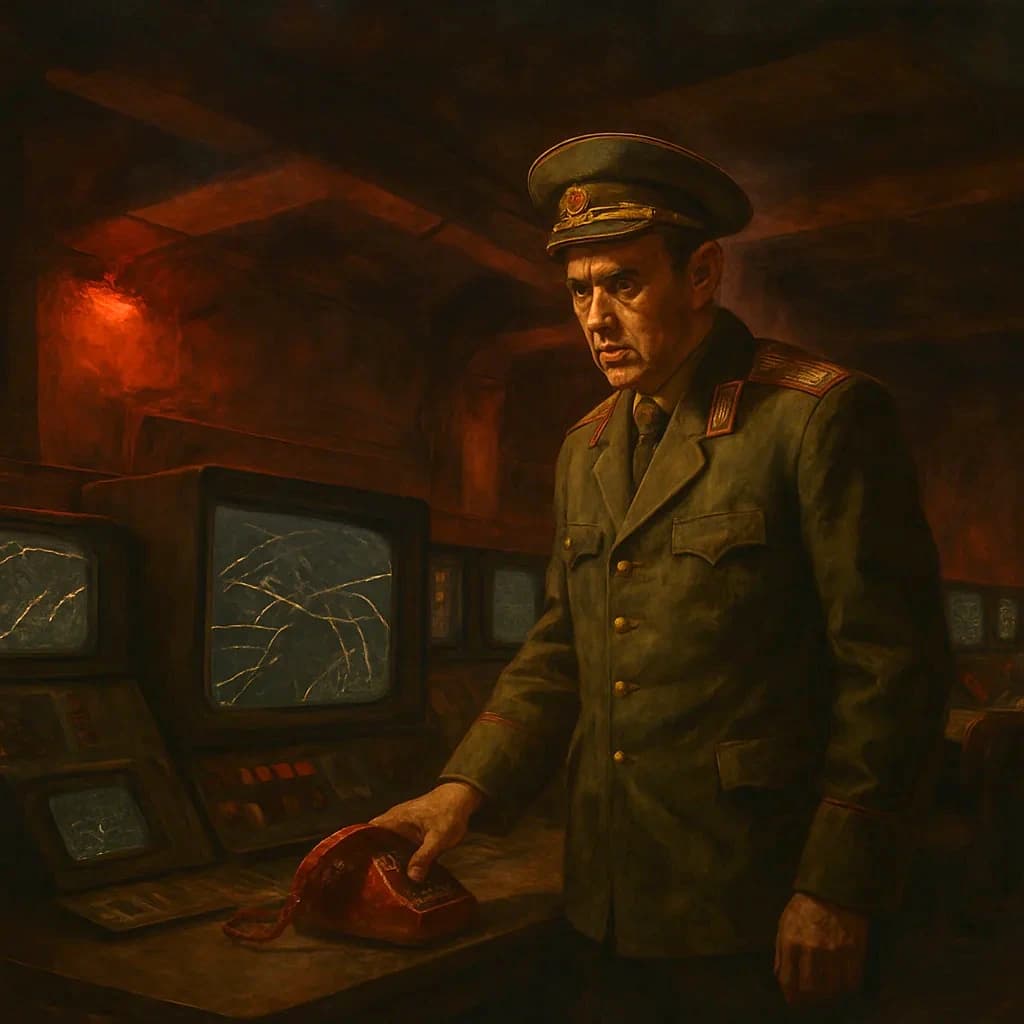
A Polish Janitor's Funeral Decision Saved 200 Million Lives
A Polish janitor's last-minute decision in September 1983 prevented the deaths of 200 million people.
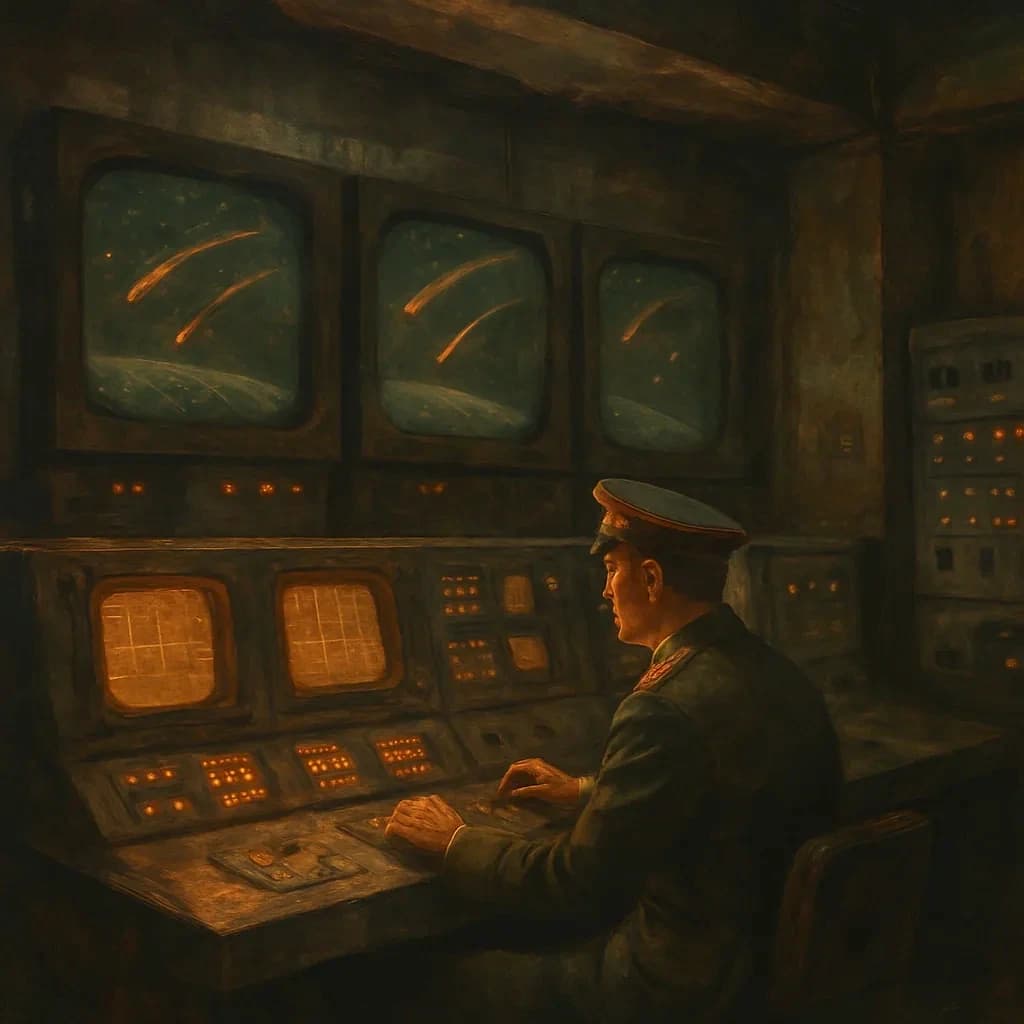
He Told Moscow the Nuclear Alert Was a Lie
A Soviet lieutenant colonel sat before a computer screen in September 1983 showing five American missiles heading straight for Russia, and decided not to tell anyone.
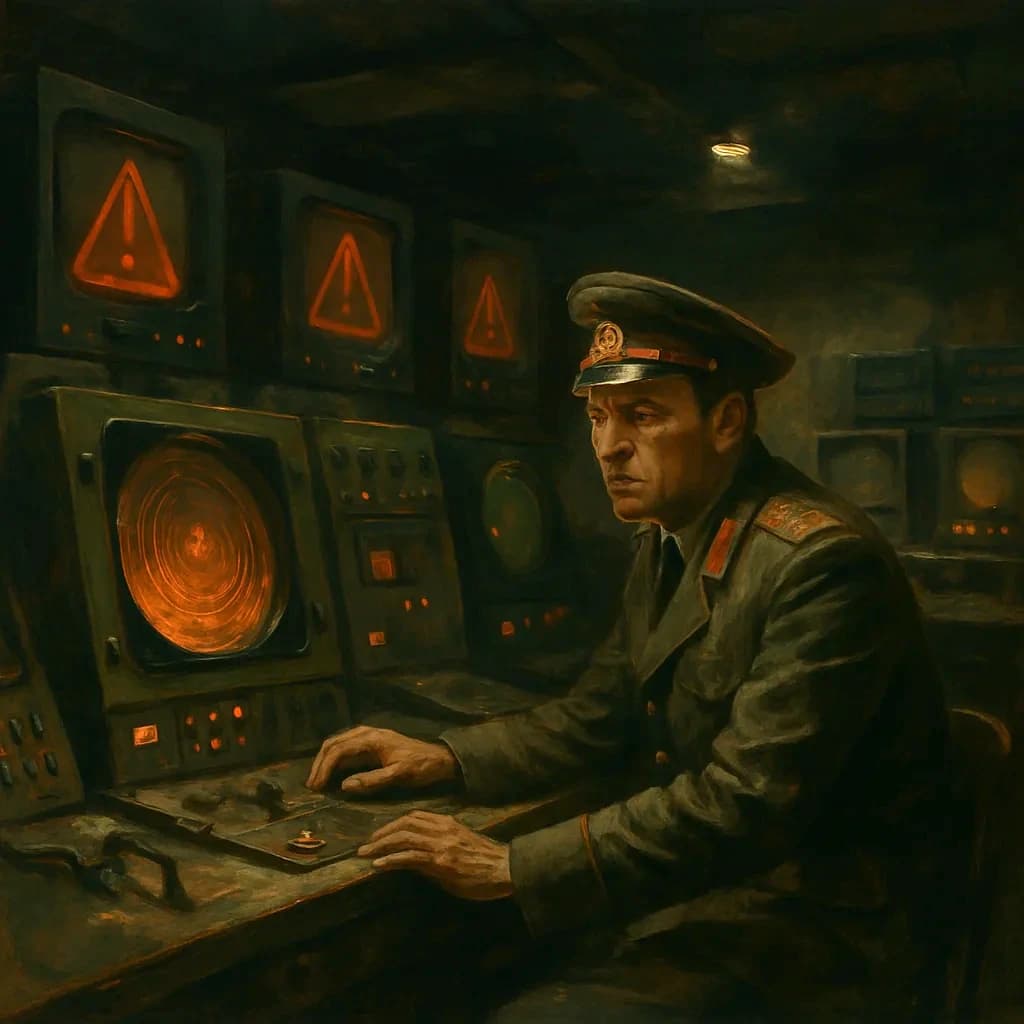
The Man Who Said No to Nuclear War
On September 26, 1983, one Soviet officer's decision to distrust his computers may have saved human civilization.
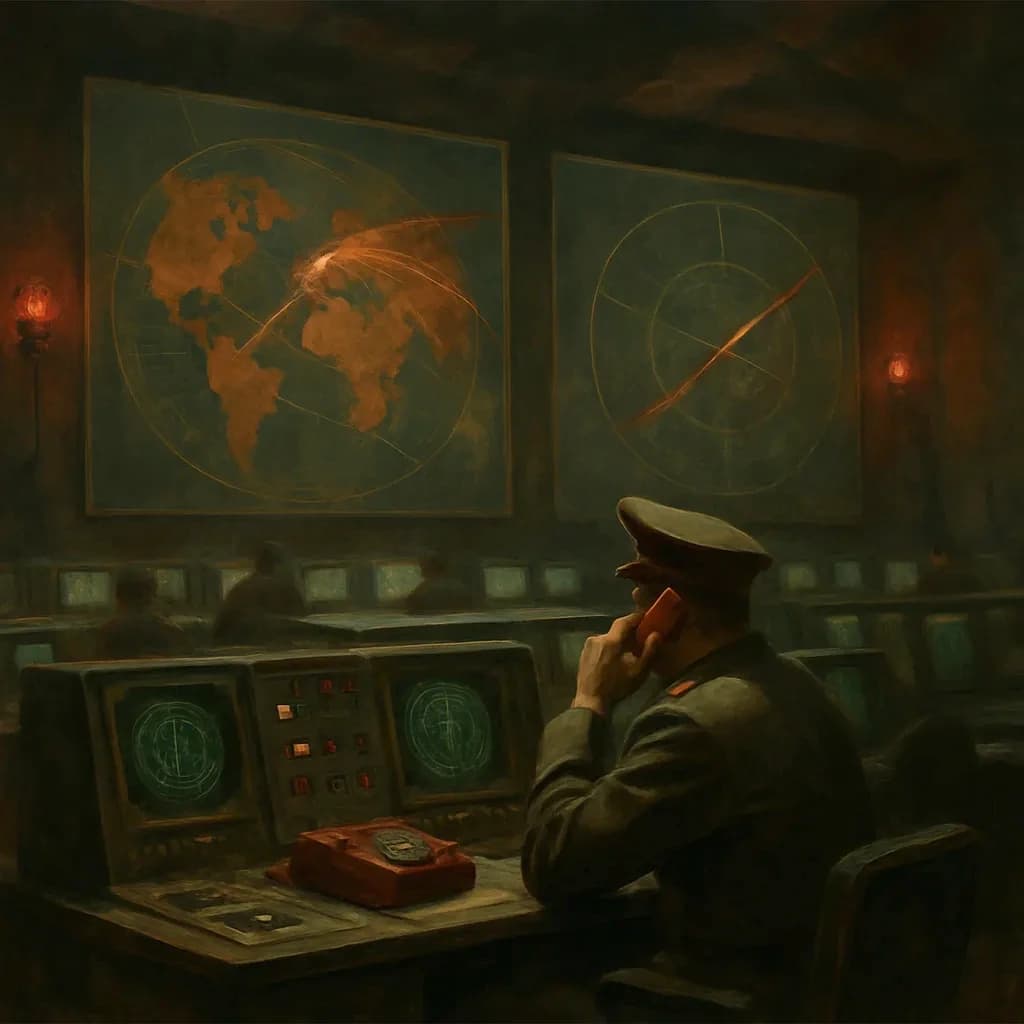
The Soviet Officer Who Said No to Nuclear War
On September 26, 1983, one man's decision not to report a computer alarm prevented World War III.
- Hoffman, David E. The Dead Hand: The Untold Story of the Cold War Arms Race and Its Dangerous Legacy. Doubleday, 2009.
- BBC News. 'Stanislav Petrov: The man who may have saved the world.' 26 September 2013.
- Aksenov, Pavel. 'Stanislav Petrov: The man who saved the world by doing... nothing.' BBC Russian Service, 19 September 2017.