
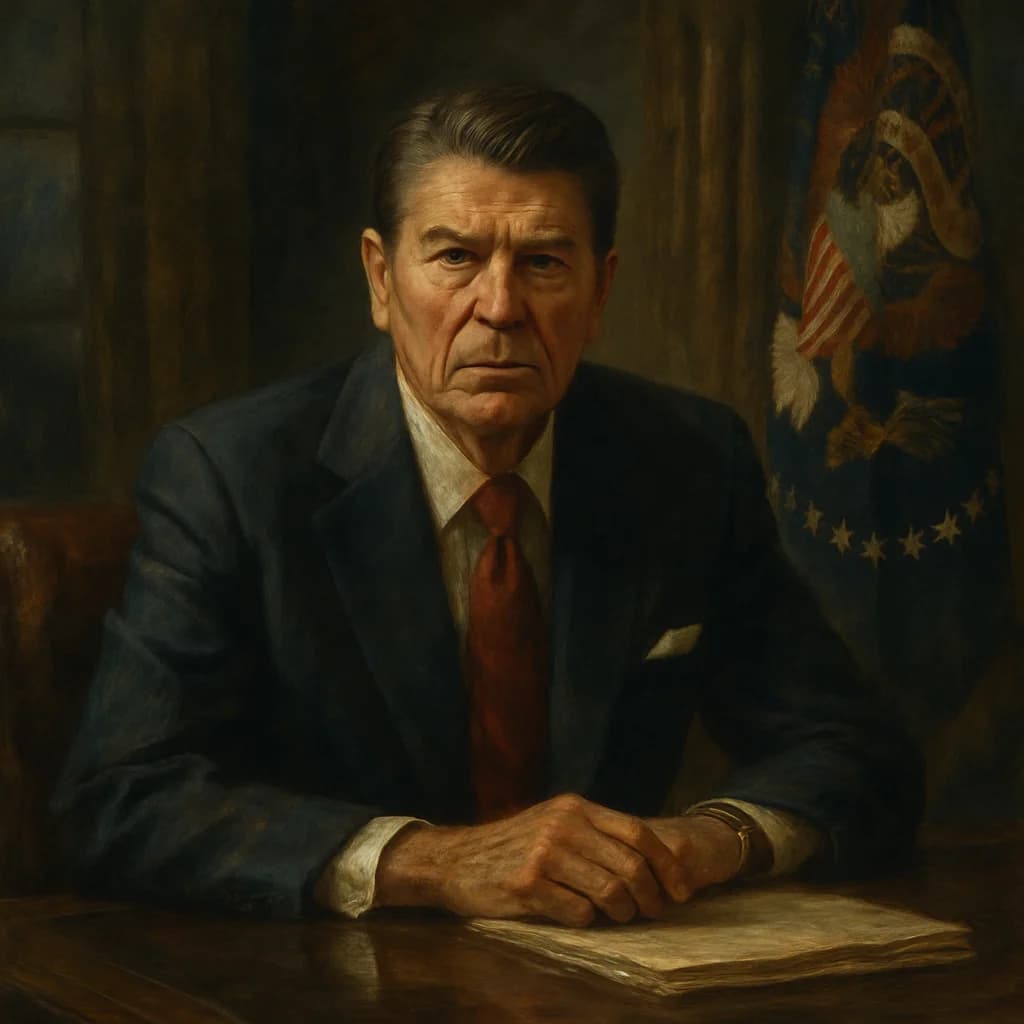
Ronald Reagan
The Hollywood actor who became president spent his White House years obsessed with a single, terrifying question: what if the nuclear warning systems were wrong?
Ronald Reagan arrived at the presidency in 1981 carrying an unexpected burden: genuine terror of nuclear weapons. This was the same man who'd campaigned on military strength and faced down the Soviet Union, yet he privately confessed to his diary that the thought of nuclear war gave him nightmares. The contradiction ran deeper than political theater.
His fixation began with a 1979 visit to NORAD's Cheyenne Mountain complex, where military officials walked the governor through their early warning systems. Reagan left shaken, not by Soviet capabilities, but by the realization that a handful of people staring at computer screens held civilization in their hands. "How do we know the computers are right?" he kept asking his aides, a question that would haunt his presidency.
This fear drove Reagan's most radical proposal: the Strategic Defense Initiative, dismissed by critics as "Star Wars." But Reagan wasn't playing politics. He genuinely believed that if America could shoot down incoming missiles, nuclear weapons would become obsolete. His advisors thought it impossible; his opponents called it destabilizing. Reagan didn't care. He'd rather spend billions trying to defend against nuclear attack than continue living with the mutual suicide pact of deterrence.
The supreme irony came in September 1983, when Soviet officer Stanislav Petrov chose not to report what appeared to be incoming American missiles, exactly the kind of computer error Reagan had worried about for years. Neither man knew of the other's existence, yet Petrov's decision validated Reagan's deepest fears about the fragility of nuclear peace. The actor-turned-president had been right to lose sleep over machines and the people who watched them.
Reagan kept a private diary throughout his presidency and wrote in it nearly every day, producing over 5,000 pages that revealed his genuine fear of nuclear weapons and frequent frustration with his own advisors' casual acceptance of deterrence theory.
Why untold: Reagan's public image as a hawkish Cold Warrior overshadowed his private obsession with the dangers of nuclear early warning systems and his genuine desire to eliminate nuclear weapons entirely.
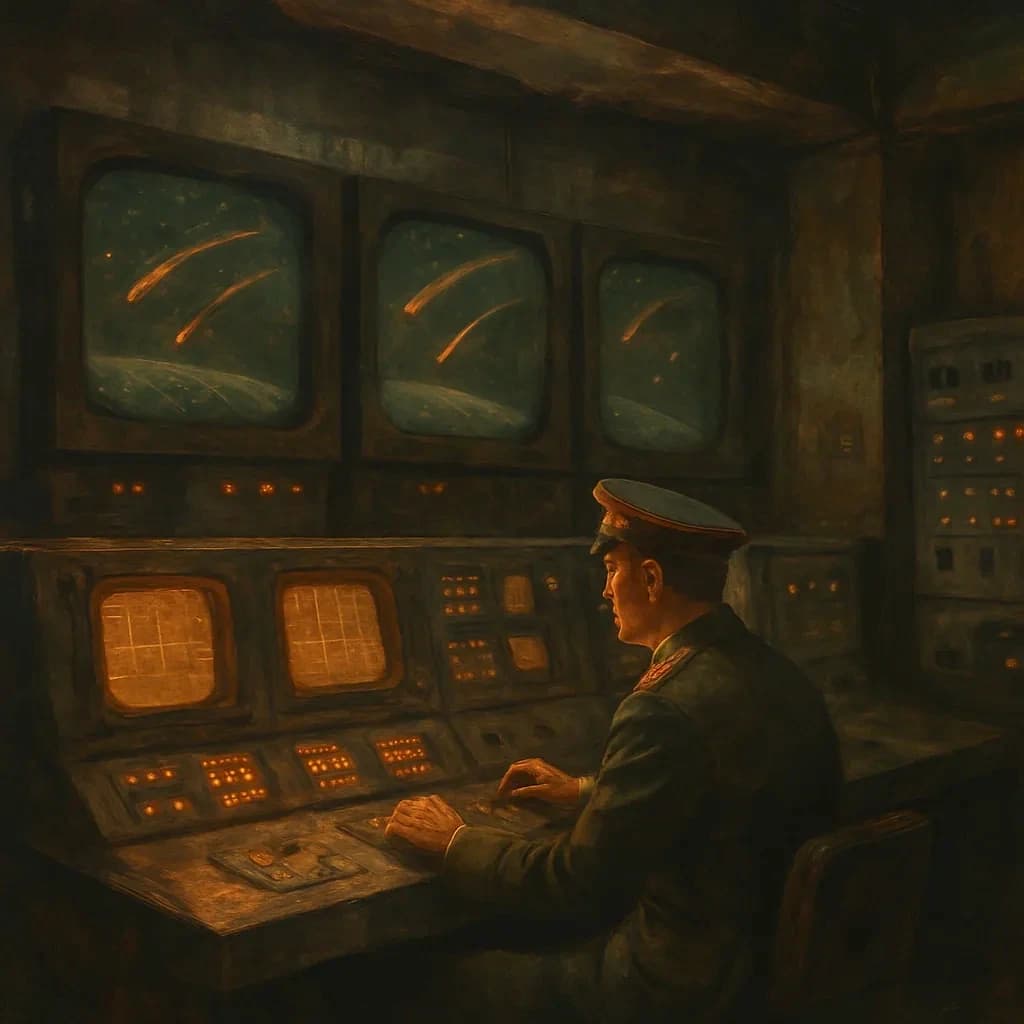
He Told Moscow the Nuclear Alert Was a Lie
A Soviet lieutenant colonel sat before a computer screen in September 1983 showing five American missiles heading straight for Russia, and decided not to tell anyone.
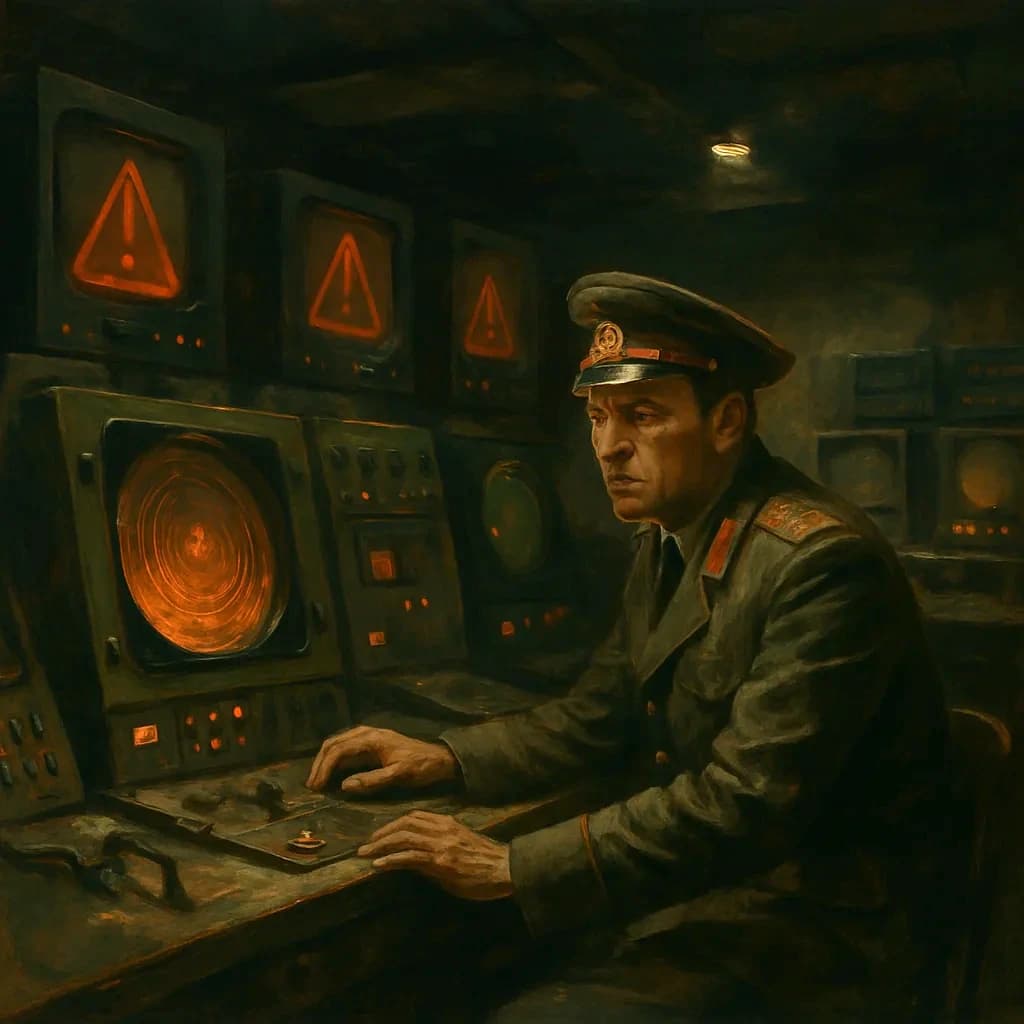
The Man Who Said No to Nuclear War
On September 26, 1983, one Soviet officer's decision to distrust his computers may have saved human civilization.
- The Reagan Diaries edited by Douglas Brinkley (2007)
- Reagan: An American Life by Ronald Reagan (1990)
- The Dead Hand by David E. Hoffman (2009)