
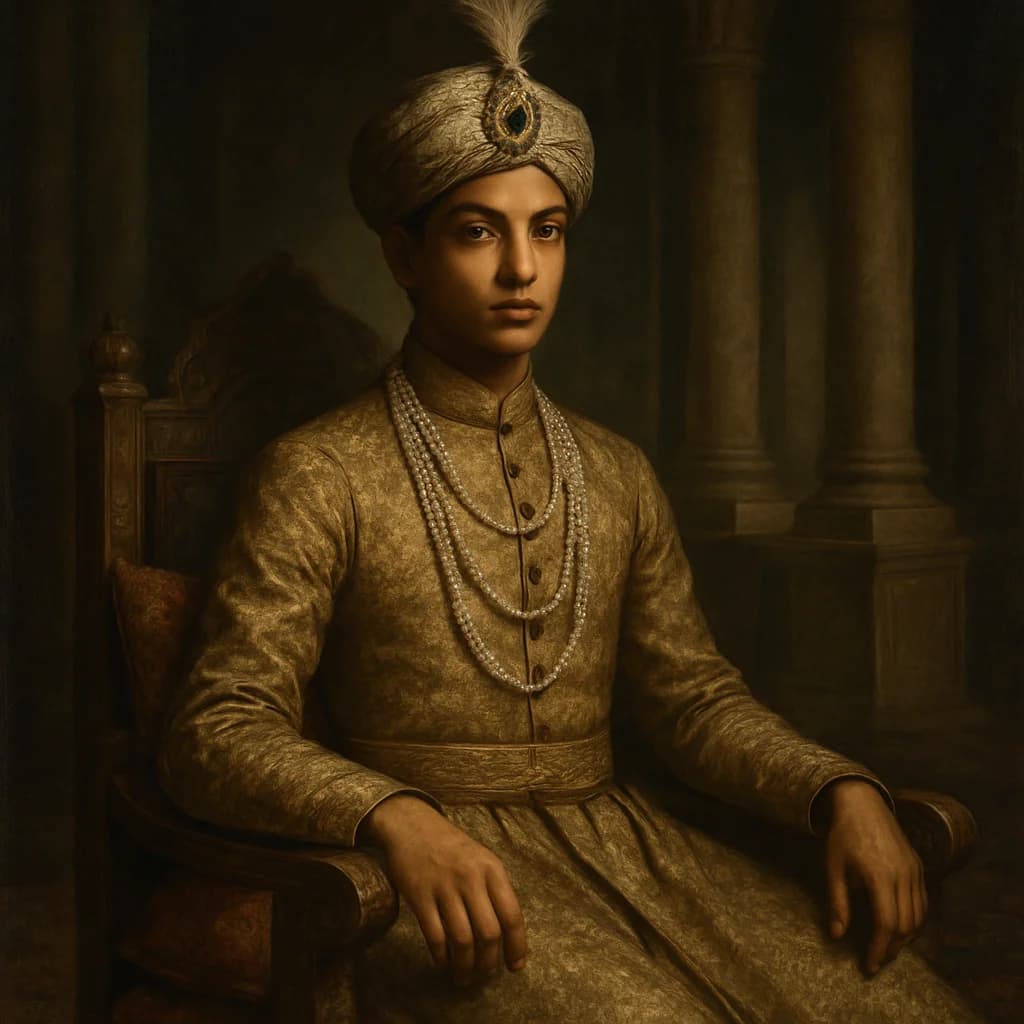
Siraj ud-Daulah
The last independent ruler of Bengal was twenty-three years old when he decided to take on the world's most powerful corporation, and almost won.
Siraj ud-Daulah inherited the throne of Bengal in April 1756, becoming one of the wealthiest rulers on earth overnight. Bengal's textile exports alone generated more revenue than most European kingdoms, and the young Nawab controlled trade routes that connected China to Europe. Yet within fourteen months, he would be dead and his kingdom would belong to a trading company based in London.
What's remarkable isn't that he lost. It's how close he came to winning. When the East India Company began fortifying Calcutta without permission, Siraj didn't hesitate. He marched on the city with 50,000 troops and captured it in three days. The British fled so quickly they left their dinner plates on the table. For six months, Siraj controlled all European trade in Bengal. He had eliminated the Company's military presence and negotiated from a position of absolute strength.
The fatal mistake wasn't military. It was trusting his own people. Siraj's commander-in-chief, Mir Jafar, had been secretly negotiating with Robert Clive for months. At the Battle of Plassey in June 1757, Mir Jafar simply ordered his troops not to fight. With most of his army standing idle on the battlefield, Siraj's remaining forces were overwhelmed. He fled north, was captured by Mir Jafar's son, and murdered that same night.
History remembers Plassey as the beginning of British rule in India, but it was really a corporate coup executed by a handful of merchants with no government backing. Siraj had defeated the British military; he couldn't defeat British money. The Company had simply bought his generals.
Siraj ud-Daulah's treasury contained more gold and silver than the entire annual revenue of the British government, making Bengal wealthier than Britain itself in 1756.
Why untold: Colonial historians portrayed him as a cruel despot to justify the takeover, while his youth and brief reign meant fewer monuments and less documentation survived.
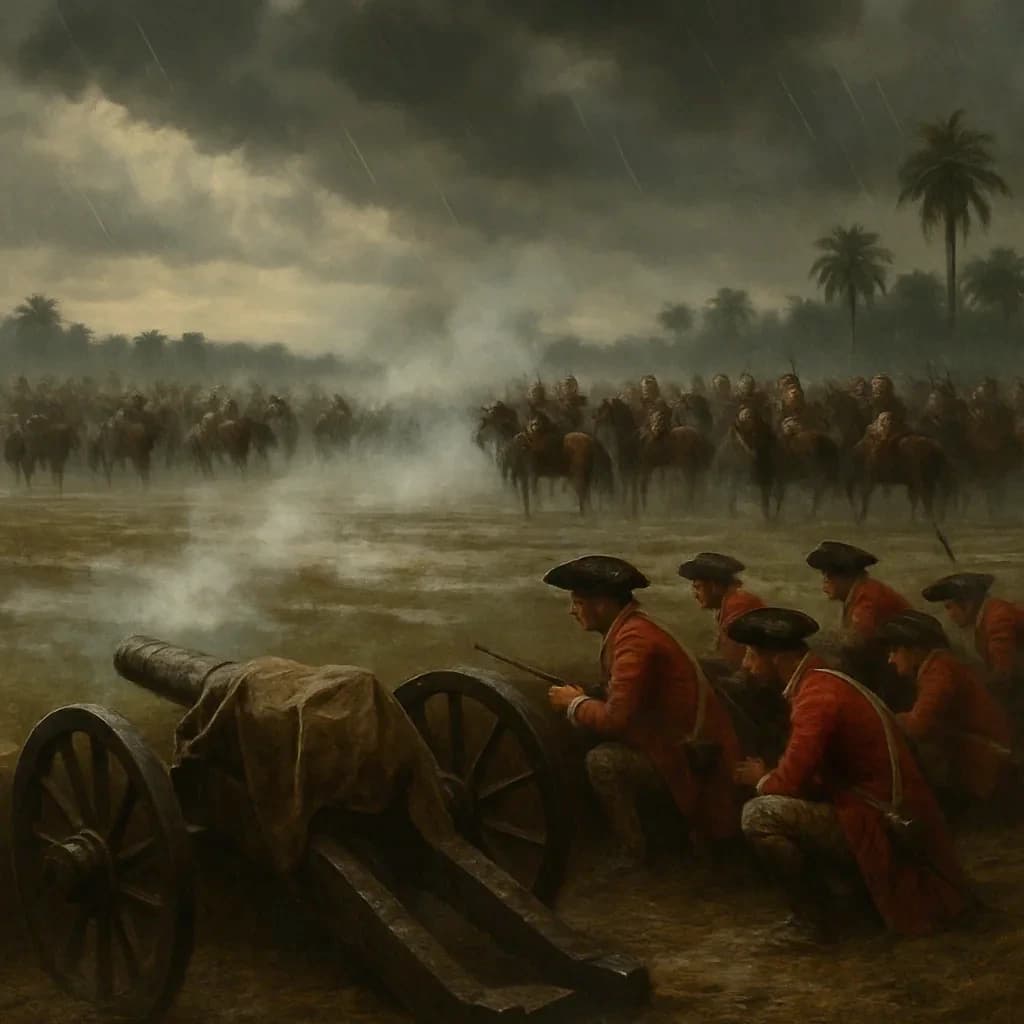
One Monsoon Ambush Handed India to a Trading Company
A single monsoon ambush didn't just kill a man. It ended two centuries of Mughal dominance and handed India to a trading company.
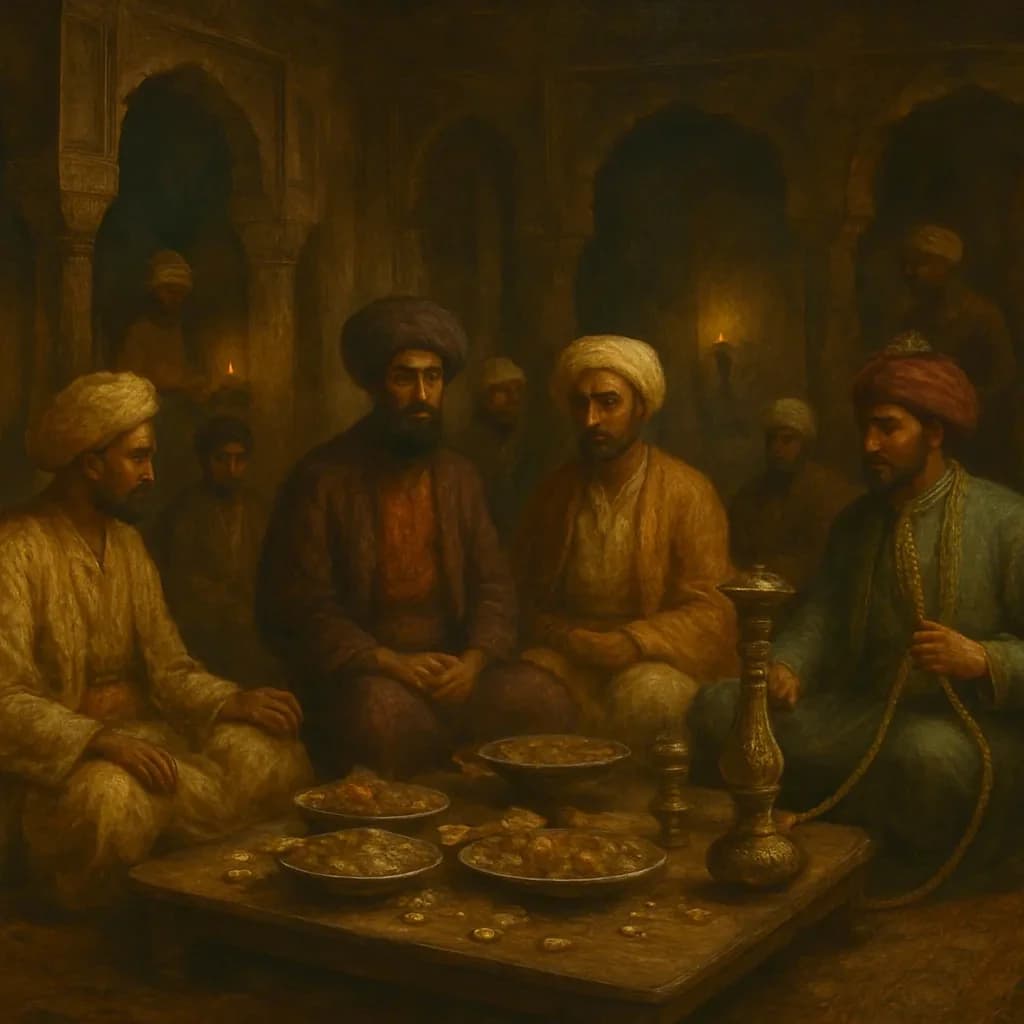
One Dinner That Handed Bengal to London
A single merchant's meal in Calcutta changed the ownership of an entire subcontinent.
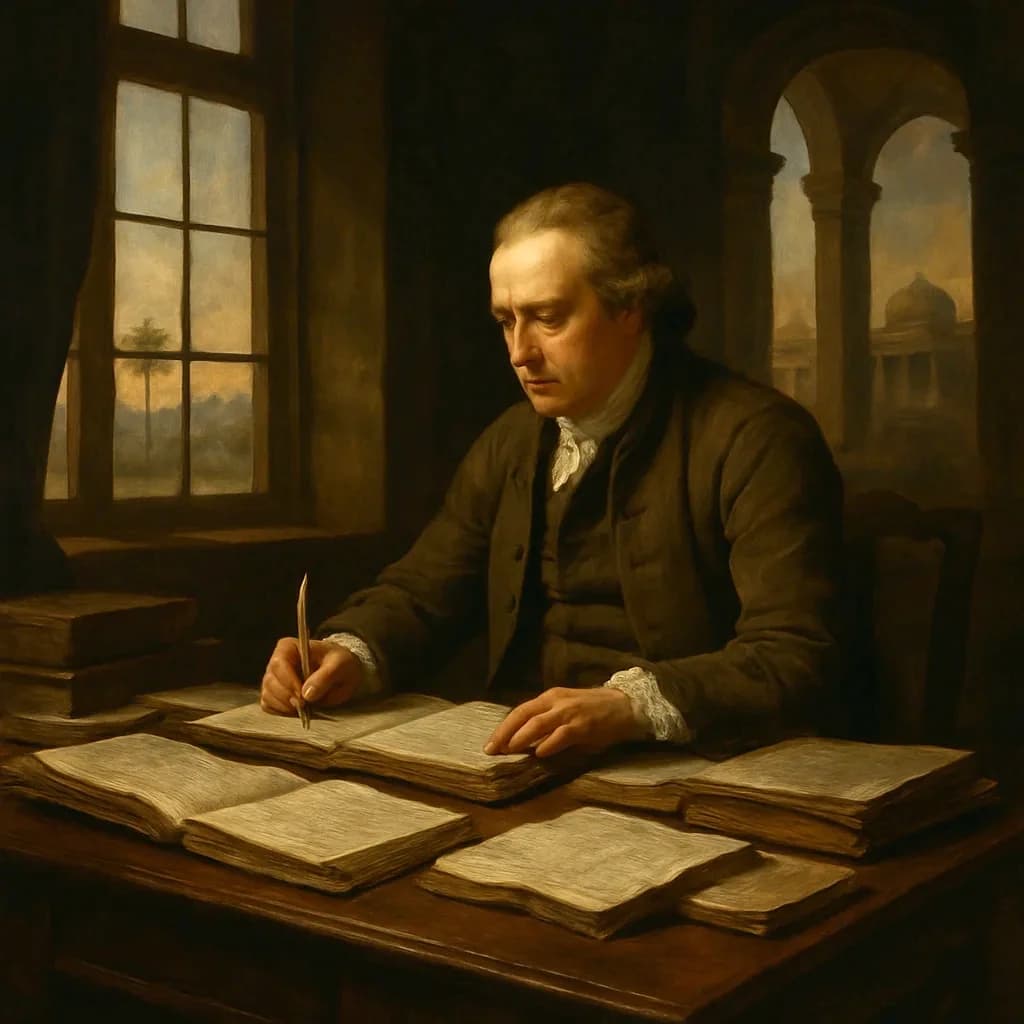
How a Trading Company Foreclosed on India
A failed silk merchant's bad debt became the blueprint for corporate colonialism.
- William Dalrymple, The Anarchy: The Relentless Rise of the East India Company (2019)
- P.J. Marshall, Bengal: The British Bridgehead, Eastern India 1740-1828 (1987)
- Nirad C. Chaudhuri, Clive of India (1975)