
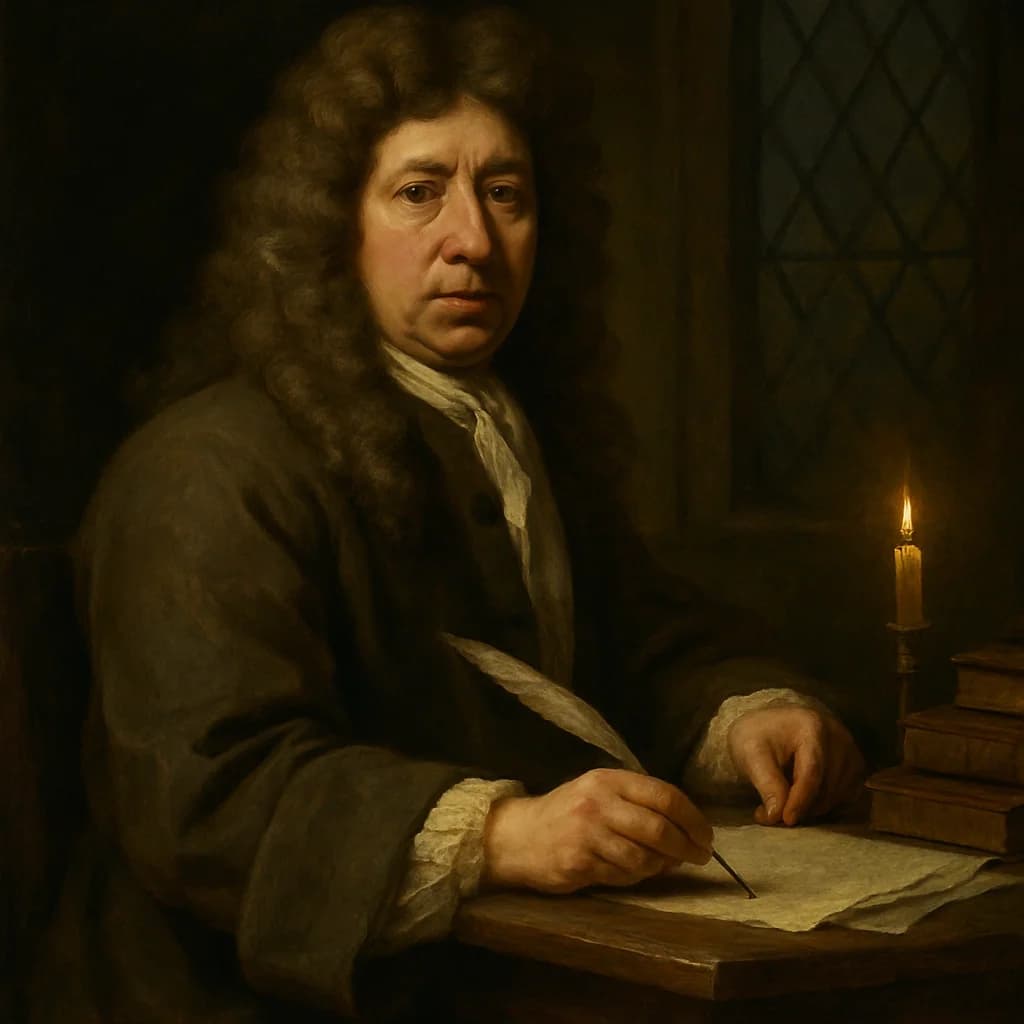
Samuel Pepys
The man who saved modern English from extinction wrote his most famous work in a secret code that took two centuries to crack.
Samuel Pepys spent nine years writing what would become the most important diary in English literature, yet he never intended anyone to read it. Every night from 1660 to 1669, this ambitious civil servant recorded his thoughts in Thomas Shelton's shorthand system, a cipher so obscure that when his six leather-bound volumes surfaced at Cambridge in 1825, scholars assumed they contained ship manifests or tax records.
When the code was finally broken in 1825, readers discovered something extraordinary: the unfiltered thoughts of a man living through England's most turbulent decade. Pepys had witnessed the Great Fire consume London's medieval heart, survived the plague that killed one in five Londoners, and watched Dutch warships sail up the Thames to burn the English fleet. But he recorded it all with startling intimacy: his affairs, his fears, his wife's tantrums, his own incompetence during emergencies.
What made Pepys historically invaluable wasn't his literary skill but his compulsive honesty. As Secretary to the Admiralty, he had access to power while remaining fundamentally middle-class. He chronicled not just great events but how ordinary people experienced them: the rumors that spread through coffee houses, the panic-buying before disasters, the way Londoners adapted when their city burned or their government collapsed. His diary captured the texture of daily life with unprecedented precision because he never imagined posterity looking over his shoulder.
Pepys stopped writing abruptly in 1669, convinced his eyesight was failing and he would go blind. He lived another thirty-four years, rose to become President of the Royal Society, and helped modernize the English navy. But history remembers him for those nine years when he thought no one was watching.
Pepys wrote his diary entries while sitting in bed each morning, often recording intimate details about his marriage and extramarital affairs using a mixture of shorthand, Spanish, and French to obscure the most scandalous passages.
Why untold: His reputation as a diarist has overshadowed his revolutionary work modernizing the English navy and establishing the first professional civil service system.
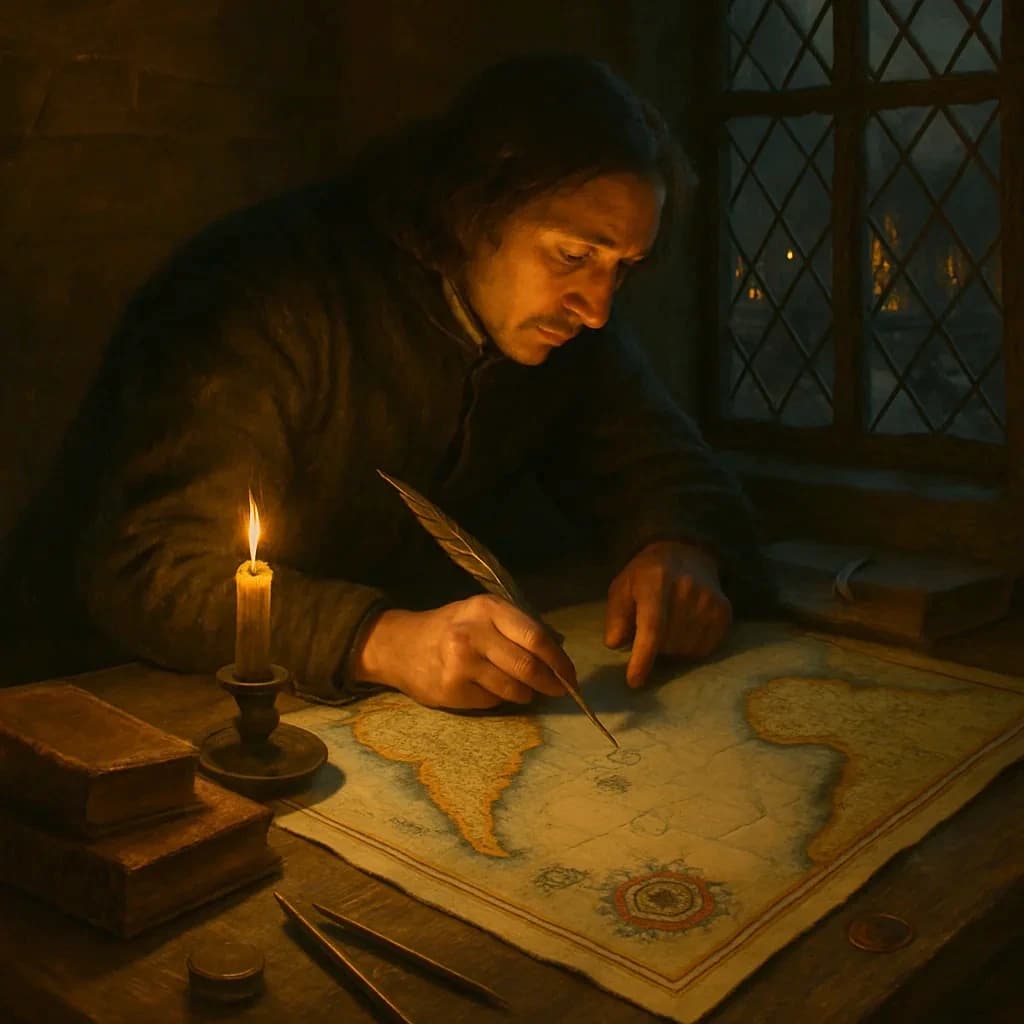
A Mapmaker Misread a Description and Invented a Country
A Dutch mapmaker drew a coastline he'd never seen, from a description he'd misread, and accidentally invented a country.
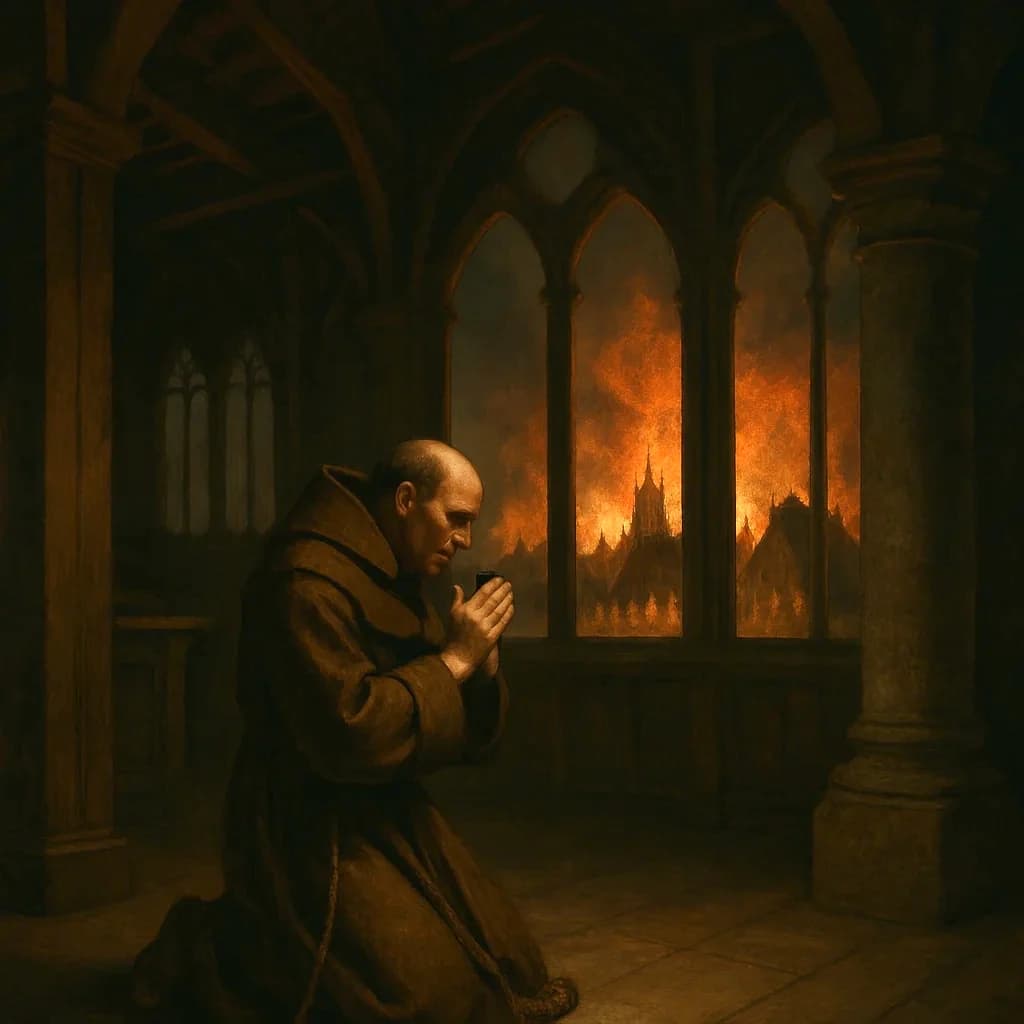
One Monk Stopped the Great Fire of London
A Benedictine monk refused to abandon his monastery as the Great Fire of London roared toward it, and what happened next defied everything authorities thought they knew about urban blazes.
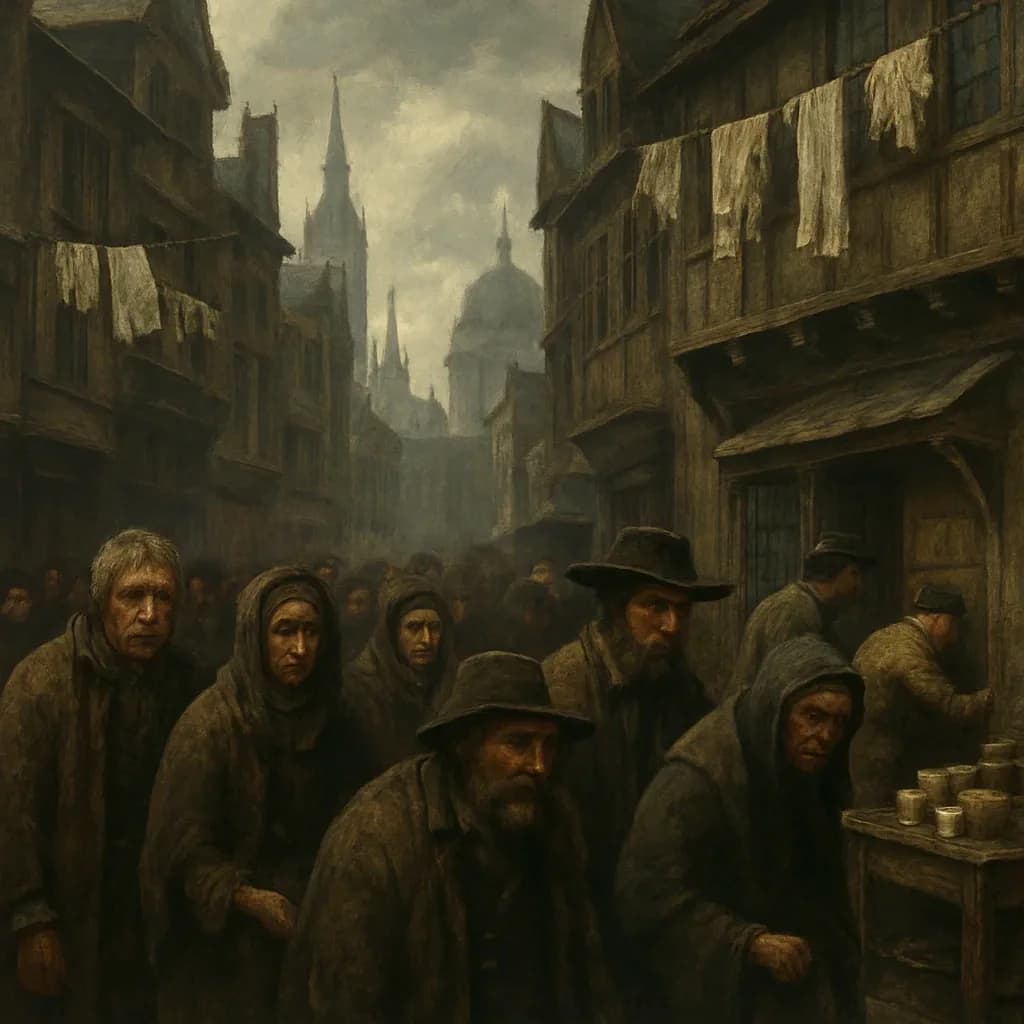
When England Forgot How to Make Soap
In 1660, London's streets turned black with filth, not from plague or fire, but because the Crown banned the one ingredient that kept the city clean.
- Claire Tomalin, Samuel Pepys: The Unequalled Self (2002)
- Robert Latham and William Matthews, eds., The Diary of Samuel Pepys (1970-1983)
- Arthur Bryant, Samuel Pepys: The Man in the Making (1933)