
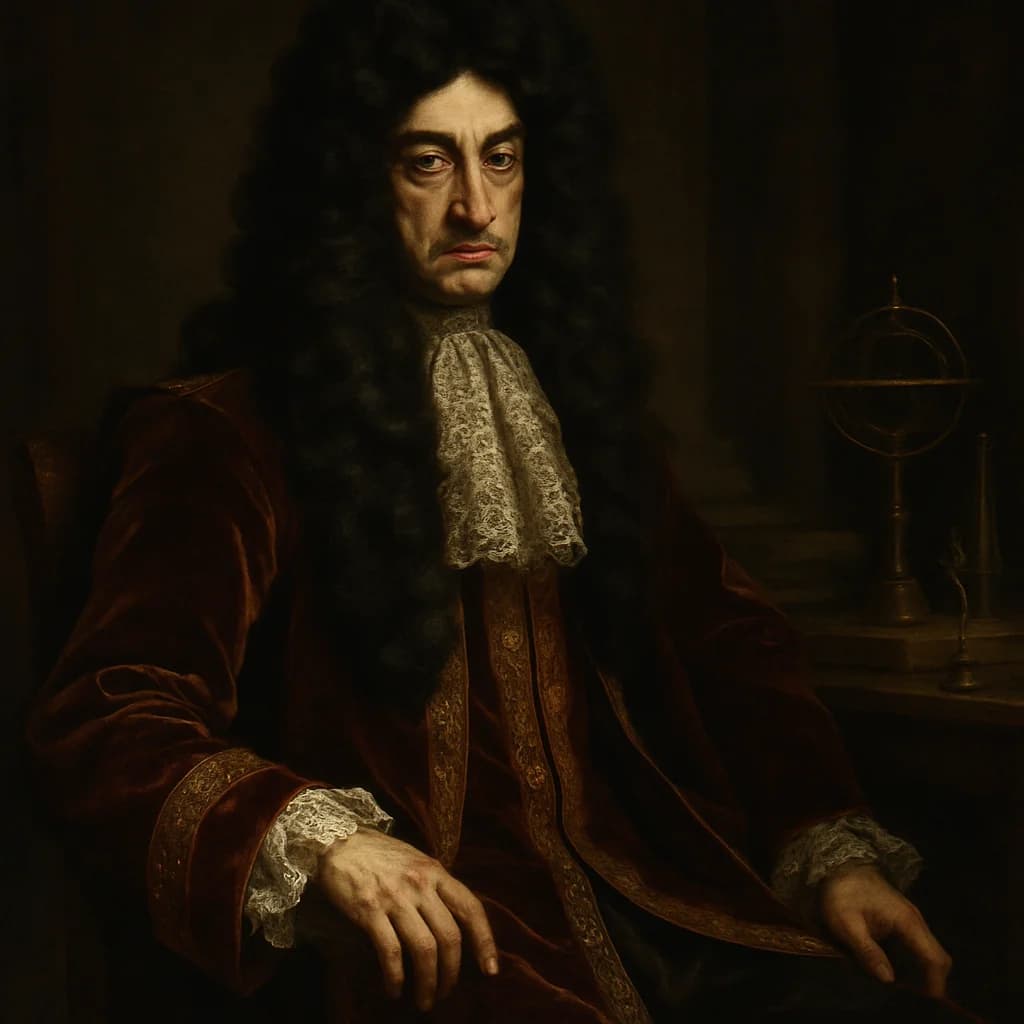
Charles II
The king who survived his own execution by seventeen years still couldn't figure out how to keep his capital city clean.
Charles II returned from exile in 1660 with a peculiar set of priorities. While Parliament expected him to focus on restoring royal dignity after his father's beheading, Charles became obsessed with chemistry, clockwork, and the precise mechanics of how things worked. He installed a laboratory in Whitehall Palace and spent mornings conducting experiments, often emerging with singed eyebrows and stained fingers to meet with ministers who had no idea their king was trying to turn lead into gold.
This scientific curiosity created bizarre policy decisions. When soap makers petitioned for tax relief in 1661, Charles instead banned the use of imported alkali (the key ingredient that made soap effective), convinced he could develop a better English alternative in his lab. London's streets turned black with accumulated filth as his experiments failed, but he refused to reverse course for three years. His courtiers learned to breathe through silk handkerchiefs during audiences.
The same restless intelligence that nearly destroyed London's hygiene also transformed England into a naval empire through sheer accident. When Catherine of Braganza's dowry included the obscure Portuguese port of Tangier, Charles saw it as a convenient base for his newest passion: studying Mediterranean trade winds. He dispatched ships not for conquest but for meteorological data collection. The captains he chose for their mathematical skills rather than their fighting ability accidentally established the systematic naval presence that would dominate global commerce for centuries.
Charles died in 1685, apologizing to his courtiers for taking so long about it. He left behind detailed notes on barometric pressure, seventeen illegitimate children, and an empire built on curiosity rather than ambition.
Charles II personally dissected every animal that died in his private menagerie, including a dolphin that had to be hauled up the Thames stairs at midnight to avoid public scandal.
Why untold: His reputation as the 'Merry Monarch' overshadowed his genuine scientific contributions and the accidental nature of many major political decisions.
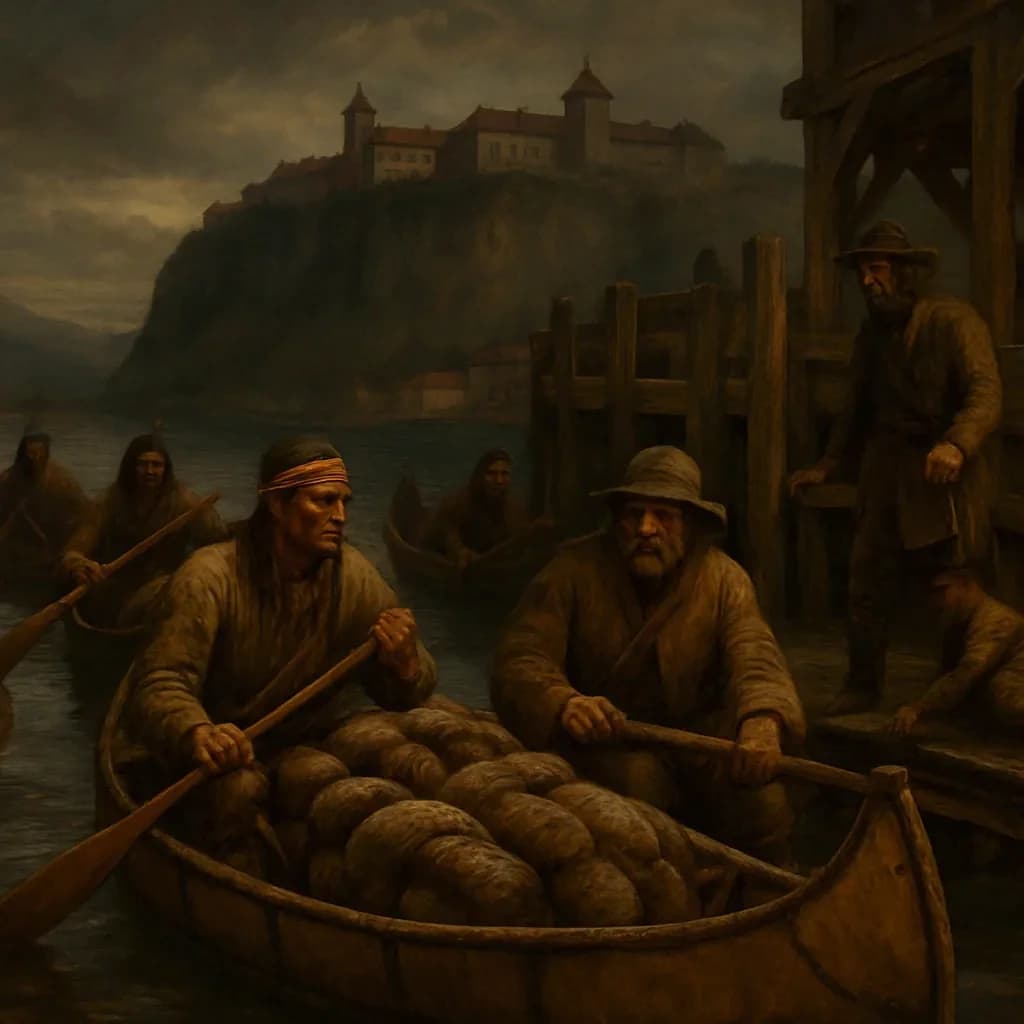
Fined by France, He Handed England a Third of Canada
A French fur trader gambled the entire colonial budget of New France on a single, gloriously stupid party in 1663. And it almost worked.
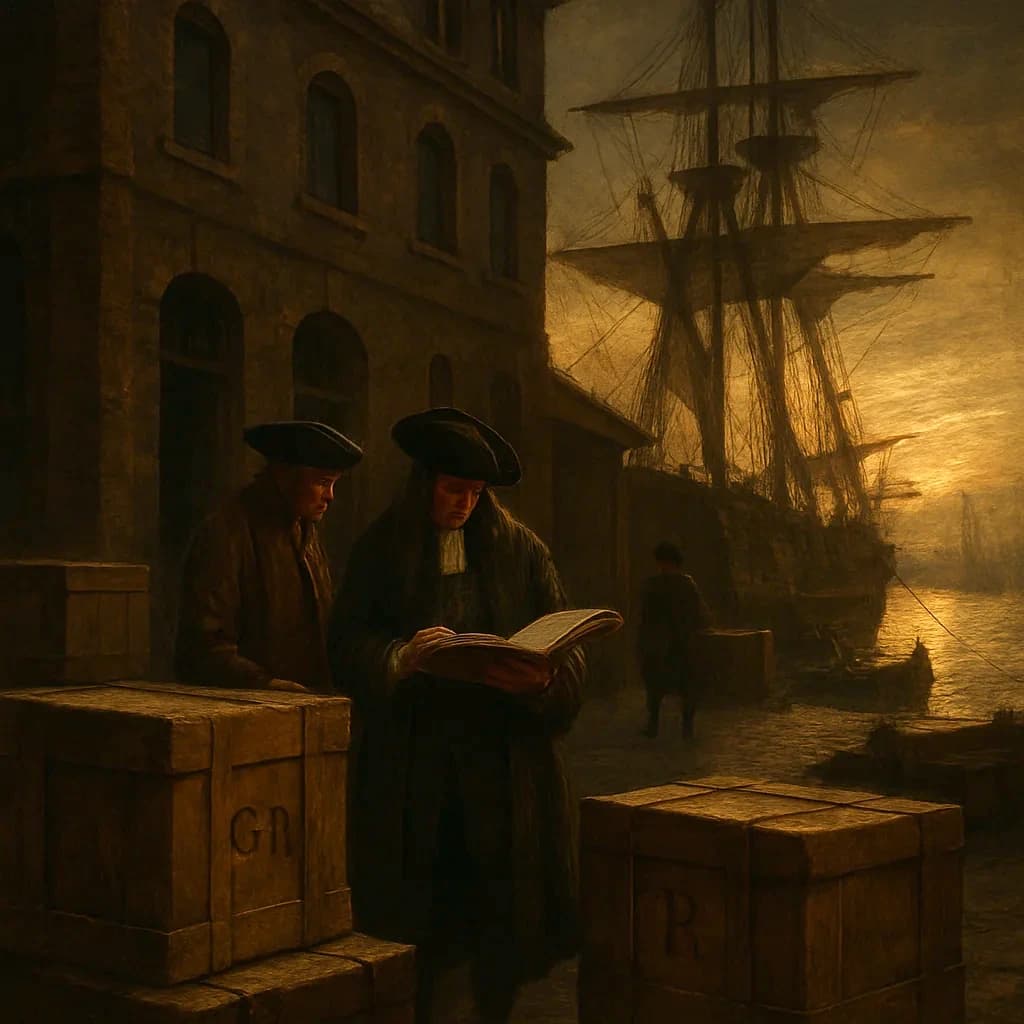
A King's Impulsive Pardon Kept Slavery Legal for 173 Years
A king returned from exile with nothing but debts, and one impulsive pardon that accidentally kept slavery legal in the British Empire for another 173 years.
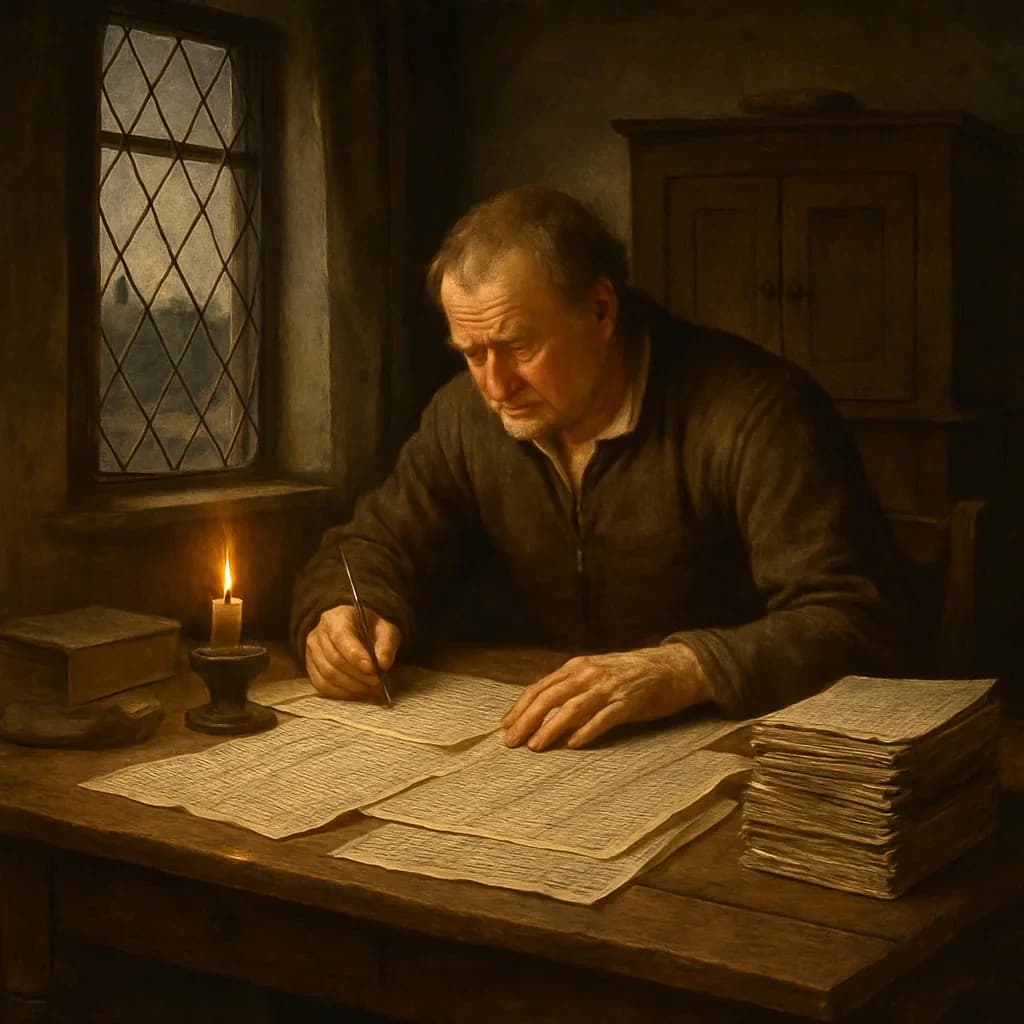
A Button Seller Invented Statistics by Counting the Dead
While London buried its dead by the thousands, one obsessive clerk decided to count them, and in doing so invented the science of statistics.
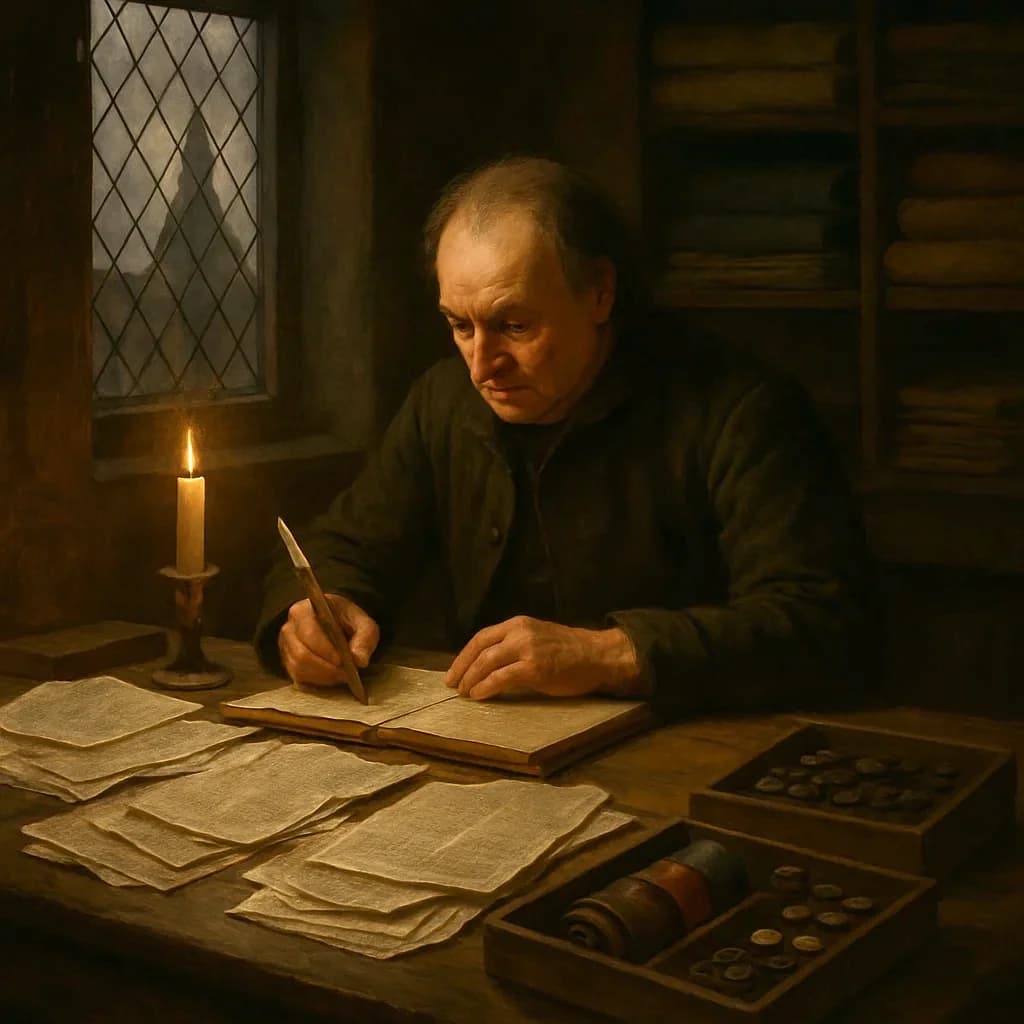
The Button Seller Who Invented Epidemiology
A London haberdasher kept such precise records of plague deaths that, by 1665, he had accidentally invented the science of epidemiology.
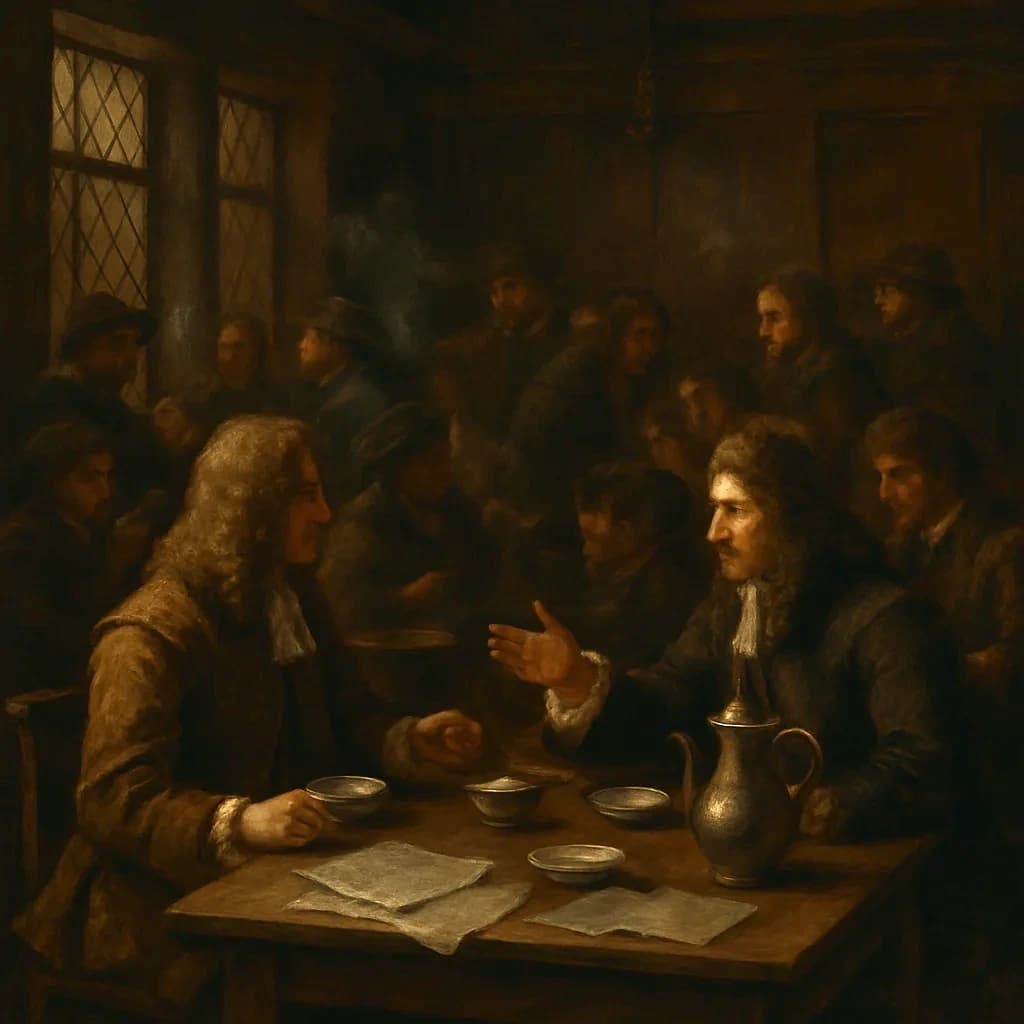
London's Wives Declared War on Coffee Houses
Thousands of London women signed a 1674 petition declaring that coffee houses turned husbands into eunuchs who preferred idle conversation to marital duties.
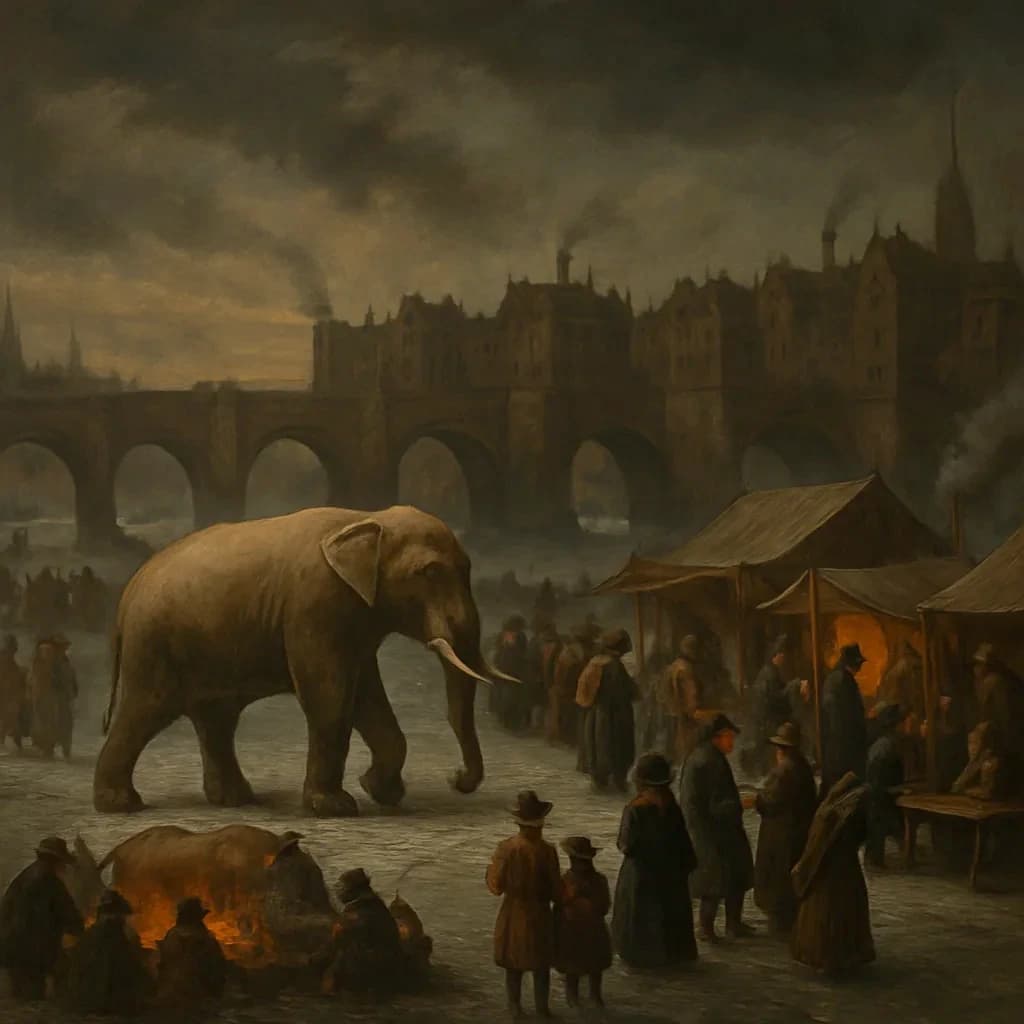
Frost Fairs: When London Partied on the Frozen Thames
For two centuries, London's river became a highway of ice thick enough to hold entire festivals, until the city thawed its own winter wonderland forever, with no idea it had done so.
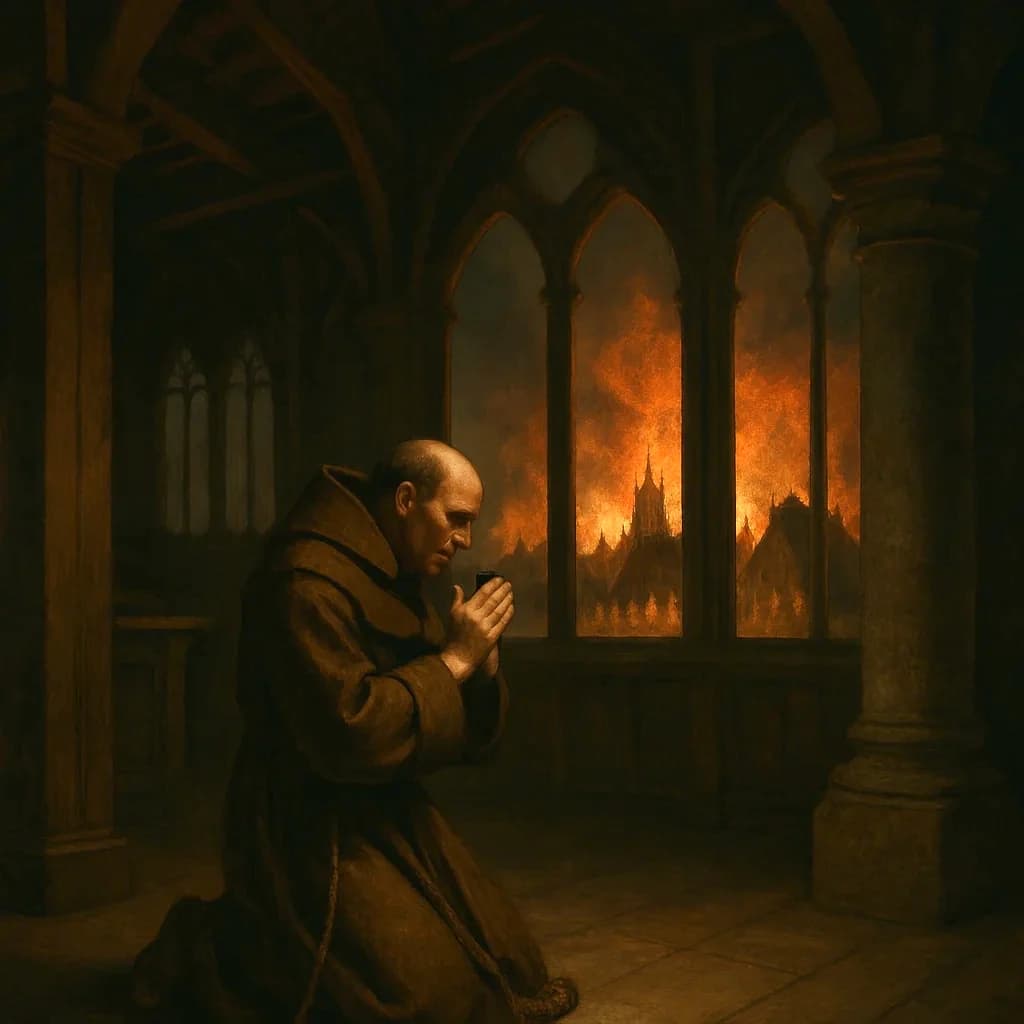
One Monk Stopped the Great Fire of London
A Benedictine monk refused to abandon his monastery as the Great Fire of London roared toward it, and what happened next defied everything authorities thought they knew about urban blazes.
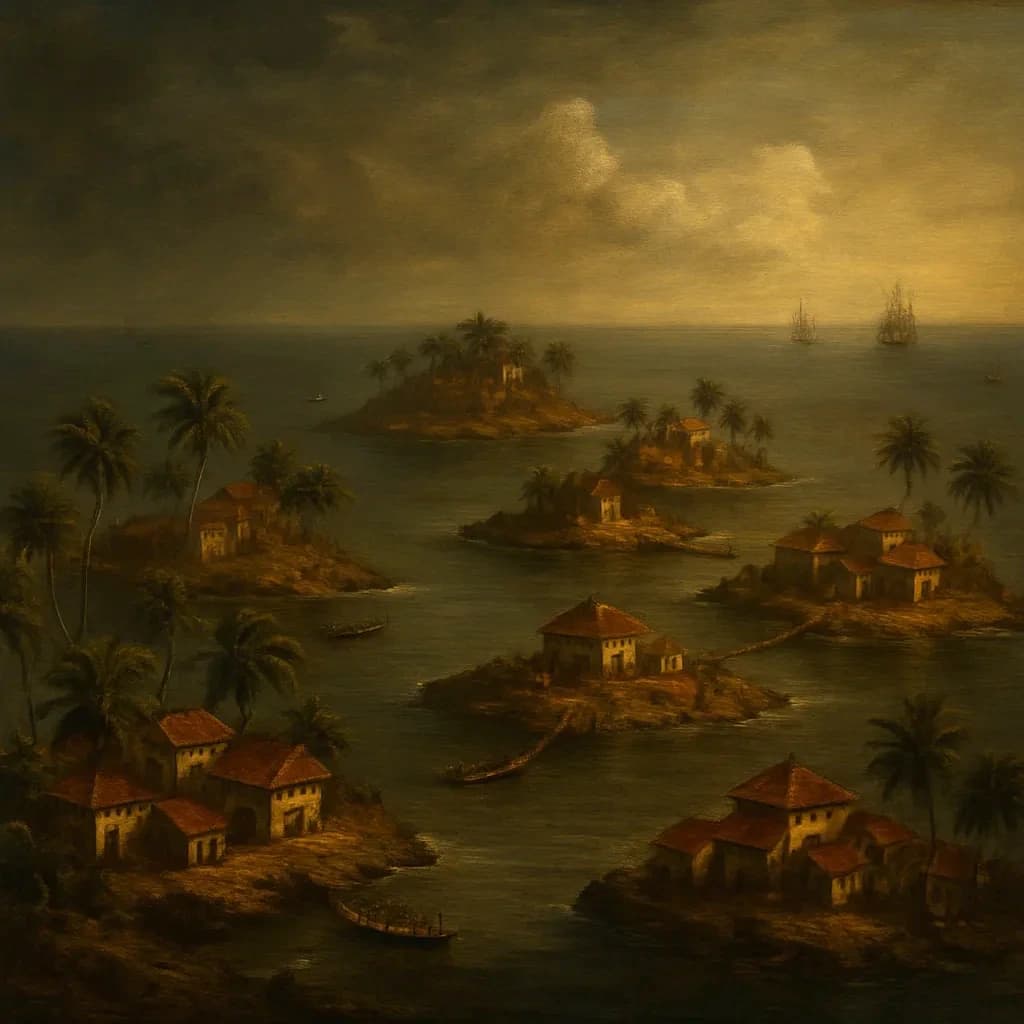
Bombay: The Wedding Gift Nobody Wanted
Seven swampy islands came packaged with an unwanted Portuguese bride, and ended up building Britain's Indian empire.
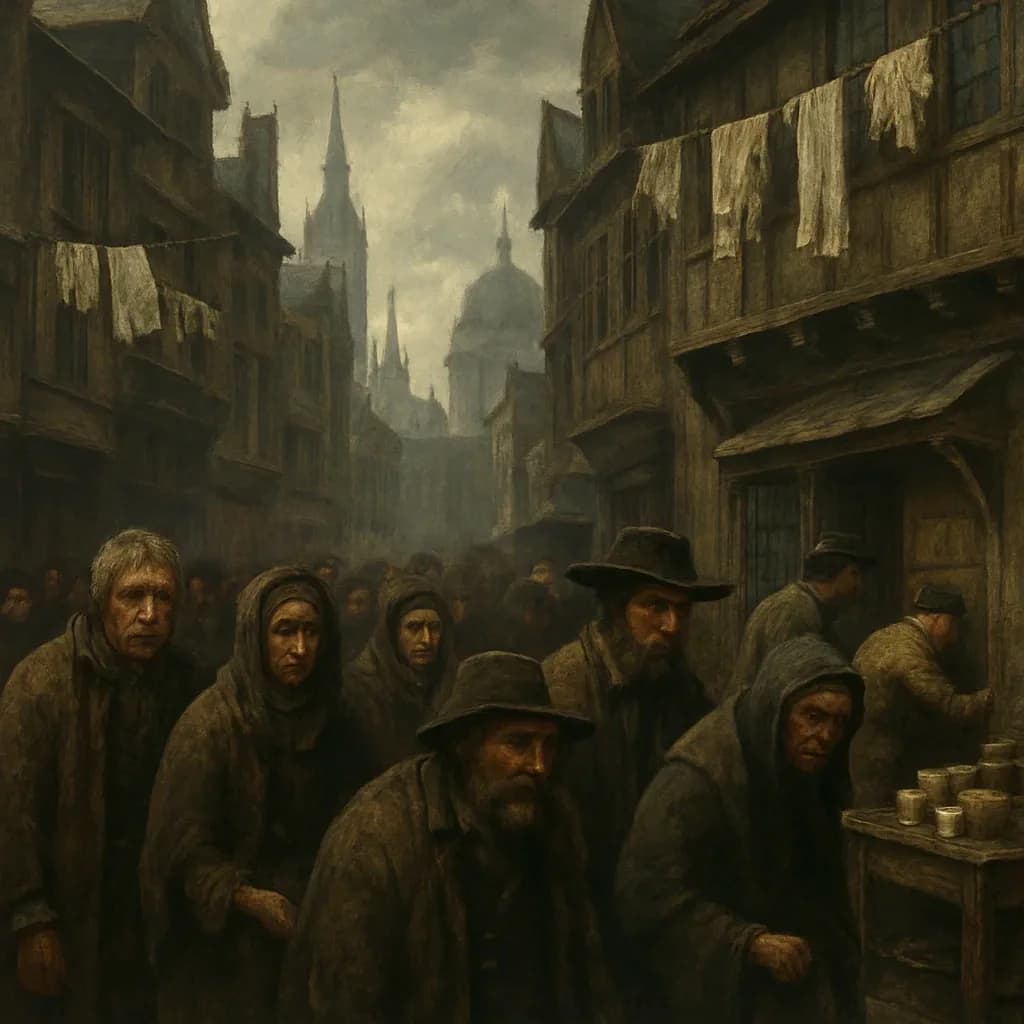
When England Forgot How to Make Soap
In 1660, London's streets turned black with filth, not from plague or fire, but because the Crown banned the one ingredient that kept the city clean.
- Hutton, Ronald. Charles II: King of England, Scotland, and Ireland. Oxford University Press, 1989.
- Jardine, Lisa. On a Grander Scale: The Outstanding Life of Sir Christopher Wren. HarperCollins, 2002.
- Miller, John. Charles II. Weidenfeld and Nicolson, 1991.