
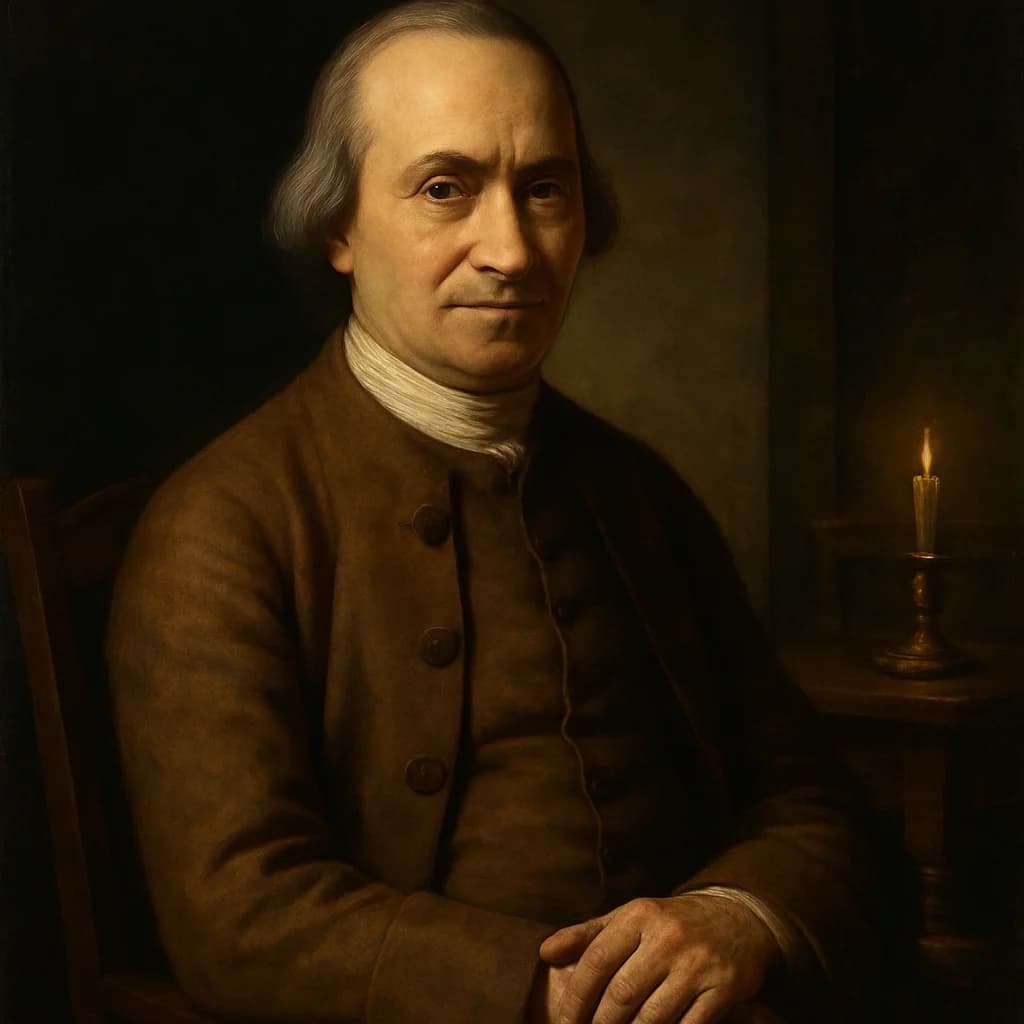
Samuel Adams
The most successful terrorist in American history never fired a shot, held office, or led an army. He just threw really good parties.
Samuel Adams understood something his more famous cousin John never grasped: revolution begins at the tavern, not the courthouse. While other colonial leaders drafted petitions and debated legal theory, Adams was orchestrating street theater that would make modern activists weep with envy.
He turned Boston into his personal laboratory for political manipulation. The Caucus Club met every Monday at Tom Dawes' house, where Adams and his lieutenants planned everything from newspaper articles to mob actions over tankards of ale. He didn't just organize the Boston Tea Party. He spent months choreographing public outrage, planting inflammatory stories in the press, and ensuring that when his "Indians" dumped the tea, half of Boston would be watching from the docks, cheering.
Adams was a master of what we'd now call crisis communications. When British soldiers killed five colonists in 1770, Adams immediately branded it the "Boston Massacre," commissioned Paul Revere's famous engraving (which showed the soldiers firing into a peaceful crowd, completely fabricated), and organized annual commemorations that kept anti-British sentiment simmering for years. He understood that perception mattered more than facts, and that a good story could outlive a dozen legal arguments.
The man who helped birth American democracy spent his entire career subverting it. He packed town meetings with his supporters, used intimidation against political opponents, and turned Boston's network of artisans and laborers into the most effective political machine in colonial America. By 1775, Adams had so thoroughly radicalized Massachusetts that war was inevitable. John Adams later admitted his cousin had "done more to carry this continent through the revolution than any other man." The founding fathers included history's most successful community organizer.
Adams was such a failure at every legitimate business he tried that his friends had to take up collections to keep his family fed, yet he somehow funded a revolutionary network across multiple colonies for over a decade.
Why untold: His methods were too radical and manipulative for the sanitized founding father mythology that emerged in the 19th century.
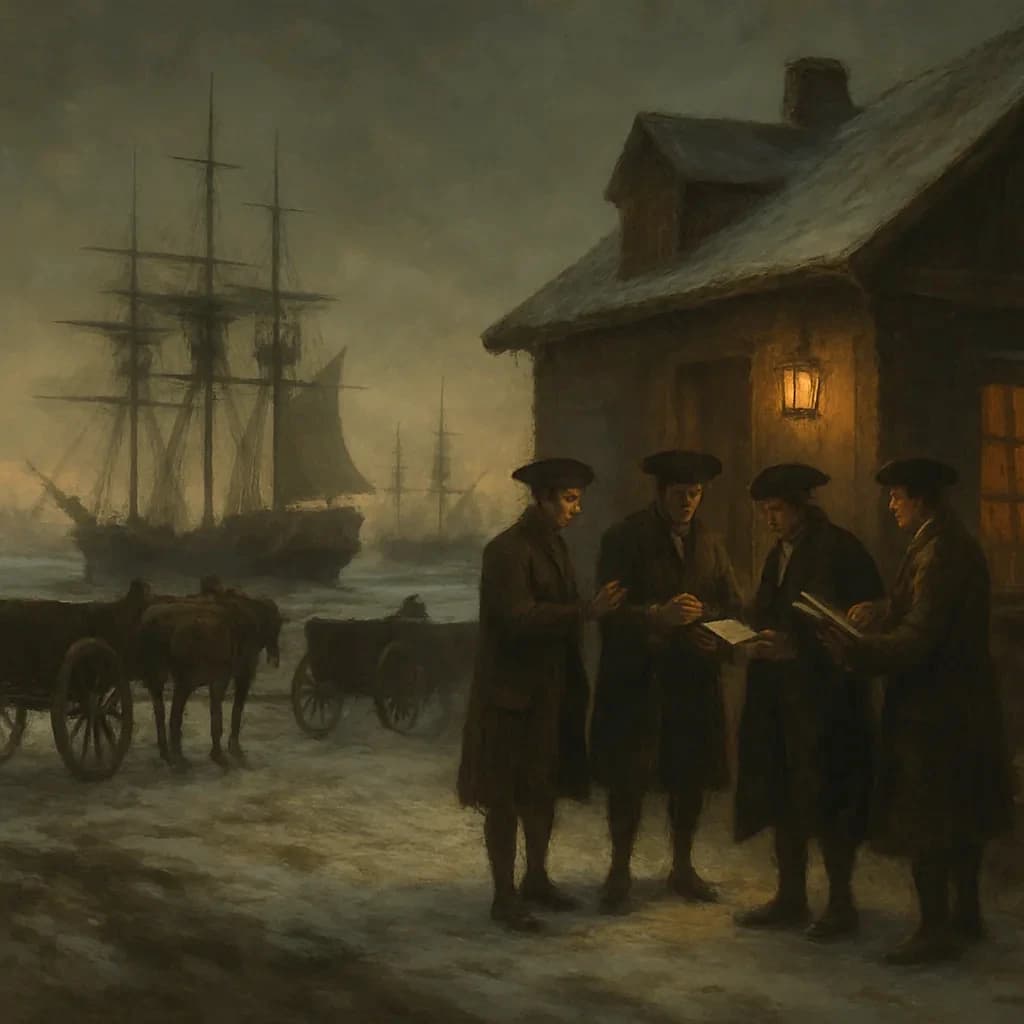
When Horses Drank Tea in Boston Harbor
A minor customs dispute over animal feed nearly prevented the American Revolution from happening at all.
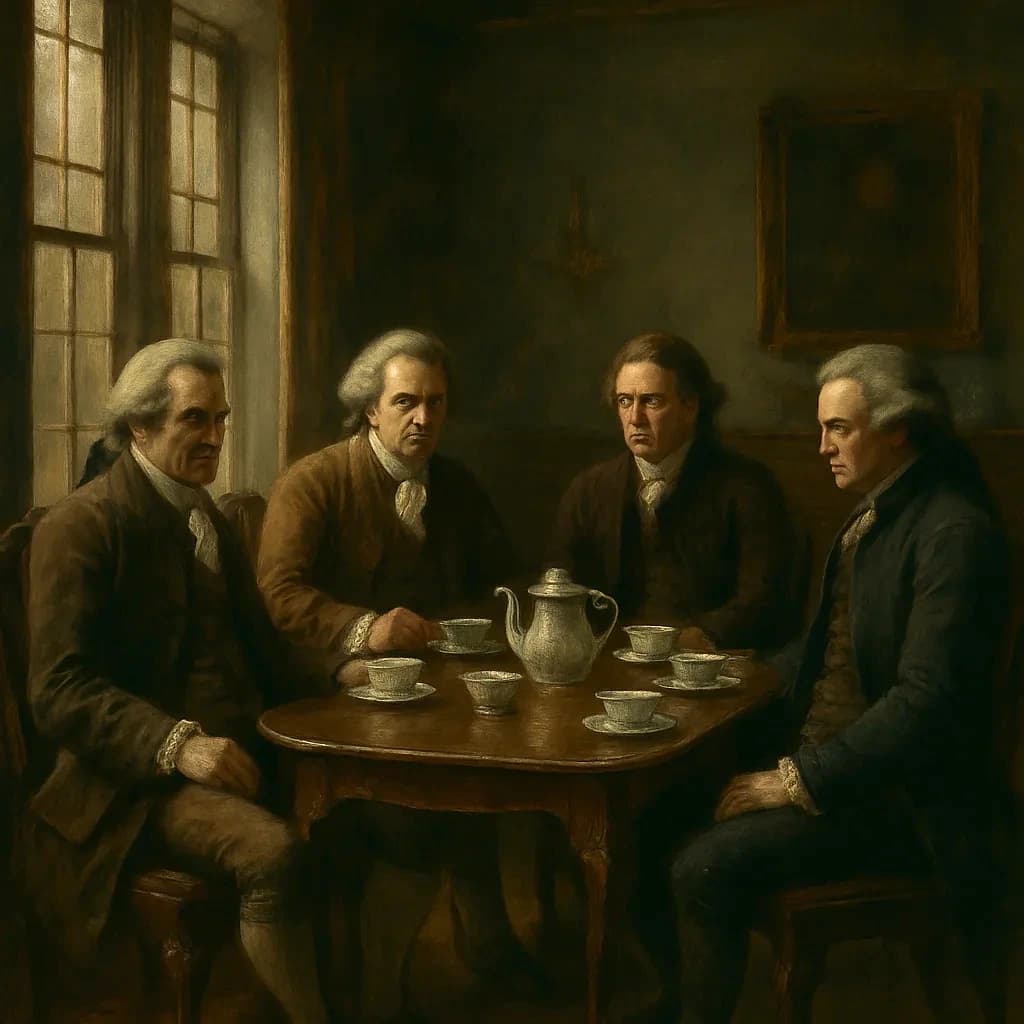
The Polite Lunch Before the Boston Tea Party
A simple lunch invitation in 1773 Boston triggered a chain reaction that would split an empire and birth a nation.
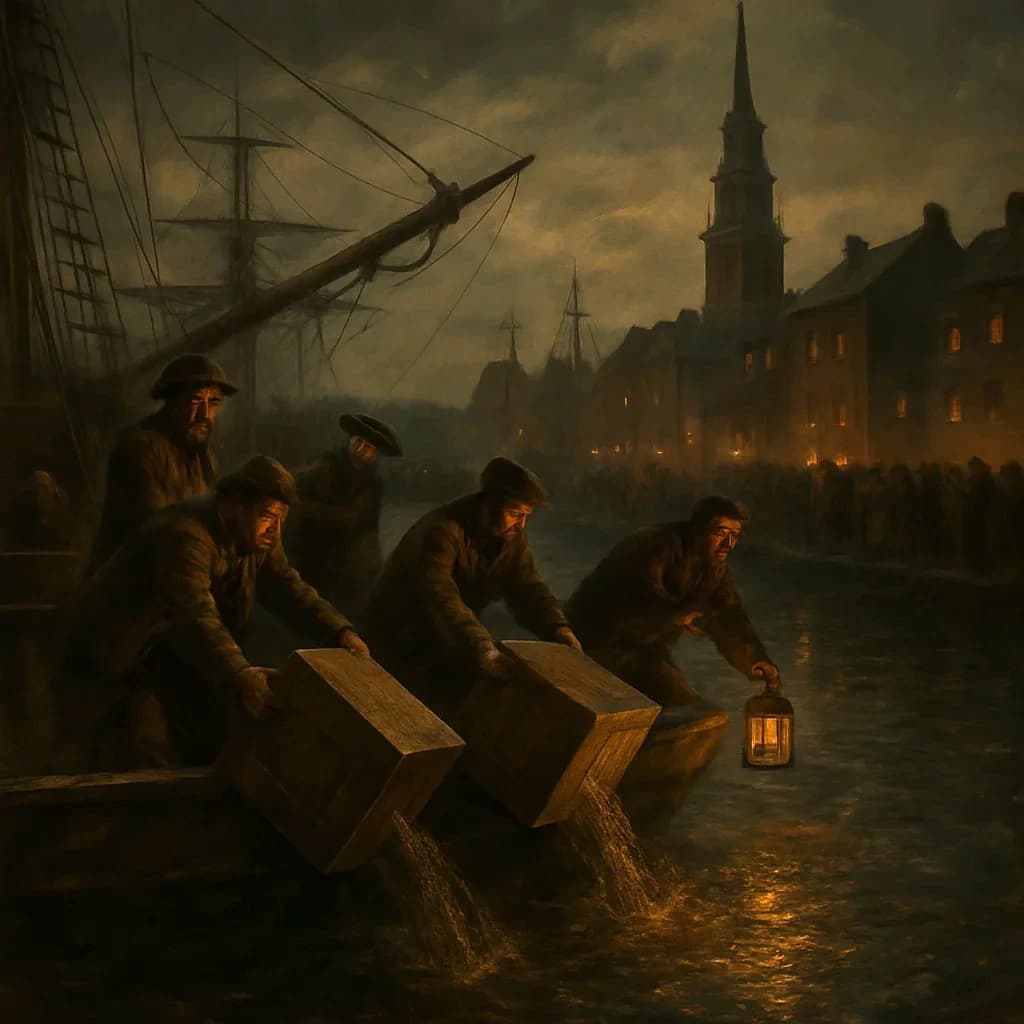
The Boston Tea Party Was a Corporate Raid
Eight thousand colonists waited all day in 1773 for word on 342 chests of tea sitting in Boston Harbor, and when the answer came, England lost America forever.
- Ira Stoll, 'Samuel Adams: A Life' (2008)
- Mark Puls, 'Samuel Adams: Father of the American Revolution' (2006)
- Benjamin Woods Labaree, 'The Boston Tea Party' (1964)