
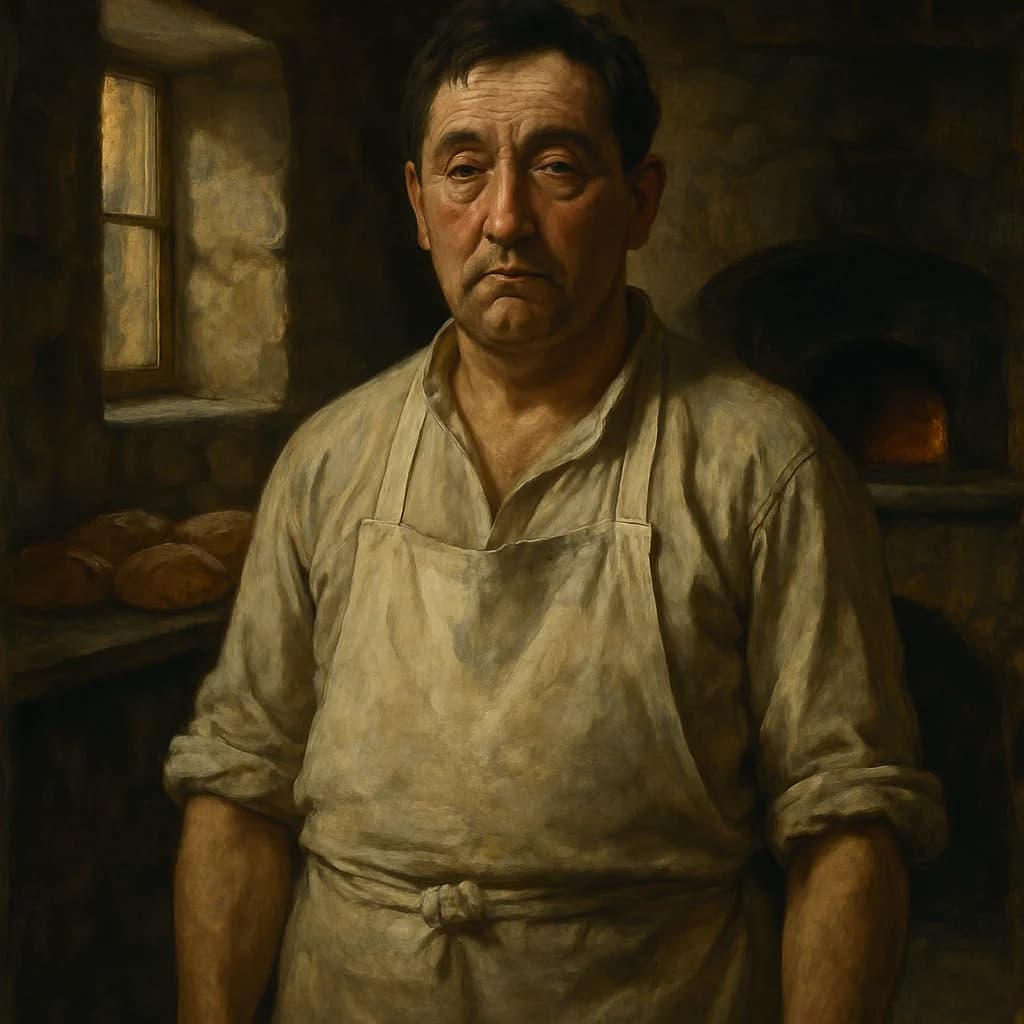
Roch Briand
He was the baker who fed a town its nightmare.
Roch Briand ran a small boulangerie on a quiet street in Pont-Saint-Esprit, a medieval town wedged between the Rhône and the Ardèche in southern France. He baked bread. That was the whole of his life's ambition: honest work, flour on the hands, loaves out by morning. In August 1951, that bread made his neighbors see demons.
The outbreak hit fast and without logic. Beginning around August 16th, residents who had bought bread from Briand's bakery began hallucinating, convulsing, and losing their minds in ways that local physicians had no framework to describe. One man tried to drown himself, insisting serpents were coiling around his legs. Children screamed at things no one else could see. At least five people died. Several dozen were committed to psychiatric institutions. The town of five thousand people became, for three surreal days, a place that did not believe in itself.
Briand was not a poisoner. He was a victim of his supply chain. The prevailing scientific explanation (still contested) is that his flour had been contaminated with ergot, a fungal parasite of rye that produces compounds chemically adjacent to LSD. Some investigators later pointed to mercury-treated grain. A 2009 book by journalist Hank Albarelli introduced a darker theory: that the CIA's MKULTRA program had covertly dosed the town's food supply as a field test for mass chemical incapacitation. The French government quietly launched its own investigation and released almost nothing. Briand himself was questioned by authorities and cleared of criminal wrongdoing, but the clearing came without explanation, which, in a small French town, is its own kind of sentence.
What happened to Roch Briand after 1951 is largely unrecorded. He does not appear in subsequent news coverage. His bakery's fate is unconfirmed. He exists in the historical record primarily as a name on a list (the source of the bread), which is precisely the cruelest kind of legacy. Not villain, not victim, not witness. Just the man whose flour happened to be wrong.
The ergot fungus responsible for similar outbreaks in medieval Europe likely inspired countless historical accounts of demonic possession. The convulsions, visions, and burning sensations it caused were indistinguishable, to pre-scientific observers, from supernatural attack.
Why untold: Briand was processed through a criminal investigation, cleared without public explanation, and then absorbed into the event itself, remembered only as a data point in a mystery that has never been officially resolved, which left no space for his individual story to survive.
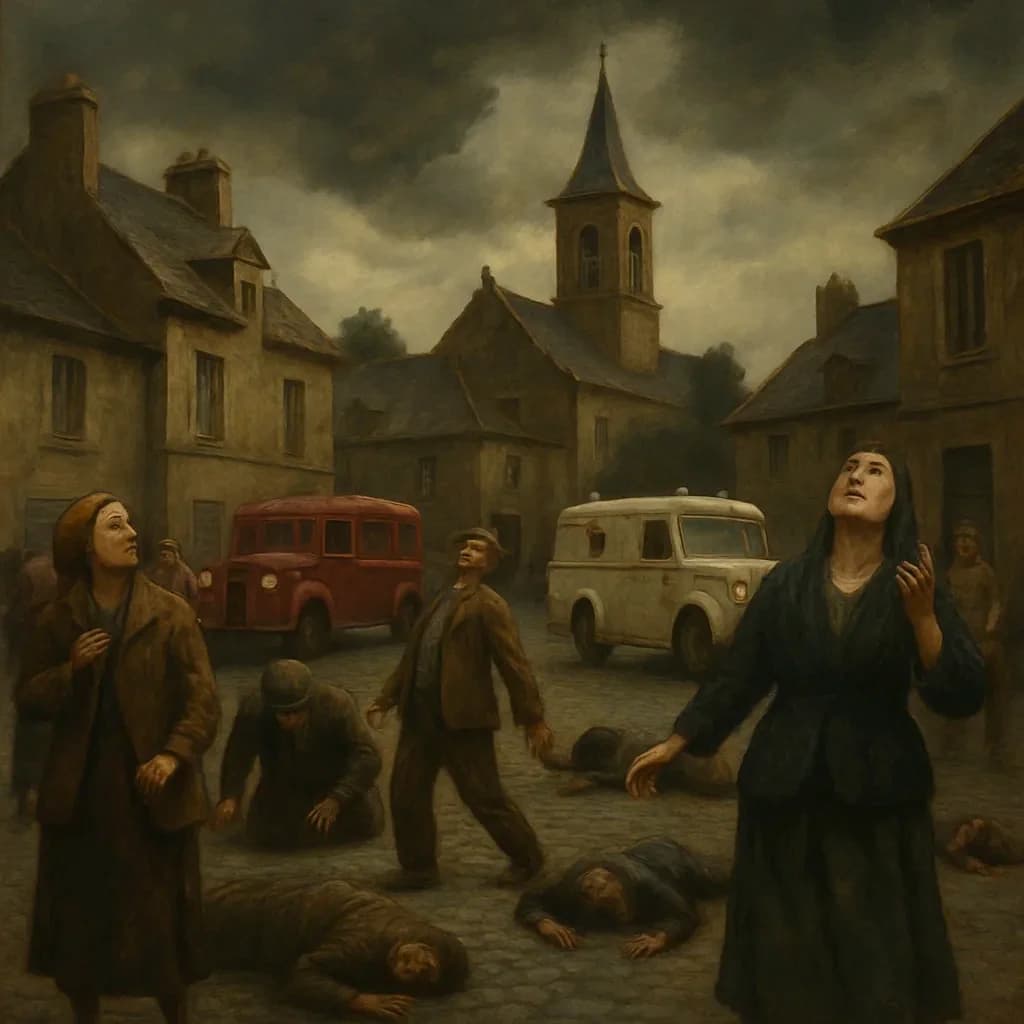
When Bread Killed Everyone In Pont-Saint-Esprit
An entire French town went insane for three days in 1951, and no one could explain why the bread had turned into poison.
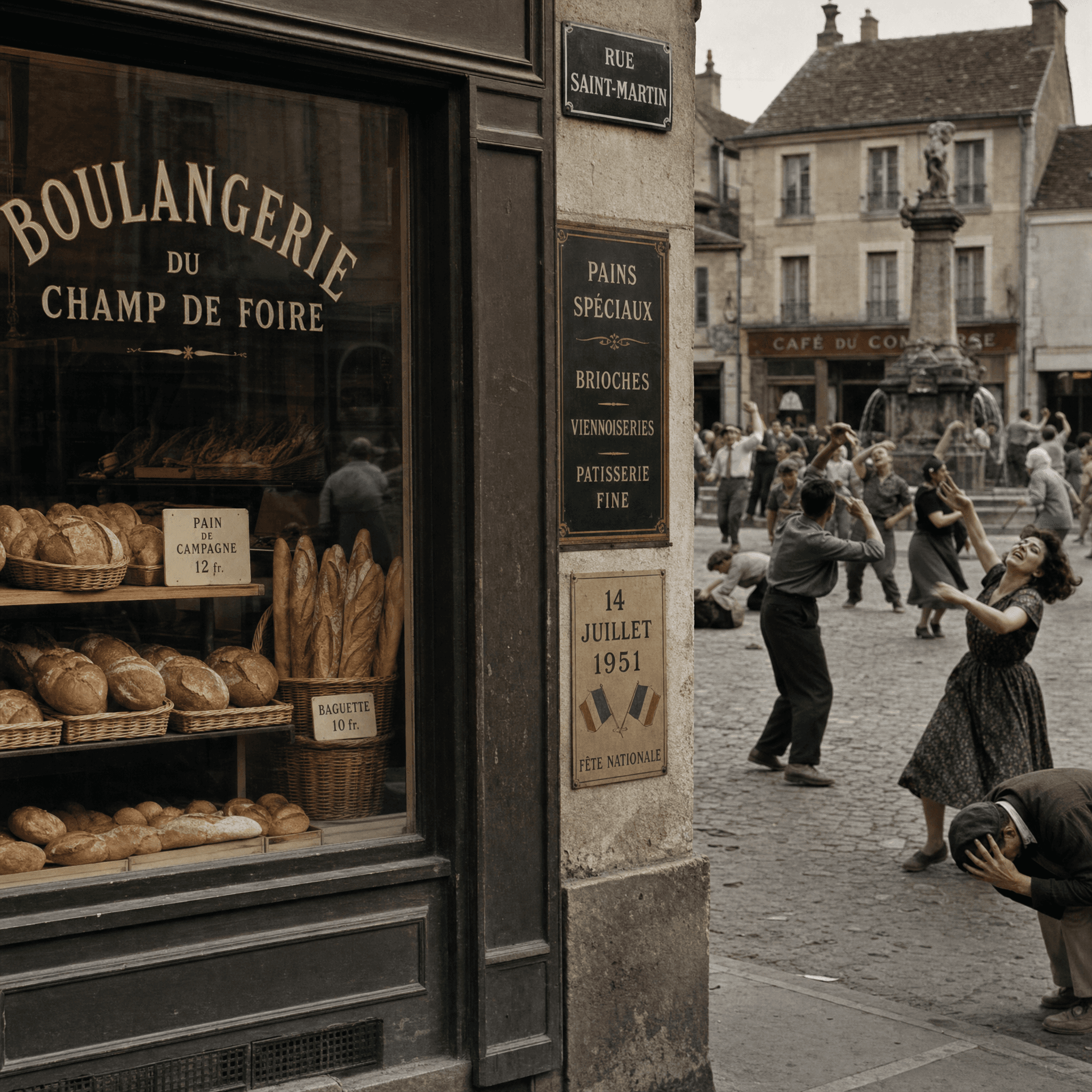
When Bread Started Screaming
In 1951, an entire French town went collectively insane overnight (dancing, hallucinating, and jumping from windows) after eating their daily bread.
- Hank P. Albarelli Jr., A Terrible Mistake: The Murder of Frank Olson and the CIA's Secret Cold War Experiments (Trine Day, 2009)
- John G. Fuller, The Day of St. Anthony's Fire (Macmillan, 1968)
- Mary Kilbourne Matossian, Poisons of the Past: Molds, Epidemics, and History (Yale University Press, 1989)