
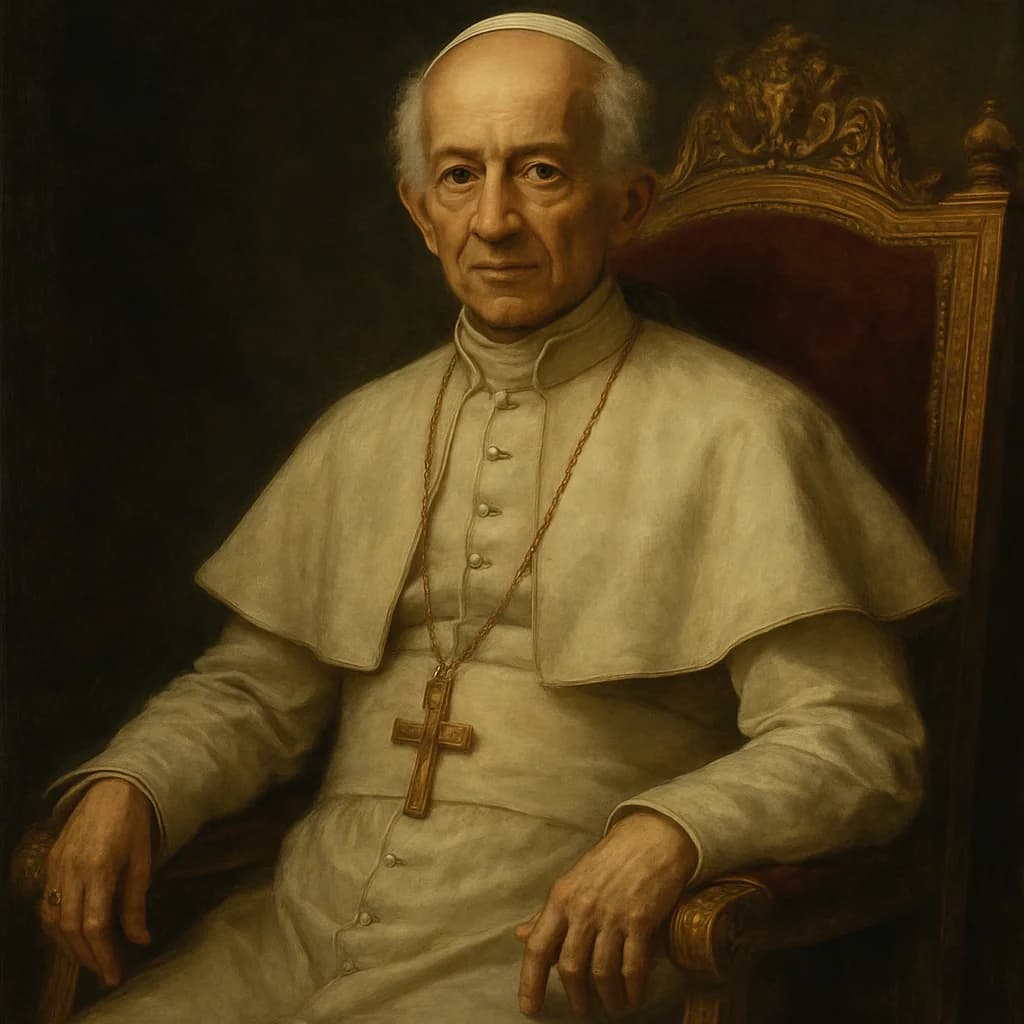
Pope Leo XIII
The Pope who blessed Coca-Cola also banned the castration of choirboys, and both decisions would outlive him by centuries.
When Vincenzo Pecci became Pope Leo XIII in 1878, he inherited a Church caught between medieval traditions and an industrializing world. While most remember him for his social encyclicals, his most lasting decisions were surprisingly practical ones that touched millions of lives in unexpected ways.
Leo XIII possessed an almost pharmaceutical curiosity about modern inventions. When John Pemberton's new tonic reached Rome in the 1880s, the Pope didn't just sample Coca-Cola. He endorsed it. The Vatican's official blessing gave the drink credibility across Catholic Europe, helping transform a morphine addict's headache remedy into a global phenomenon. Leo XIII even appeared in Coca-Cola advertisements, his papal blessing used to market what was essentially the world's first energy drink to nervous mothers worried about caffeine.
But Leo XIII's most decisive break with tradition came in his final years. For centuries, the Vatican had castrated boys to preserve their soprano voices for the Sistine Chapel Choir, a practice that created the legendary castrati. By the 1890s, only a handful remained, including Alessandro Moreschi, whose haunting recordings would become the only audio evidence of this lost art. When one castrato singer mysteriously disappeared from the choir in 1898, Leo XIII used the incident to quietly end the practice forever. No fanfare, no formal decree, just a papal decision that closed the book on one of music history's most disturbing chapters.
Leo XIII died in 1903, having ruled for 25 years through revolutions, inventions, and social upheaval. He left behind a Church that could bless soft drinks and protect children with equal conviction, a legacy that revealed how the most profound changes often happen not through grand gestures, but through a thousand small decisions that accumulate into transformation.
Leo XIII appeared in Coca-Cola advertisements, and his papal endorsement was used to market the drink across Catholic Europe as a wholesome alternative to alcohol.
Why untold: His role in ending the castrati tradition and blessing Coca-Cola gets overshadowed by focus on his better-known social encyclicals.
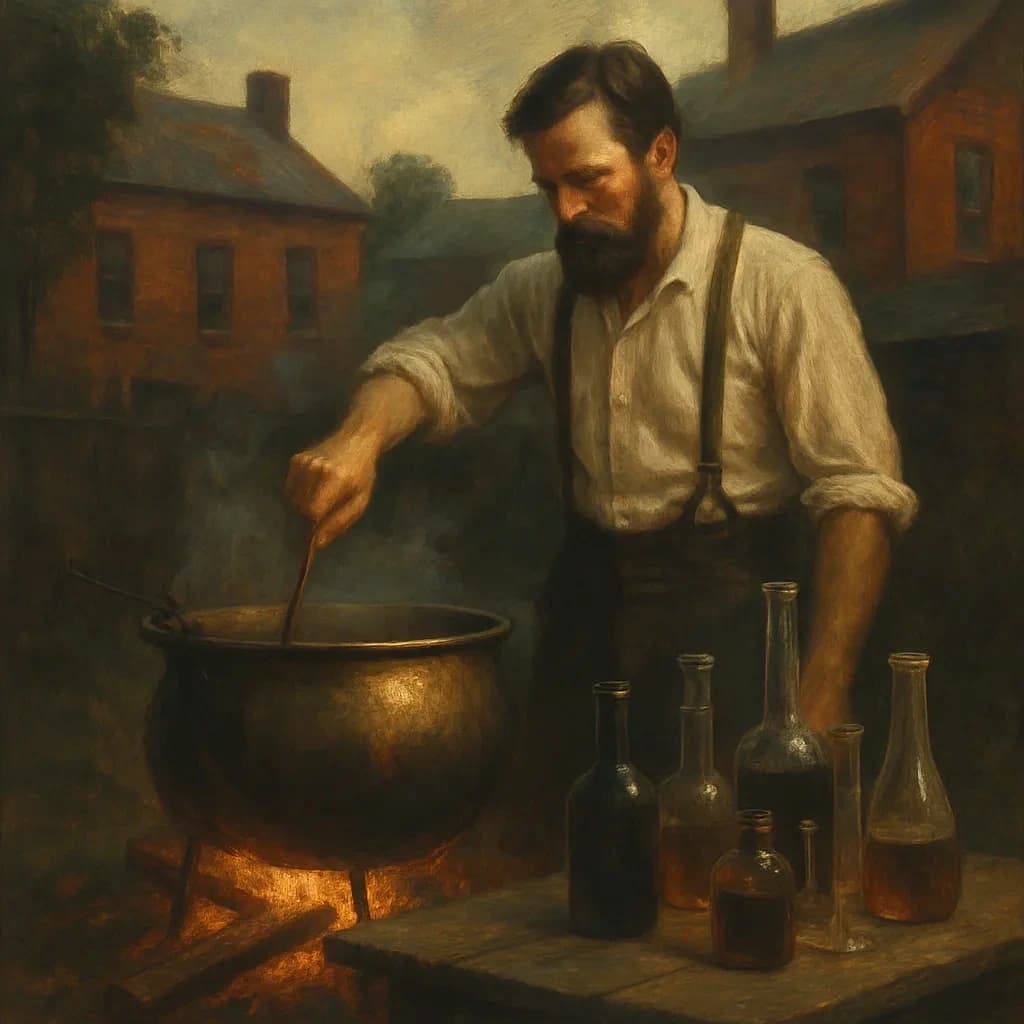
A Recipe to Cure Addiction Became Coca-Cola
A morphine-addicted Confederate veteran spent 1886 mixing tonics to cure himself, and stumbled into the most popular drink in history.
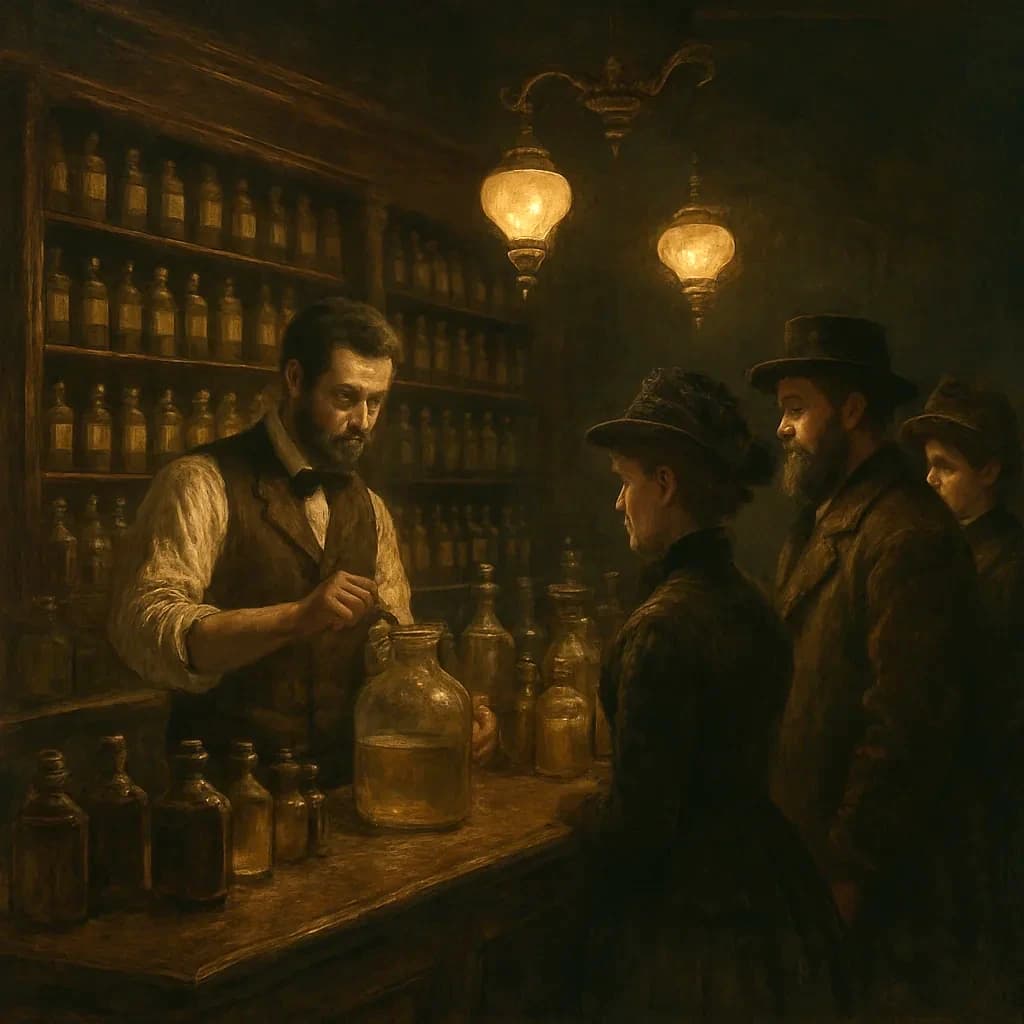
A Pharmacist's Headache Cure Nearly Stopped His Customers' Hearts
In 1886, a pharmacist's headache cure accidentally created the world's first energy drink, and nearly killed his customers.
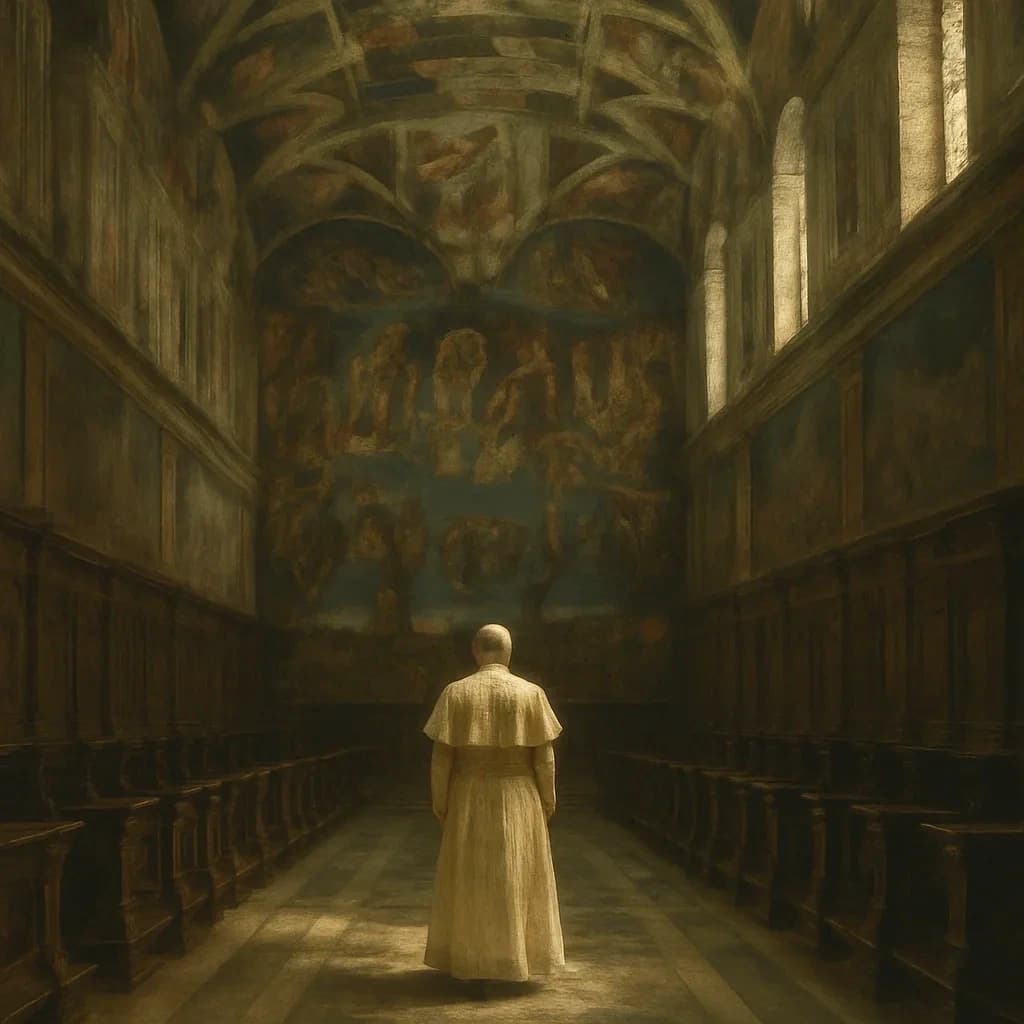
How One Missing Singer Ended the Church's Castrati
Alessandro Moreschi was the last castrato ever recorded, but the Vatican had been cutting boys for centuries to preserve their angelic voices, until one missing singer brought it all crashing down.
- Mark Pendergrast, For God, Country and Coca-Cola: The Definitive History of the Great American Soft Drink
- Patrick Barbier, The World of the Castrati: The History of an Extraordinary Operatic Phenomenon
- Austen Ivereigh, The Great Reformer: Francis and the Making of a Radical Pope