
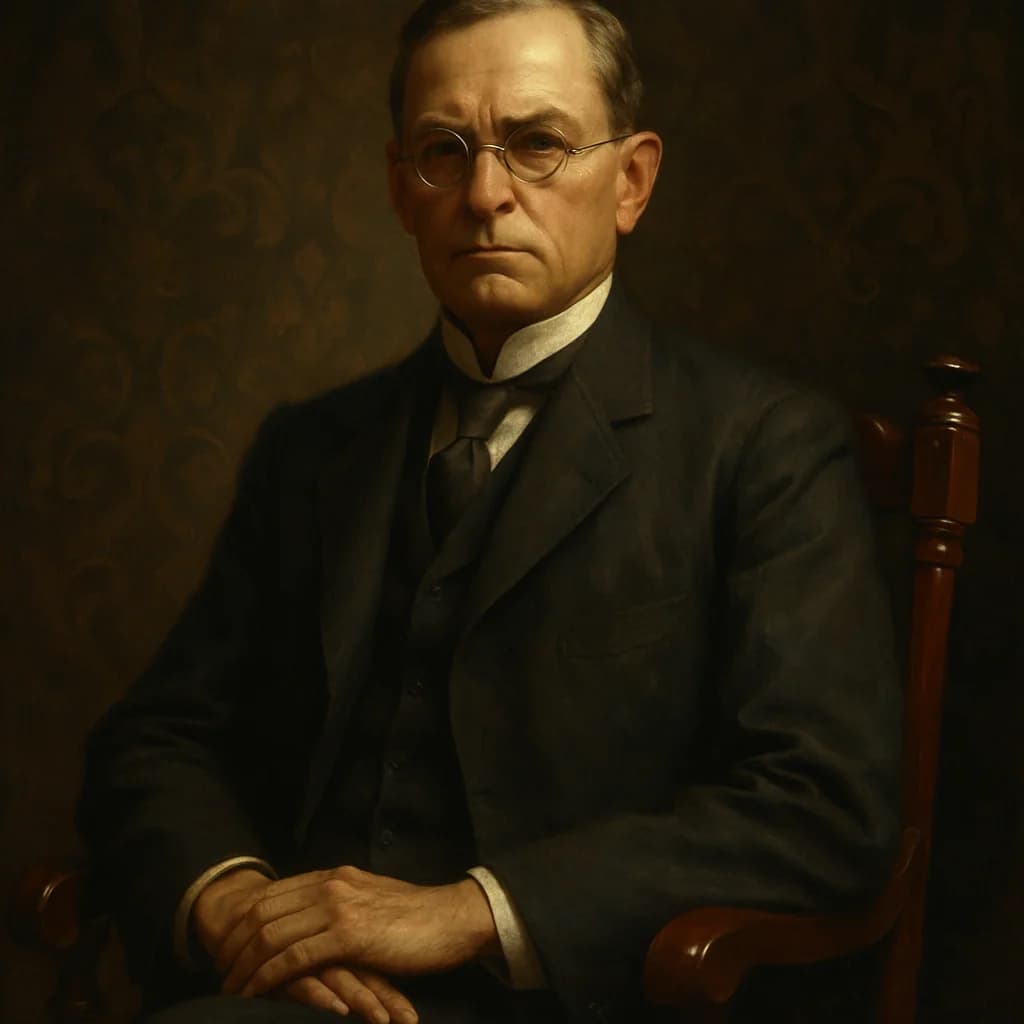
Asa Candler
The man who turned a morphine addict's headache cure into a global empire never lived to see Coca-Cola's greatest triumph, because he gave it all away.
Asa Griggs Candler bought the rights to Coca-Cola in 1891 for $2,300, not because he believed in the drink, but because he wanted to eliminate competition for his other patent medicines. The Atlanta pharmacist had built a thriving business selling remedies with names like "Botanic Blood Balm" and "Everlasting Cologne," and this new cola syrup seemed like just another headache cure cluttering the market.
What Candler discovered was marketing genius disguised as medicine. He hired traveling salesmen to blanket the South with free samples, branded mirrors, and promotional calendars. By 1895, Coca-Cola was being sold in every state. Candler's masterstroke wasn't the secret formula. It was convincing America that a drink was a brand. He spent more on advertising than any company in history, turning Coca-Cola from regional syrup into national obsession.
But Candler made the costliest business decision of the 20th century in 1899. Approached by two Tennessee lawyers wanting bottling rights, he sold them the exclusive rights to bottle Coca-Cola "in practically the entire United States" for exactly one dollar. He kept the fountain syrup business for himself, convinced that bottled drinks were a passing fad. Those lawyers and their partners became some of America's richest families.
In 1919, facing family pressure and his own philanthropic ambitions, Candler sold his remaining Coca-Cola interests for $25 million, a fortune that seemed impossible to surpass. The buyers flipped the company to Wall Street investors just four years later for $40 million. Candler spent his final years as Atlanta's mayor, building Emory University and wondering what his little headache cure might have become.
Candler gave away bottling rights to Coca-Cola for one dollar because he thought bottled soft drinks were unsanitary and would never catch on. Those bottling rights eventually became worth billions.
Why untold: Business histories focus on Coca-Cola's marketing success while overlooking the man who created that success but walked away from its greatest profits.
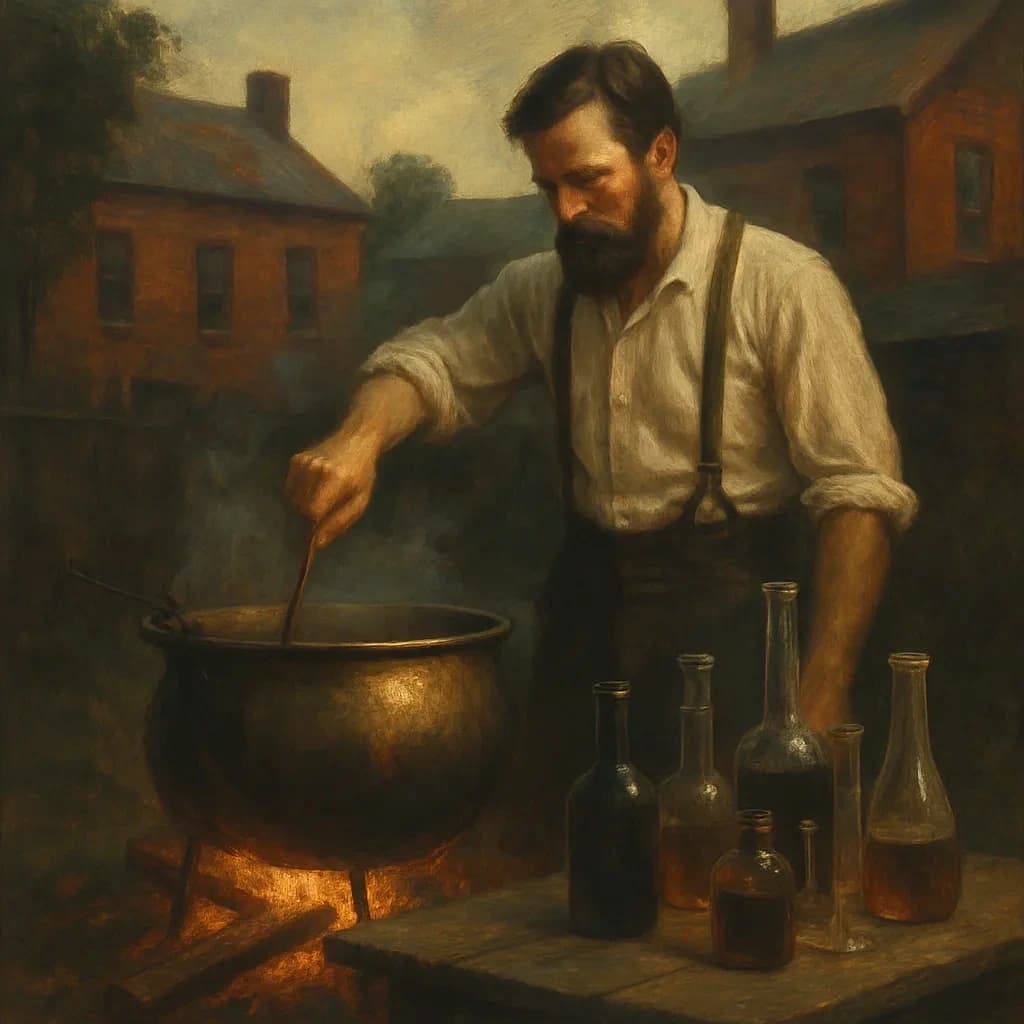
A Recipe to Cure Addiction Became Coca-Cola
A morphine-addicted Confederate veteran spent 1886 mixing tonics to cure himself, and stumbled into the most popular drink in history.
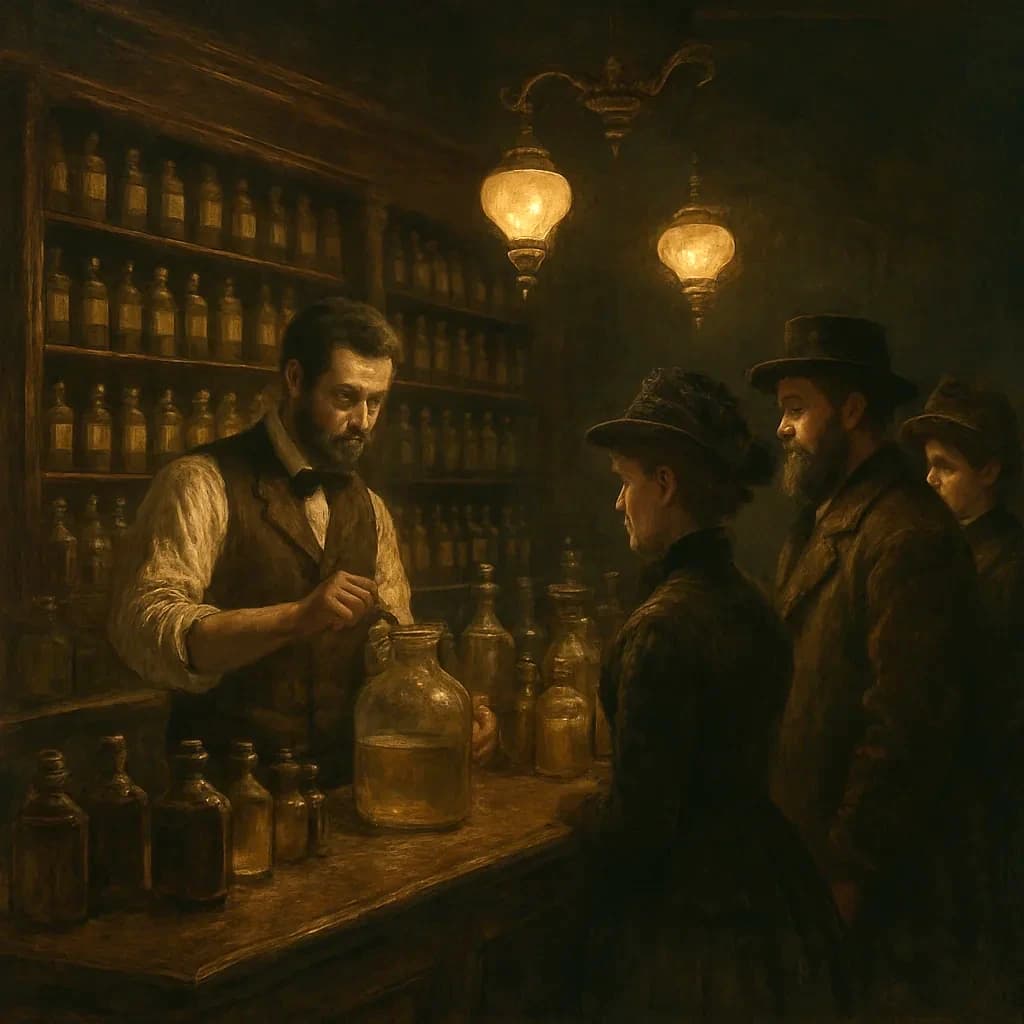
A Pharmacist's Headache Cure Nearly Stopped His Customers' Hearts
In 1886, a pharmacist's headache cure accidentally created the world's first energy drink, and nearly killed his customers.
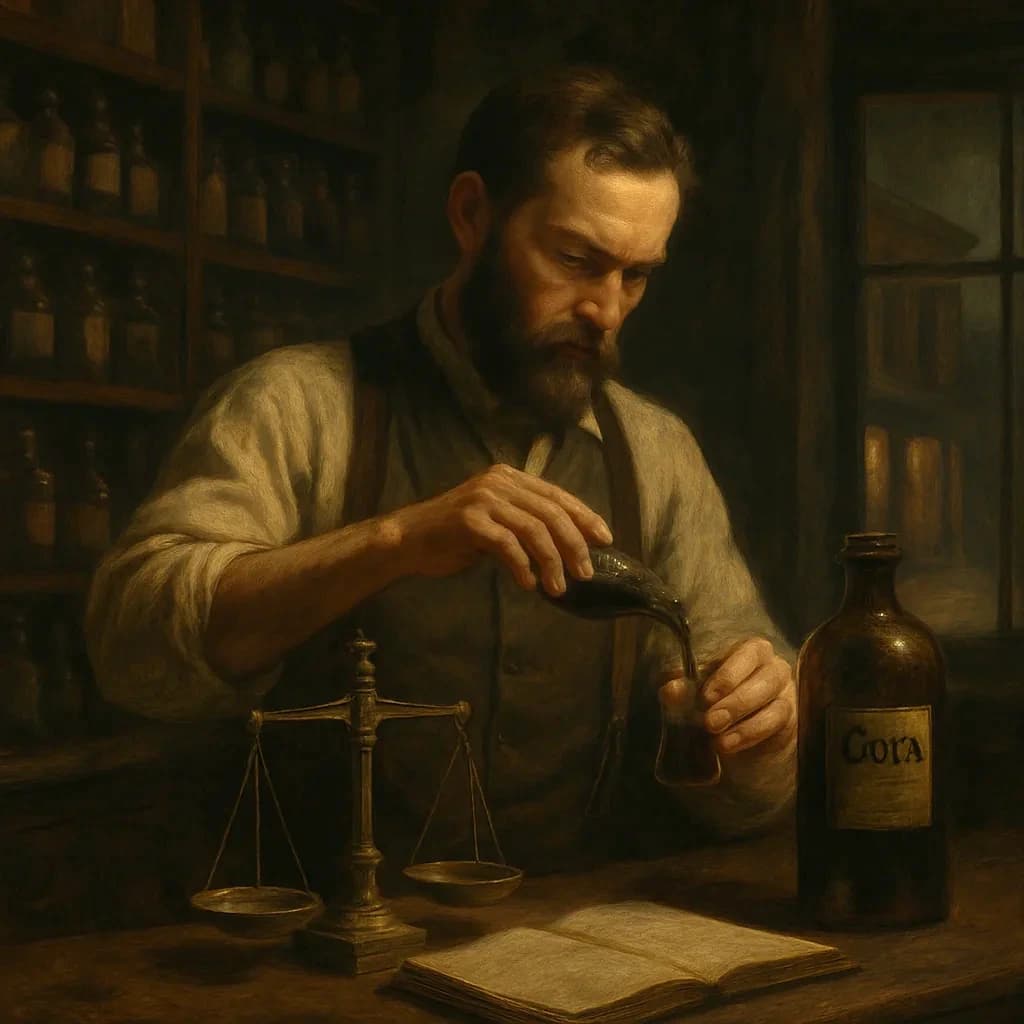
The Recipe That Made Fortunes and Killed Millions
In 1886, a pharmacist in Atlanta mixed a cure for headaches that would become humanity's most addictive legal drug.
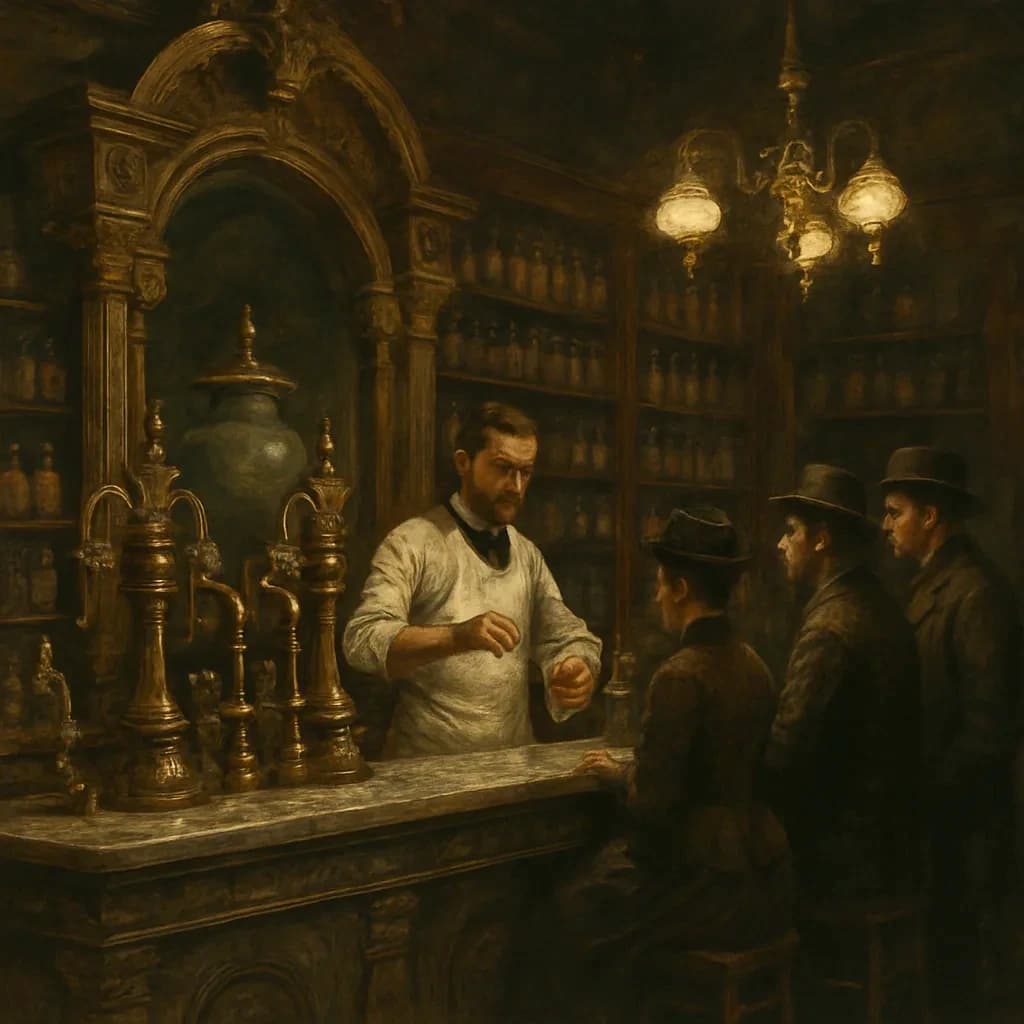
How a Distracted Soda Jerk Created Coca-Cola
A pharmacist's assistant in Atlanta mixed up a recipe in 1885 and stumbled into the most profitable mistake in American history.
- Pendergrast, Mark. For God, Country, and Coca-Cola: The Definitive History of the Great American Soft Drink. Basic Books, 2013.
- Candler, Charles Howard. Asa Griggs Candler. Emory University, 1950.
- Allen, Frederick. Secret Formula: How Brilliant Marketing and Relentless Salesmanship Made Coca-Cola the Best-Known Product in the World. HarperBusiness, 1995.