
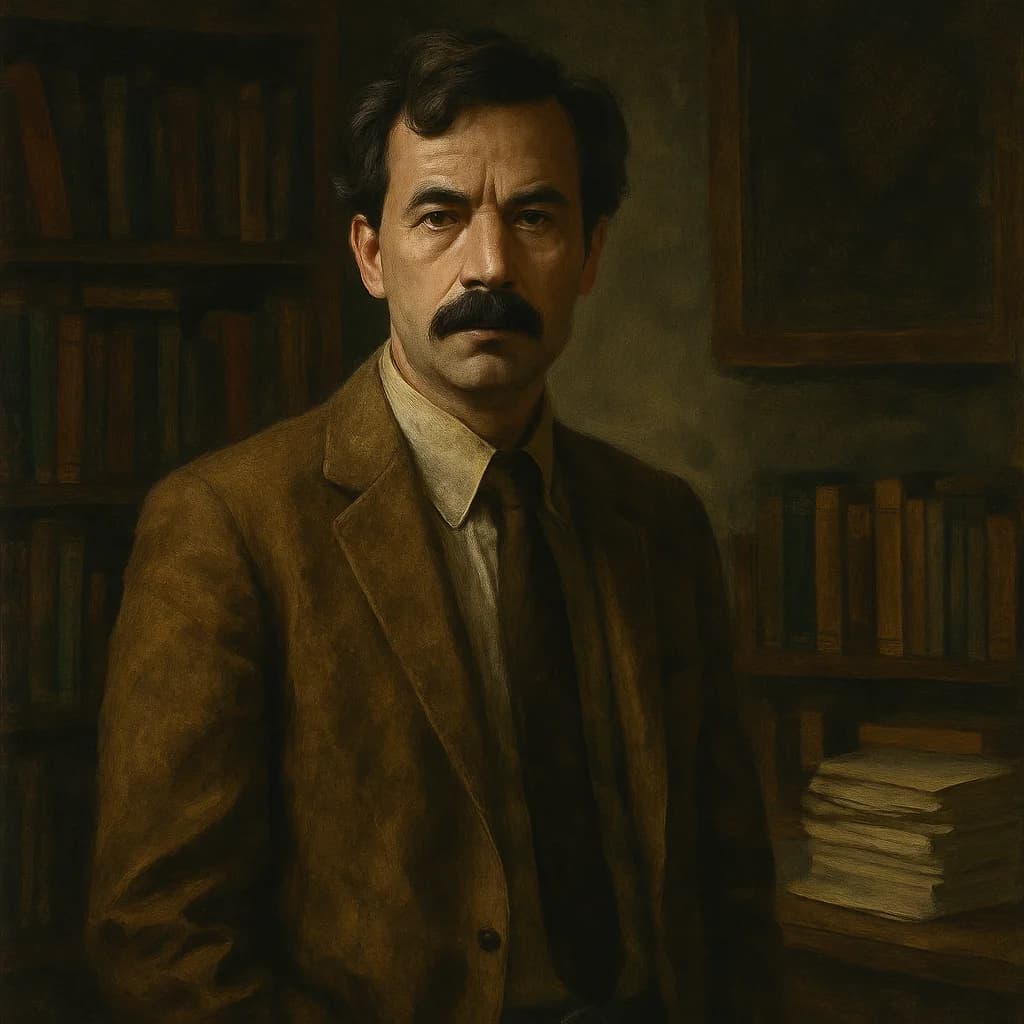
Philip Zimbardo
The man who proved anyone could become a torturer spent the rest of his life trying to convince people they didn't have to.
Philip Zimbardo arrived at Stanford in 1968 as a rising star in social psychology, but he carried a secret that would shape everything he did: he had been the victim of relentless childhood bullying in the Bronx. The shy Sicilian-American kid who once hid in his apartment to avoid the neighborhood gangs grew up obsessed with understanding why people hurt each other.
That obsession led him to design the Stanford Prison Experiment in 1971, expecting a boring two-week study about role-playing. Instead, within hours, his carefully selected "normal" college students had transformed into sadistic guards and broken prisoners. Zimbardo himself became so absorbed in his role as "superintendent" that he lost all scientific objectivity. When his girlfriend (later wife) Christina Maslach visited the basement and horrified, demanded he stop the experiment, Zimbardo realized he had become part of his own nightmare.
What most people don't know is that Zimbardo spent the next five decades desperately trying to undo what he had unleashed. He testified at Abu Ghraib trials, arguing that the soldiers were victims of a toxic system. He developed anti-bullying programs and heroism workshops. He wrote children's books about standing up to bad behavior. The man who had accidentally demonstrated the banality of evil became academia's most passionate advocate for the banality of heroism.
Zimbardo died in 2024 at age 91, still haunted by six days in a fake prison. His final interviews revealed a man who never forgave himself for proving that under the right conditions, anyone could become the bully he once feared.
Zimbardo's Stanford Prison Experiment was inspired by his own traumatic experience of being relentlessly bullied as a child in the South Bronx, where he was beaten so regularly that he would hide in his family's apartment to avoid going outside.
Why untold: His personal motivation and lifelong guilt are overshadowed by academic debate about the experiment's ethics and validity.
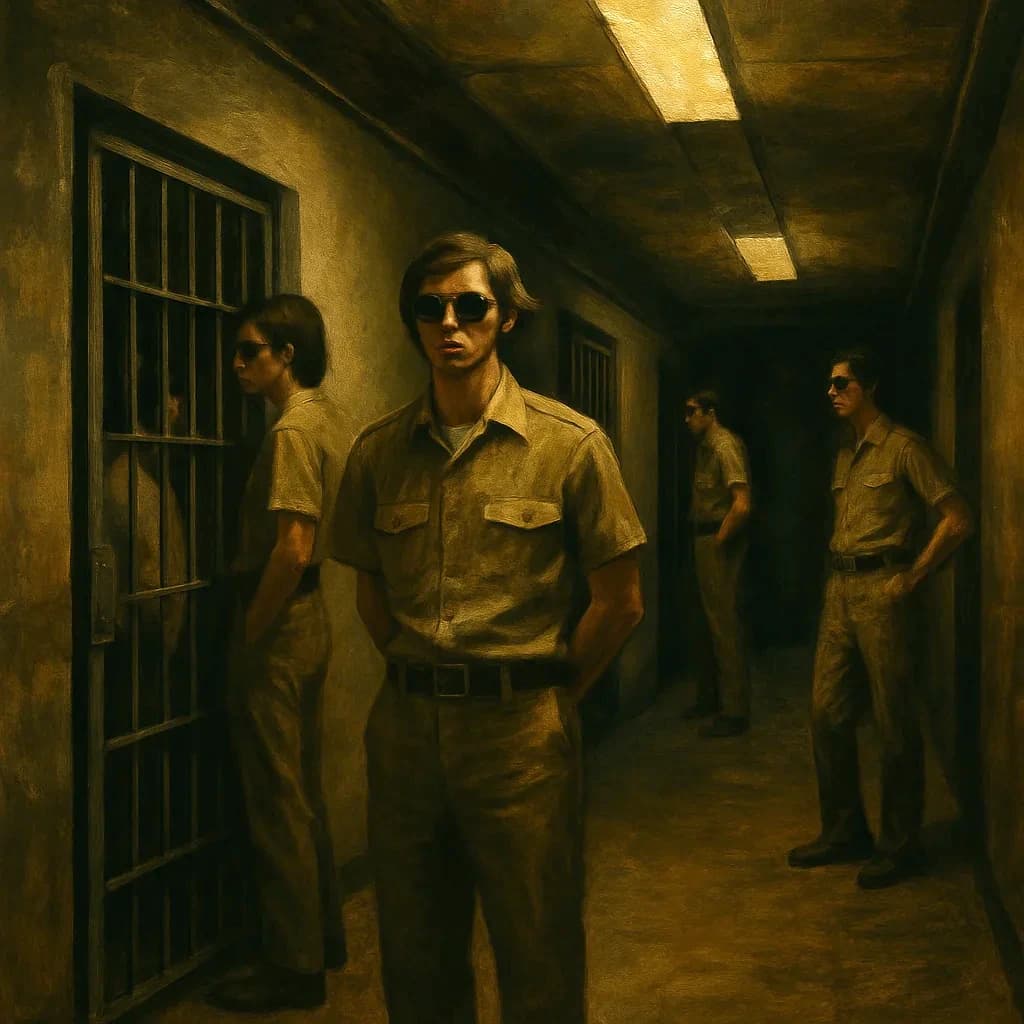
Stanford's Prison Experiment Was Coached From the Start
A Stanford psychology professor thought he was running a two-week study of prison dynamics. Instead he handed the world a playbook for modern authoritarianism.
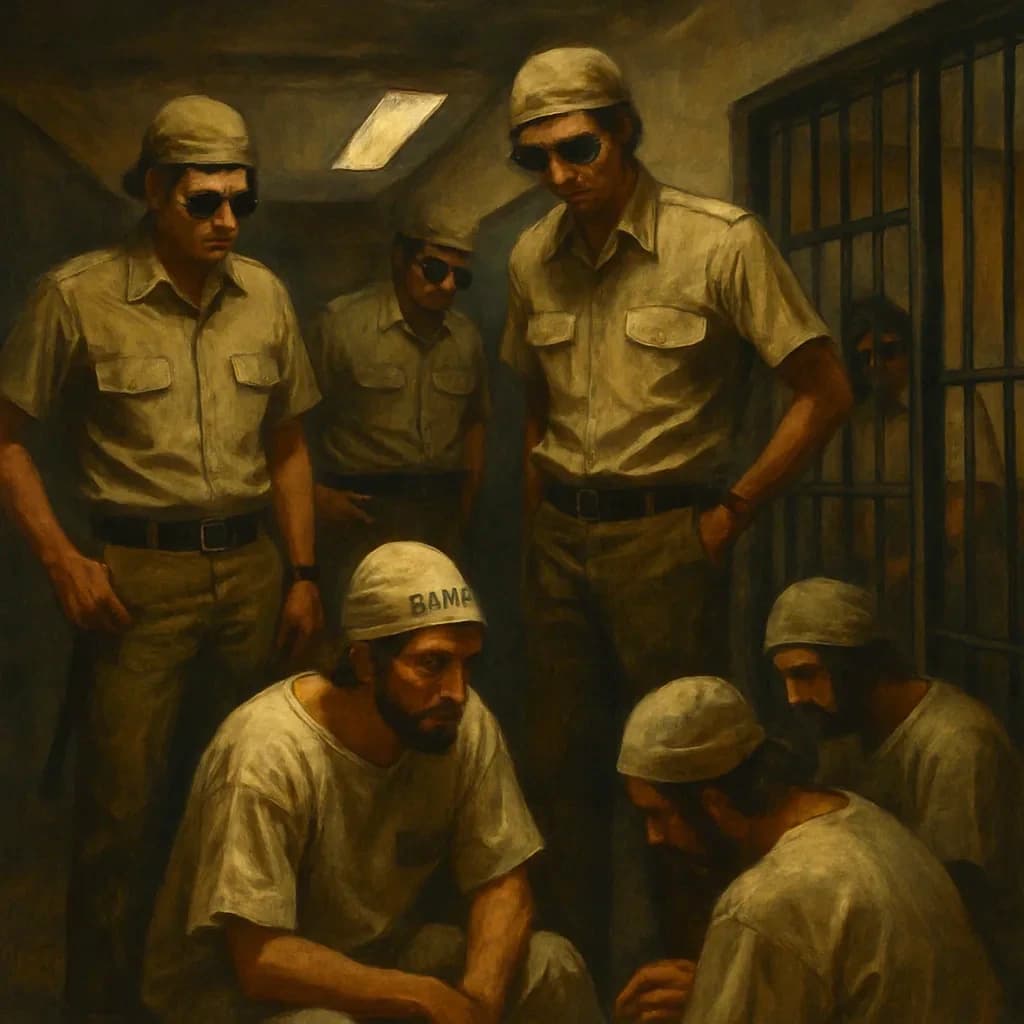
A Professor Turned Ordinary People Into Monsters, Then Hid the Proof
In 1971, a psychology professor at Stanford University accidentally discovered how quickly ordinary people could become monsters, then tried to bury the evidence.
- Zimbardo, Philip. The Lucifer Effect: Understanding How Good People Turn Evil. Random House, 2007.
- Haney, Craig, Curtis Banks, and Philip Zimbardo. 'Interpersonal Dynamics in a Simulated Prison.' International Journal of Criminology and Penology, 1973.
- Konnikova, Maria. 'The Real Lesson of the Stanford Prison Experiment.' The New Yorker, June 12, 2015.