

Christina Maslach
The psychology graduate student who stopped the most famous experiment in history became the world's leading expert on burnout, a connection that took decades to reveal itself.
Christina Maslach was just a 28-year-old graduate student when she walked into the basement of Stanford's psychology building on August 20, 1971, and saw something that would haunt her career forever. Philip Zimbardo's Stanford Prison Experiment was spiraling out of control, with student guards psychologically tormenting student prisoners. While dozens of faculty, graduate students, and even parents had witnessed the escalating brutality over six days, Maslach was the only person who said what everyone was thinking: "What you are doing to those boys is a terrible thing."
Zimbardo ended the experiment the next day. He also married Maslach two years later.
But the real story isn't the romantic meet-cute between two psychologists. It's how that moment of moral courage shaped Maslach's entire career in ways she didn't initially recognize. Disturbed by what she'd witnessed (the ease with which ordinary people could become cruel when given institutional power), she began studying the opposite phenomenon: what happens when good people try to help others but get crushed by the system instead.
This led her to research emotional exhaustion among healthcare workers, social workers, and teachers. She developed the Maslach Burnout Inventory in 1981, the gold standard for measuring occupational burnout. Her work identified three core symptoms: emotional exhaustion, depersonalization of clients, and reduced sense of personal accomplishment. What she discovered was chilling in its familiarity: institutions systematically dehumanize both those who serve and those being served.
Maslach spent forty years studying burnout, becoming the foremost authority on a condition that now affects millions worldwide. Only recently has she connected the dots publicly: that her intervention in 1971 and her life's work both stem from the same insight about how institutional power corrupts human empathy.
Christina Maslach's intervention to stop the Stanford Prison Experiment lasted exactly six minutes, but she spent the next four decades studying the institutional conditions that create the very dehumanization she witnessed that night.
Why untold: Her pivotal role in stopping the Stanford Prison Experiment is often reduced to a footnote about Zimbardo's future wife, obscuring how that moment launched groundbreaking research on institutional burnout.
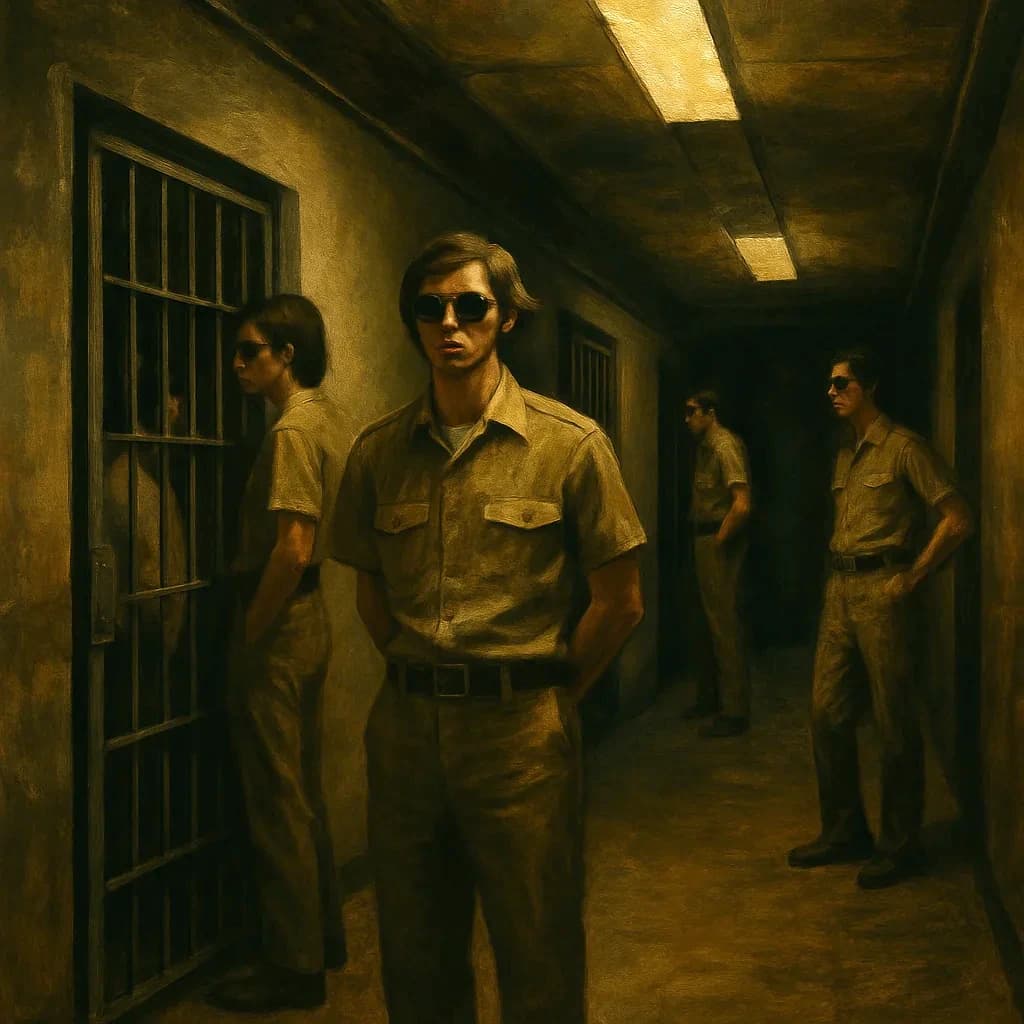
Stanford's Prison Experiment Was Coached From the Start
A Stanford psychology professor thought he was running a two-week study of prison dynamics. Instead he handed the world a playbook for modern authoritarianism.
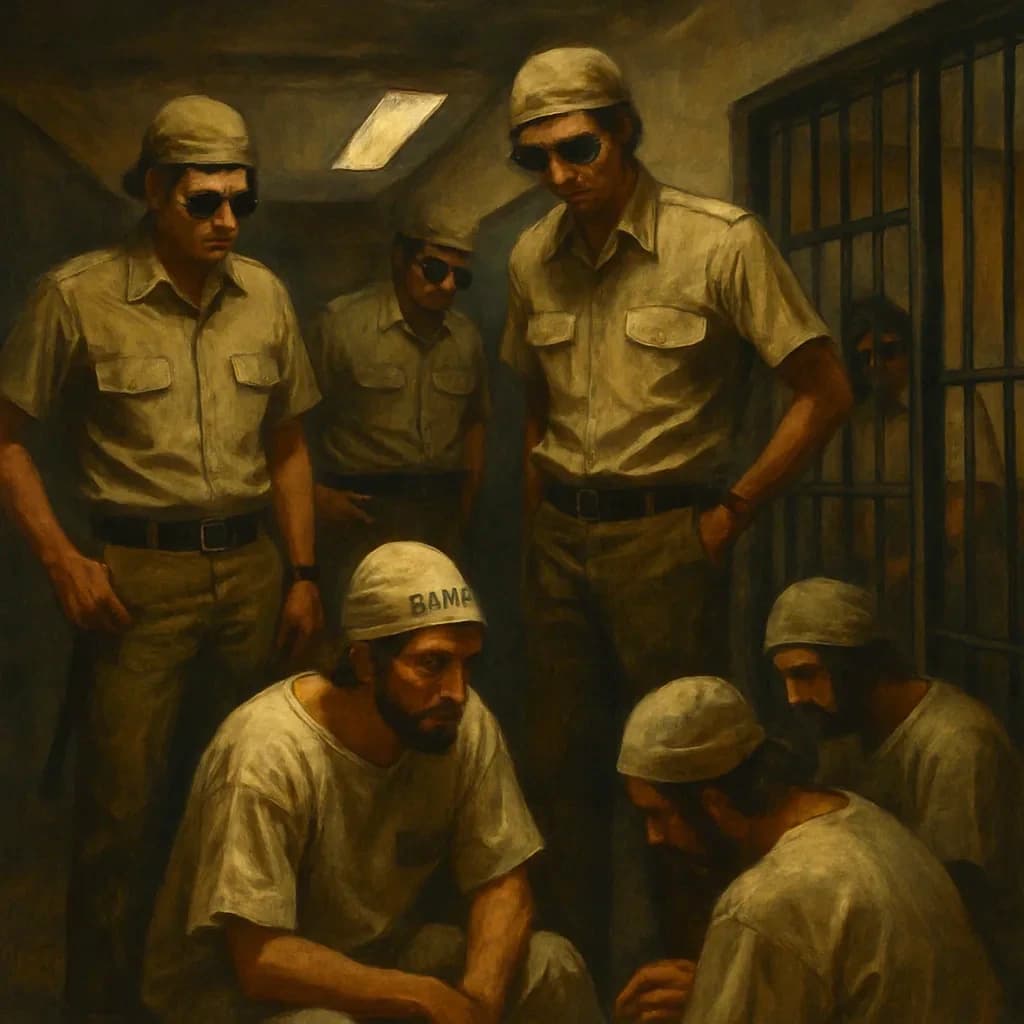
A Professor Turned Ordinary People Into Monsters, Then Hid the Proof
In 1971, a psychology professor at Stanford University accidentally discovered how quickly ordinary people could become monsters, then tried to bury the evidence.
- Zimbardo, Philip. The Lucifer Effect: Understanding How Good People Turn Evil. Random House, 2007.
- Maslach, Christina. The Truth About Burnout: How Organizations Cause Personal Stress and What to Do About It. Jossey-Bass, 1997.
- Le Texier, Thibault. 'Debunking the Stanford Prison Experiment.' American Psychologist, vol. 74, no. 7, 2019.