
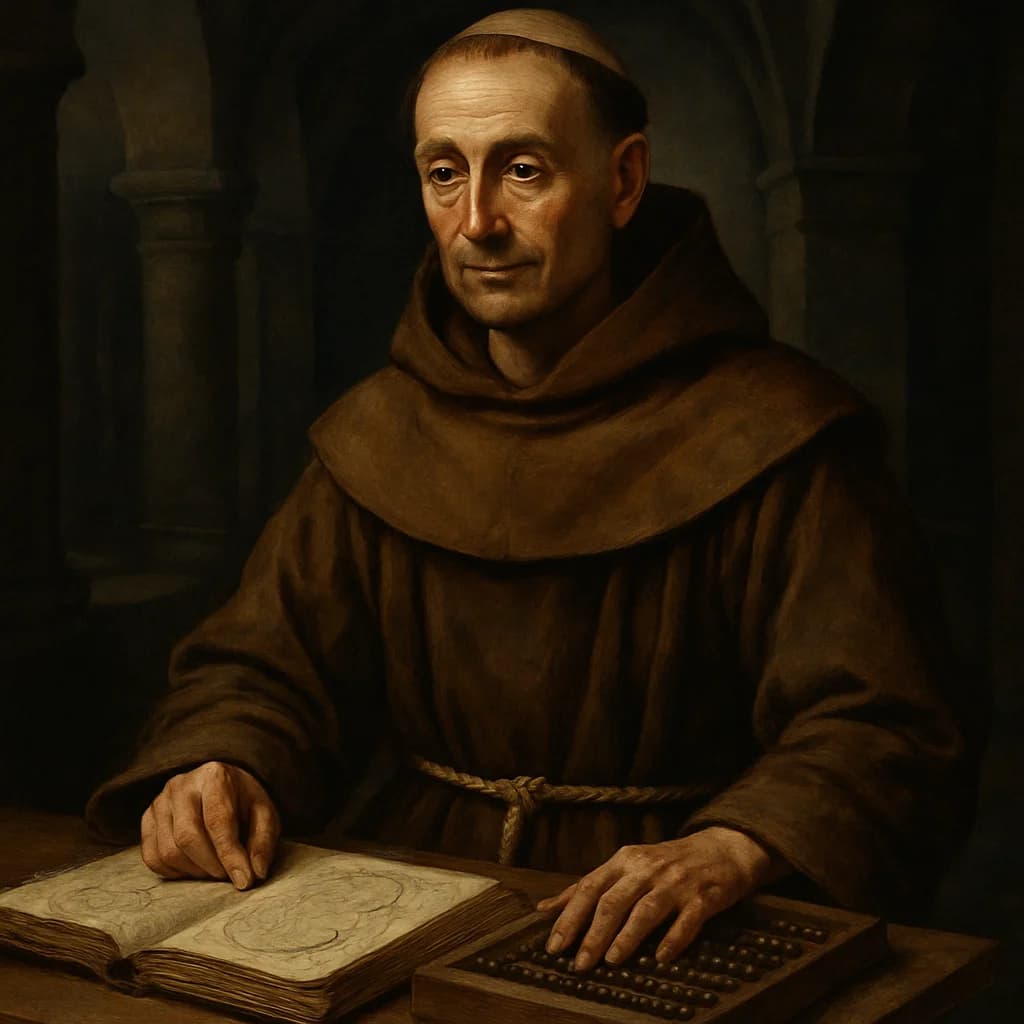
Luca Pacioli
The man who taught the world to count money was a Franciscan friar who had sworn a vow of poverty.
Fra Luca Pacioli spent his days in brown robes, praying and teaching mathematics to wealthy merchants' sons in Venice. Yet this barefoot monk would accidentally become the father of modern capitalism by writing what amounted to an instruction manual for getting rich.
Born around 1447 in the hilltop town of Borgo San Sepolcro, Pacioli discovered early that numbers were his calling. But instead of pursuing worldly success, he joined the Franciscan order and took vows of poverty, chastity, and obedience. The irony was exquisite: here was a man who couldn't own property teaching Venice's merchant princes how to track their fortunes with mathematical precision.
In 1494, while Leonardo da Vinci was sketching flying machines, Pacioli published the "Summa de Arithmetica." Buried within this massive mathematical treatise were twenty-seven pages that would reshape civilization: the first printed explanation of double-entry bookkeeping. He called it simply "the Venetian method." Assets on the left, liabilities on the right, everything balanced. It was elegant, almost mystical in its symmetry, and it allowed merchants to see their businesses with unprecedented clarity.
What makes Pacioli's story particularly fascinating is that he wasn't inventing anything new. Venetian traders had been using these methods for decades, passing them down like trade secrets. Pacioli was simply the first to write it all down, to democratize the knowledge that had been hoarded by merchant families. He took the invisible architecture of commerce and made it visible to anyone who could read Latin. Within decades, his system had spread across Europe, enabling the rise of joint-stock companies, international banking, and ultimately the modern economy itself.
Pacioli was Leonardo da Vinci's mathematics tutor and close friend. They lived together in Milan, where the monk taught the artist geometric principles that influenced works like "The Last Supper."
Why untold: Business schools teach his accounting methods without mentioning the religious paradox at their heart, a penniless monk creating the foundation of wealth accumulation.
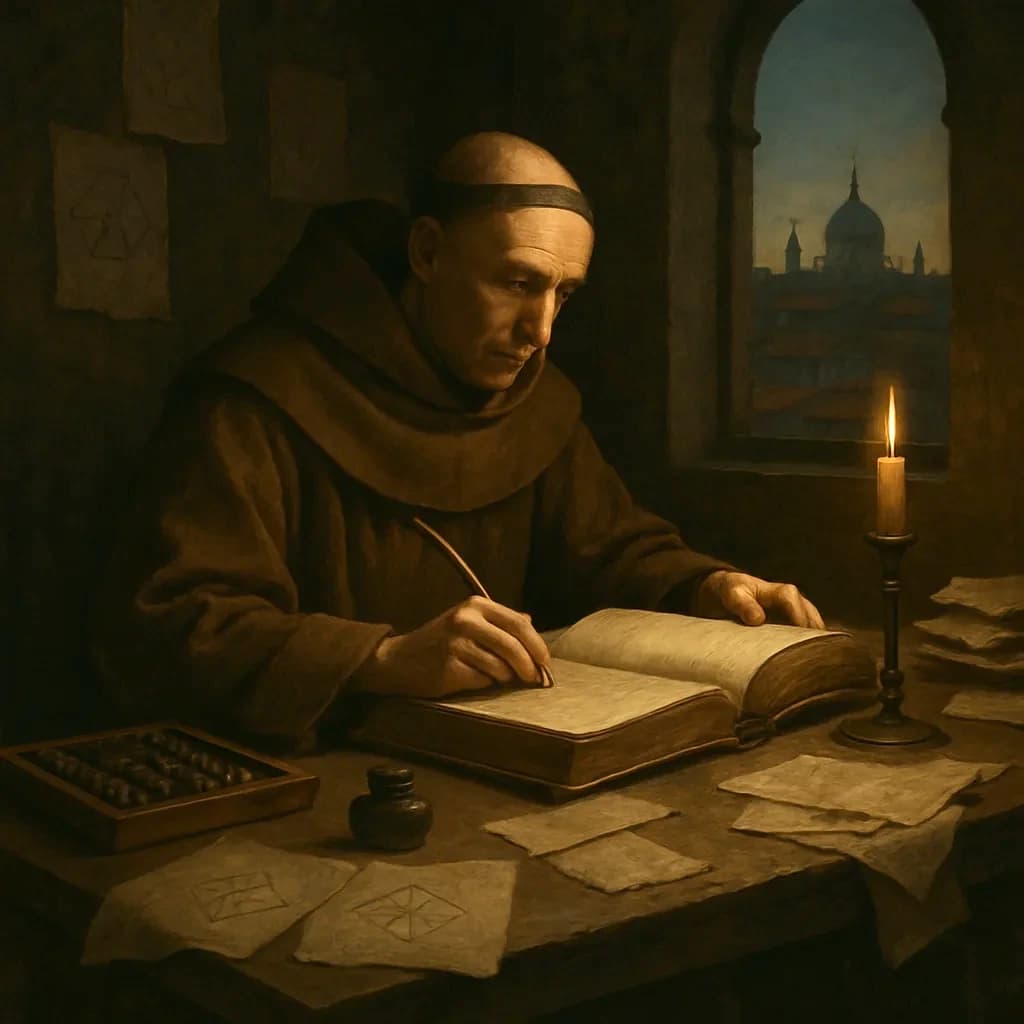
How a Venetian Friar Printed the Rules of Modern Accounting
A Franciscan friar published a math textbook in Venice, and buried inside it was the financial language every corporation on earth still speaks today.
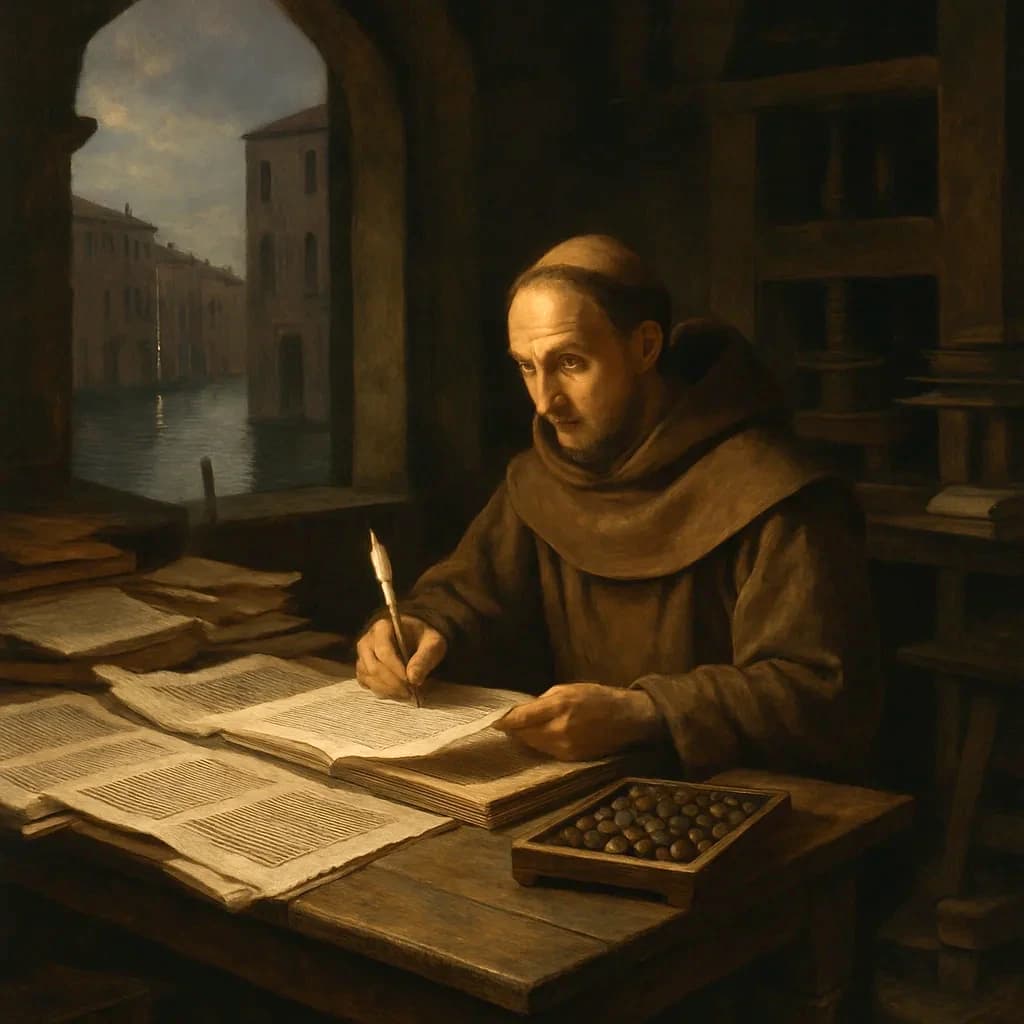
A Friar Who Played Chess With Leonardo Invented Modern Bookkeeping
The most powerful financial tool in human history wasn't invented by a banker. It was invented by a friar who spent his evenings playing chess with Leonardo da Vinci.
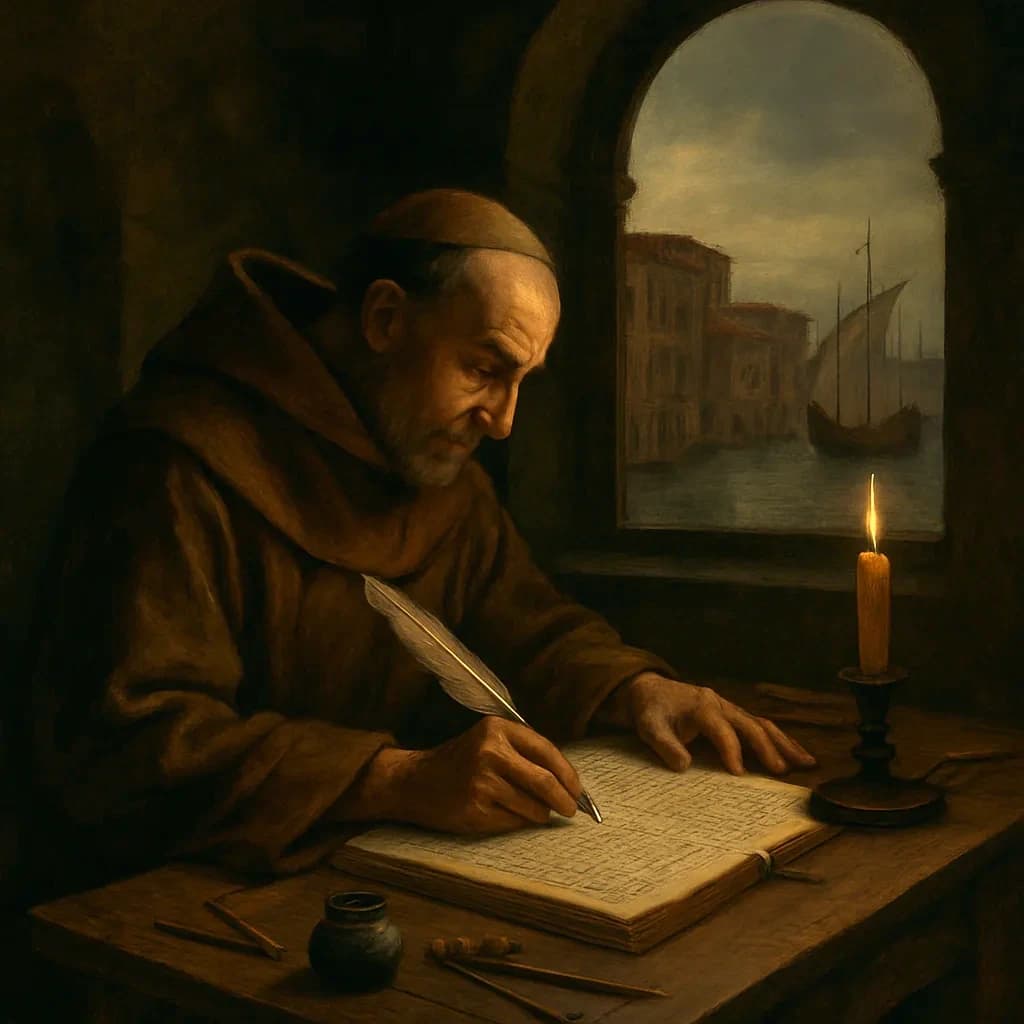
One Decimal Point That Bankrupted Venice
A single misplaced decimal in a Venetian ledger book created the modern financial system, and destroyed an empire in the process.
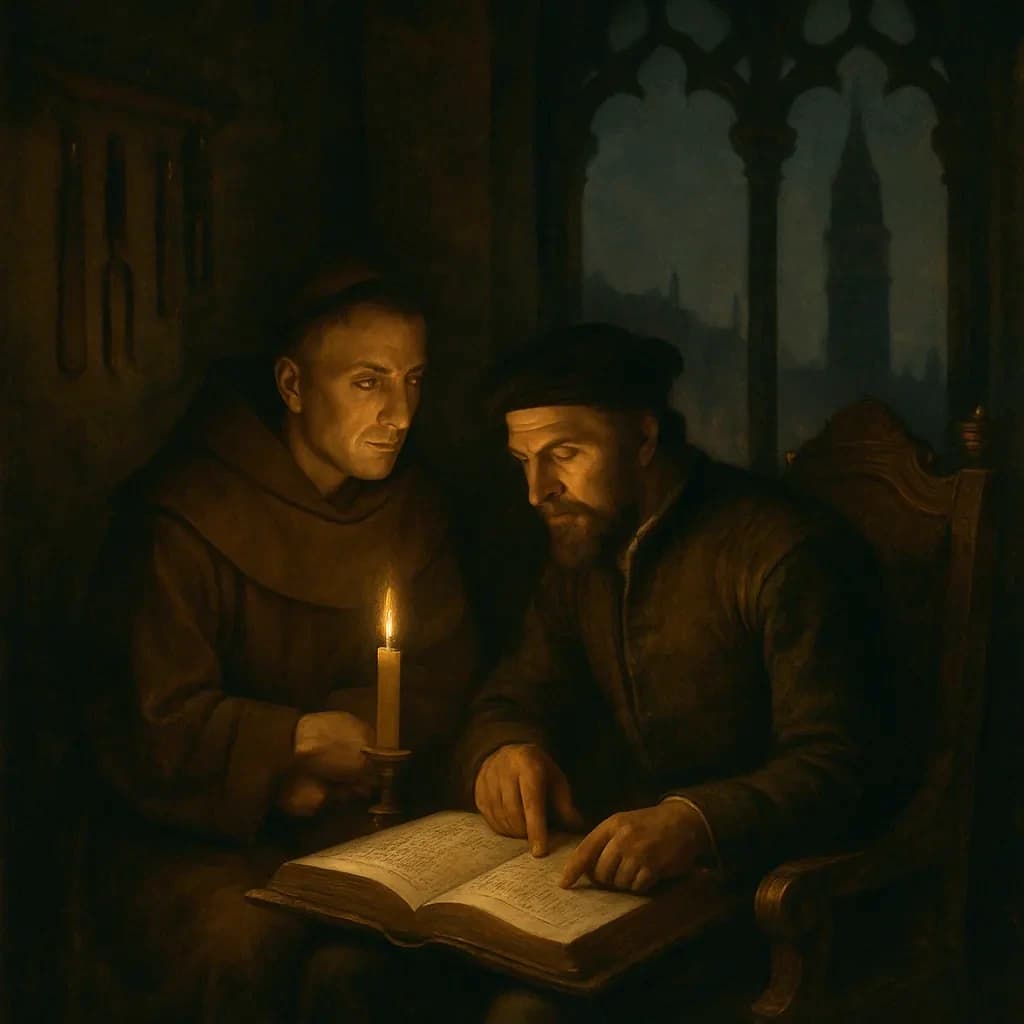
Double-Entry Bookkeeping Was Born in a Barbershop
A Venetian barber doing his midnight calculations in 1450 would reshape how Europe counted money forever.
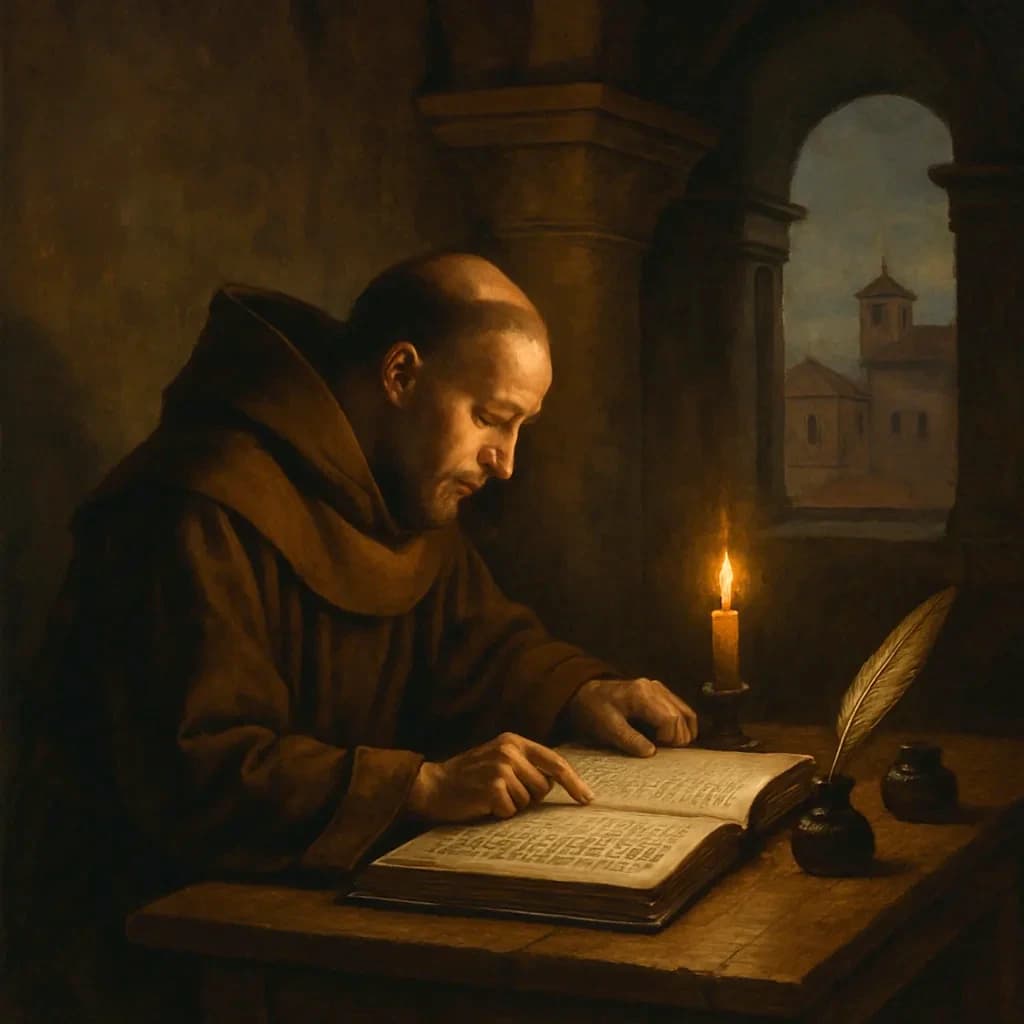
Twenty-Seven Pages That Invented Capitalism
A Venetian spice trader's secret bookkeeping method ended up giving birth to capitalism itself.
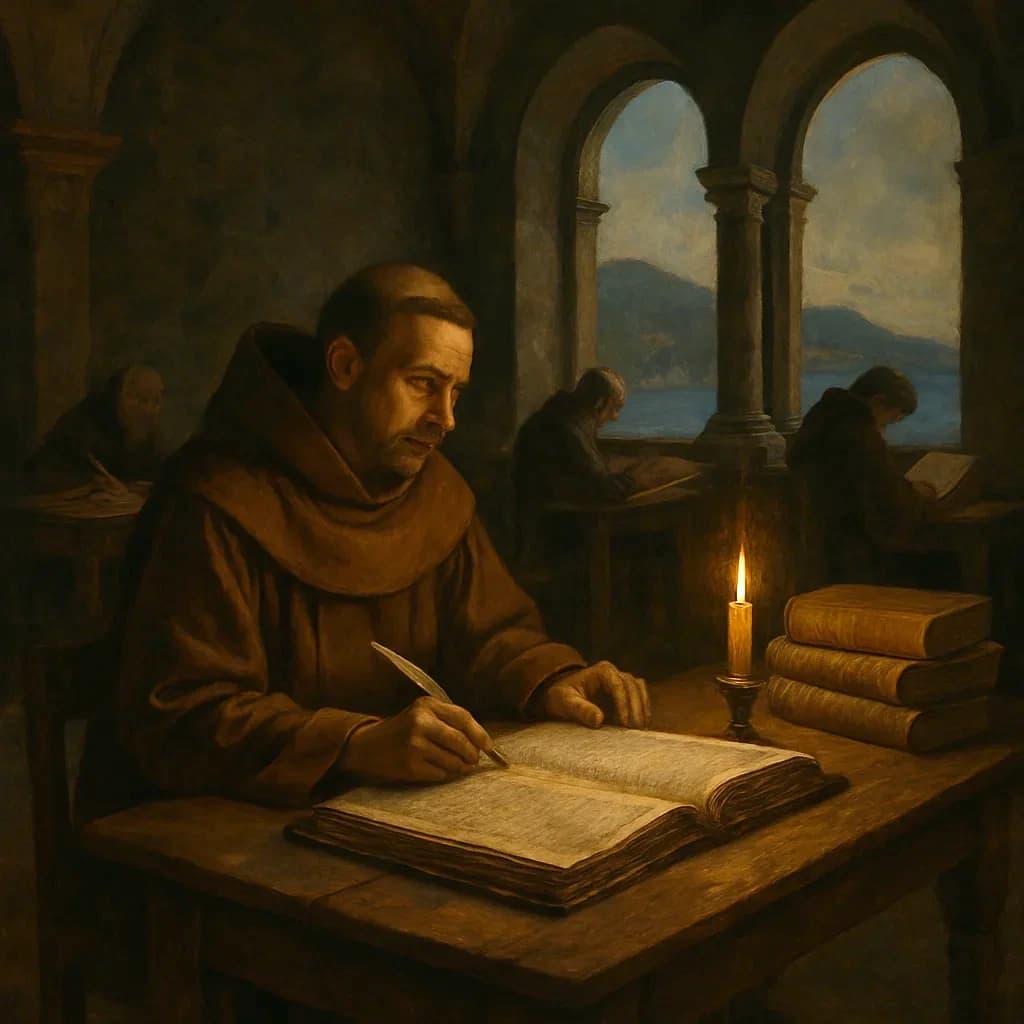
Why Merchants Started Writing Every Payment Twice
Reconciling his books in 1347, a Genoese banker stumbled into what would become double-entry bookkeeping, the foundation of modern capitalism.
- Gleeson-White, Jane. Double Entry: How the Merchants of Venice Created Modern Finance. Norton, 2012.
- Sangster, Alan. The Genesis of Double Entry Bookkeeping. The Accounting Review, 2016.
- Brown, Richard. A History of Accounting and Accountants. Edinburgh: T.C. & E.C. Jack, 1905.