
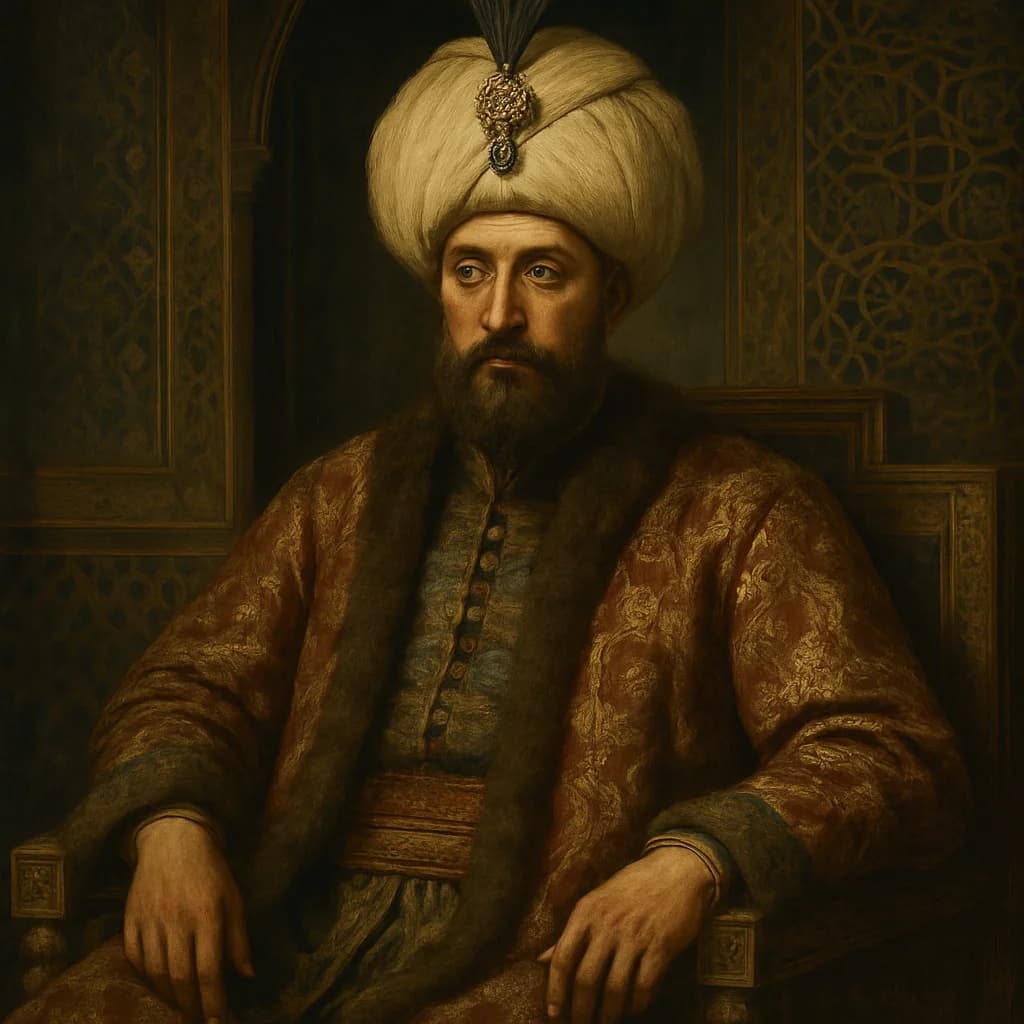
Lala Mustafa Pasha
The man who conquered Cyprus by accident became the Ottoman Empire's most feared general through a combination of brilliant strategy and catastrophic timing.
Lala Mustafa Pasha earned his nickname 'Lala' not from any military prowess, but because he served as a tutor to Ottoman princes, a palace pedagogue who somehow transformed into the empire's most ruthless field commander. Born into the devshirme system that recruited Christian boys for imperial service, he spent his early career teaching geography and mathematics to future sultans, skills that would prove unexpectedly useful when plotting siege trajectories.
His appointment to lead the Cyprus campaign in 1570 was meant as political exile. Sultan Selim II wanted him away from court intrigues, not expecting him to actually succeed. But Mustafa's classroom precision translated perfectly to military logistics. He calculated supply lines like lesson plans and treated fortress walls like geometry problems to be solved. The siege of Nicosia fell in six weeks through methodical engineering rather than heroic charges.
Famagusta proved different. What should have been another textbook victory stretched into an eleven-month nightmare that consumed 50,000 Ottoman lives. Mustafa's mathematical mind couldn't account for Venetian desperation or the psychological warfare of a siege that dragged through winter. When the city finally surrendered in August 1571, his promise of safe passage lasted exactly until the gates opened. The massacre that followed wasn't strategic brutality. It was the explosion of a man whose careful calculations had been shattered by human unpredictability.
Mustafa returned to Constantinople as a hero, but the Famagusta bloodbath haunted his reputation. He spent his final years as Grand Vizier, applying his tutor's patience to imperial administration, trying to govern an empire that increasingly resembled his most unruly students.
Mustafa Pasha designed the Ottoman Empire's first standardized military education curriculum, requiring all officers to study mathematics and engineering, innovations that came directly from his teaching background.
Why untold: His origins as a palace tutor are overshadowed by his military reputation, obscuring how educational methodology shaped Ottoman conquest strategy.
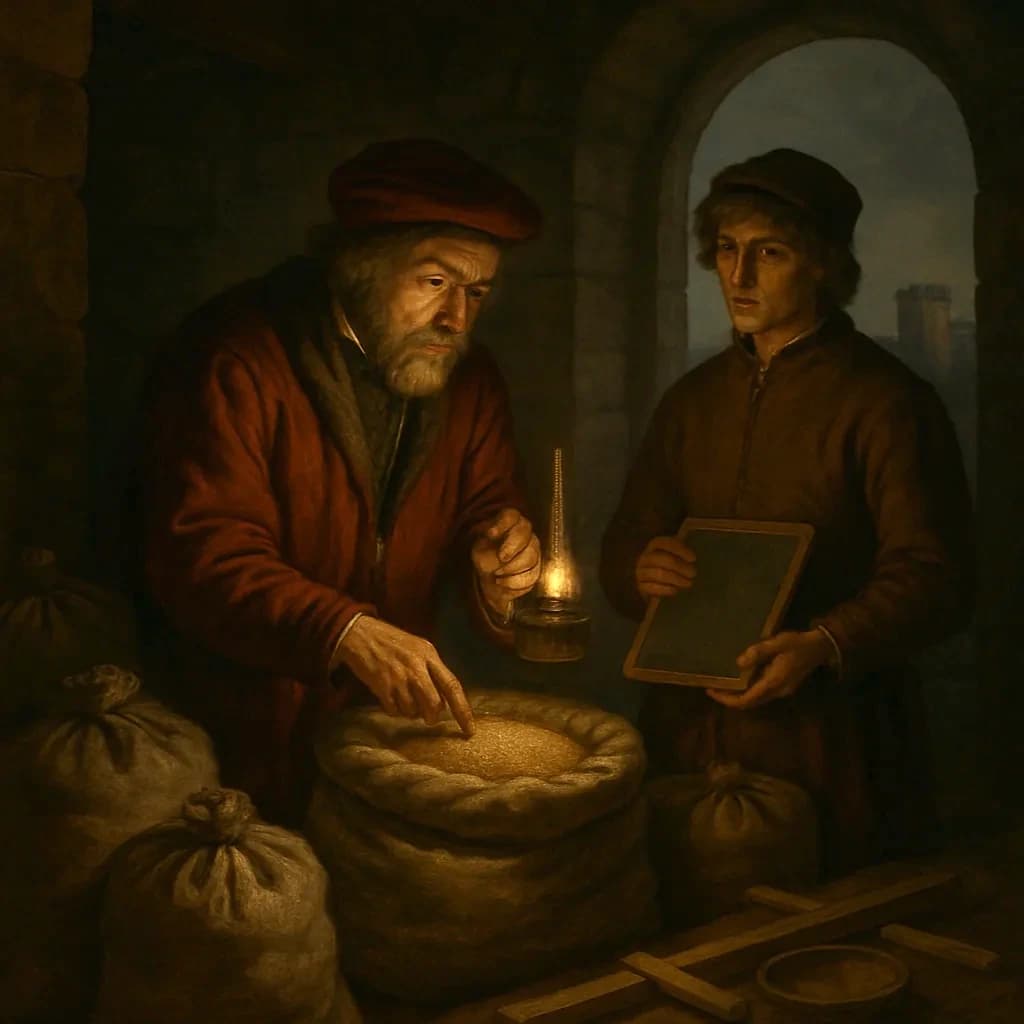
A Counting Error That Doomed Famagusta
A single miscalculation in a Venetian ledger book triggered the bloodiest siege of the Renaissance.
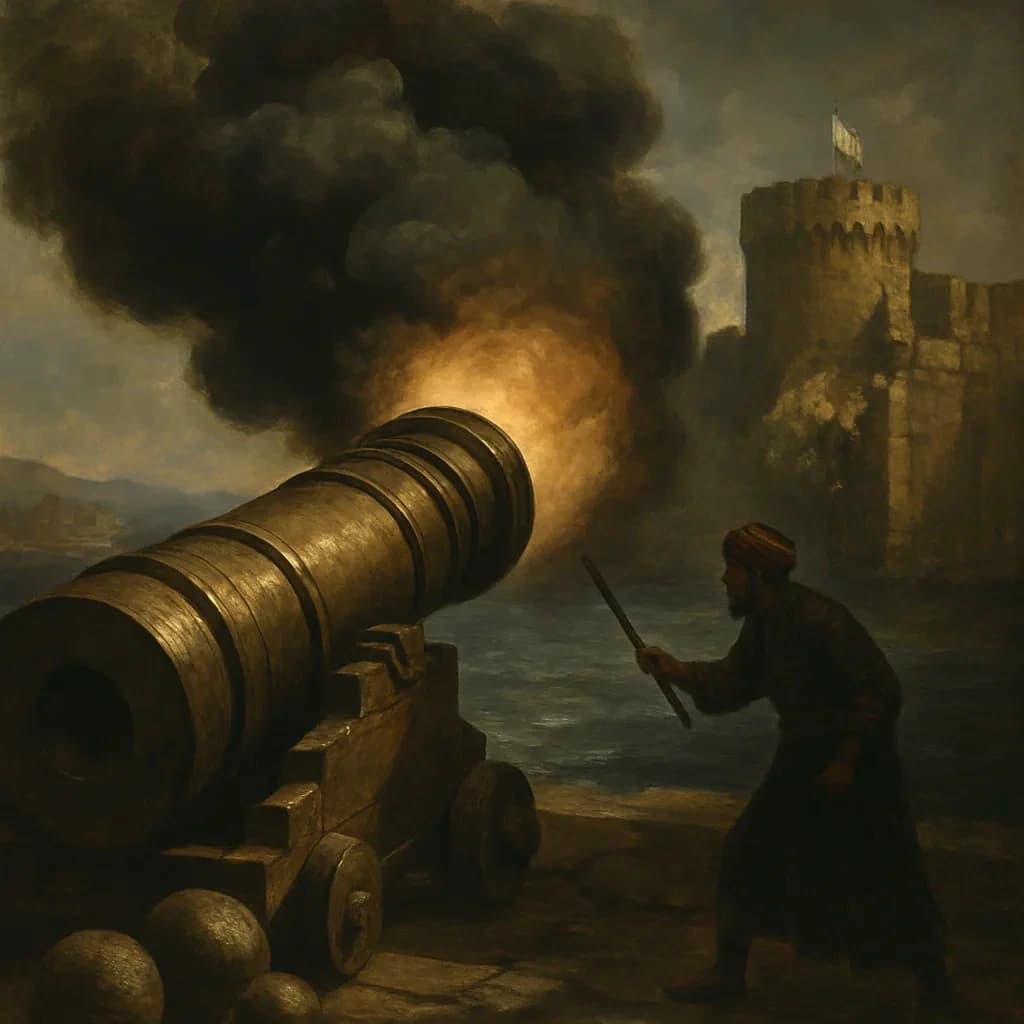
The Deaf Gunner Who Fired After the Surrender
An Ottoman siege cannon finished firing just as the defenders surrendered, but nobody heard the white flag go up over the roar.
- Gilles Veinstein, 'State and Society in the Ottoman Empire'
- Molly Greene, 'A Shared World: Christians and Muslims in the Early Modern Mediterranean'
- Colin Imber, 'The Ottoman Empire, 1300-1650: The Structure of Power'