

Klaus Schmidt
The man who rewrote human history spent his final years racing against time and grave robbers, knowing his discovery would die with him.
Klaus Schmidt never set out to shatter our understanding of civilization. The German archaeologist arrived at Göbekli Tepe in 1994 expecting to catalog a medieval cemetery for a routine survey. Instead, he found himself staring at carved limestone pillars that predated Stonehenge by six thousand years, massive T-shaped monoliths arranged in perfect circles, decorated with foxes, lions, and scorpions carved by people who supposedly hadn't yet invented pottery.
For sixteen years, Schmidt lived a strange double life. Mornings were spent in academic battles, defending findings so radical they threatened to collapse archaeology's timeline. His peers dismissed Göbekli Tepe as impossible. How could hunter-gatherers have organized such construction? Schmidt's evenings belonged to a more urgent war: protecting the site from looters who dynamited ancient stones to sell fragments to collectors. He slept in a construction trailer, personally standing guard over humanity's oldest temple.
The irony consumed him. The very nomads whose ancestors built Göbekli Tepe were now destroying it for quick cash. Schmidt watched Kurdish villagers (direct descendants of the site's creators) use ancient pillars as building materials for their homes. Every carved stone they hauled away erased another piece of the puzzle he'd devoted his life to solving.
When Schmidt died suddenly in 2014, he left behind excavation notes written in a private shorthand no one else could decipher. His life's work (proof that organized religion preceded agriculture, that temple-building drove the agricultural revolution rather than following it) remained locked in his head. The man who discovered humanity's birth certificate took its secrets to his grave.
Schmidt deliberately kept his excavation methods secret and trained no successor, believing that revealing Göbekli Tepe too quickly would lead to its destruction by treasure hunters and unqualified archaeologists.
Why untold: Academic archaeology rarely celebrates individuals, focusing instead on collective institutional discoveries, while Schmidt's paranoid secrecy prevented his personal story from being documented.
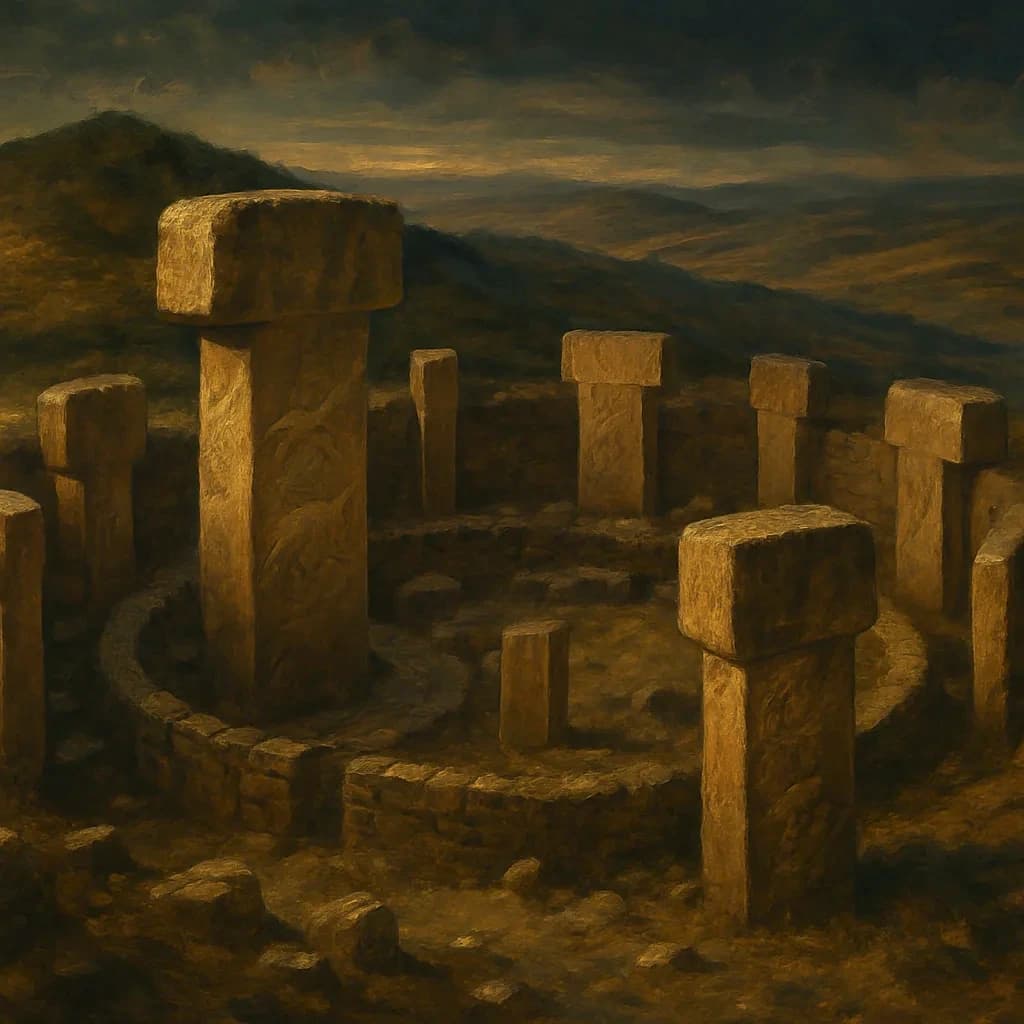
The Temple Older Than Farming
A shepherd's curiosity about some old carved rocks led archaeologists to rewrite the beginning of human civilization.
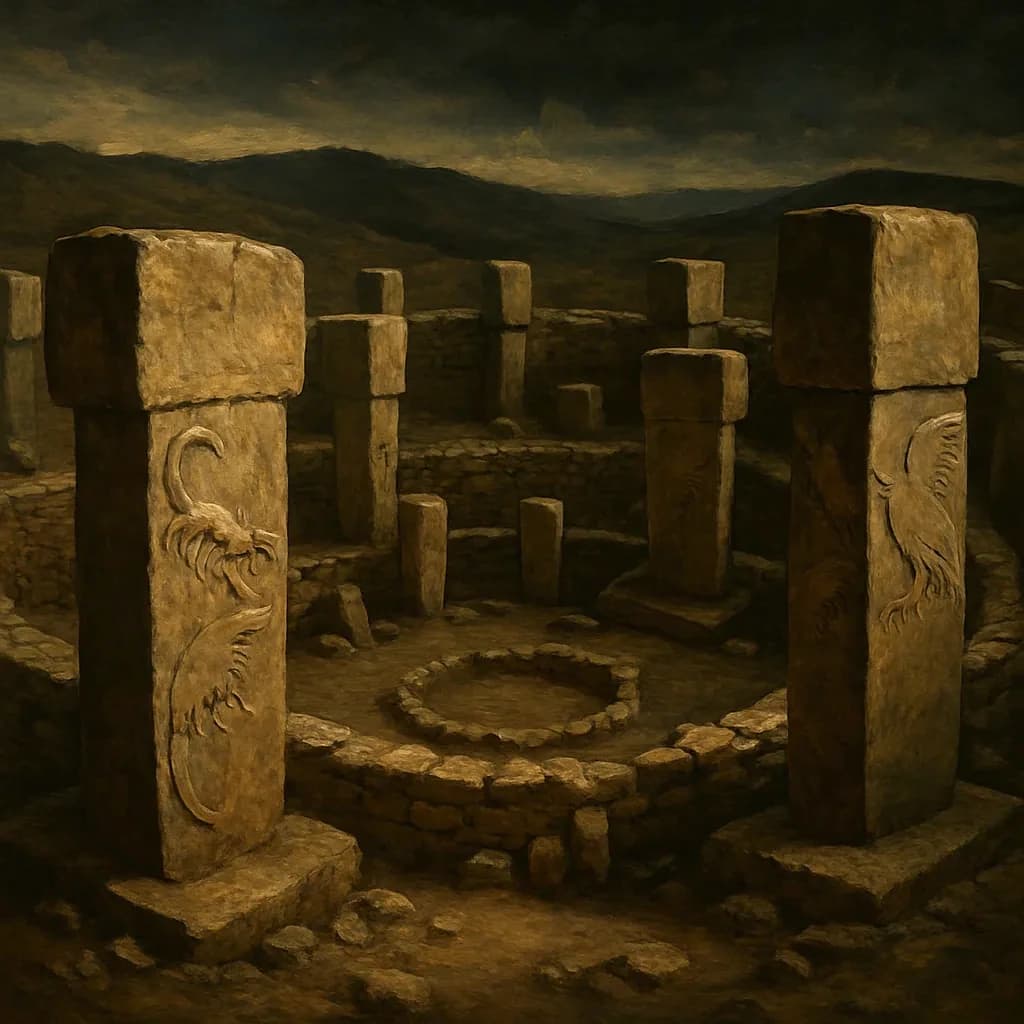
An Illiterate Shepherd Stumbled Onto the World's Oldest Temple
In 1915, an illiterate shepherd stumbled onto the world's oldest temple, and almost destroyed humanity's understanding of civilization itself.
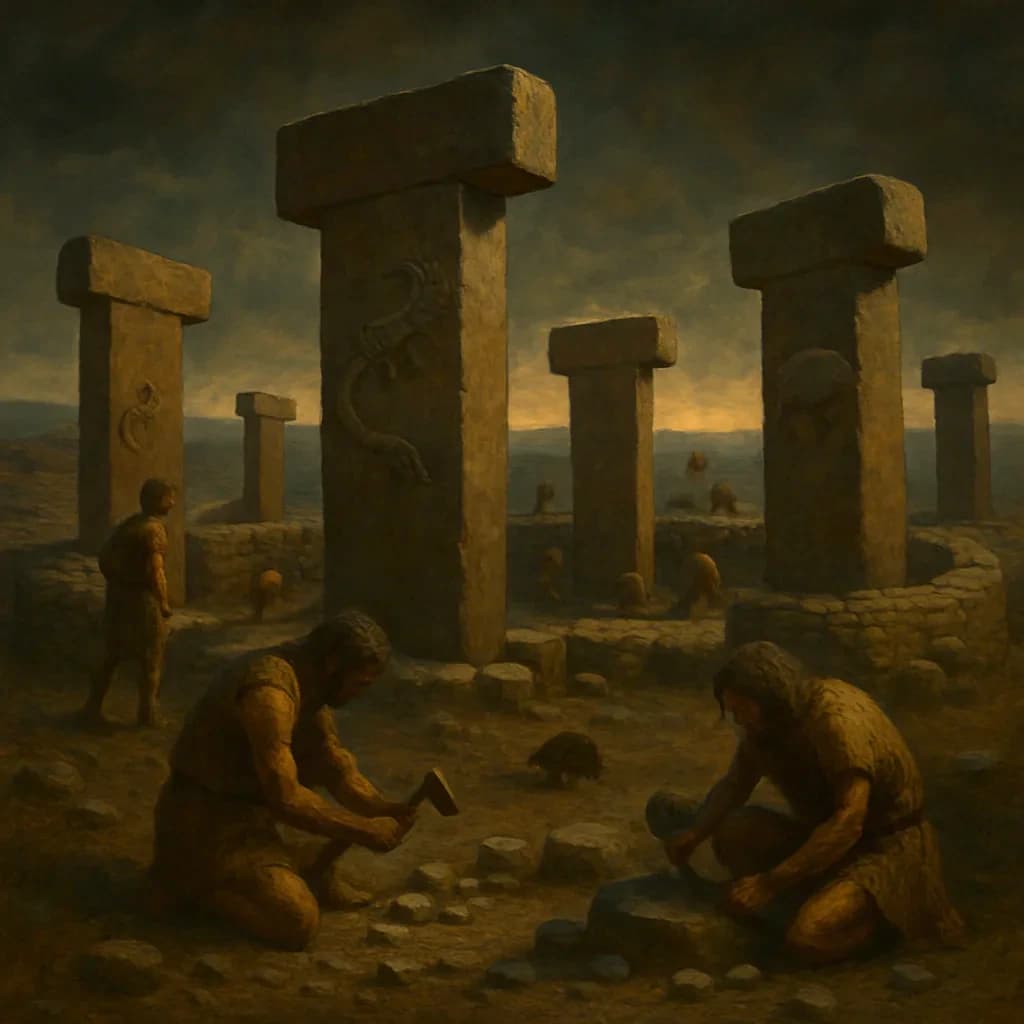
They Built an Impossible Temple, Then Buried It on Purpose
Before the pyramids existed, humans built a temple so complex it shouldn't have been possible, then buried it on purpose.
- Mann, Charles C. 'The Birth of Religion.' National Geographic, June 2011
- Curry, Andrew. 'Gobekli Tepe: The World's First Temple?' Smithsonian Magazine, November 2008
- Schmidt, Klaus. 'Göbekli Tepe: A Stone Age Sanctuary in South-Eastern Anatolia.' Ex Oriente, 2012