

Şahin Korkut
The man who accidentally rewrote the dawn of civilization never learned to read a single word about it.
Sometime in 1963, a shepherd named Şahin Korkut was moving his flock across the limestone ridges of southeastern Turkey, near the town of Örencik, when he noticed something wrong with the hillside. The ground humped strangely. Stones jutted at odd angles, too regular, too deliberate. He did what shepherds do with things that don't concern them. He noted it, and moved on. But the image stayed.
Korkut eventually reported what he'd seen to local authorities. The information crawled through the system in the way such things do: slowly, skeptically, across layers of bureaucracy that had no particular reason to take a shepherd's word for anything. When Turkish and German archaeologists finally arrived to look seriously at the site in 1994 (thirty-one years later), they found that Şahin Korkut had been standing on top of Göbekli Tepe. A temple complex built approximately 11,600 years ago. Older than Stonehenge by six millennia. Older than the Egyptian pyramids by seven. Older, according to the archaeological consensus at the time, than civilization itself was supposed to be capable of producing.
The dig led by Klaus Schmidt revealed T-shaped limestone pillars up to six meters tall, carved with foxes, scorpions, vultures, and abstract human forms, assembled by people who, by the reigning theory, should have been too busy hunting and gathering to build anything at all. Göbekli Tepe forced a fundamental rethink: maybe it wasn't agriculture that created organized society. Maybe it was religion, ritual, the need to gather and build together, that came first. The monument preceded farming. The temple preceded the village.
Korkut lived out his life in the region, a local man connected to a global revelation he had no formal language for. He died before the site became a UNESCO World Heritage designation in 2018, before the headlines, before the documentaries. What he found (that strange hump in the hill, those stubborn right-angle stones) had been waiting there for over eleven thousand years for someone to notice it. He did. The rest took another three decades to catch up.
A 1963 survey conducted by the University of Chicago and Istanbul University had already catalogued the site and dismissed it as a Byzantine cemetery. The very T-shaped pillars were logged as 'grave markers' and the report was filed away, stalling serious investigation for another three decades.
Why untold: Because the discoverer was an illiterate shepherd with no institutional affiliation, his observation was absorbed into the academic record as a footnote to the careers of the archaeologists who followed, erasing the three-decade gap between the moment of finding and the moment of recognition.
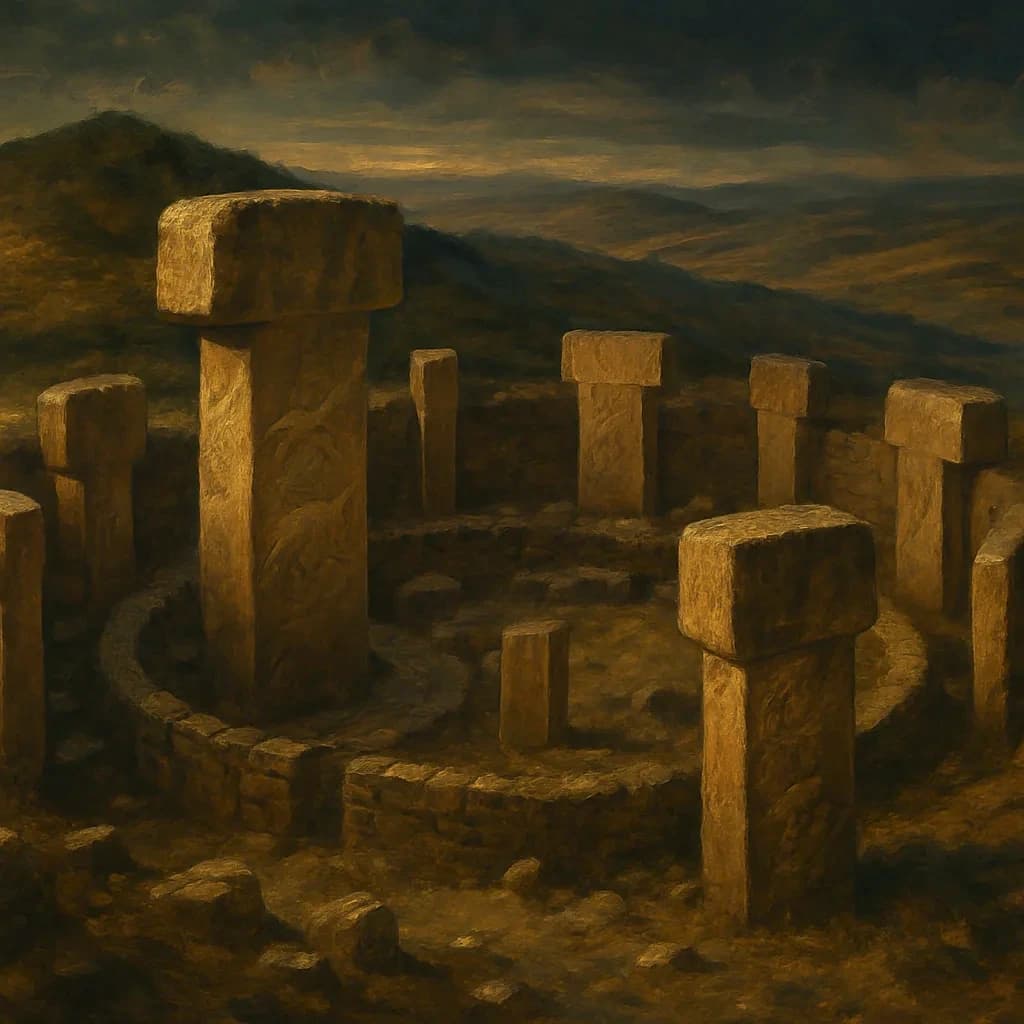
The Temple Older Than Farming
A shepherd's curiosity about some old carved rocks led archaeologists to rewrite the beginning of human civilization.
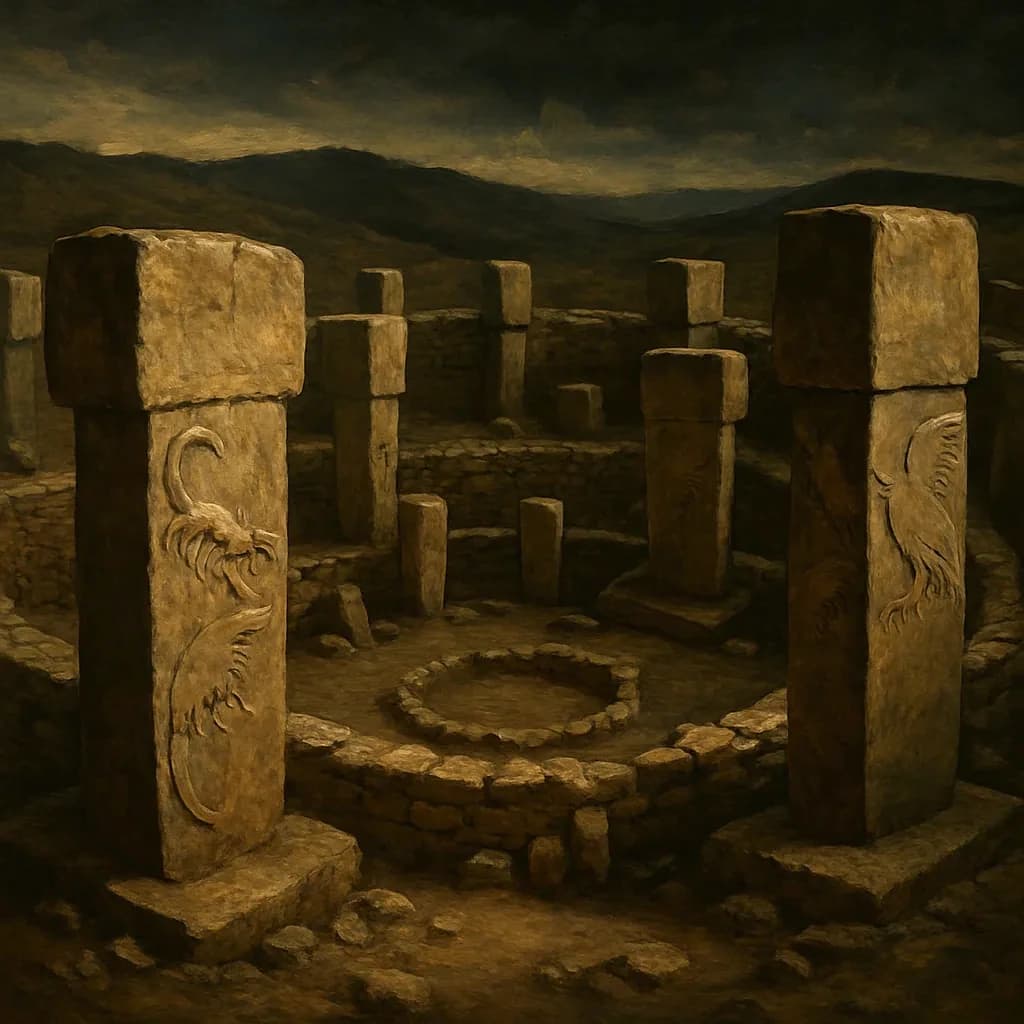
An Illiterate Shepherd Stumbled Onto the World's Oldest Temple
In 1915, an illiterate shepherd stumbled onto the world's oldest temple, and almost destroyed humanity's understanding of civilization itself.
- Schmidt, Klaus. 'Göbekli Tepe, the Stone Age Sanctuaries: New results of ongoing excavations with a special focus on sculptures and high reliefs.' Documenta Praehistorica 37 (2010): 239-256.
- Curry, Andrew. 'Göbekli Tepe: The World's First Temple?' Smithsonian Magazine, November 2008.
- Mann, Charles C. 'The Birth of Religion.' National Geographic, June 2011.