
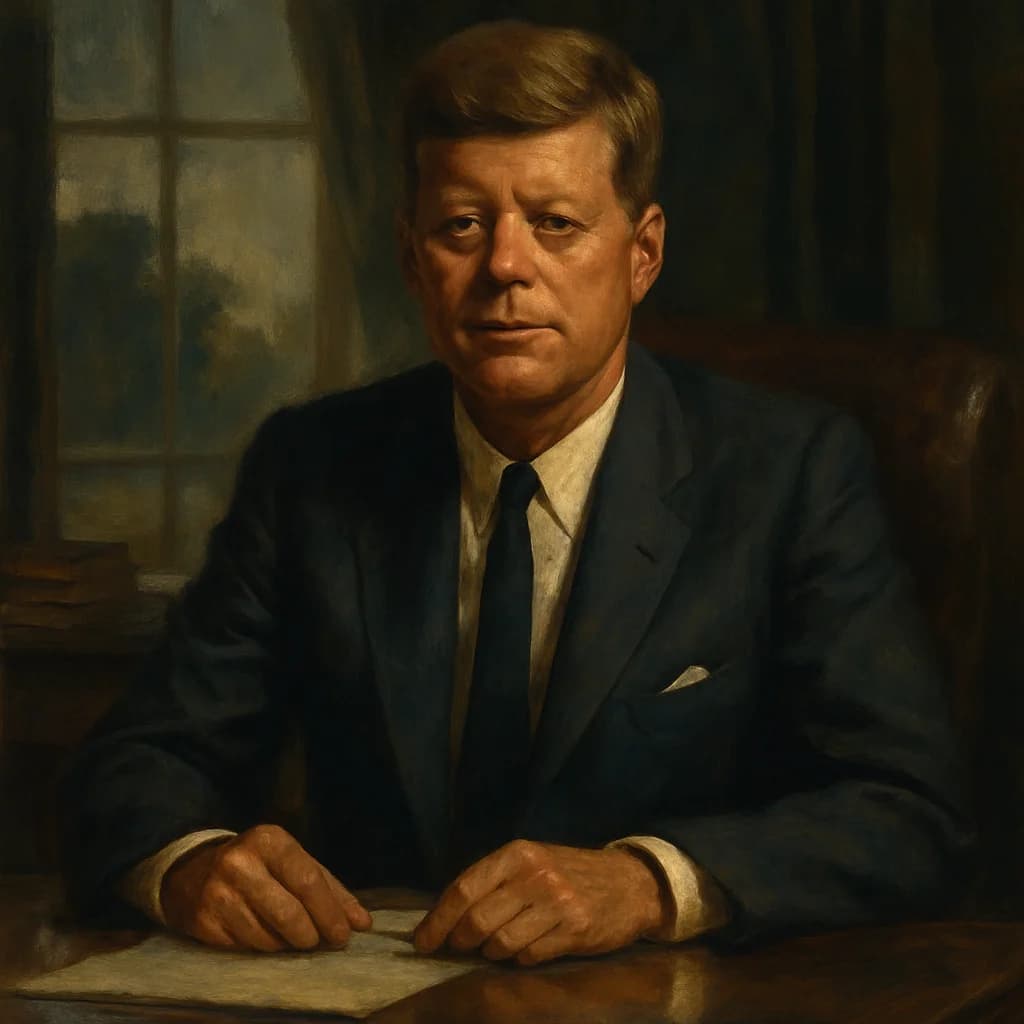
John F. Kennedy
The president who brought America to the brink of nuclear war was taking eight different medications daily, including amphetamines and steroids that can cause severe mood swings and impaired judgment.
John Kennedy's medical records read like a pharmacy inventory. By 1961, the youngest elected president in American history was secretly dependent on a cocktail of drugs that would have disqualified him from military service, let alone the presidency. His personal physician, Max Jacobson, known in New York society circles as "Dr. Feelgood," injected Kennedy with amphetamines before crucial meetings, including his disastrous first summit with Khrushchev in Vienna.
The man who projected youthful vigor was actually dying slowly. Kennedy suffered from Addison's disease, a potentially fatal condition where the adrenal glands fail to produce essential hormones. Without daily cortisone injections, he would have slipped into a coma within days. His back pain was so severe that he couldn't put on his own socks, yet he managed to hide his disability behind a carefully constructed image of athletic vitality.
During the Cuban Missile Crisis (thirteen days when the world teetered on the edge of nuclear annihilation), Kennedy was making life-or-death decisions while his body was flooded with synthetic hormones and stimulants. Secret Service agents carried a black medical bag wherever he went, filled with enough drugs to stock a small hospital. When his brother Bobby later discovered the extent of the president's pharmaceutical dependence, he was horrified.
The irony cuts deep: the leader who guided America through its most dangerous moment was himself a medical time bomb, dependent on drugs that could have clouded his judgment at the moment when clear thinking mattered most. History remembers his steady hand during the missile crisis, but it was a hand that shook without chemical assistance.
Kennedy received last rites from a Catholic priest four times before becoming president: twice for near-fatal back surgeries and twice for complications from Addison's disease.
Why untold: The Kennedy family and loyal aides spent decades concealing his medical records to preserve the Camelot mythology.
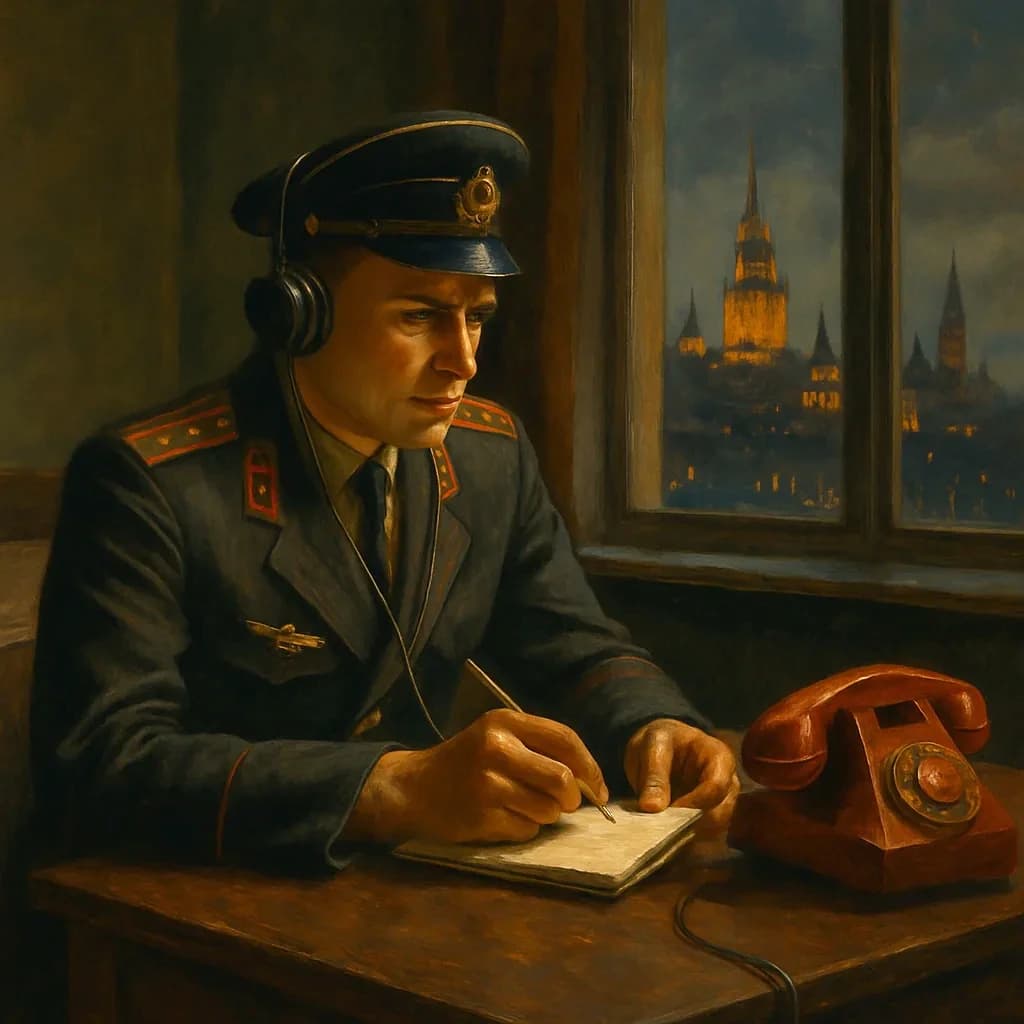
A Translator in a Moscow Hotel Room Stopped Nuclear War
In October 1962, the world came closer to nuclear war than during the Cuban Missile Crisis, but the man who stopped it was in a hotel room in Moscow, translating American radio broadcasts.
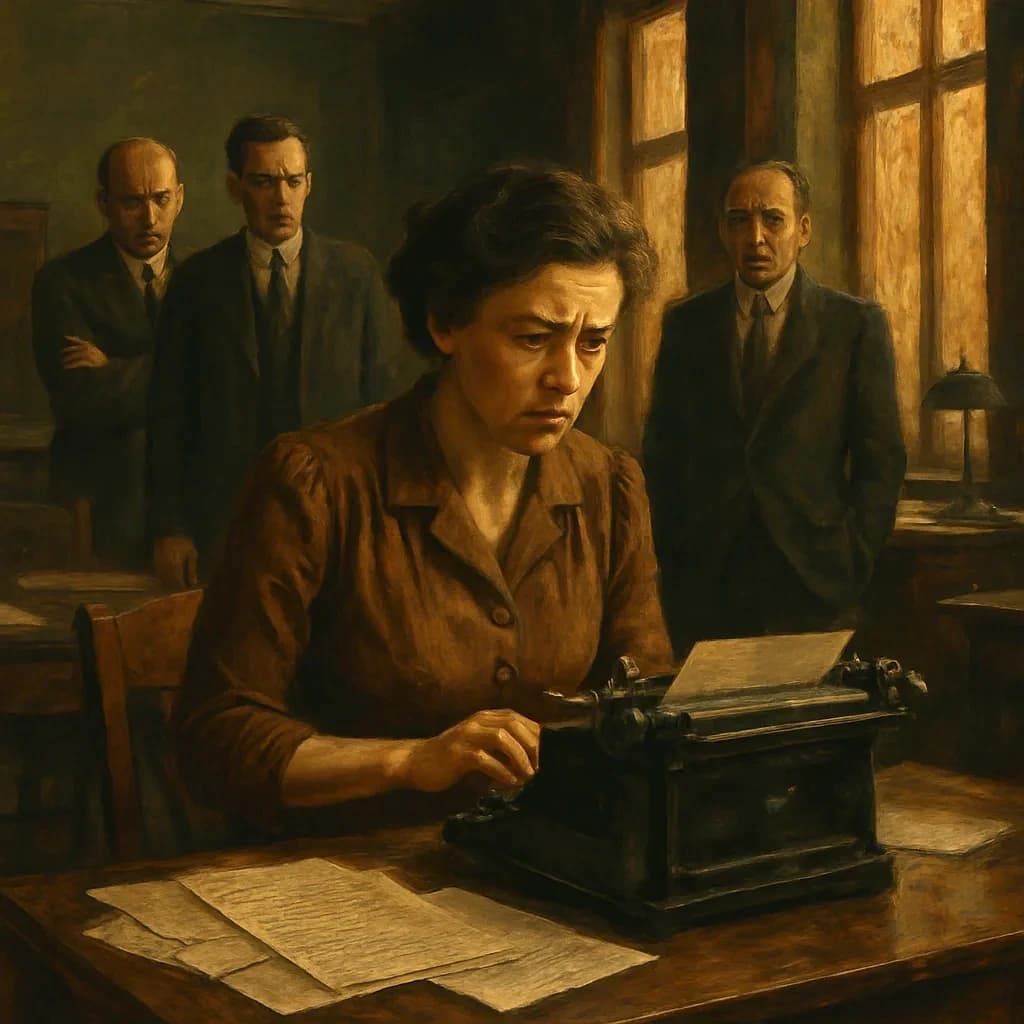
A Soviet Typist's Three Hours Against Nuclear War
A secretary's typing speed may have prevented nuclear war in October 1962.
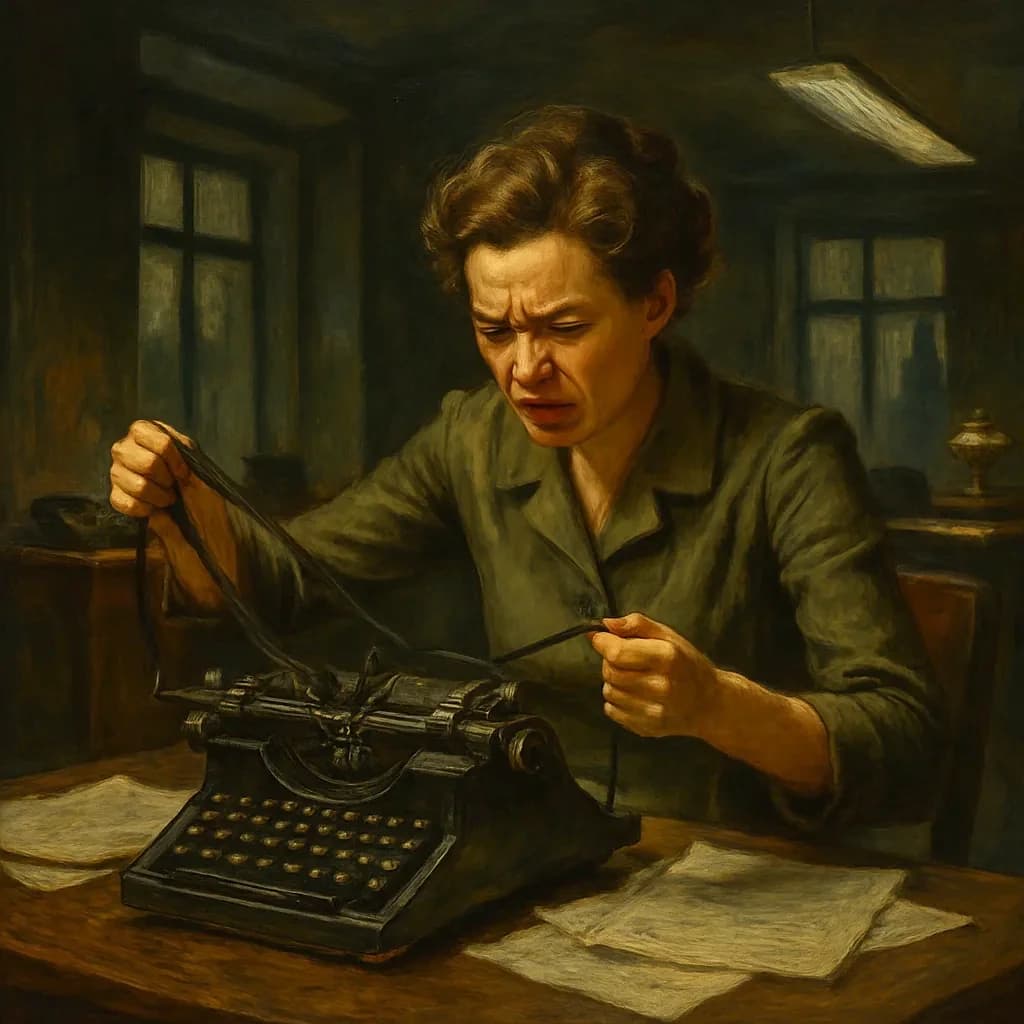
The Typewriter Ribbon That Almost Ended the World
A secretary's broken typewriter in 1962 nearly triggered nuclear war between America and Russia.

The Town a River Dragged Across the Border
Mexico tried to hand the United States a piece of land it didn't want, and the result became America's strangest border dispute.
- Robert Dallek, An Unfinished Life: John F. Kennedy, 1917-1963 (2003)
- Richard Reeves, President Kennedy: Profile of Power (1993)
- Robert Caro, The Passage of Power: The Years of Lyndon Johnson IV (2012)