
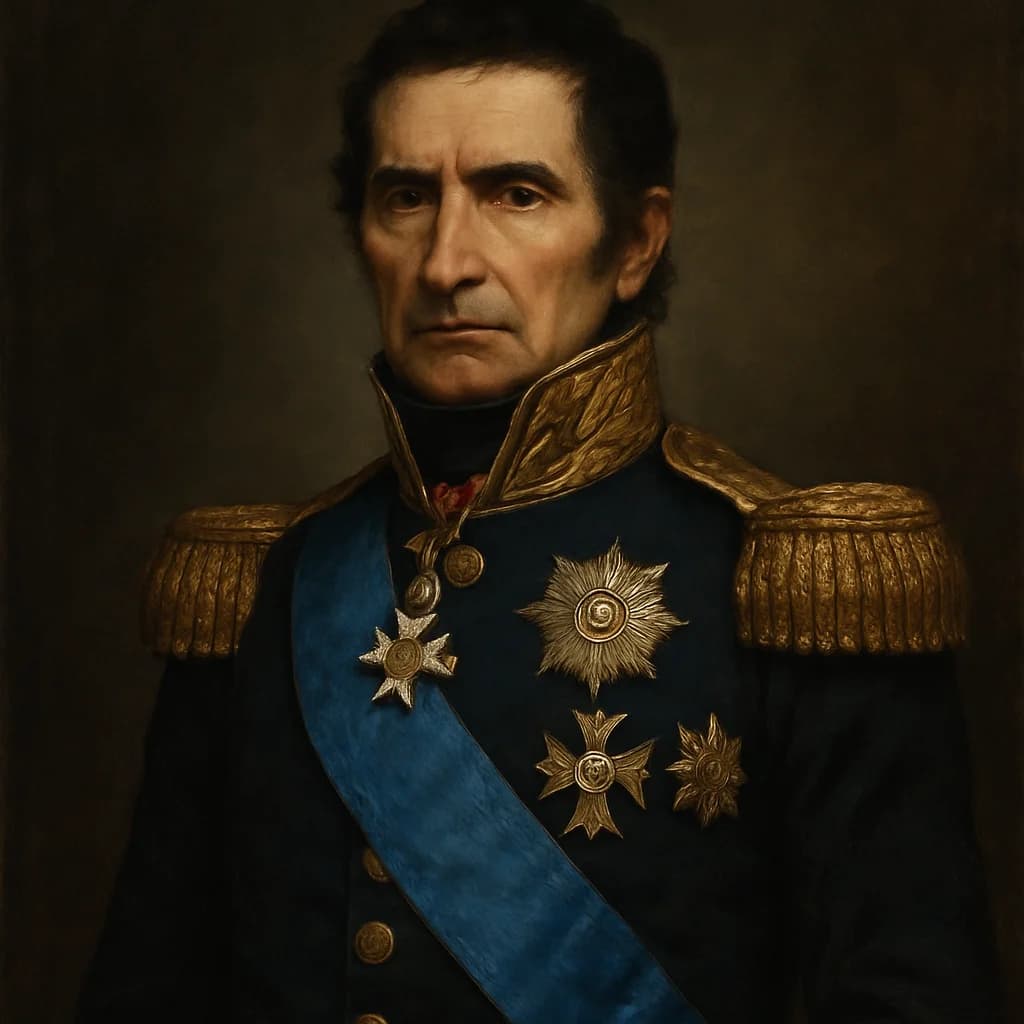
Jean-Baptiste Bernadotte
The French sergeant who tattooed 'Death to Kings' on his arm ended up founding a royal dynasty that still rules Sweden today.
Jean-Baptiste Bernadotte began his military career as a ferociously republican soldier who despised monarchy so deeply he had anti-royal slogans permanently inked on his skin. Born to a provincial lawyer in Pau, he enlisted as a private in 1780 and clawed his way up through revolutionary fervor and battlefield brilliance. By 1804, Napoleon had made him Marshal of France, one of the empire's most trusted generals.
Then came the strangest career pivot in European history. Sweden, desperate for a strong successor after losing Finland to Russia, invited this French commoner to become their crown prince in 1810. The childless King Charles XIII needed an heir, and Swedish nobles believed adopting Napoleon's marshal would secure French protection. Bernadotte said yes, converted to Protestantism, learned Swedish, and took the name Charles John.
But the former republican had no intention of being Napoleon's puppet. When his adoptive father declared war on Britain, Bernadotte secretly negotiated with the enemy. When Napoleon invaded Russia in 1812, Sweden stayed neutral. By 1813, Bernadotte was leading coalition forces against his former emperor at the Battle of Leipzig. The man who once served Napoleon's empire helped destroy it.
In 1818, he became Charles XIV John of Sweden. The peasant's son who had tattooed revolutionary slogans on his flesh ruled for twenty-six years, modernized Sweden's economy, and established the House of Bernadotte. His great-great-great-grandson sits on the Swedish throne today, making this the only case in history where a tattooed republican sergeant founded a monarchy that outlasted the empire he betrayed.
Bernadotte spoke such poor Swedish even after decades as king that he conducted most royal business in French, making him possibly the only monarch who never mastered his own kingdom's language.
Why untold: His story gets overshadowed by Napoleon's more dramatic rise and fall, reducing him to a footnote rather than recognizing him as the architect of modern Sweden's independence.
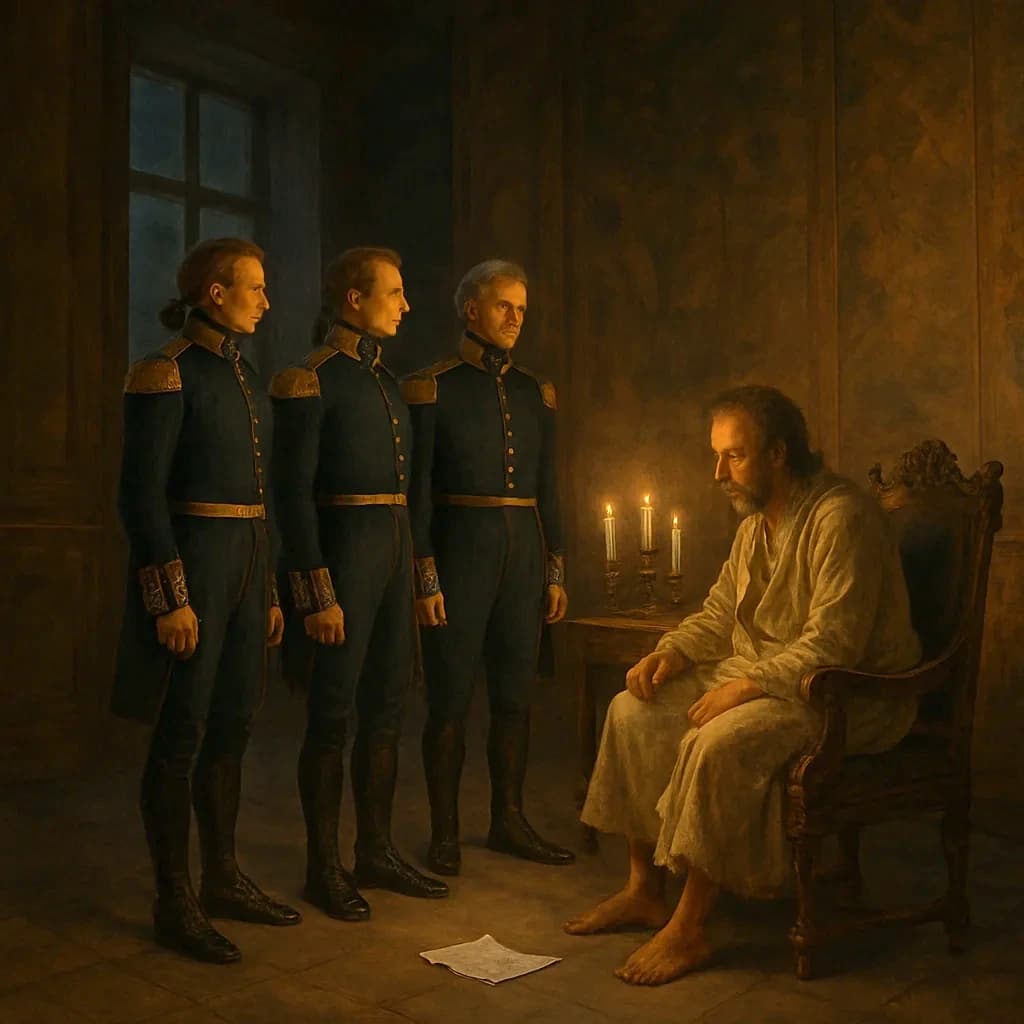
The Officers Who Politely Arrested Their Own King
Sweden lost a third of its territory in 1809, not to an invading army, but to a coup staged by officers who had simply had enough.
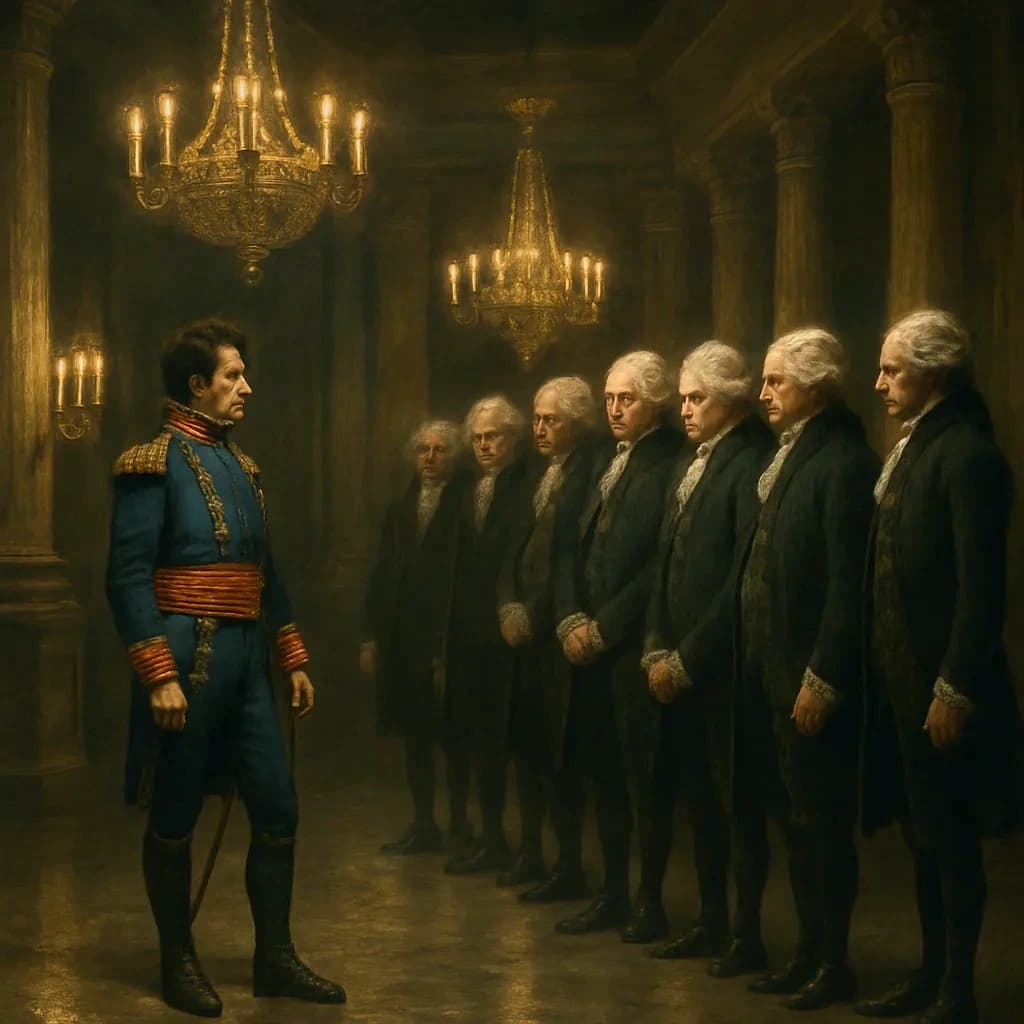
Sweden Overthrew Its King and Couldn't Replace Him
A small group of Swedish officers overthrew their king in 1809, then spent three panicked weeks trying to figure out who on earth they'd just made king instead.
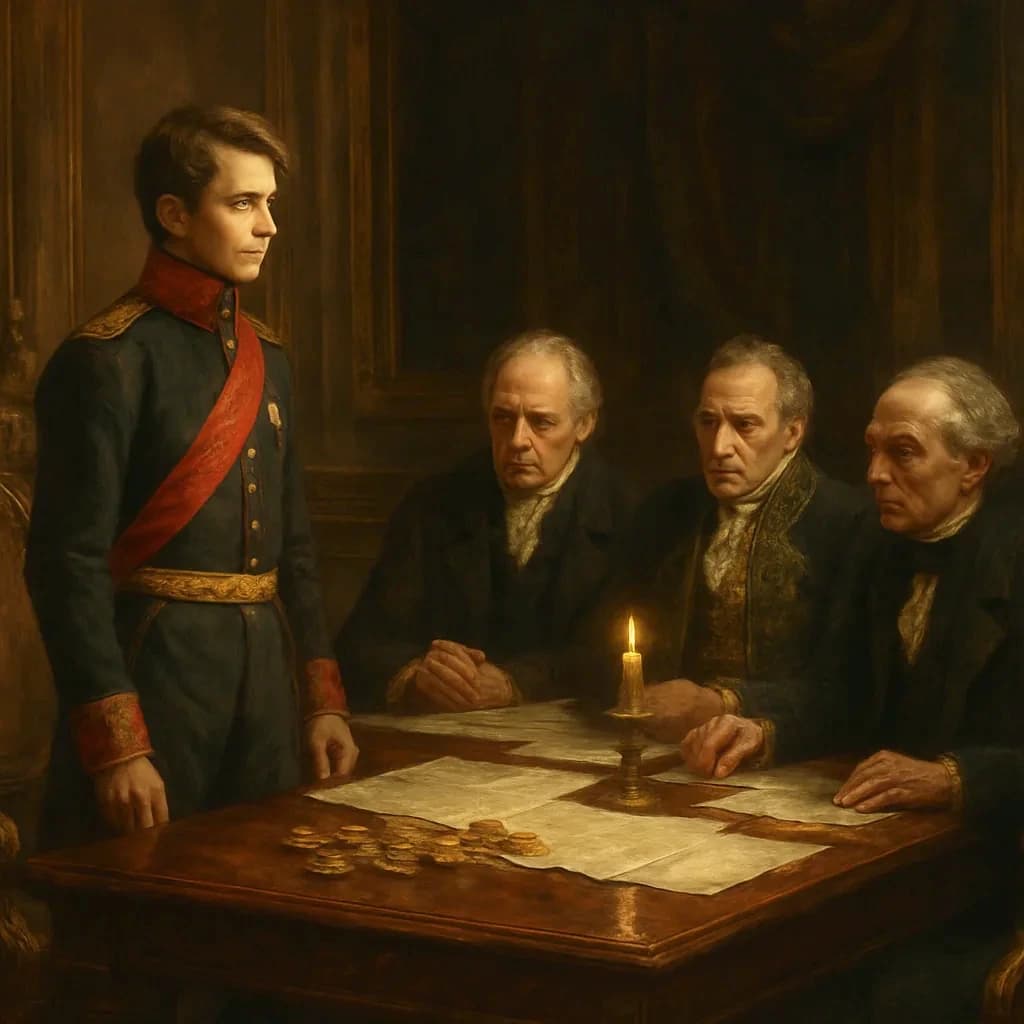
Sweden's Next King Was Chosen Because His Father Needed Cash
A teenage prince from a minor German duchy became heir to the Swedish throne, because his adoptive father needed cash.
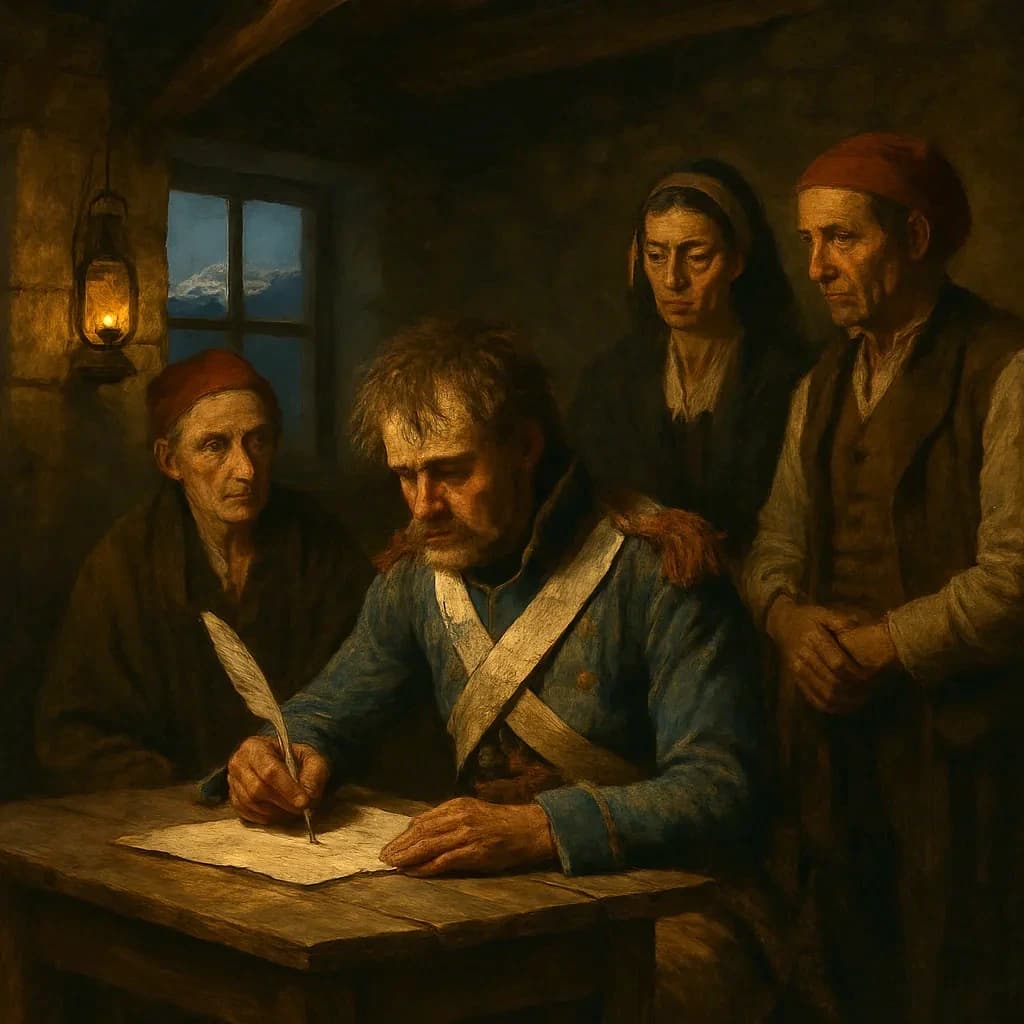
A Deserter From Napoleon's Army Accidentally Founded His Own Nation
A French soldier walked away from Napoleon's army in 1808 and accidentally founded his own nation.
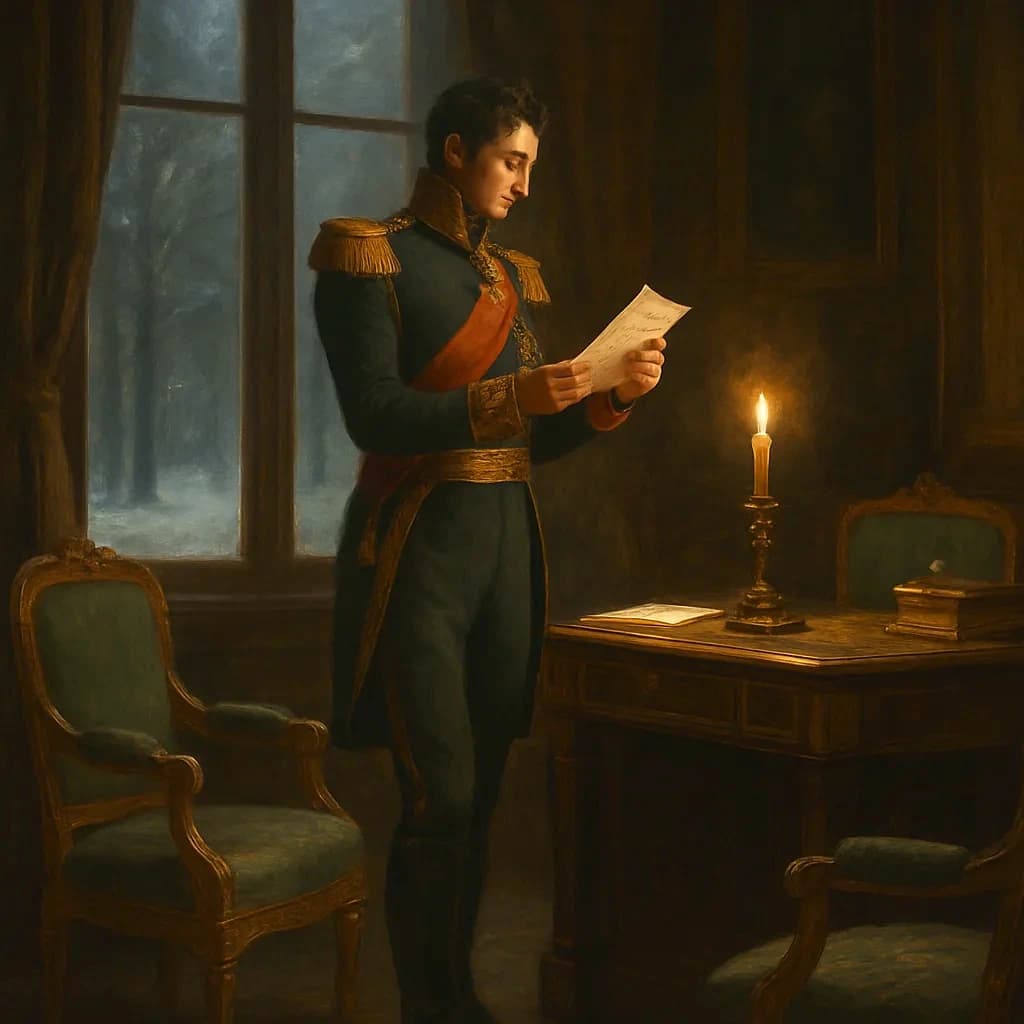
The Man Who Could Have Stopped Napoleon Chose Exile
When Napoleon escaped Elba, one man could have stopped his march to power, but chose exile over empire.
- Barton, Dunbar Plunket. Bernadotte and Napoleon. London: John Murray, 1921.
- Scott, Franklin D. Bernadotte and the Fall of Napoleon. Cambridge: Harvard University Press, 1935.
- Henningsen, Bernadotte E. 'The Swedish Succession Crisis of 1809-1810.' Scandinavian Studies, vol. 45, no. 3, 1973.