
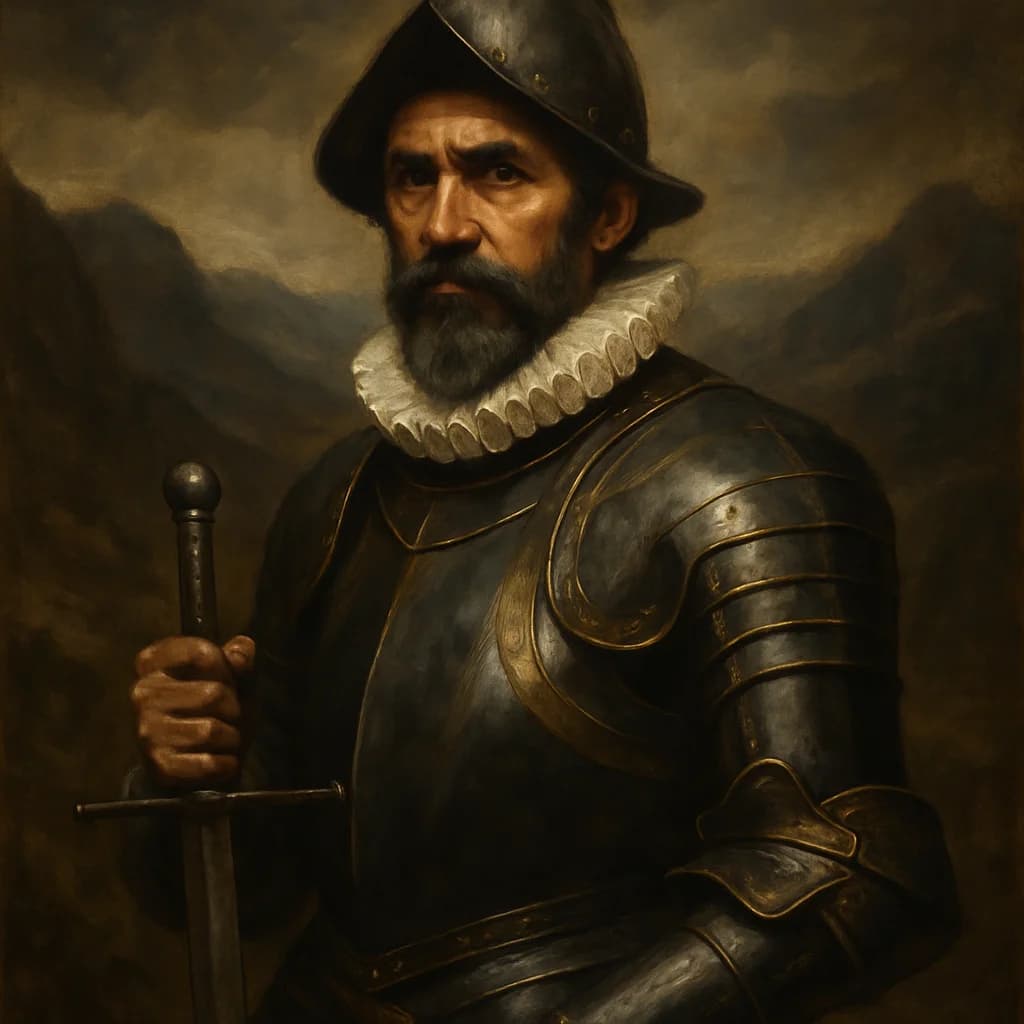
Francisco Pizarro
The man who destroyed the Inca Empire couldn't read his own name.
Francisco Pizarro signed his conquest documents with a shaky scrawl that barely resembled letters. The illegitimate son of a Spanish pig farmer, he spent his youth herding swine through the dusty streets of Trujillo, watching nobles parade past in silk while he slept in barns. When he sailed for the Americas in 1502, he was already past thirty (ancient by conquistador standards) and desperate enough to gamble everything on rumors of gold.
What made Pizarro lethal wasn't military genius but pathological patience. While other conquistadors rushed into battle, he spent years methodically gathering intelligence about the Inca. He learned their customs, their weaknesses, their civil wars. When he finally met Atahualpa in 1532, Pizarro had studied Incan protocol so thoroughly that he knew exactly which insults would provoke the emperor into a trap. The famous 'dinner invitation' at Cajamarca wasn't spontaneous violence. It was theater, choreographed by a man who understood that capturing one person could topple an empire of twelve million.
After ransoming Atahualpa for enough gold to fill a room, Pizarro faced a problem that would have paralyzed most men: how do you govern a civilization you've just beheaded? His solution was brilliantly cynical. He installed puppet rulers while learning to navigate Incan administrative systems that were more sophisticated than anything in Europe. The man who couldn't write his name somehow managed to co-opt the most efficient bureaucracy in the Americas.
Pizarro died as he had lived, violently and surrounded by enemies. In 1541, rival Spanish factions stormed his palace in Lima and hacked him to death while he was eating dinner. He managed to trace a cross in his own blood before expiring, the final signature of a man who had spent his life forging documents he couldn't read.
Pizarro's ransom demand for Atahualpa (a room filled with gold) was so enormous that it took the Incas eight months to gather enough precious metal, requiring them to strip gold plates from temples across the entire empire.
Why untold: His illiteracy is downplayed because it undermines the narrative of European intellectual superiority over indigenous civilizations.
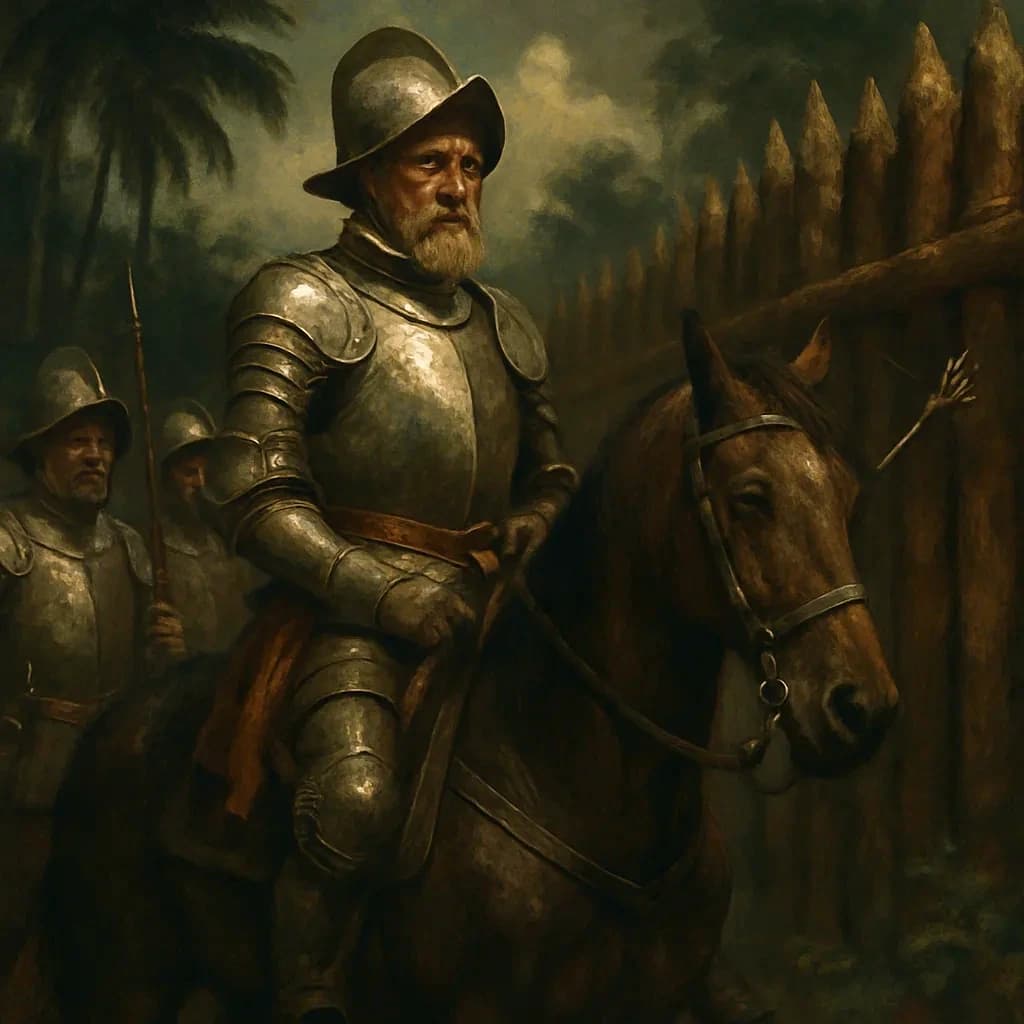
The Wrath of God, Killed by a Splinter
A Spanish commander lay dying in 1521 from a splinter (not a sword wound, not a cannonball) while his soldiers stood on the verge of the greatest conquest in the New World.
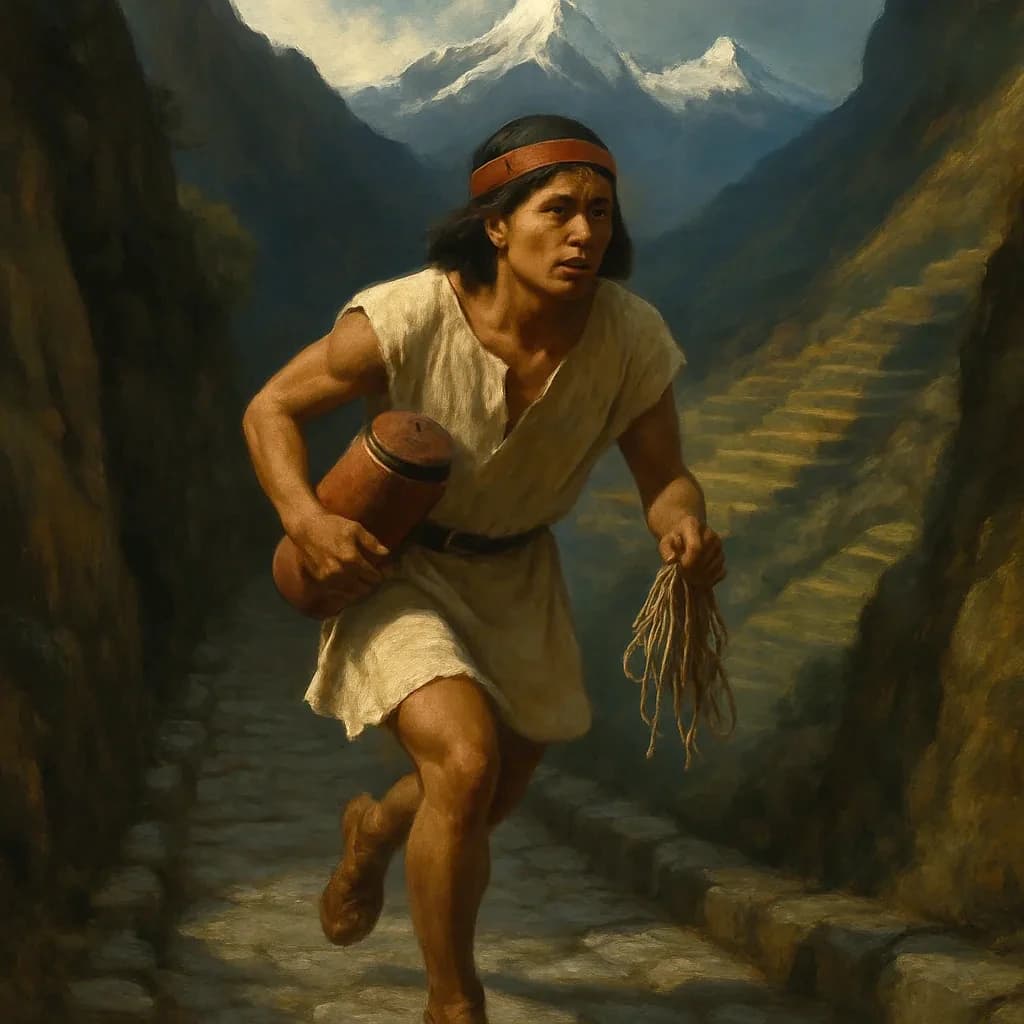
The Inca Mail Outran Europe's, but Nobody Kept the Messages
The Inca Empire ran on a postal system so fast it outpaced every European rival. But nobody thought to keep the messages.
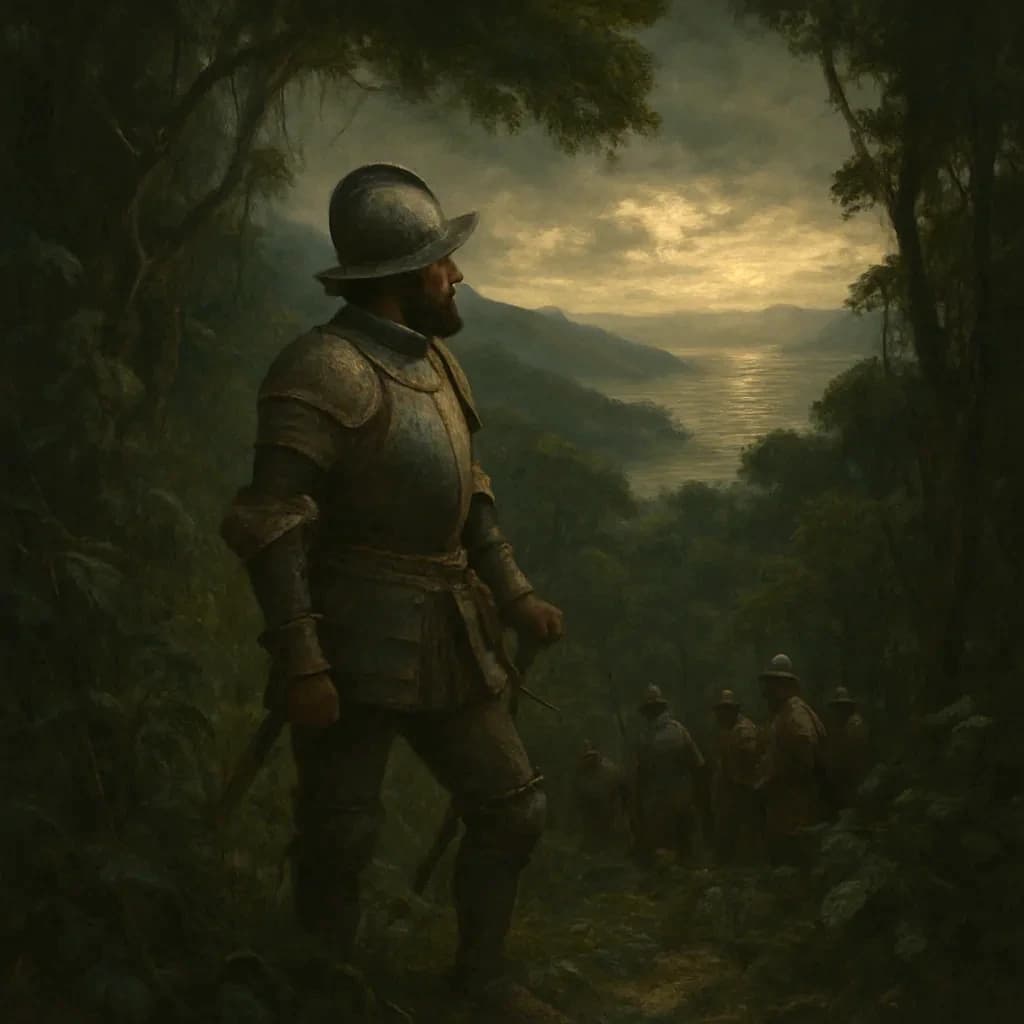
Spain Claimed the Pacific in Borrowed Armor, 1513
A Spanish explorer climbed a peak in Panama, saw an ocean nobody in Europe knew existed, then spent four days arguing about who got to name it.
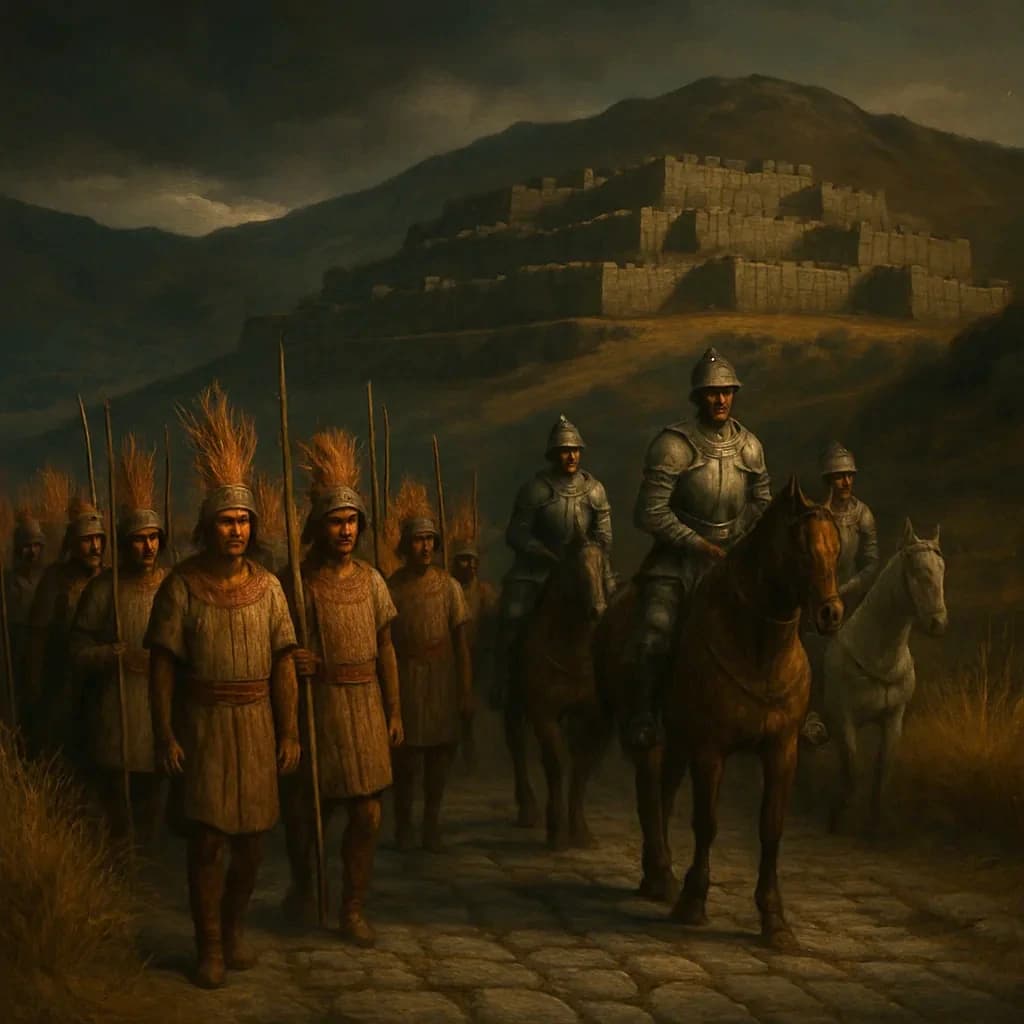
Inca Civil War: The Empire Fell Before Pizarro Arrived
Spanish guns did not topple the Inca Empire. A civil war that ended just months before Pizarro arrived did, and the losing side begged him for help.
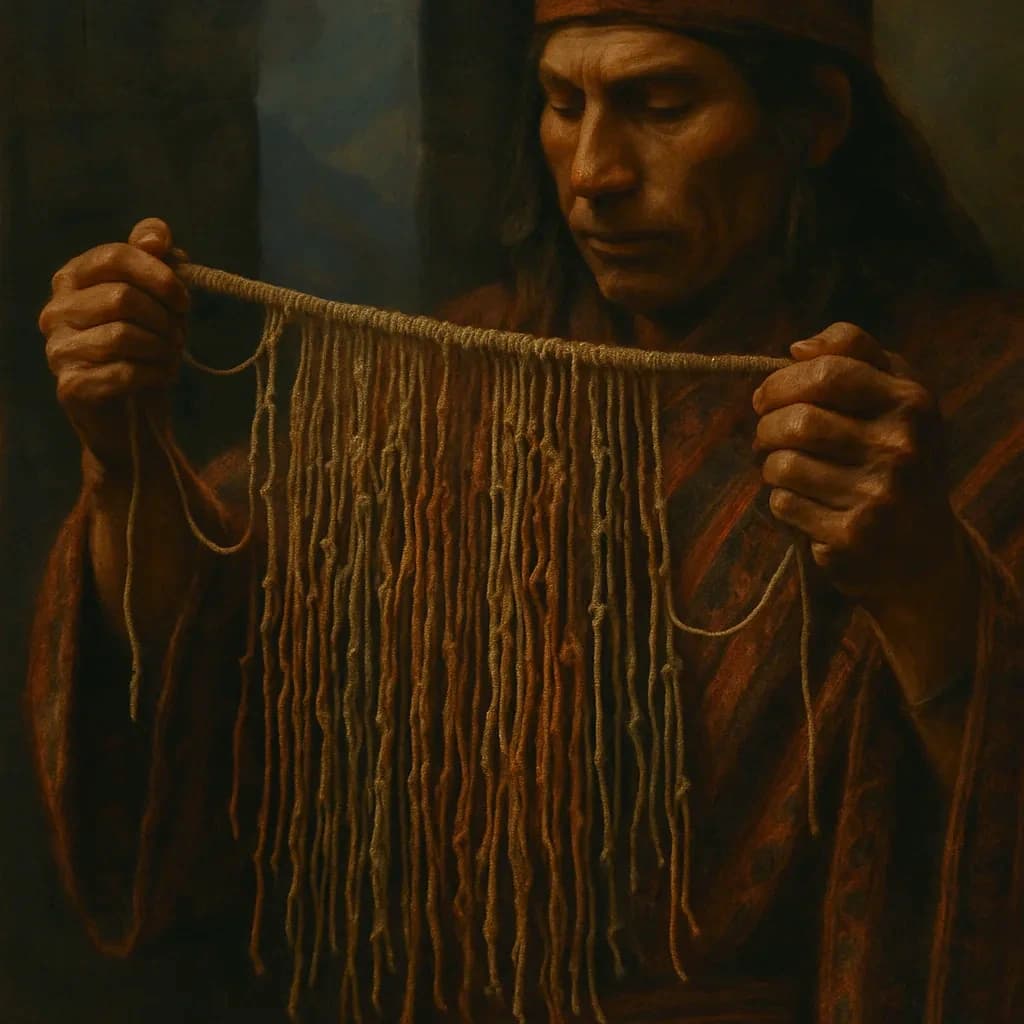
How the Inca Ran an Empire on Knotted String
The Inca Empire ran without writing, yet it kept perfect records of everything, using a system so sophisticated that modern scholars are only now beginning to decode it.
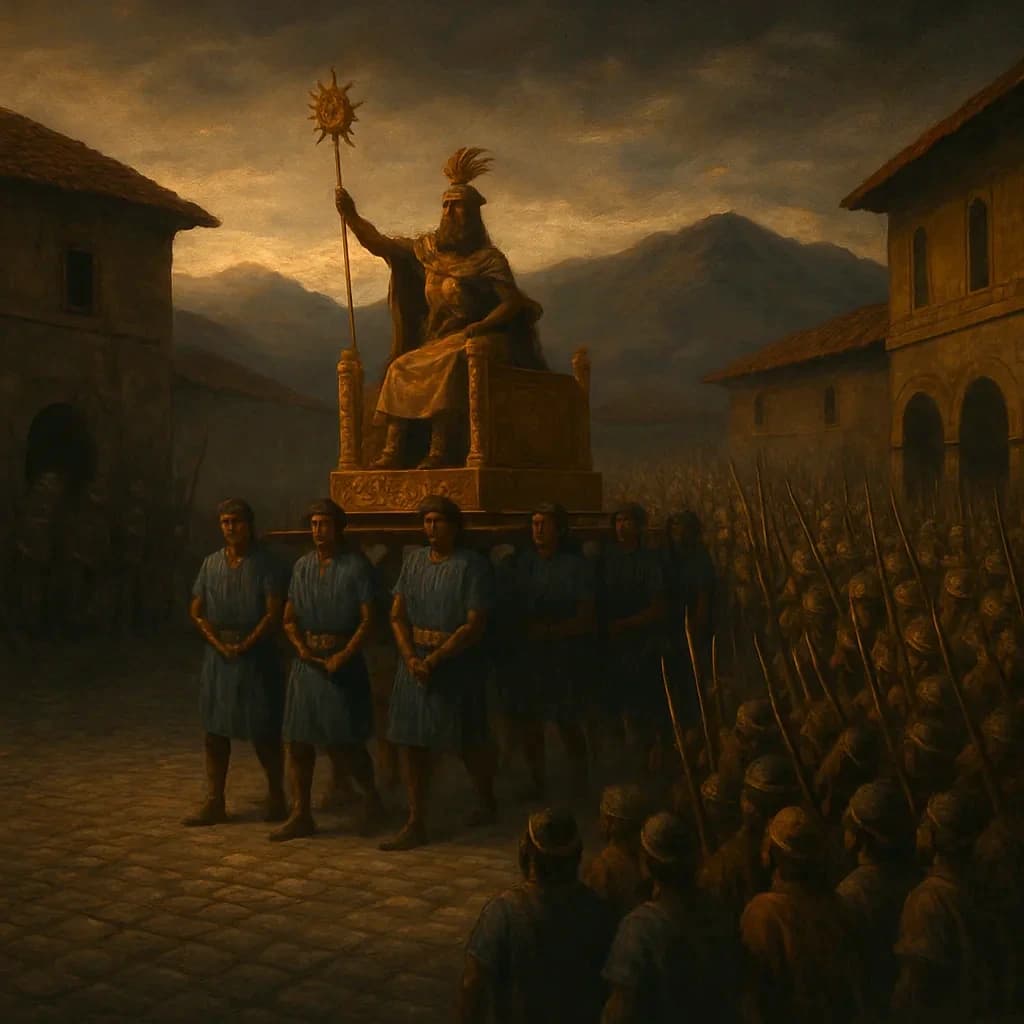
Fewer Than 200 Men Captured the Inca Emperor
Atahualpa thought he was going to a diplomatic feast. The Spanish had very different plans for the meal.
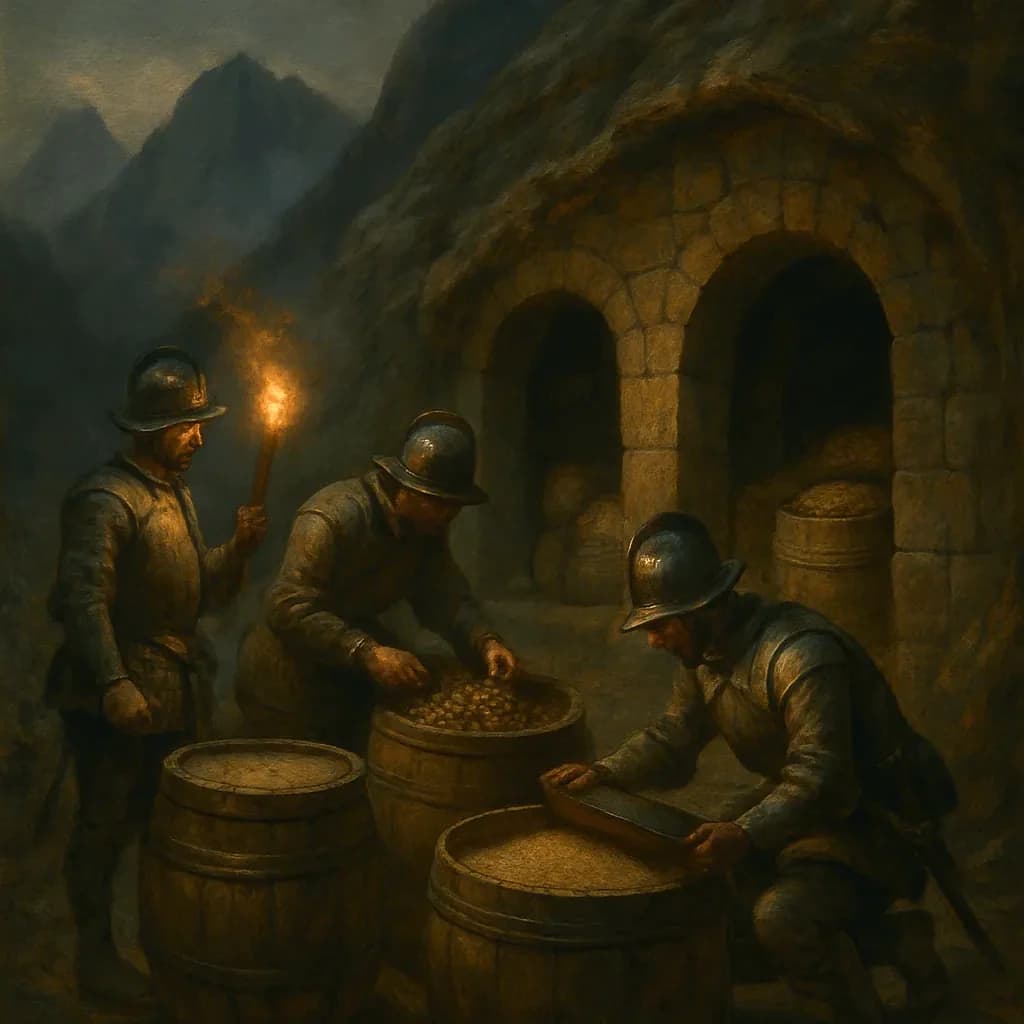
Pizarro's Secret Weapon: A Barrel of Rotting Fish
A single wooden barrel filled with rotting fish became the most valuable weapon in Spanish colonial history.
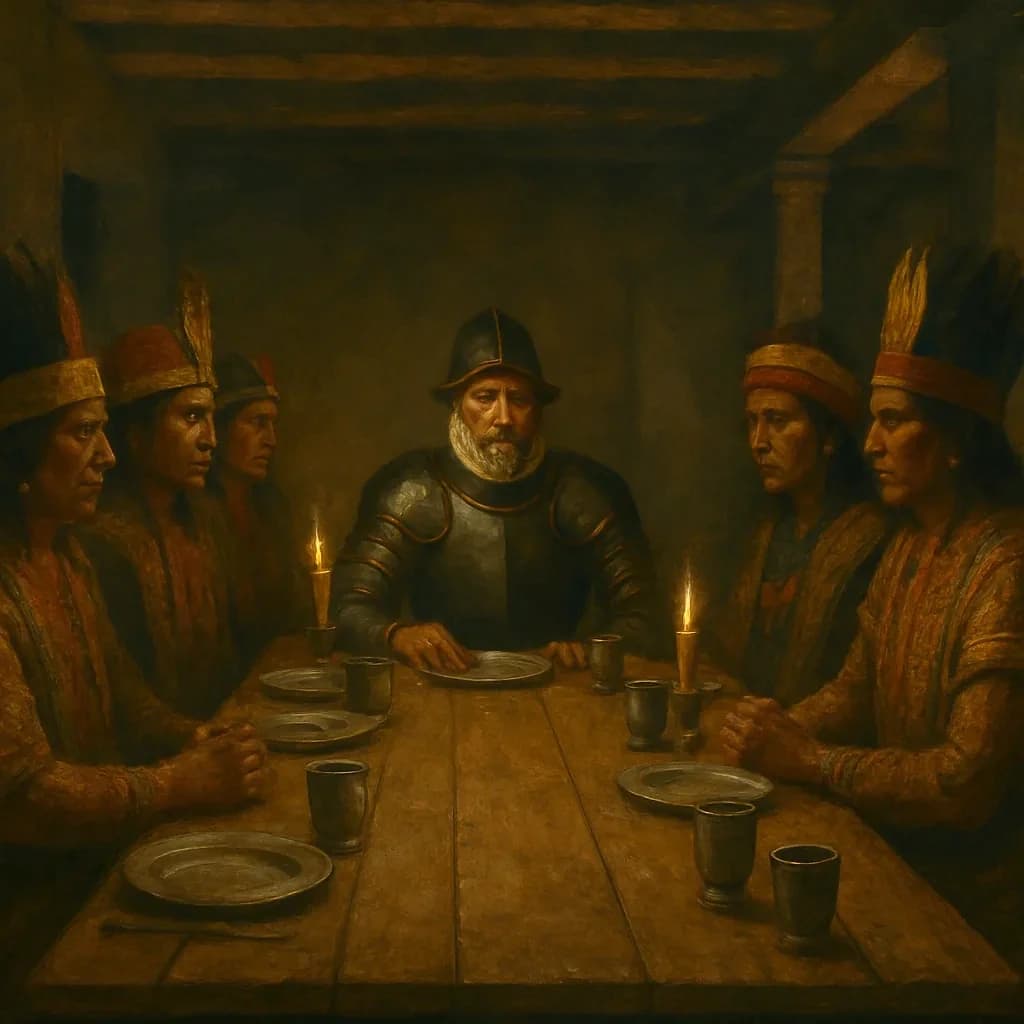
A Dinner Seating Chart Ignited the Inca Civil War
A single dinner party in 16th century Peru accidentally triggered the most destructive civil war in Incan history, over the seating arrangement.
- John Hemming, The Conquest of the Incas (1970)
- Kim MacQuarrie, The Last Days of the Incas (2007)
- Rafael Varón Gabai, Francisco Pizarro and His Brothers (1997)