
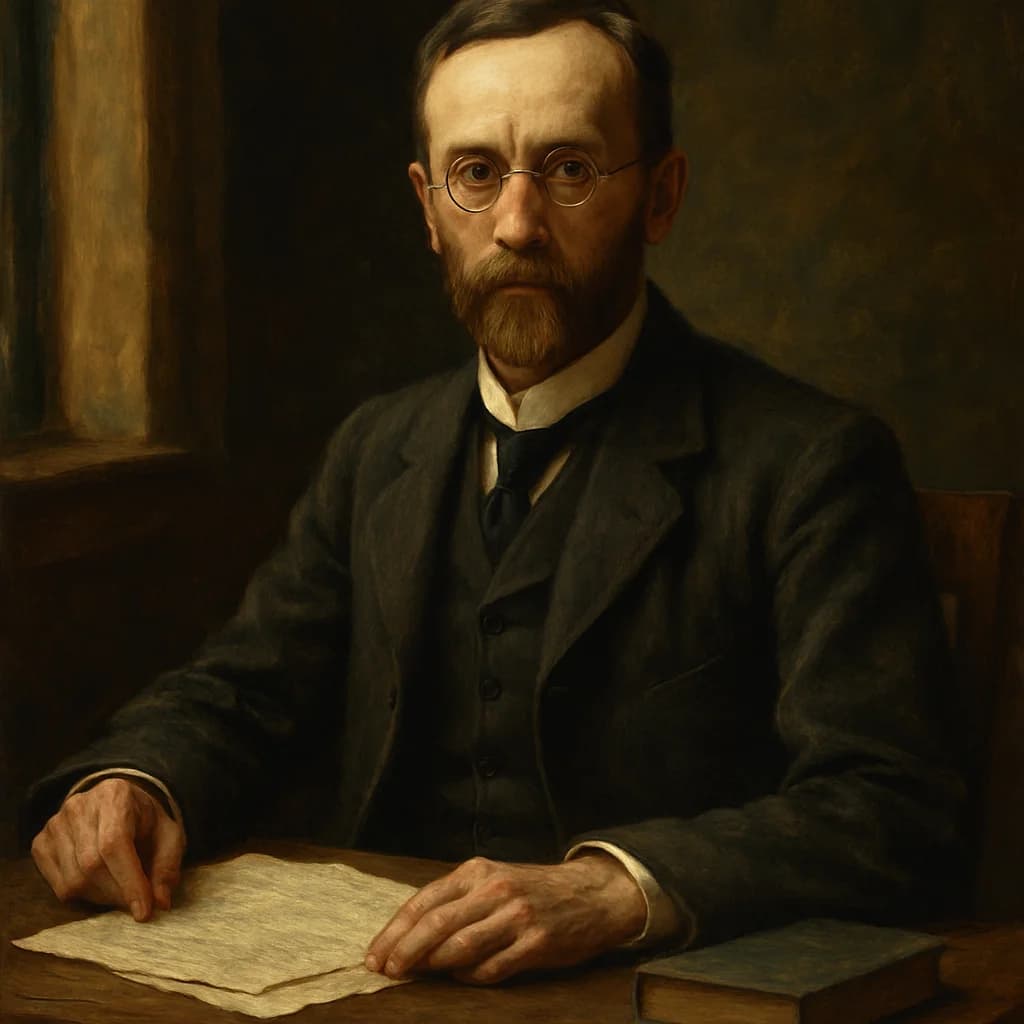
Eoin MacNeill
He single-handedly stopped the Easter Rising, and history never quite forgave him for being right.
Eoin MacNeill was a schoolteacher who became a revolutionary, which is unusual enough. What's stranger is that he became the most important man in the Easter Rising of 1916 without firing a single shot, or, more precisely, by spending Easter Sunday at home with his family while Dublin burned, because he had tried, with every tool available to him, to stop the whole thing.
Before any of that, MacNeill was doing something that looked, to most people at the time, like glorified antiquarianism. In 1893, he co-founded the Gaelic League with Douglas Hyde, an organization dedicated to reviving the Irish language at a moment when it had fewer than a million native speakers left, hollowed out by famine, emigration, and the National School system's systematic preference for English. MacNeill was not a romantic about this. He was a trained historian who understood exactly what was being lost and why. He had watched the same administrative logic that the 1840s school inspectors used, the quiet bureaucratic assumption that English was progress and Irish was poverty, grind a living language toward silence. His scholarship on Old and Middle Irish was serious, technical work. The revival wasn't a hobby. It was a rearguard action against erasure.
What almost no one remembers is the countermand. MacNeill was nominally the commander of the Irish Volunteers in 1916, but Patrick Pearse and the IRB had kept him deliberately in the dark about their plans for a rebellion. When MacNeill discovered the plot on Holy Thursday, he issued orders canceling all Volunteer maneuvers for Easter Sunday, placing a frantic notice in the Sunday Independent and dispatching riders across the country. The Rising happened anyway in Dublin, smaller and more doomed for his intervention, but in many provinces it didn't happen at all. MacNeill had calculated, correctly, that a rising without German arms and without any chance of military success was not a revolution but a ritual sacrifice. He was right. He was also, in the mythology that followed the executions, essentially unforgiven for it.
He went on to serve in the Free State government and sat on the Boundary Commission in 1925, where a second catastrophic leak (this time of a report that would have given Northern Ireland more territory, not less) forced his resignation. Two enormous leaks. Two careers undone by information escaping at the wrong moment. MacNeill spent his final years back in scholarship, which had never betrayed him.
MacNeill's countermanding order on Easter Sunday 1916 was so effective that in County Cork, thousands of Volunteers stood down and never mobilized at all, meaning the Rising was, in large part, a Dublin event specifically because MacNeill acted.
Why untold: MacNeill was written out of Rising mythology by a nationalist tradition that needed martyrs and visionaries, not the man who tried to call the whole thing off and turned out to be strategically correct.
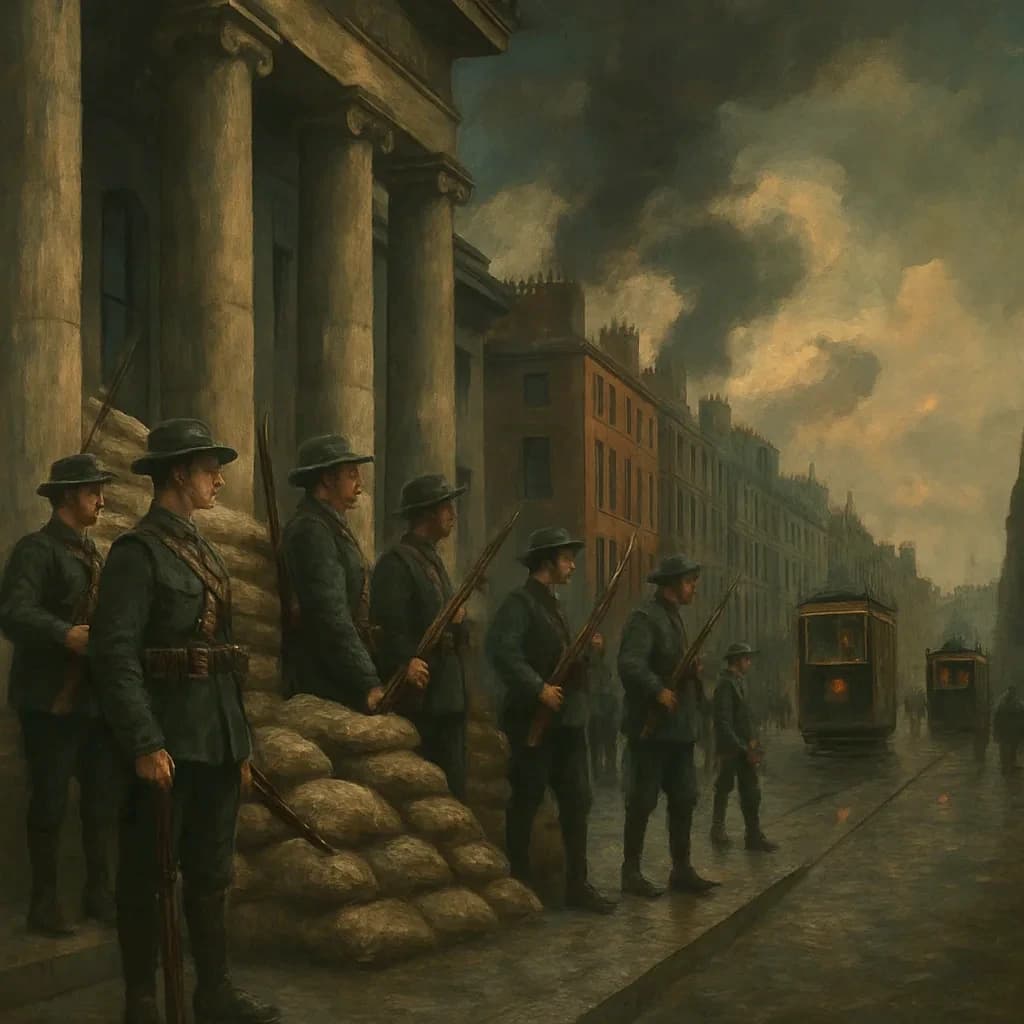
Easter Rising: How the Rebels Cut Their Own Telegraph
Rebels in the 1916 Easter Rising seized the General Post Office, and in the process severed their own ability to communicate with the outside world.
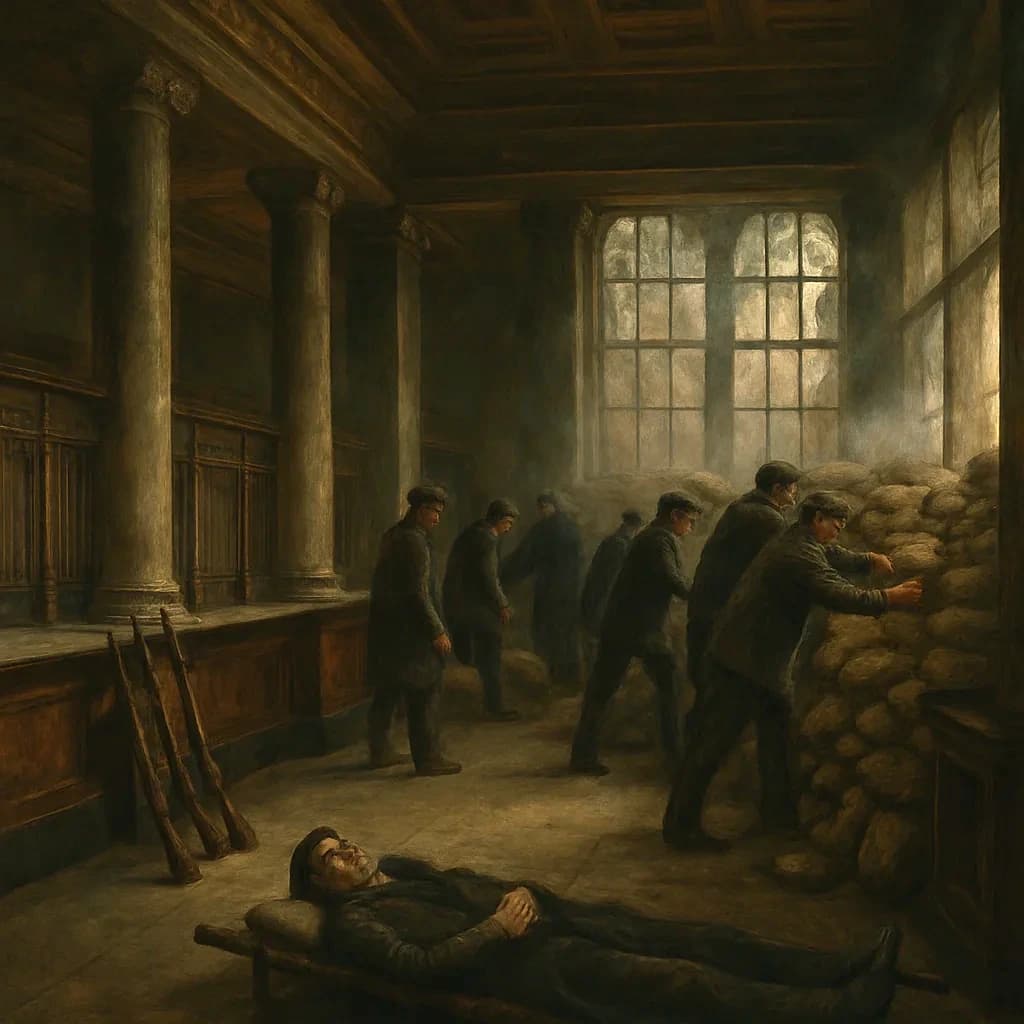
The Hotel Beside the GPO That Doomed the Easter Rising
A single Dublin building sat undefended during the 1916 Easter Rising, and the British found it on the very first day.
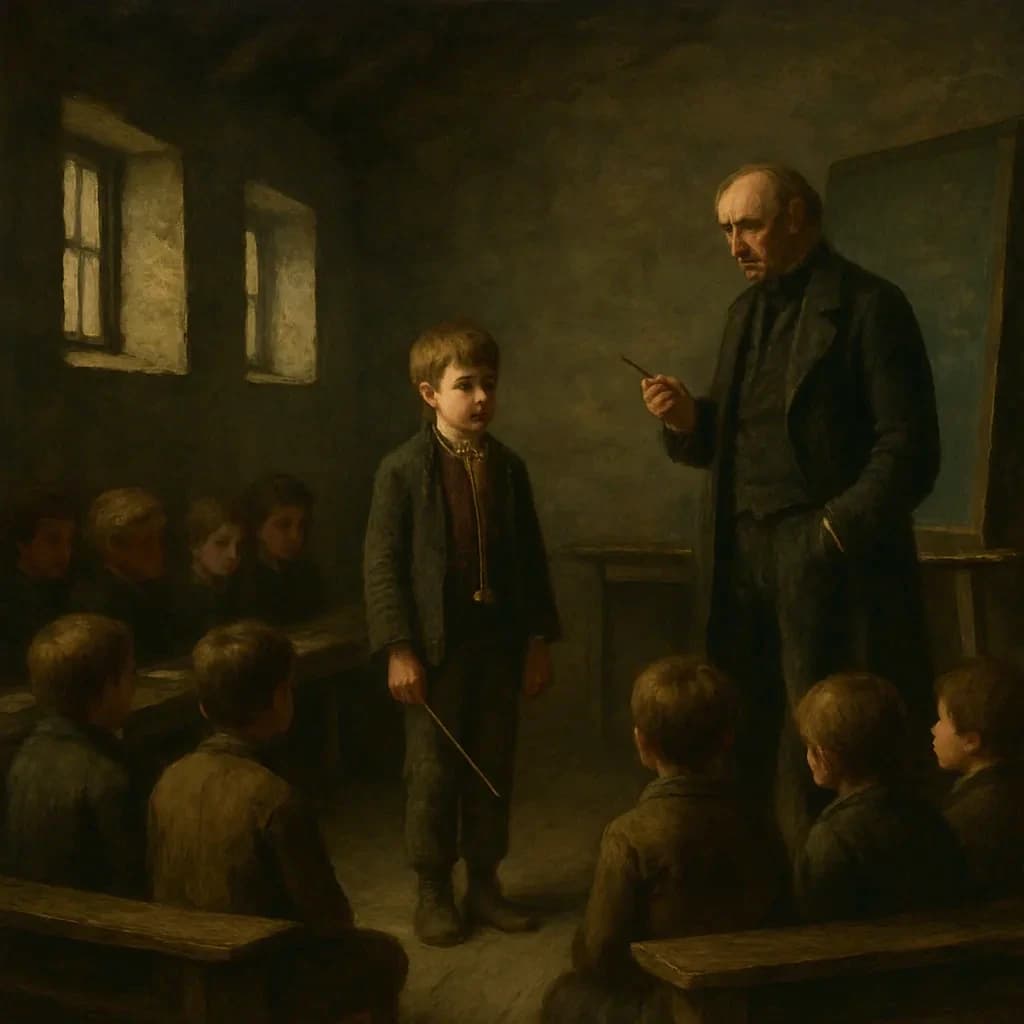
How a School System Nearly Erased Irish
A single administrative decision in 1840s Ireland didn't just rewrite what children were taught. It nearly wiped a four-thousand-year-old language off the earth.
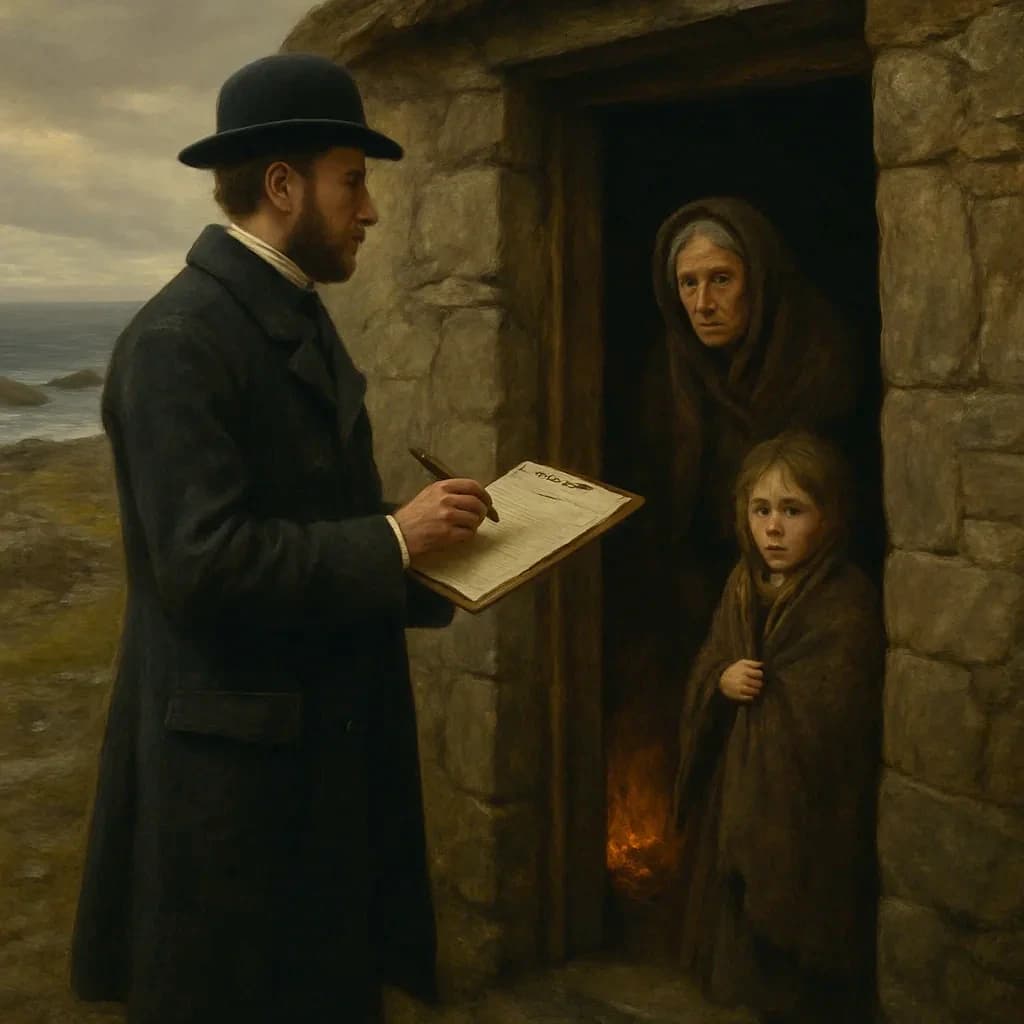
The Census That Killed a Language
A Scottish administrator filled out a form incorrectly in 1881, and within two generations, a language spoken by millions had nearly vanished from official existence.
- F.X. Martin, 'Eoin MacNeill on the 1916 Rising,' Irish Historical Studies, Vol. 12, No. 47 (1961)
- Michael Tierney, Eoin MacNeill: Scholar and Man of Action, 1867-1945 (Clarendon Press, 1980)
- Diarmaid Ferriter, A Nation and Not a Rabble: The Irish Revolution 1913-1923 (Profile Books, 2015)