
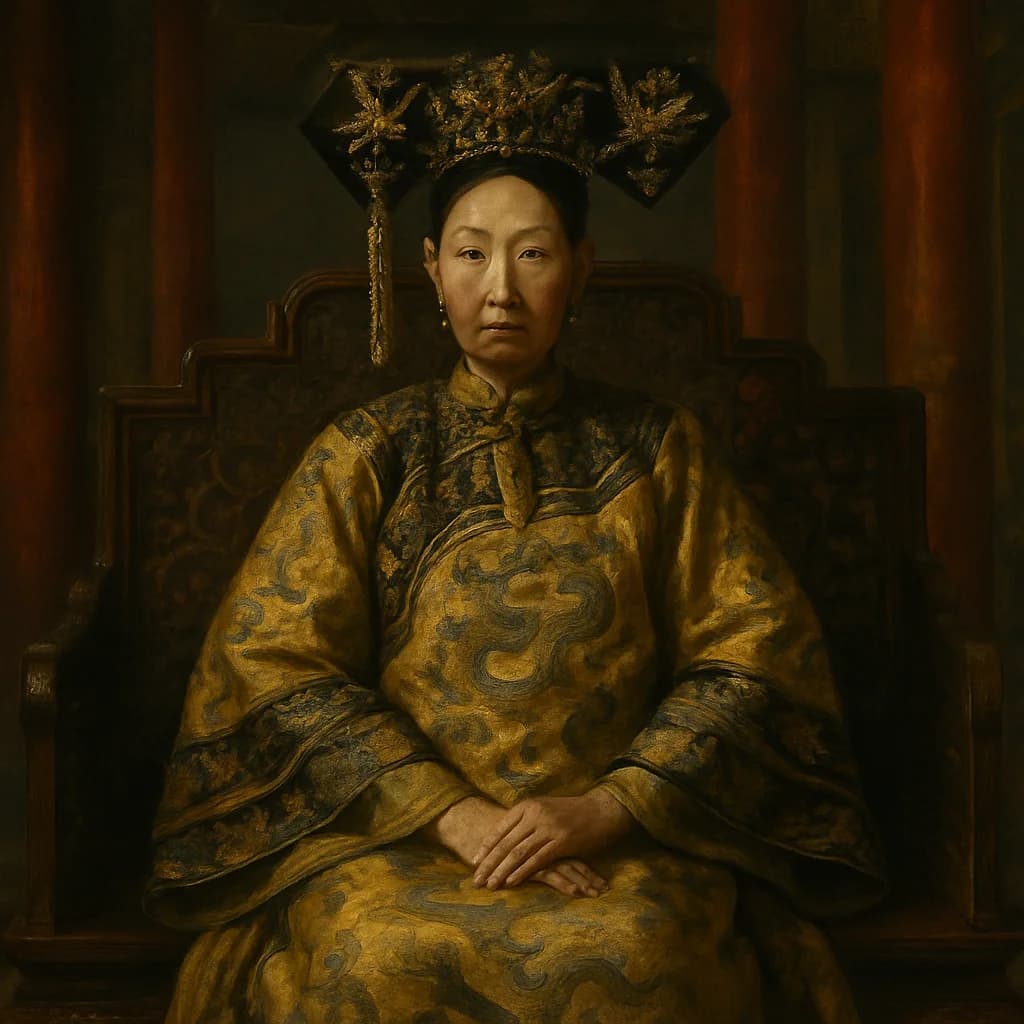
Empress Dowager Cixi
The most powerful woman in 19th-century China started as a concubine who wasn't supposed to speak above a whisper.
Cixi entered the Forbidden City in 1851 as a fifth-rank concubine, essentially a palace servant with reproductive duties. She wasn't chosen for her beauty or education, but for her fertility. When she bore Emperor Xianfeng his only surviving son in 1856, she didn't just secure her position; she accidentally created the mechanism for her own rise to absolute power.
The moment that changed everything came in 1861. As Emperor Xianfeng lay dying, his advisors prepared to install a regency council to rule in the name of his five-year-old heir. Cixi had other plans. In a palace coup that took less than two hours, she convinced the Empress Zhen to join her, arrested eight powerful ministers, and declared herself regent. The advisors who had treated her like furniture suddenly found themselves taking orders from behind her yellow silk screen.
What followed was nearly five decades of shadow rule that baffled foreign diplomats and Chinese officials alike. Cixi never held an official title higher than "Empress Dowager," yet she personally appointed every governor, approved every major treaty, and decided the fate of every reform proposal. She spoke Manchu, not Chinese, and communicated through interpreters even with her own ministers. When British ambassador Lord Macartney requested an audience, he spent three hours negotiating with a silk curtain.
The woman who couldn't read Chinese characters controlled an empire of 400 million people by mastering something far more powerful: information. She built a network of eunuchs, concubines, and guards who reported everything: every conversation, every transaction, every whisper of rebellion. By the time of her death in 1908, she had outlasted four emperors, survived the Taiping Rebellion, the Boxer Uprising, and the First Sino-Japanese War, all while technically having no official power whatsoever.
Cixi spent more on her 60th birthday celebration than the imperial navy's entire annual budget, commissioning a marble boat in the Summer Palace while China's wooden warships rotted in port.
Why untold: Her story has been overshadowed by the fall of imperial China and oversimplified as mere palace intrigue rather than recognized as sophisticated political maneuvering.
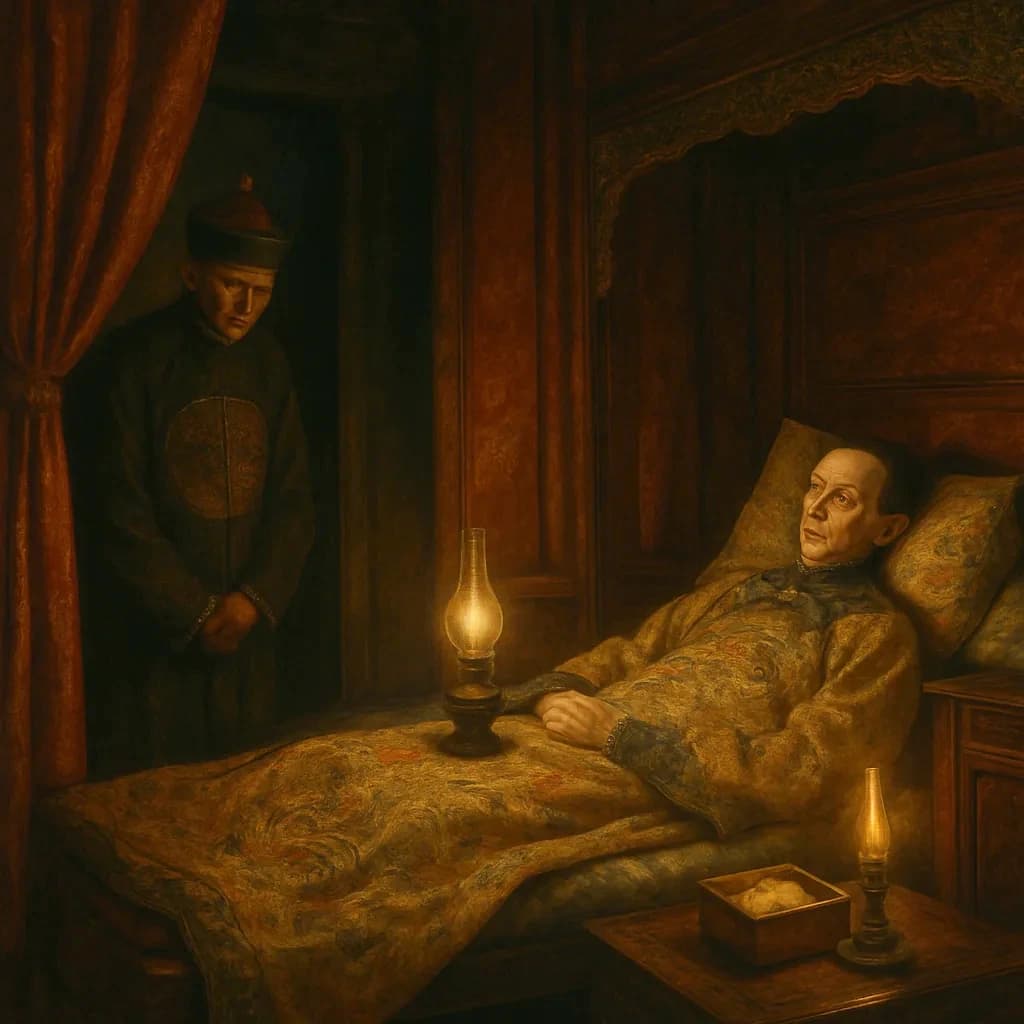
Four Pounds of Sugar and the End of a Dynasty
A Qing dynasty empress was toppled not by foreign armies or rebellious generals, but by a gift of candy that arrived from exactly the wrong direction.
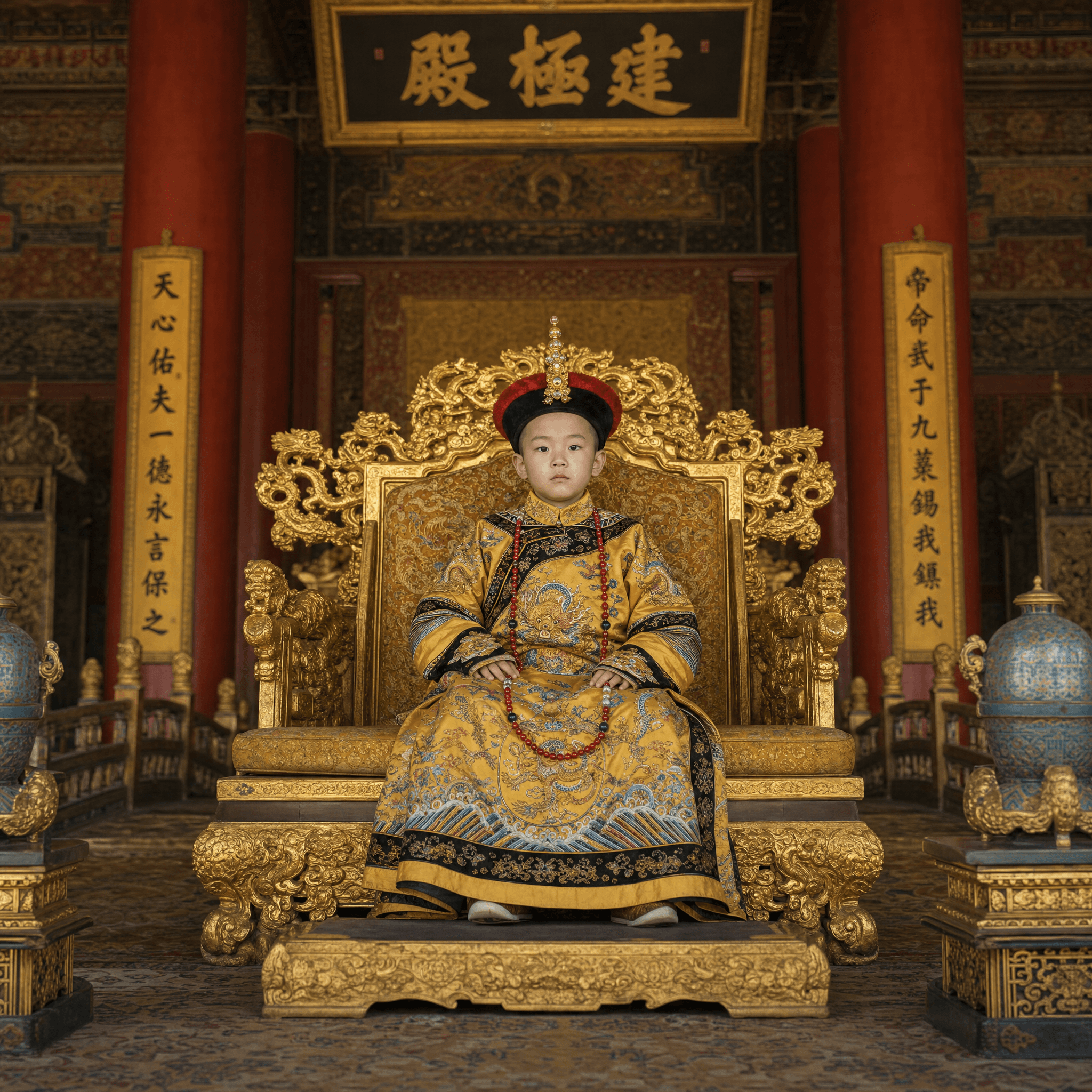
The Baby Who Outlived Three Empires
A six-month-old infant became emperor of the world's largest empire, ruled for sixty-one years, and watched three different dynasties claim his throne.
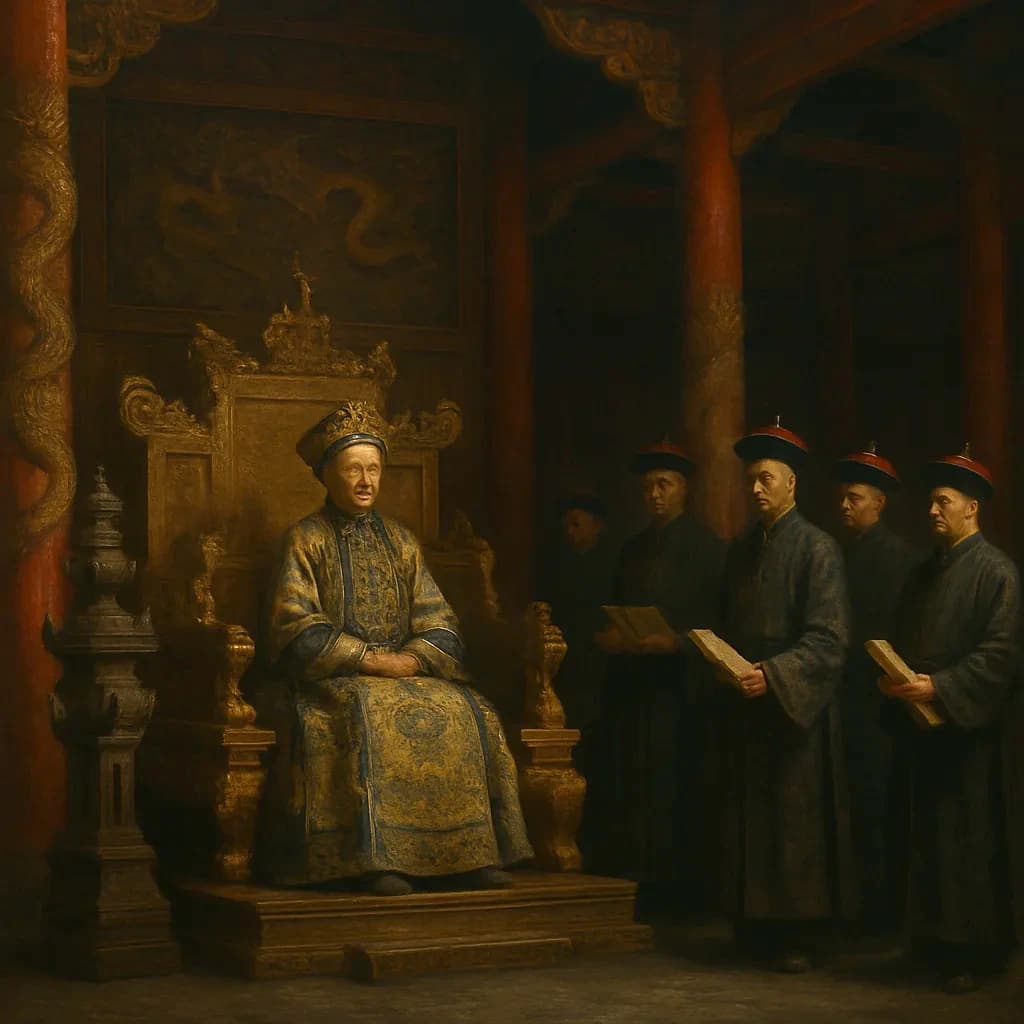
The Empress Who Spoke No Chinese
She ruled over 400 million people for nearly half a century, yet never learned the language of her empire.
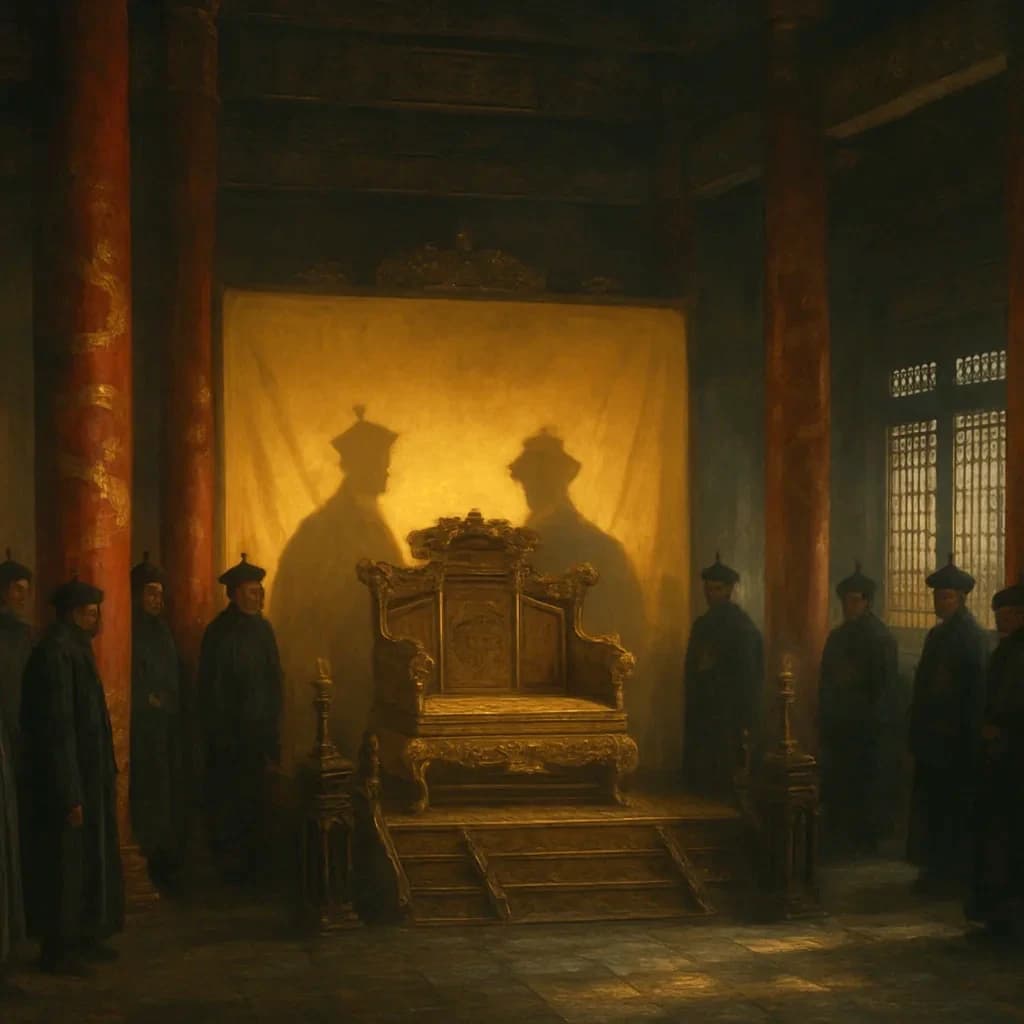
The Concubine Who Owned the Emperor
She wasn't supposed to leave her quarters, speak in council, or even look at other men, but by the time she died, she controlled every appointment in the Chinese Empire.
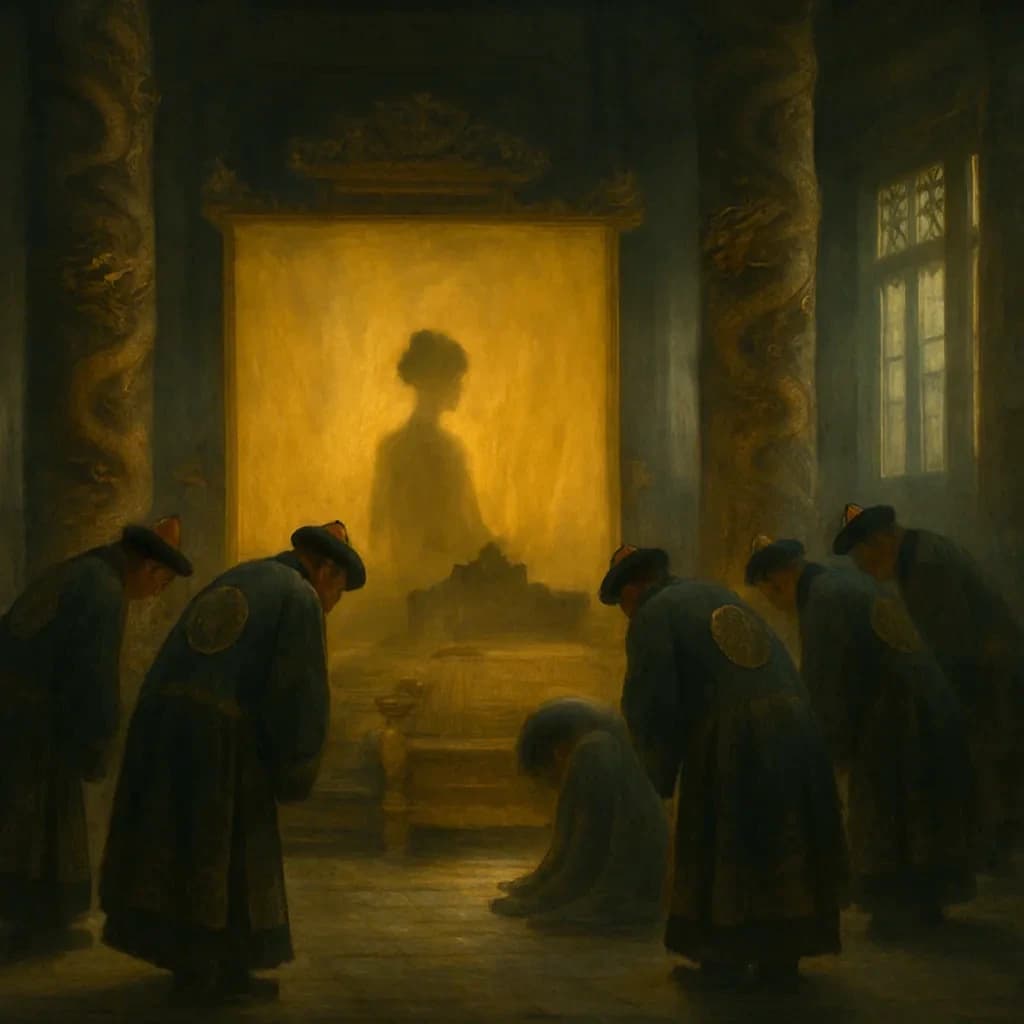
A Concubine Ruled China for 48 Years From Behind a Silk Screen
For forty-eight years, the most powerful person in China ruled from behind a silk screen, never showing her face to the men who carried out her orders.
- Sterling Seagrave, Dragon Lady: The Life and Legend of the Last Empress of China
- Jung Chang, Empress Dowager Cixi: The Concubine Who Launched Modern China
- Keith Laidler, The Last Empress: The She-Dragon of China