
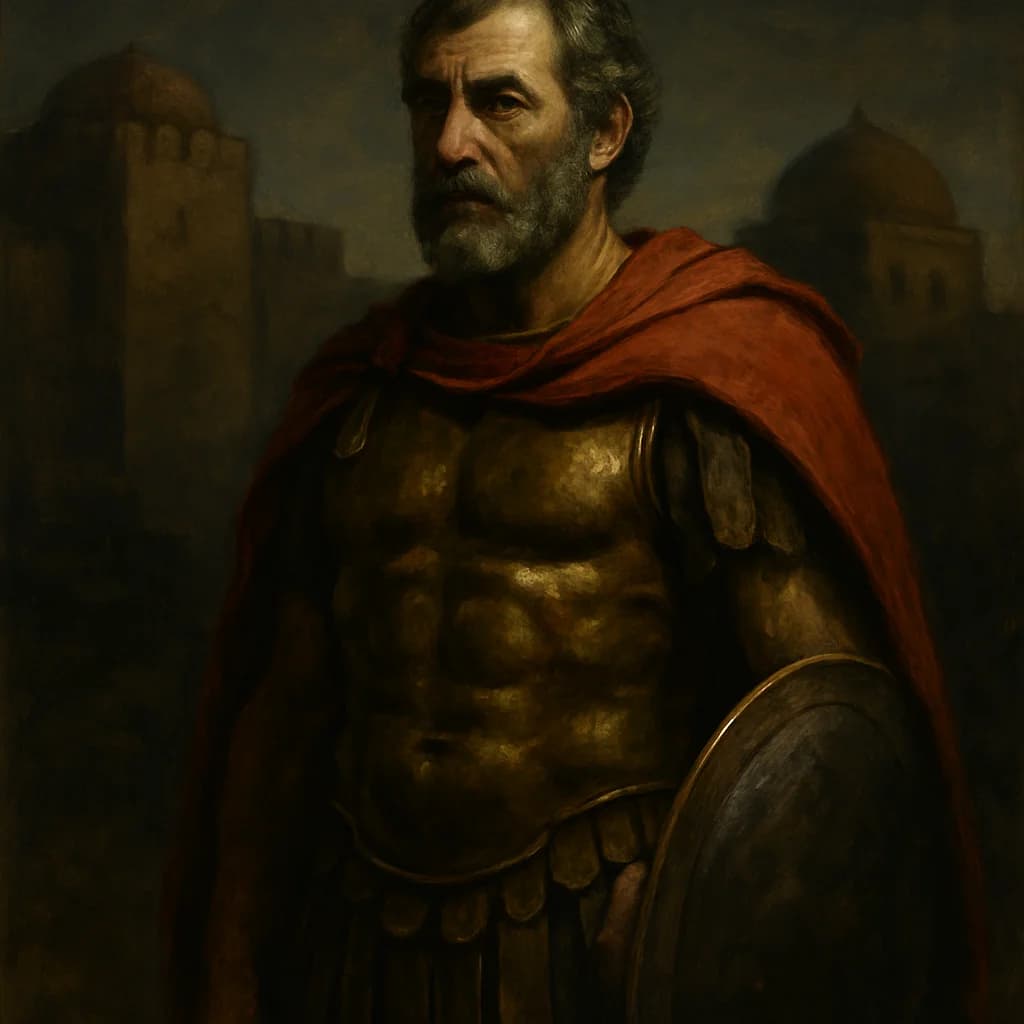
Cleitus the Black
The man who saved Alexander's life at the Granicus River died by Alexander's own hand at a dinner party, killed for telling the truth about what his childhood friend had become.
Cleitus the Black earned his nickname not from his hair, but from his shield, a massive bronze disc darkened by countless battles. He had known Alexander since they were boys, when Alexander's wet nurse Hellanice was Cleitus's own sister. This wasn't just military loyalty; it was family.
At the Battle of Granicus in 334 BC, when a Persian cavalry officer raised his sword to split Alexander's skull, Cleitus severed the man's arm at the shoulder. Alexander never forgot the debt. Neither did Cleitus, which became the problem.
By 328 BC, Alexander demanded his Macedonian generals prostrate themselves Persian-style, a practice that made battle-hardened veterans physically ill. During a wine-soaked feast in Maracanda, Cleitus had endured enough. When court poets began singing verses comparing Alexander favorably to the gods, Cleitus exploded. He reminded Alexander that his victories belonged to his father Philip's army, that Macedonian blood had purchased every inch of conquered territory, that the man demanding divine honors had needed saving by a common soldier's sword.
Alexander grabbed a spear from a guard. In the moment between Cleitus speaking truth and Alexander driving bronze through his chest, the entire trajectory of the Macedonian empire balanced on a knife's edge. Had Cleitus stayed silent, perhaps Alexander's megalomania would have destroyed him later. Had Alexander shown restraint, perhaps his most trusted general would have lived to prevent the empire's collapse after Alexander's death. Instead, Alexander spent three days in his tent, refusing food, reportedly trying to fall on his own sword from grief and shame.
After killing Cleitus, Alexander consulted the Oracle of Ammon, who declared the murder divinely ordained, but Alexander never fully recovered psychologically and began showing signs of severe paranoia and alcoholism.
Why untold: His story is overshadowed by Alexander's legend, reduced to a footnote about the conqueror's temper rather than examined as a crucial moment when personal loyalty collided with absolute power.
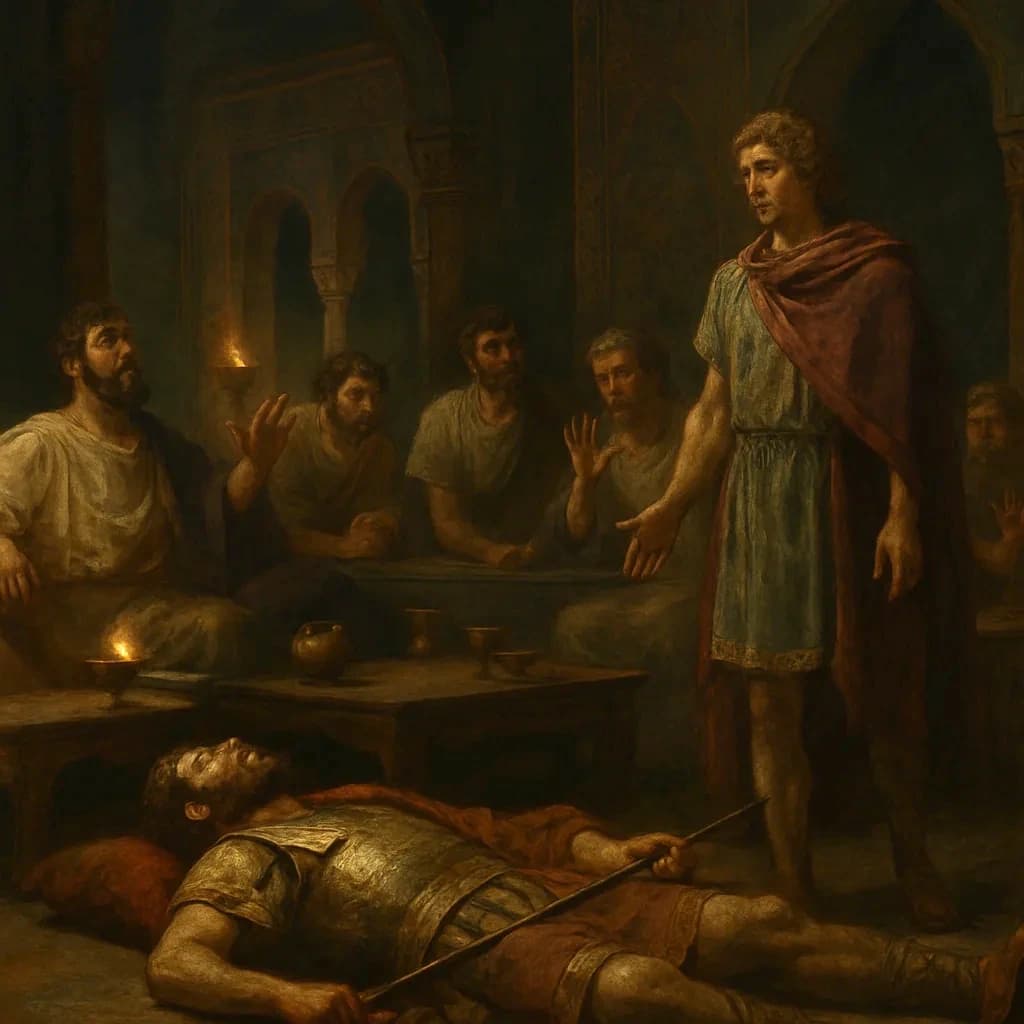
Alexander Killed the Friend Who Saved His Life
A drinking party in 328 BC nearly cost Alexander the Great his empire, not from enemy action, but from his own hand.
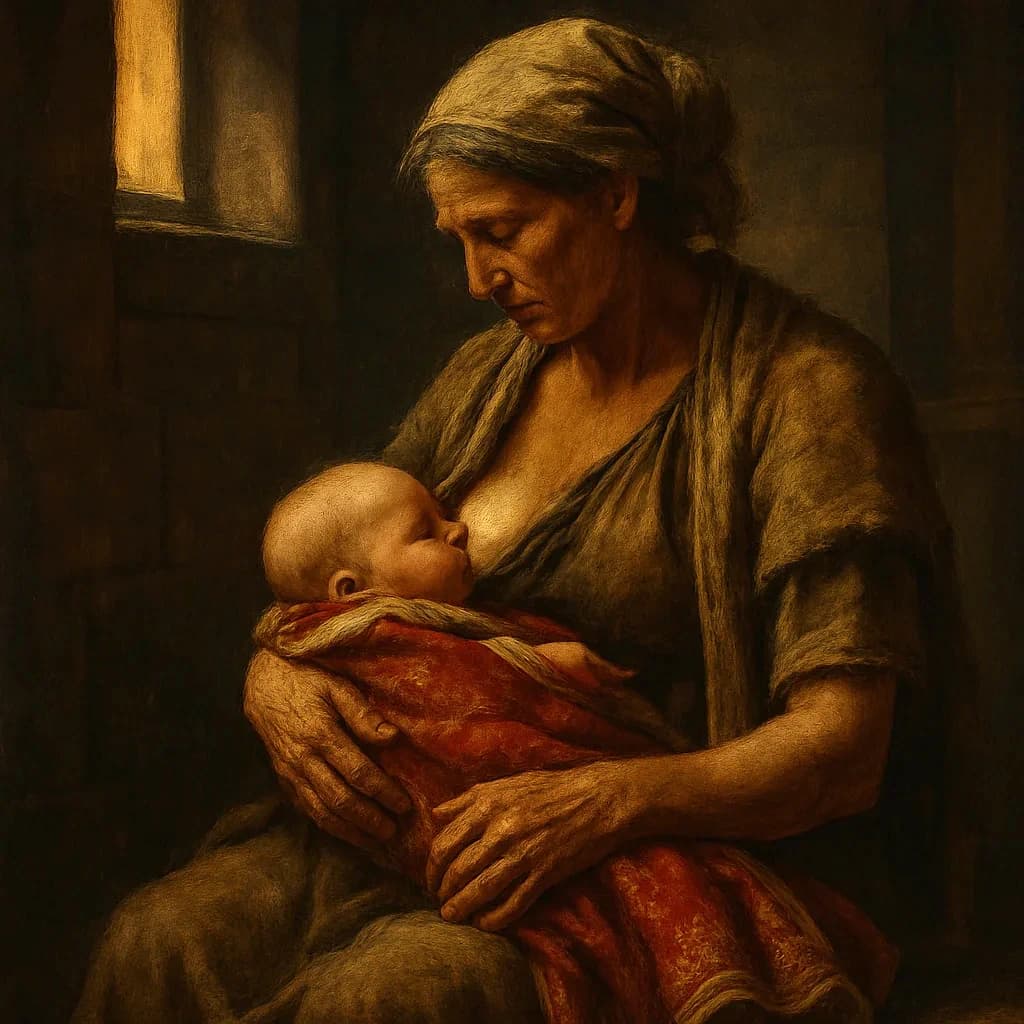
The Wet Nurse Who Built an Empire
A peasant woman's milk shaped the man who would conquer most of the known world.
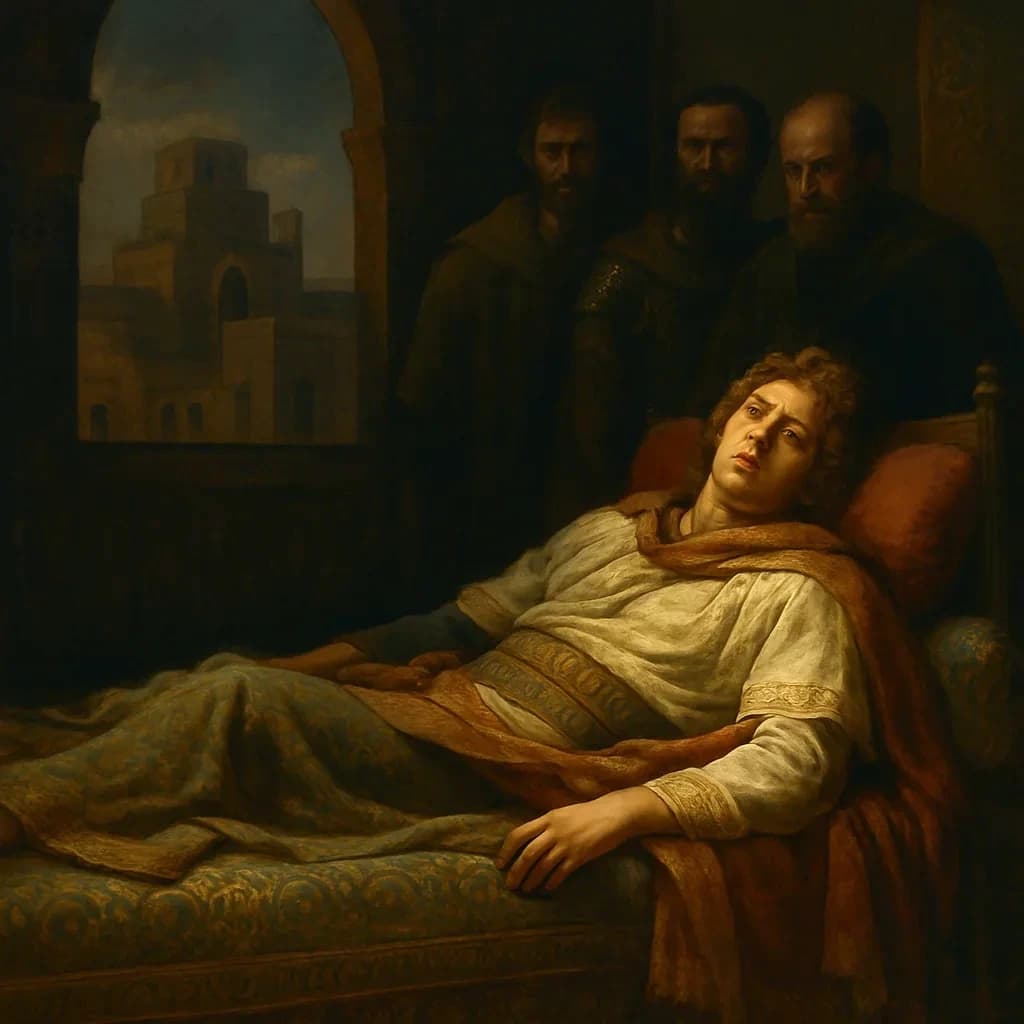
Alexander Spent His Last Months Convinced He Was a God
The conqueror of the known world spent his final months convinced he was divine, demanding his friends prostrate themselves before him like Persian slaves.
- Plutarch, Life of Alexander
- Arrian, Anabasis of Alexander
- Curtius Rufus, Histories of Alexander the Great