
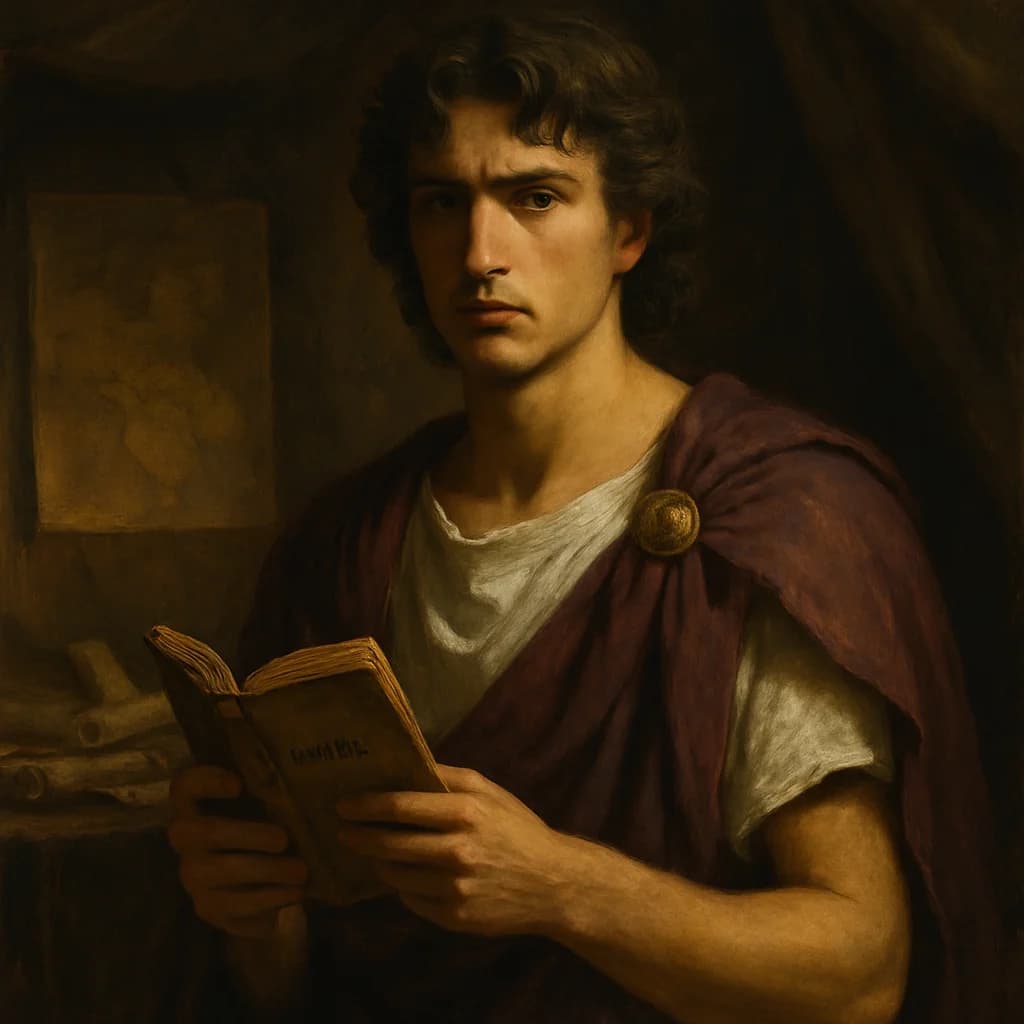
Alexander the Great
The man who conquered half the world by age 30 died weeping over a poem about friendship.
Alexander read Homer obsessively, carrying a copy of the Iliad annotated by Aristotle everywhere he marched. But it wasn't the battles that captivated him. It was the friendship between Achilles and Patroclus. When his own beloved companion Hephaestion died in 324 BC, Alexander didn't just grieve. He crucified the doctor who failed to save him, ordered temples built in Hephaestion's honor, and spent a fortune consulting oracles about whether his dead lover could be worshipped as a god.
This wasn't the calculated mourning of a politician. Alexander stopped eating for days, cut his hair in the ancient gesture of mourning, and held funeral games that lasted weeks while his empire waited. His generals watched in horror as their invincible king (the man who had crossed the Hindu Kush and defeated elephants) fell apart over a drinking companion's fever. Some whispered that Hephaestion had been poisoned, but Alexander's grief suggested something deeper: the realization that conquest meant nothing if you had no one left who remembered who you were before you became a god.
The practical Alexander, the military genius who never lost a battle, had always been at war with the dreamer who slept with the Iliad under his pillow. After Hephaestion's death, the dreamer won. Alexander spent his final months planning impossible campaigns: to Arabia, to the western Mediterranean, eventually to conquer the entire world. His last recorded words weren't about empire or glory, but about giving his ring "to the strongest." He died at 32, still searching for someone worthy of the friendship he'd lost.
Alexander once spent two months besieging a city just to capture a copy of Euripides' lost plays, which he considered more valuable than the city's gold.
Why untold: Military historians focus on his tactics while ignoring the emotional vulnerabilities that actually drove his most consequential decisions.
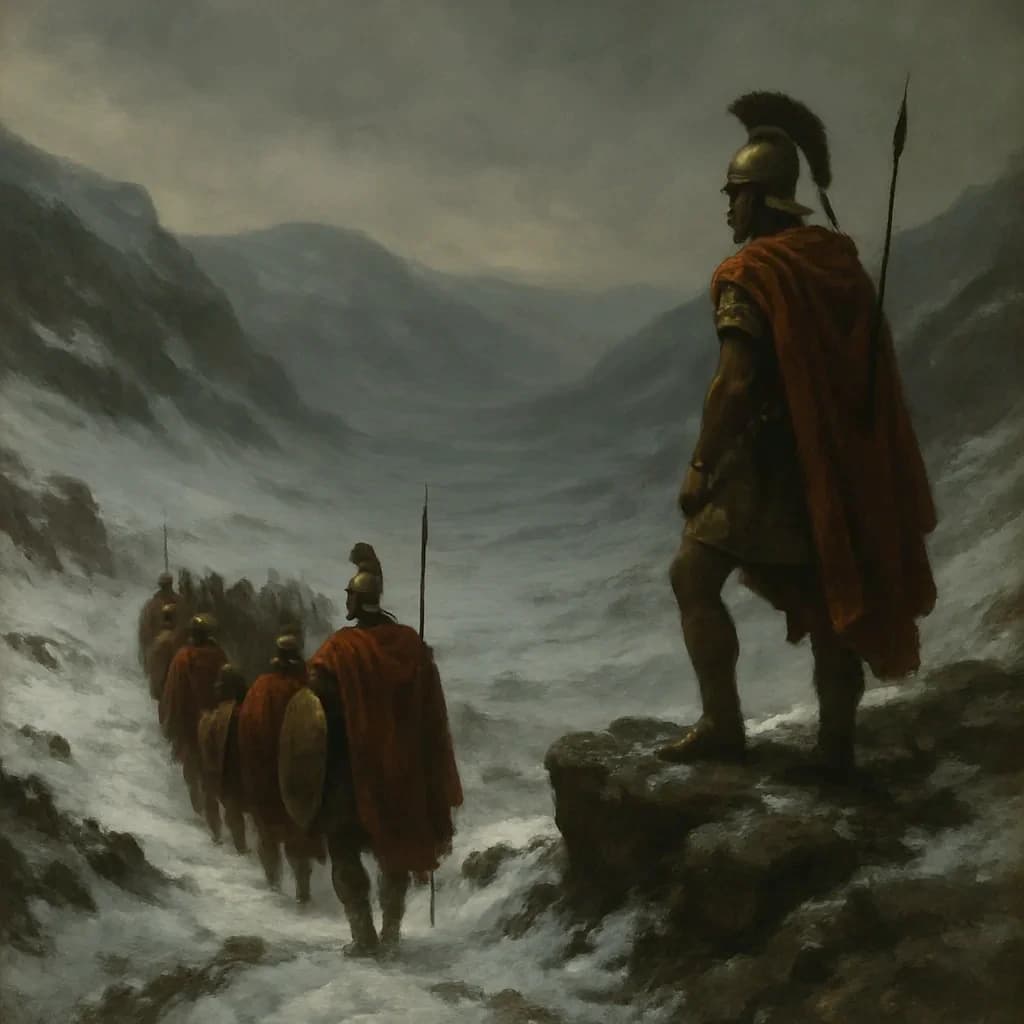
Xenophon's Retreat Became Alexander's Invasion Map
Darius III's most dangerous enemy wasn't Alexander. It was the Greek mercenary captain who had spent twenty years learning exactly how the Persian Empire worked.
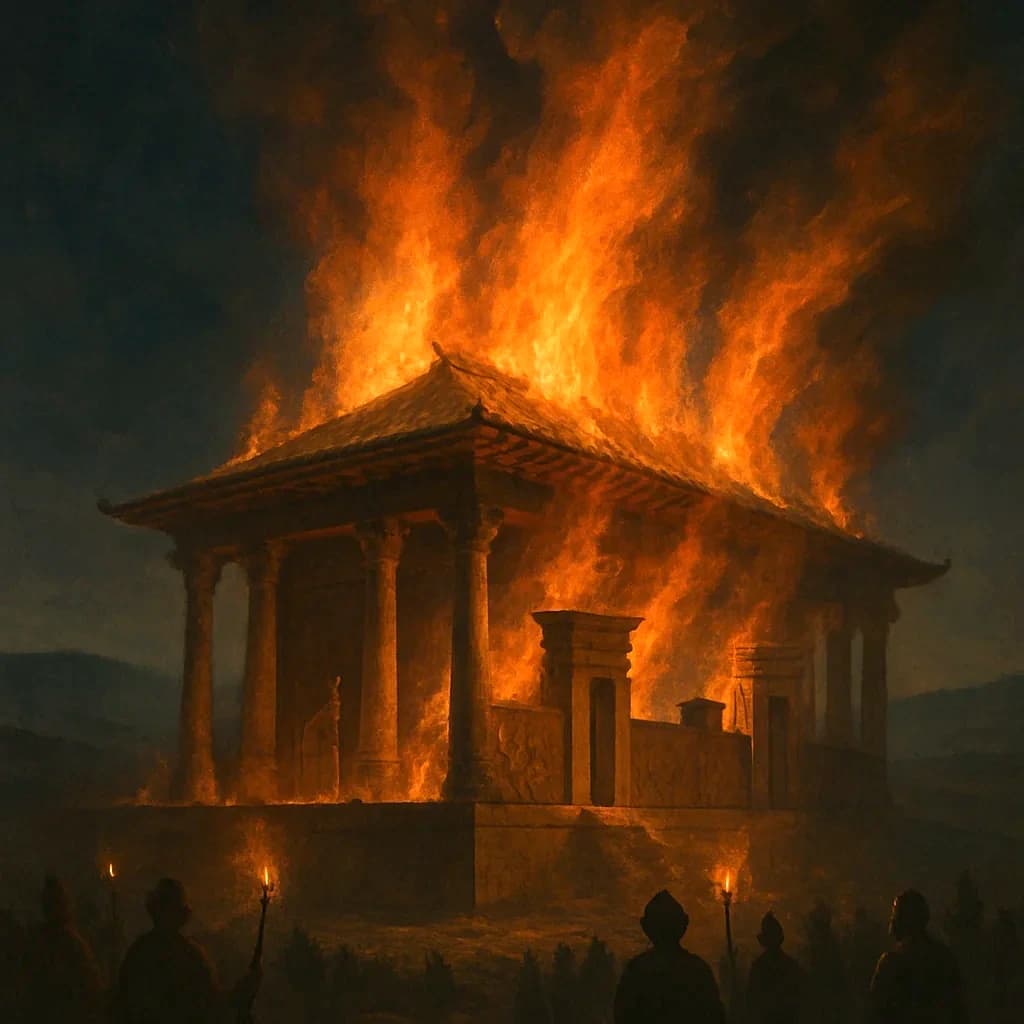
Alexander Burned Persepolis Over a Party Game
Alexander the Great burned one of the ancient world's greatest cities. The fire probably started as a party game.
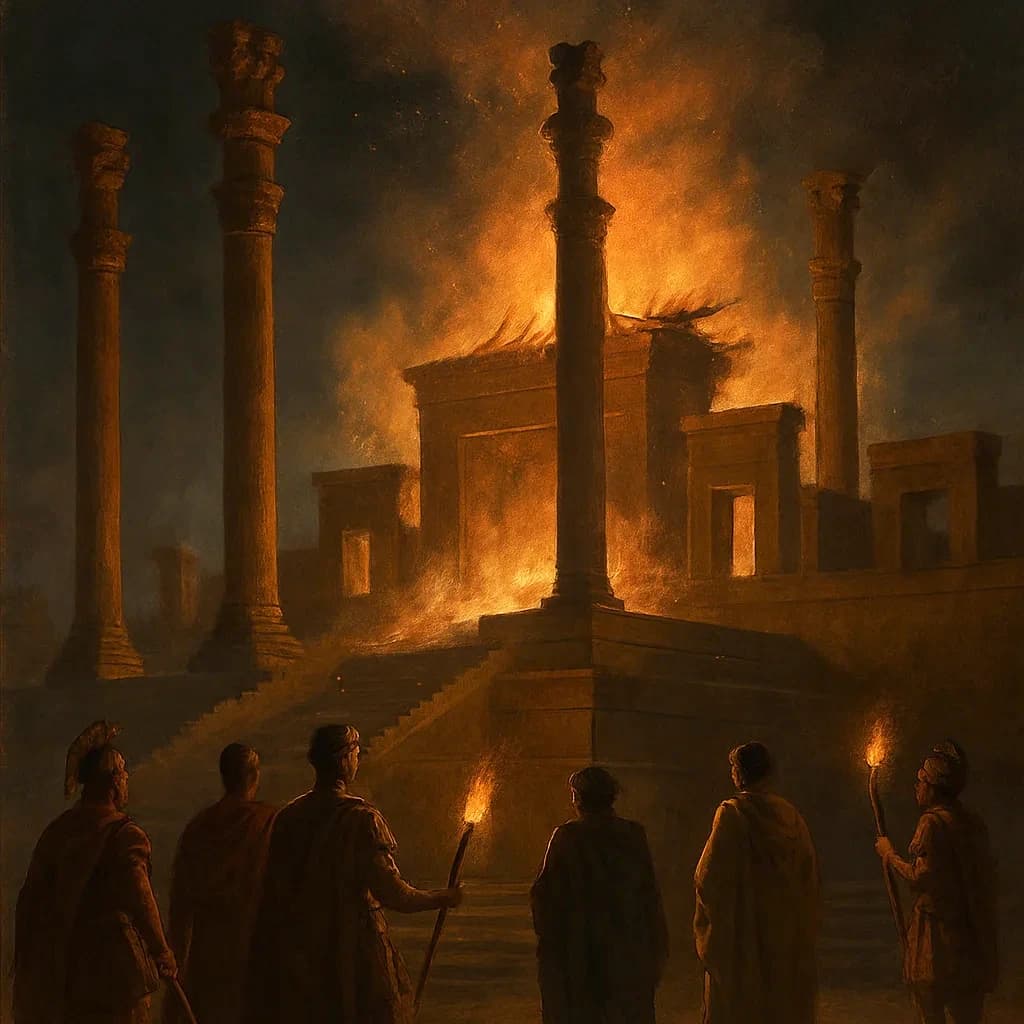
Alexander Burned Persepolis Over a Banquet Dare
Alexander the Great burned one of the ancient world's greatest palaces, and the most credible explanation is that a party got out of hand.
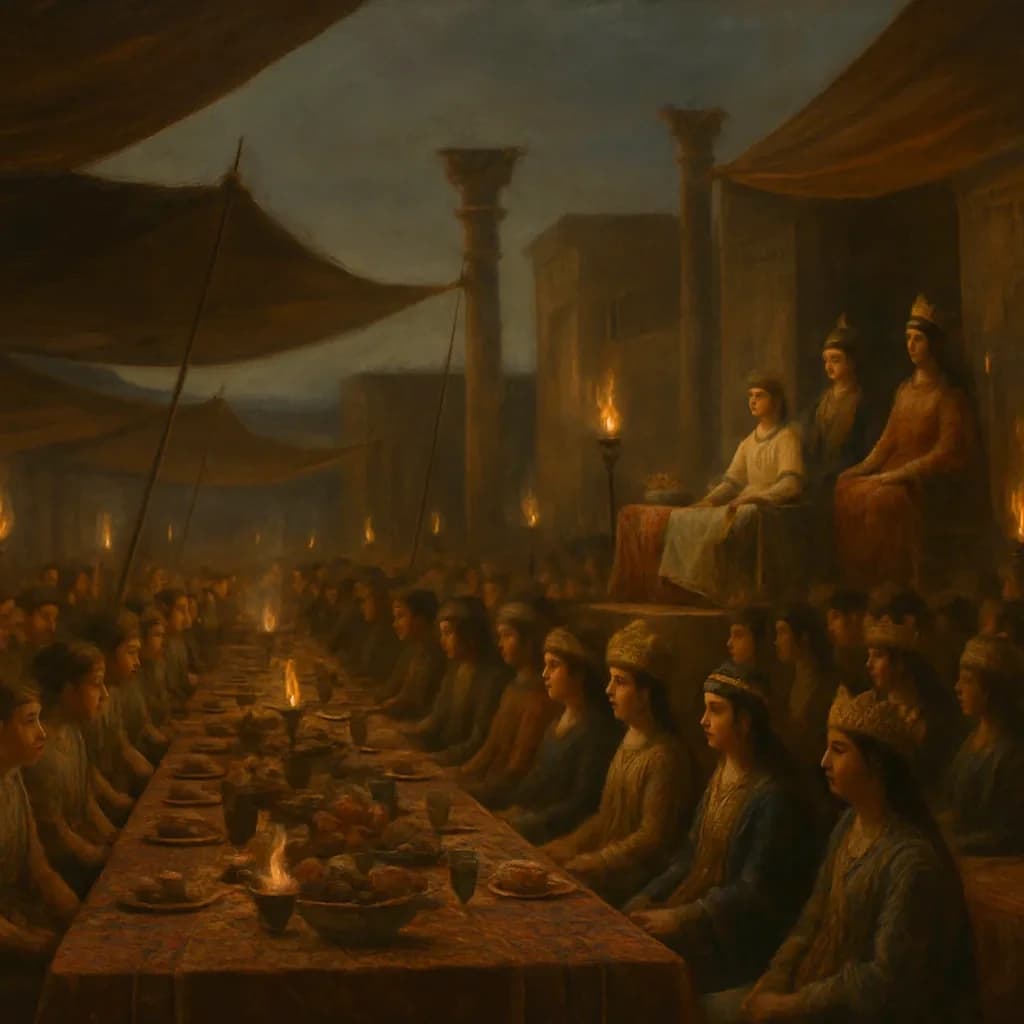
Alexander Married Off Ten Thousand Soldiers in One Ceremony
Alexander the Great ordered ten thousand of his soldiers to marry Persian women in a single ceremony, and most of them hated him for it.
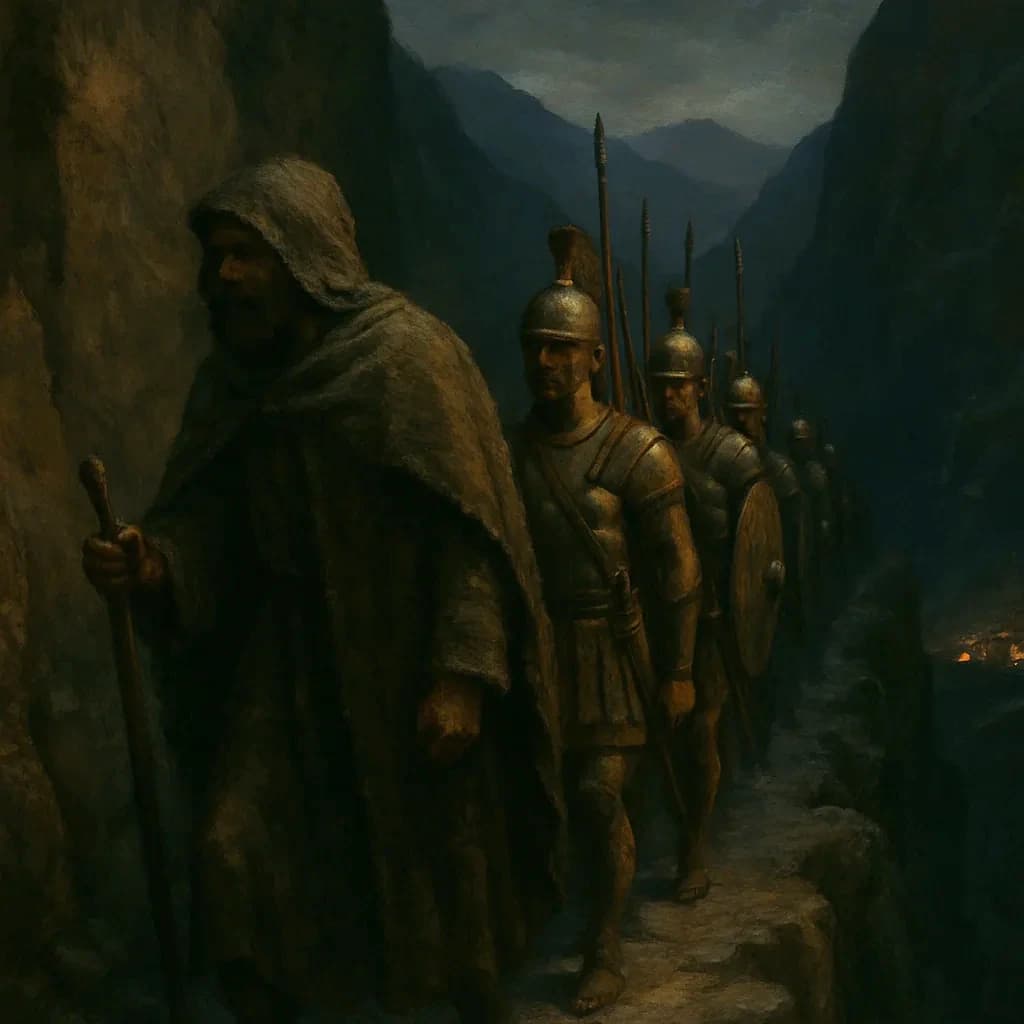
A Goatherd's Path and the Fall of Persepolis
One of history's most impregnable cities fell in 330 BC, not to a siege engine or a traitor, but to a goat track nobody thought worth mentioning.
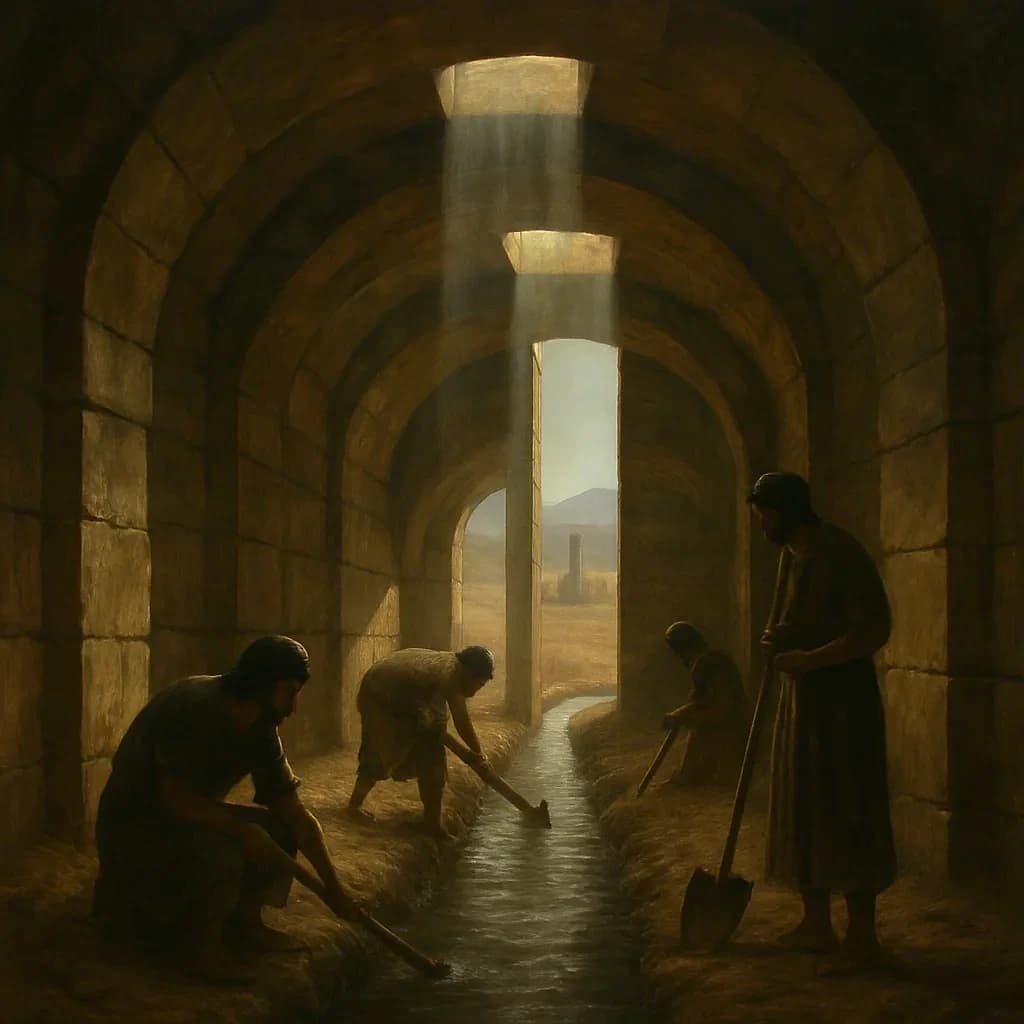
How Ancient Persia Made Water Flow Uphill
A forgotten Persian engineer's midnight calculations turned barren sand into the world's most productive farmland, then vanished from history.
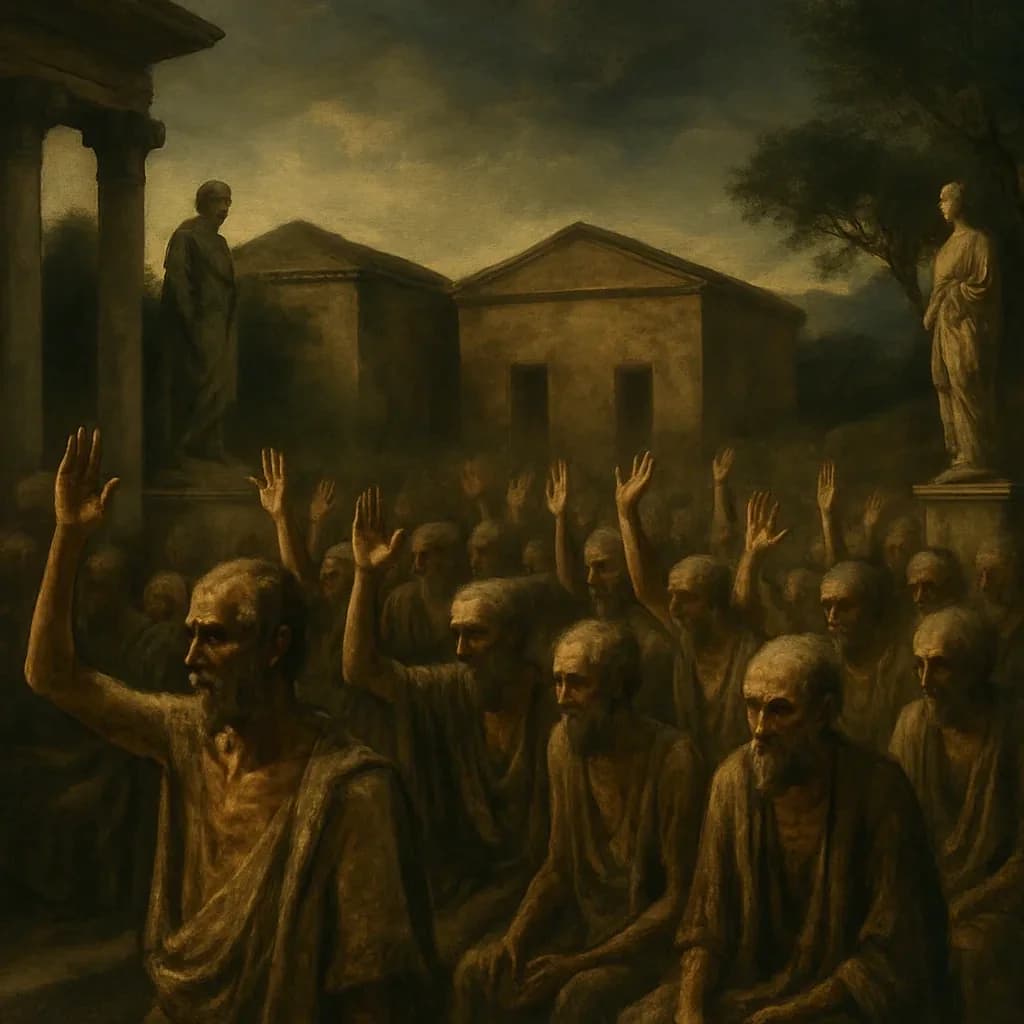
Athens Traded Its Democracy for Grain Ships
The world's first democracy voted itself out of existence in 322 BC for the promise of a regular meal.
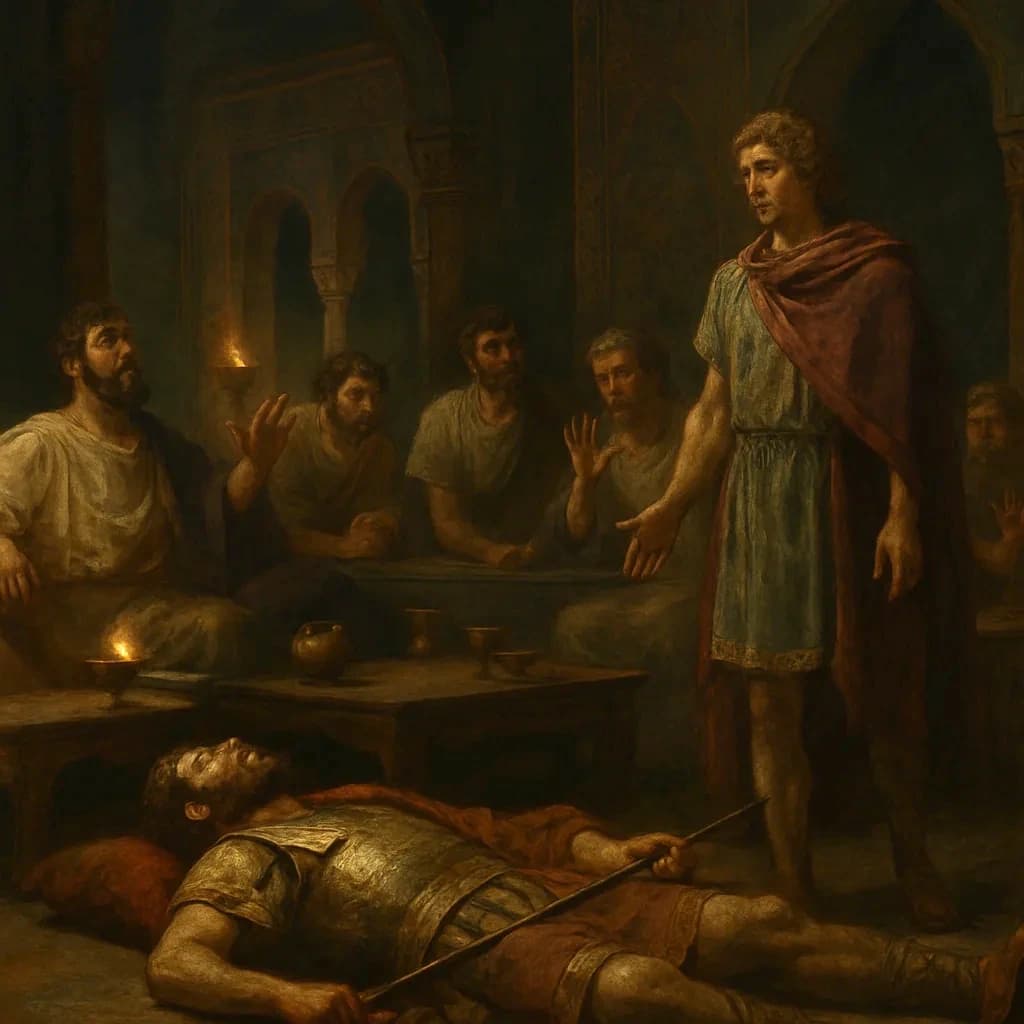
Alexander Killed the Friend Who Saved His Life
A drinking party in 328 BC nearly cost Alexander the Great his empire, not from enemy action, but from his own hand.

The Wet Nurse Who Built an Empire
A peasant woman's milk shaped the man who would conquer most of the known world.
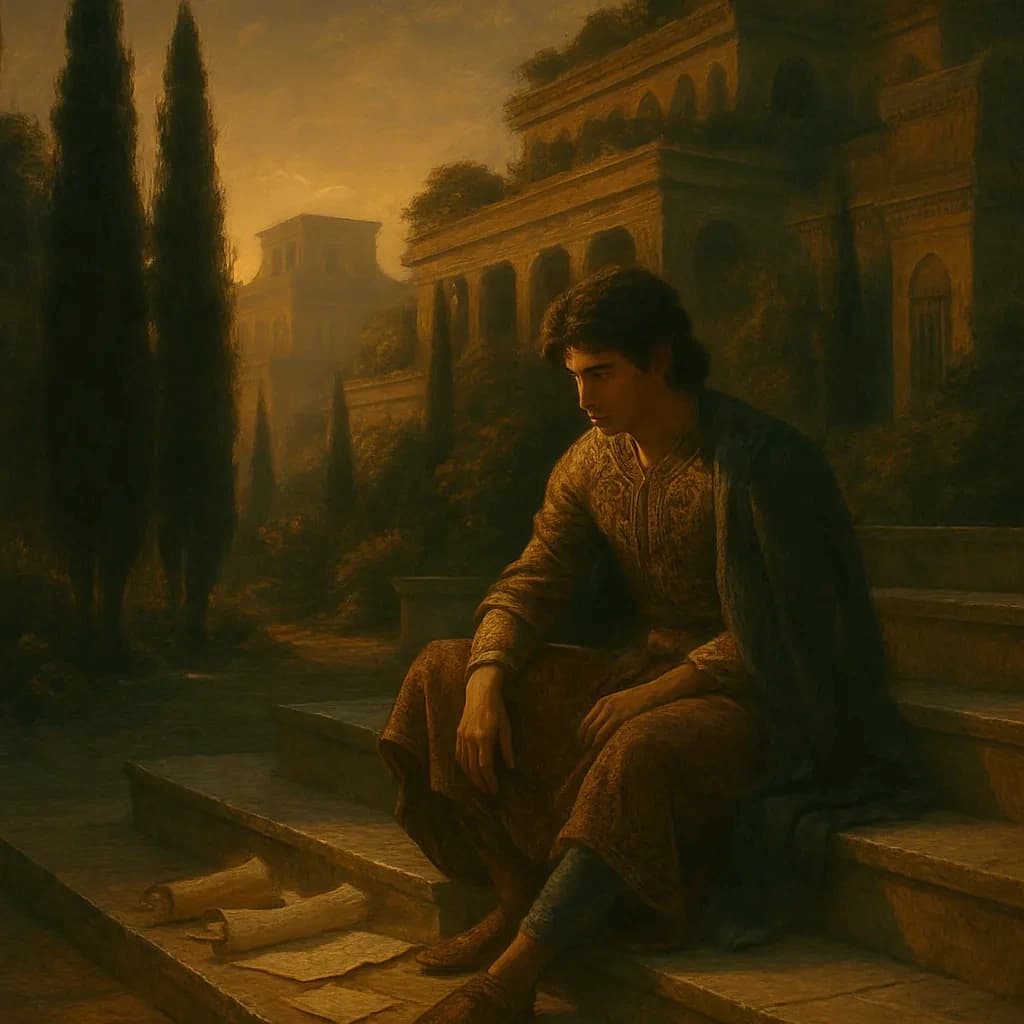
Alexander the Great's Last War Was Against Death
After conquering half the known world, Alexander the Great spent his final months obsessing over the one enemy he could never defeat.
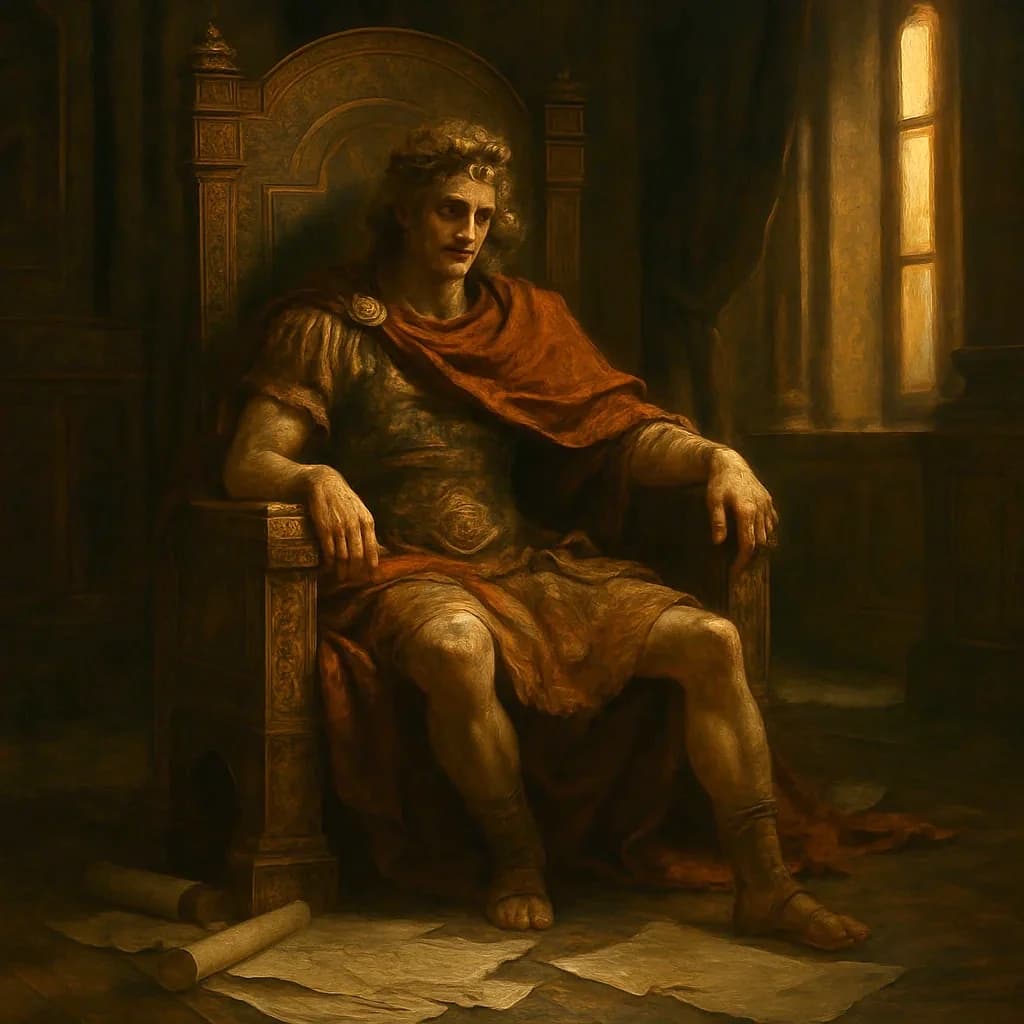
Alexander's Greatest Victory Broke His Empire Before He Died
Alexander the Great's greatest triumph broke his empire before he even died.
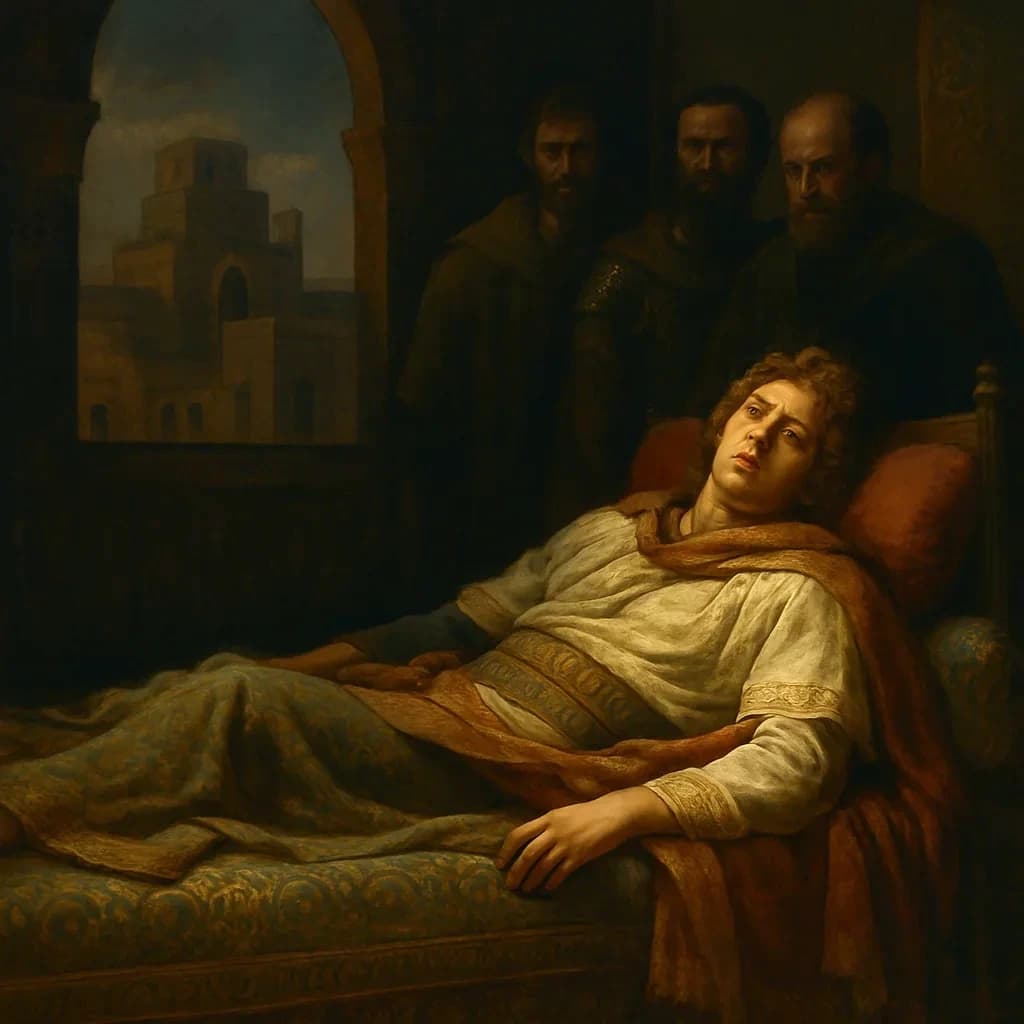
Alexander Spent His Last Months Convinced He Was a God
The conqueror of the known world spent his final months convinced he was divine, demanding his friends prostrate themselves before him like Persian slaves.
- Plutarch's Lives: Alexander
- Arrian's Anabasis of Alexander
- Peter Green's Alexander of Macedon: A Historical Biography