
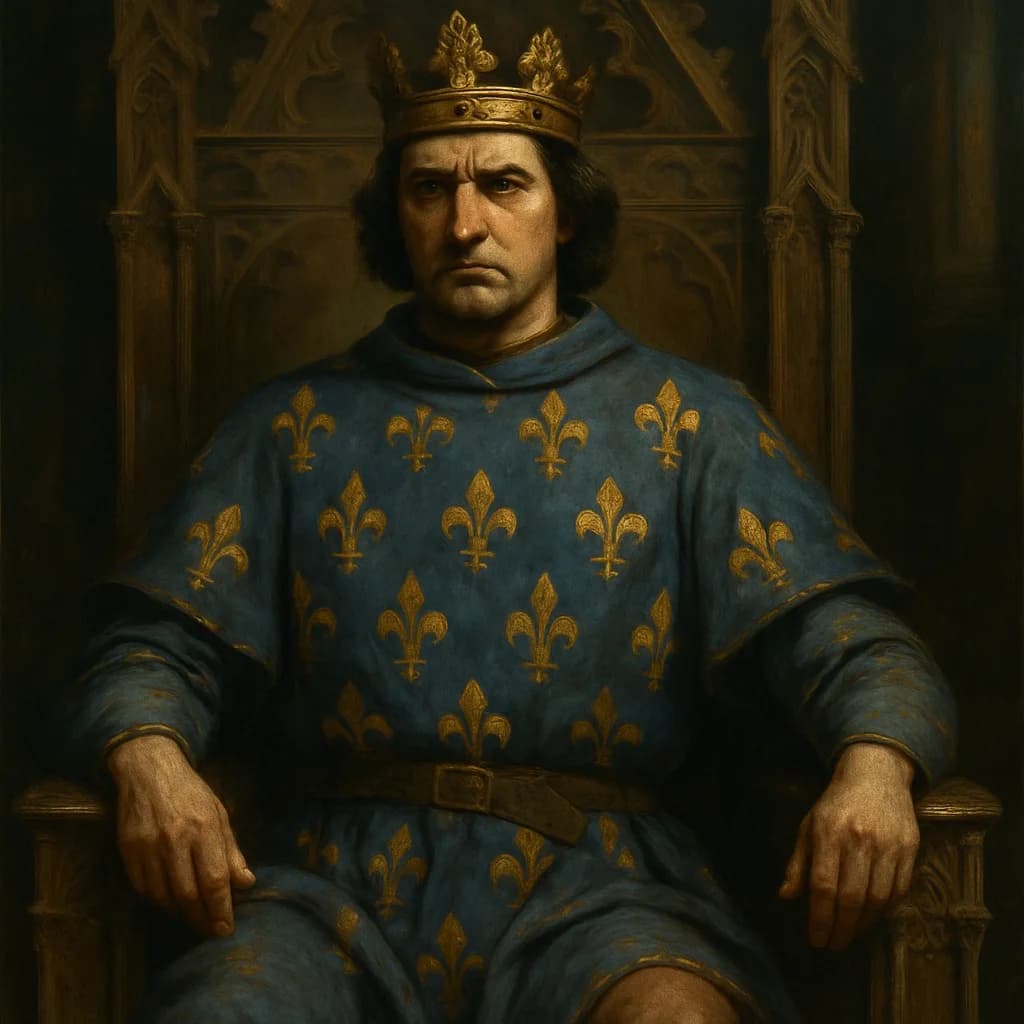
Charles of Anjou
The man who destroyed the most cosmopolitan kingdom in medieval Europe did so by accident. He was just trying to collect his late brother's bar tab.
Charles of Anjou never intended to become the butcher of Sicily's golden age. When the Pope offered him the crown of Sicily in 1266, Charles saw it as a convenient way to settle the massive debts his brother Louis IX had accumulated during the failed Eighth Crusade. What he found instead was the richest, most culturally diverse kingdom in Europe, a place where Arabic scholars debated Aristotle with Norman knights, where Byzantine artists worked alongside Islamic mathematicians, where Frederick II had built a paradise of intellectual exchange.
Charles took one look at this cosmopolitan marvel and decided it was entirely too complicated. Within months of his coronation, he had imposed French bureaucracy on a system that had thrived for centuries on flexible, multicultural administration. Out went the Arabic-speaking civil servants who had managed trade with North Africa. Gone were the Greek scholars who had preserved classical texts. The Jewish financiers who had funded Sicily's prosperity found themselves replaced by Charles's Angevin cronies, men who couldn't tell a dinar from a denarius.
The transformation was breathtakingly thorough. Charles imported French tax collectors who demanded payment in silver when the island's economy ran on gold. He installed French bishops who spoke no Arabic in regions where half the population was Muslim. Most catastrophically, he replaced Sicily's sophisticated international banking system (which had financed trade from Constantinople to Cordoba) with crude Angevin accounting methods that treated every transaction as potential theft.
By 1282, when the Sicilian Vespers erupted in Palermo, Charles had managed something remarkable: he had taken Europe's wealthiest kingdom and turned it into a sullen, impoverished province. The rebellion that drove him from Sicily wasn't just about foreign rule. It was about the systematic destruction of a civilization. Charles died in 1285, still convinced he had brought proper governance to a backward island.
Charles of Anjou's financial records show he spent more money on French wine imports to Sicily than the previous Norman kings had spent on their entire court systems.
Why untold: His reputation as a crusading hero overshadowed his role as the destroyer of medieval Europe's most successful multicultural state.
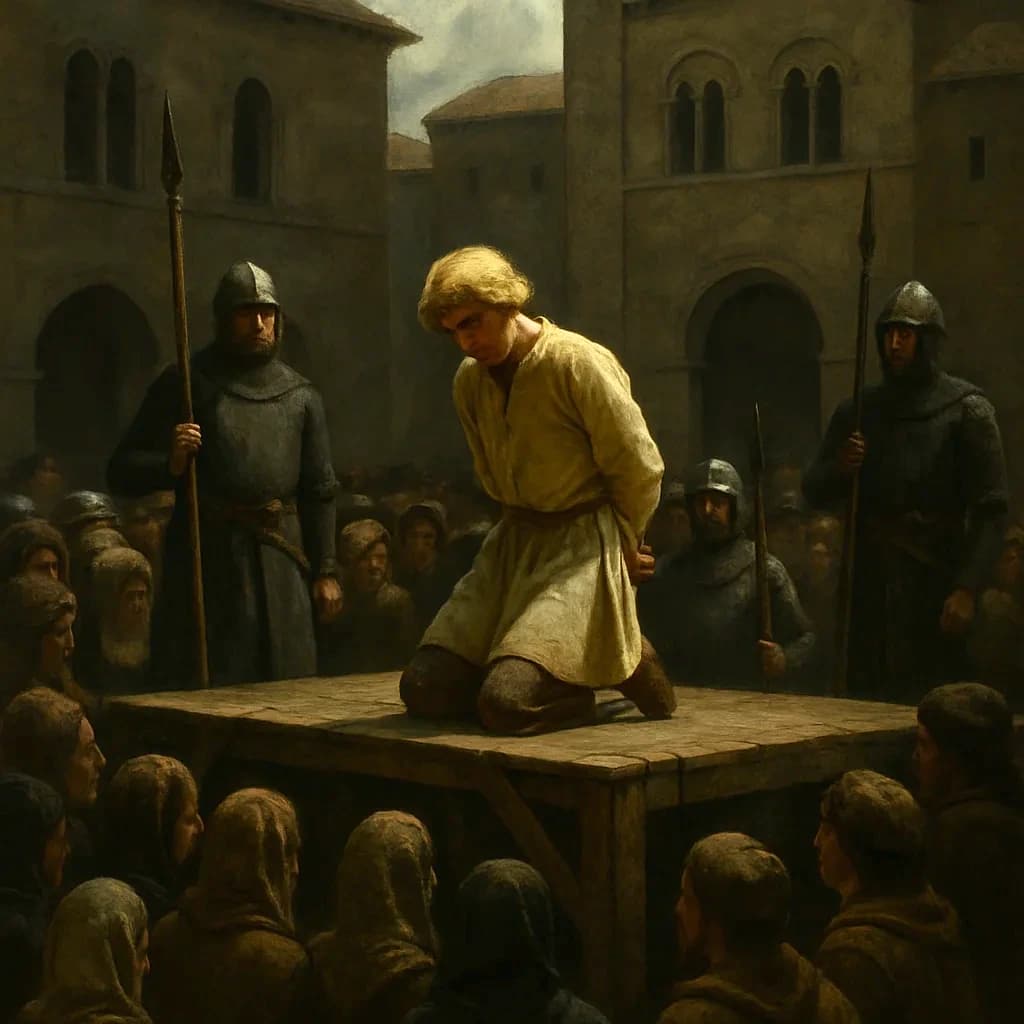
Behead the Heir: How Charles of Anjou Lost Sicily
A fisherman's son from Sicily pulled on a dead knight's armor, walked into a burning city, and, without meaning to, became the most important person in 13th-century Italy.
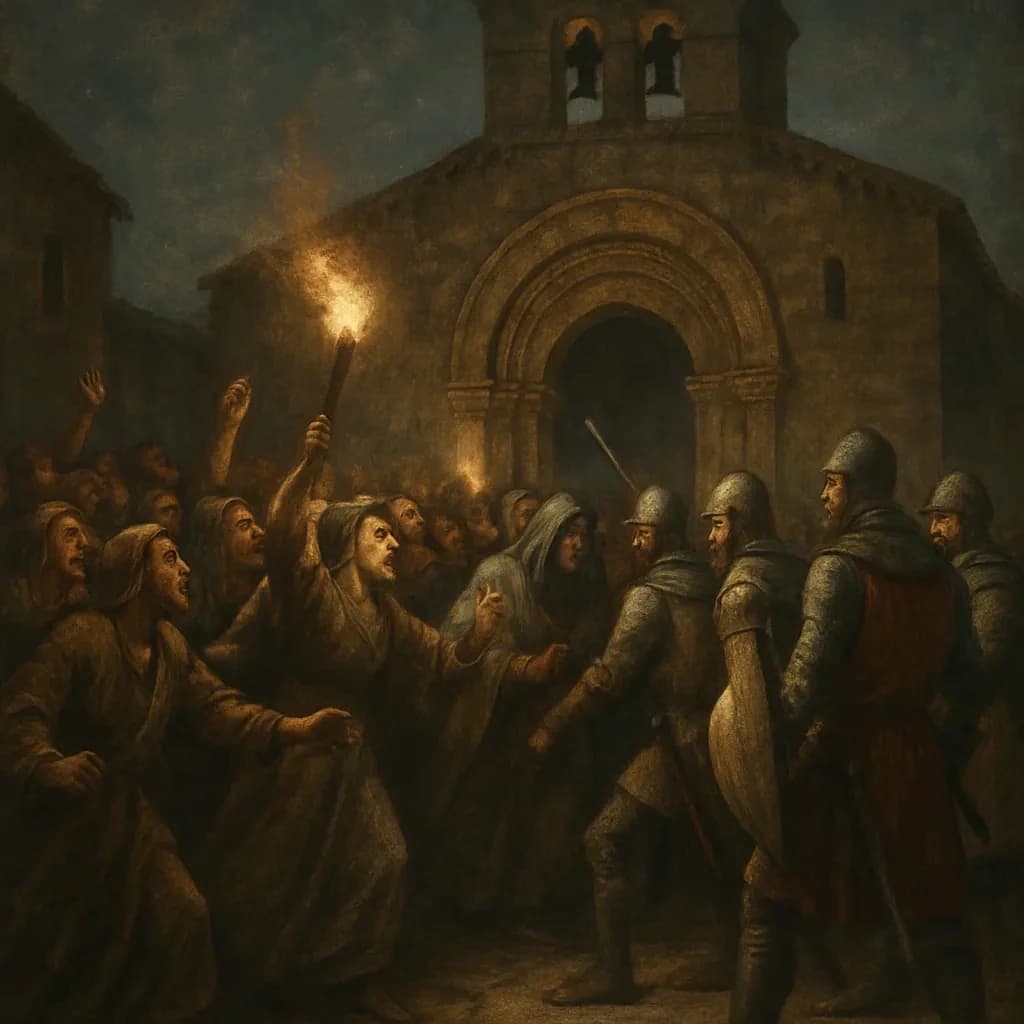
The Sicilian Word No Frenchman Could Pronounce
A French soldier touched a Sicilian woman's dress at the wrong moment, and within an hour, every French person on the island was dead.
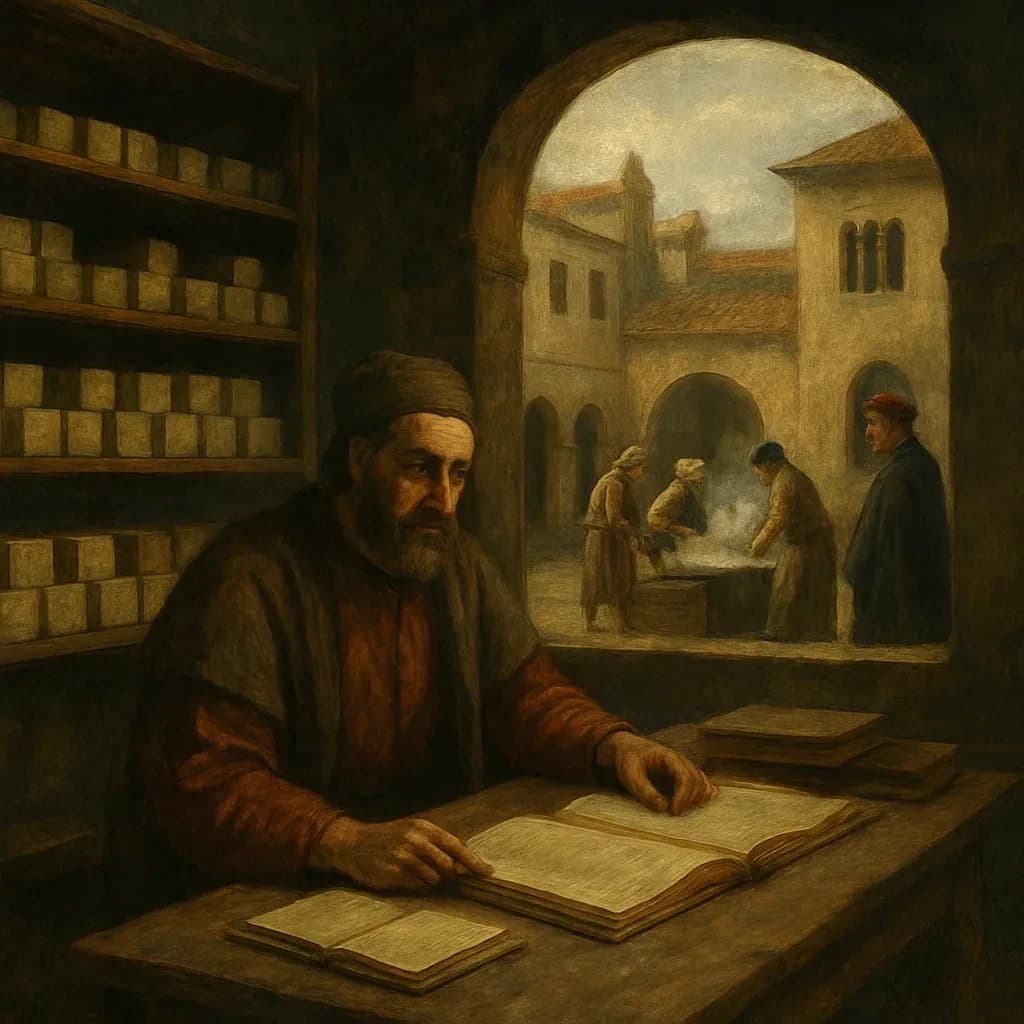
When Sicily Sold Its Soul for Soap
A Venetian merchant's inventory list accidentally created Europe's most ruthless banking system, and destroyed an island paradise in the process.
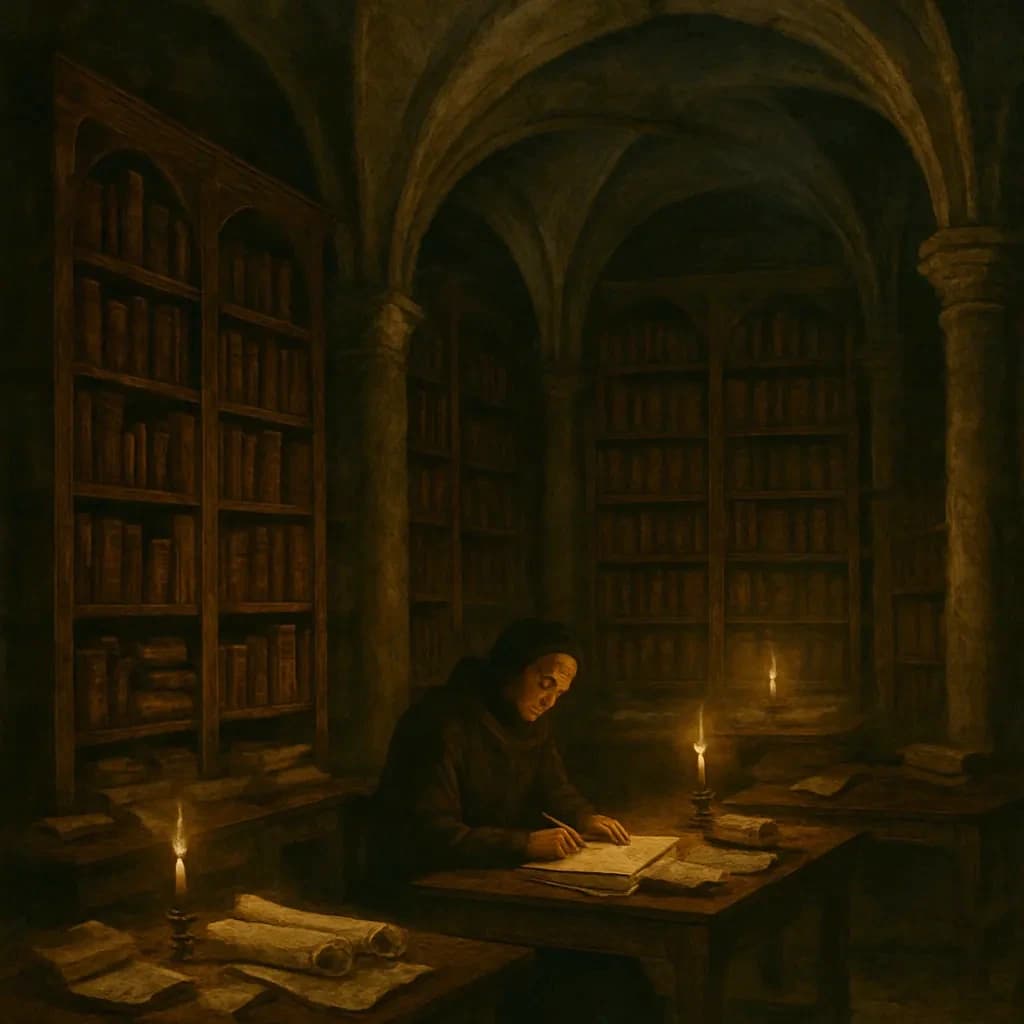
When Sicily Died of Paper Cuts
A single bureaucrat's obsession with proper filing procedures brought down a kingdom that had survived Vikings, Arabs, and Normans.
- Steven Runciman, The Sicilian Vespers: A History of the Mediterranean World in the Later Thirteenth Century (1958)
- David Abulafia, Frederick II: A Medieval Emperor (1988)
- Jean Dunbabin, Charles I of Anjou: Power, Kingship and State-Making in Thirteenth-Century Europe (1998)