
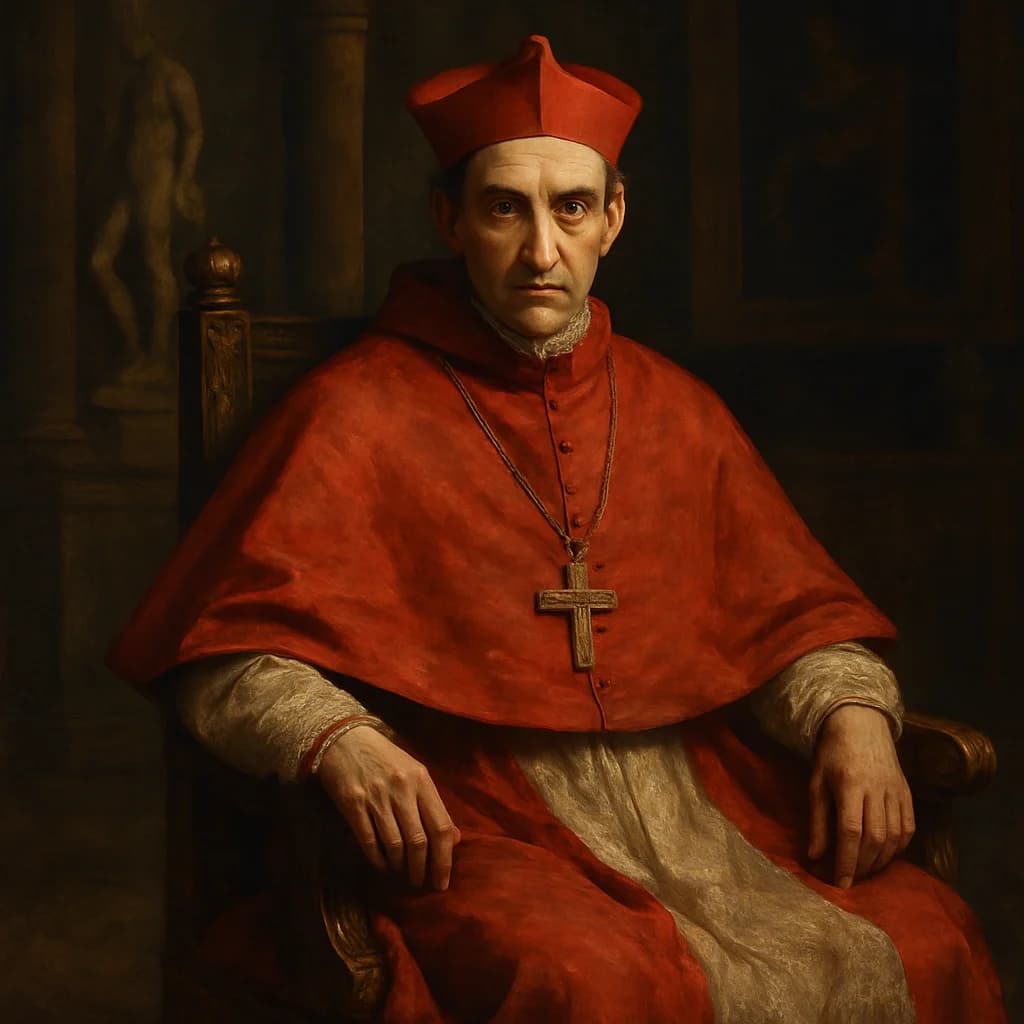
Cardinal Scipione Borghese
The man who collected torture paintings and severed heads controlled the Catholic Church's entire artistic output for a generation.
Cardinal Scipione Borghese had a problem. As Pope Paul V's nephew and the Vatican's unofficial minister of culture, he possessed unlimited papal funds and an insatiable hunger for art that bordered on pathological. Between 1605 and 1633, he didn't just collect masterpieces. He systematically looted them from Roman churches, bribing priests and threatening excommunication to acquire works by Caravaggio, Bernini, and Titian.
What made Scipione truly dangerous wasn't his theft, but his taste. While other cardinals commissioned pious Madonna paintings, Scipione craved violence. His villa overflowed with Caravaggio's most disturbing works: martyrs being flayed alive, Judith sawing through Holofernes' neck, David holding Goliath's severed head. He commissioned Bernini to sculpt Pluto dragging Persephone to hell, complete with marble fingers pressing into her thigh with anatomical precision. Visitors reported feeling nauseated.
The Cardinal's obsessions ran deeper than mere aesthetic preference. He maintained a private morgue where artists could study decomposing corpses, personally selecting bodies that matched his commissions' requirements. When Caravaggio painted Saint Matthew's martyrdom, Scipione provided a freshly executed criminal's torso. The artist's models often died under mysterious circumstances, their faces later appearing as saints and angels in works that decorated the most sacred spaces in Rome.
Yet Scipione wielded this macabre empire with political genius. Every painting he stole, every grotesque commission he approved, served to consolidate papal power over artistic expression throughout Europe. Artists who pleased him received endless commissions. Those who refused found themselves blacklisted from every Catholic court on the continent. By the time of his death in 1633, Scipione had transformed Catholic art from serene devotion into psychological warfare, and nobody dared complain.
Scipione Borghese owned seventeen different paintings of severed heads, including three versions of David with Goliath's head by Caravaggio, which he displayed together in what visitors called his 'trophy room.'
Why untold: Art histories focus on his patronage of great masters while avoiding the disturbing methods and macabre obsessions that defined his collection practices.
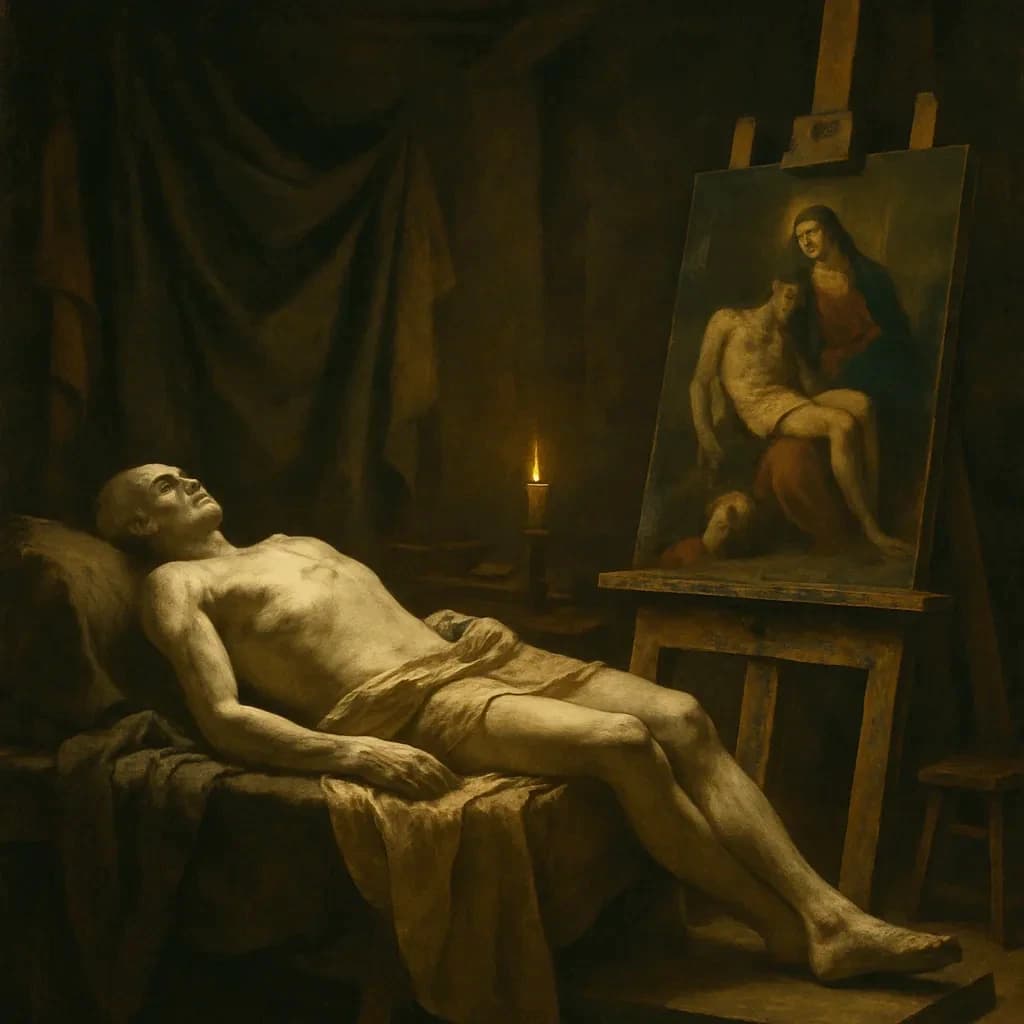
Caravaggio Painted His Saints from Real Corpses
Caravaggio painted his martyred saints from actual corpses out of the Roman morgue, and nobody seemed to mind until they recognized the faces.
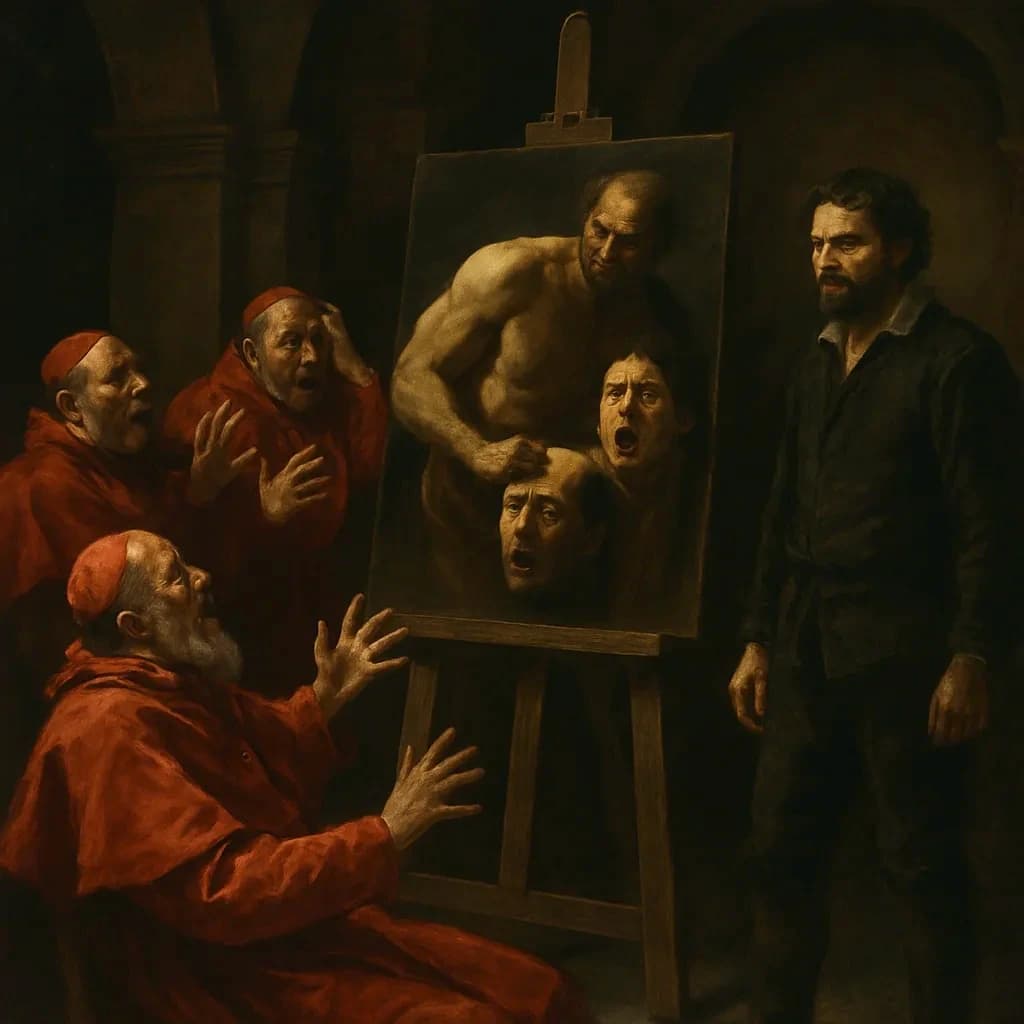
Caravaggio Used a Drowned Corpse to Paint the Virgin Mary
A young artist's masterpiece grew so disturbing that viewers fainted, and the Church banned it for three centuries.
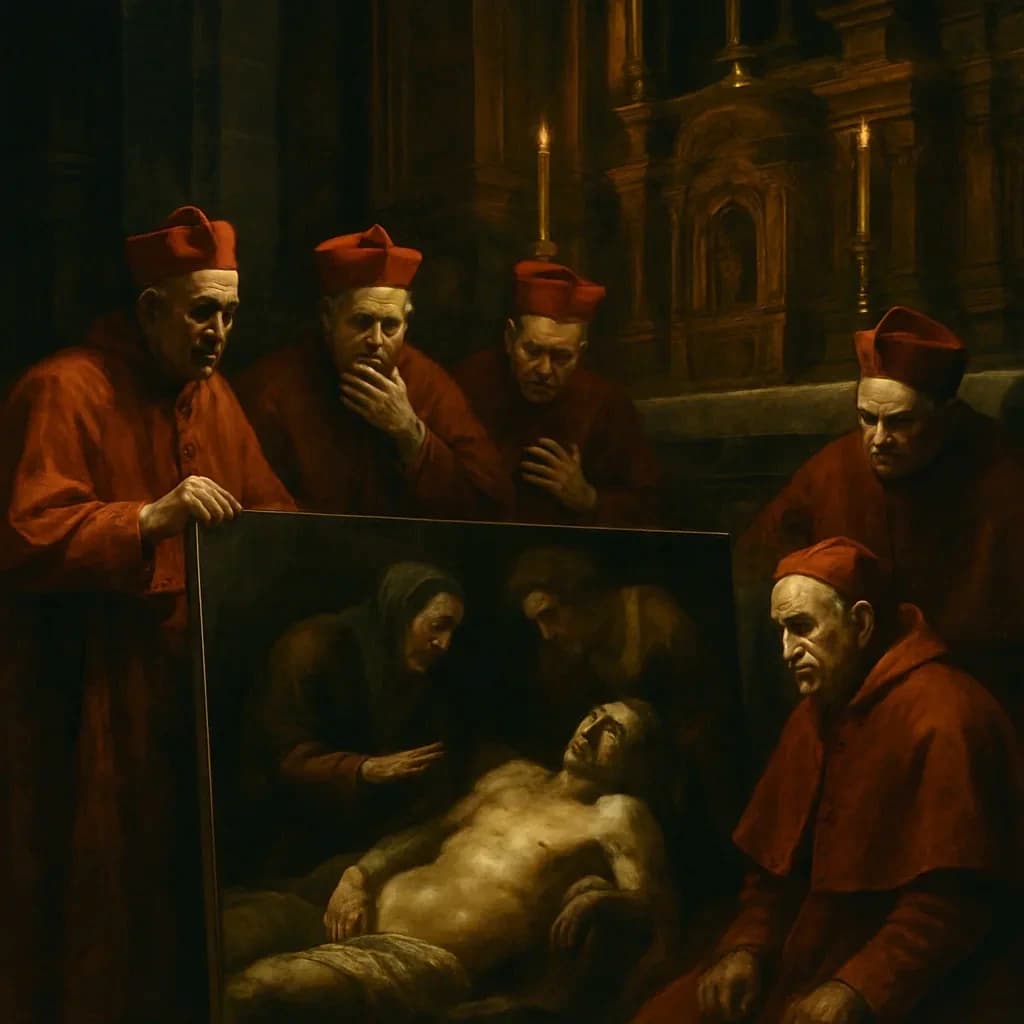
The Painting That Vanished for Three Hundred Years
Caravaggio's lost masterpiece wasn't destroyed by war or theft. It disappeared because no one could bear to look at it.
- Kristina Herrmann Fiore, 'The Borghese Collection and Roman Baroque Art'
- Sebastian Schütze, 'Caravaggio: Complete Works'
- Andrea Bacchi, 'Bernini, Borghese, and the Collection of Cardinal Scipione'