
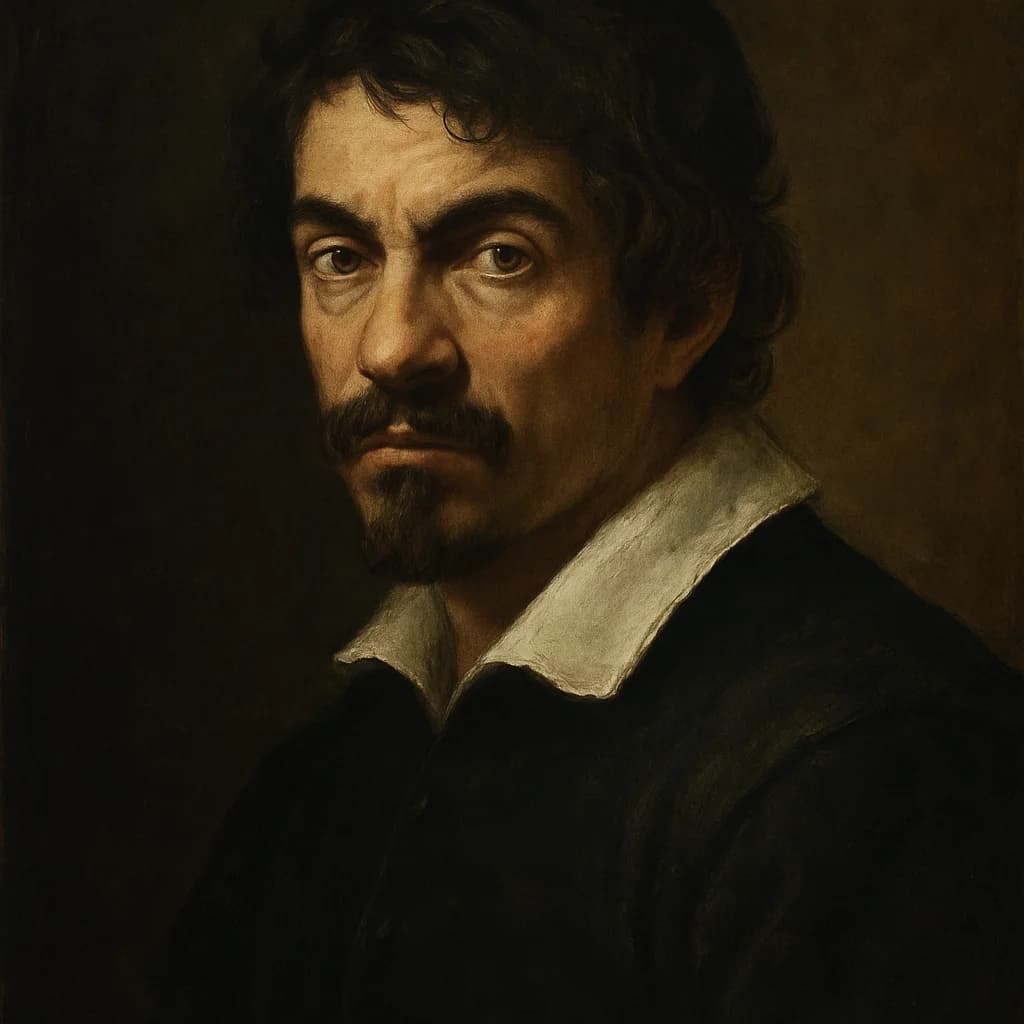
Caravaggio
The most revolutionary painter in Western art history was also a wanted murderer who carried a tennis racket everywhere he went.
Michelangelo Merisi da Caravaggio painted like a man possessed and lived like one hunted. Between creating masterpieces that would reshape European art forever, he accumulated a rap sheet that reads like a crime novel: assault with a plate of artichokes, attacking a waiter with a tennis racket, throwing stones at his landlady's windows. The tennis racket wasn't for sport. In 16th-century Rome, it doubled as a weapon, and Caravaggio wielded his with the same brutal precision he brought to his brushwork.
His revolutionary technique of painting directly from life, without preparatory drawings, scandalized the art world almost as much as his choice of models. He pulled beggars, prostitutes, and street boys straight from Roman taverns into biblical scenes, transforming sacred art with faces that bore the marks of real hunger, real violence, real desperation. When he needed to paint the severed head of Goliath, he used his own face, creating a haunting self-portrait as the defeated giant. When depicting the death of the Virgin Mary, he painted from a drowned prostitute fished from the Tiber River. The stench became so overwhelming that the church rejected the commission.
Everything changed in 1606 during a tennis match that went catastrophically wrong. What began as a dispute over the score ended with Caravaggio's sword through his opponent's femoral artery. Suddenly the man who had revolutionized how the world saw light and shadow was fleeing through the darkness, a fugitive with a death sentence hanging over his head. He spent his final four years painting masterpieces while dodging bounty hunters across Italy and Malta, creating some of his greatest works while literally running for his life. His paintings grew darker, more violent, suffused with the paranoia of a man who knew that every canvas might be his last.
Caravaggio invented the dramatic lighting technique called chiaroscuro by hanging a lamp from his studio ceiling and moving it around live models to create the perfect shadows, essentially becoming the first artist to use theatrical lighting.
Why untold: Art history textbooks focus on his technical innovations while downplaying the criminal violence that shaped both his life and his revolutionary artistic vision.
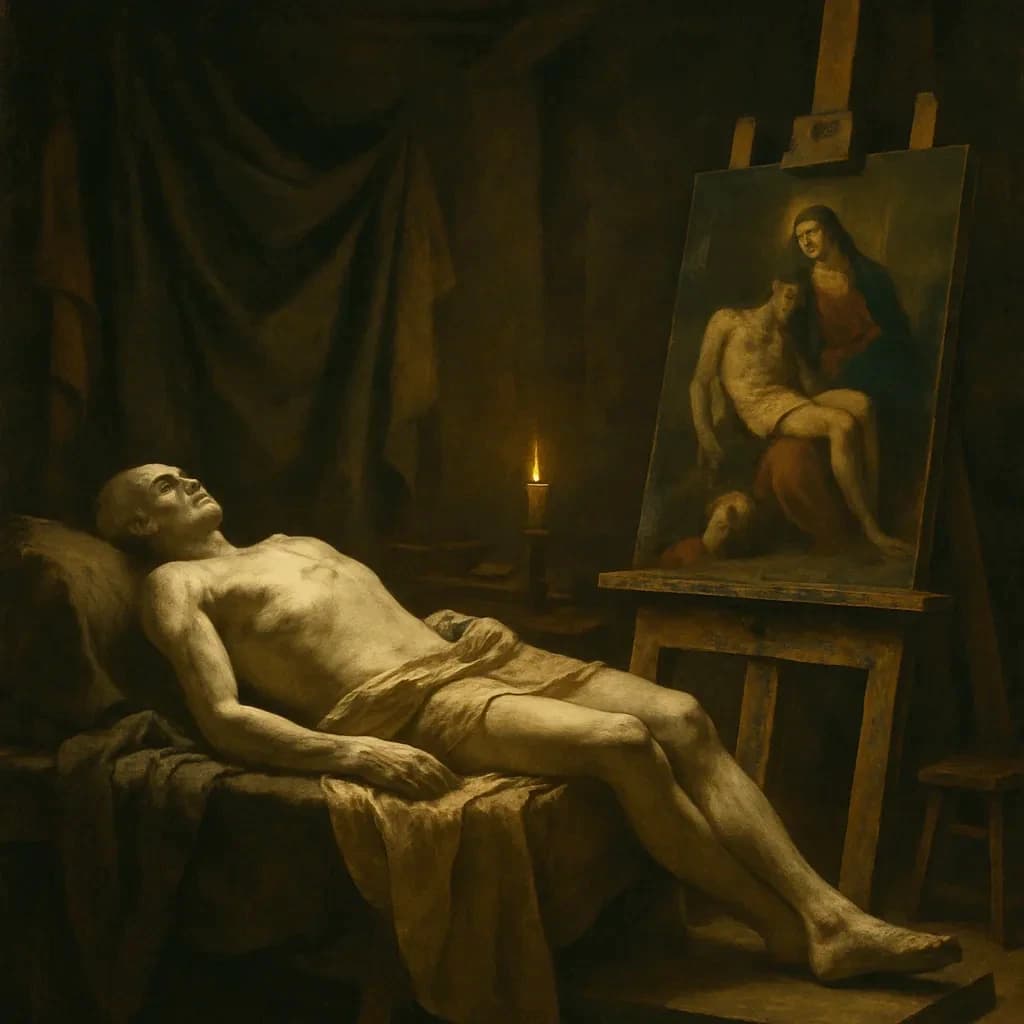
Caravaggio Painted His Saints from Real Corpses
Caravaggio painted his martyred saints from actual corpses out of the Roman morgue, and nobody seemed to mind until they recognized the faces.
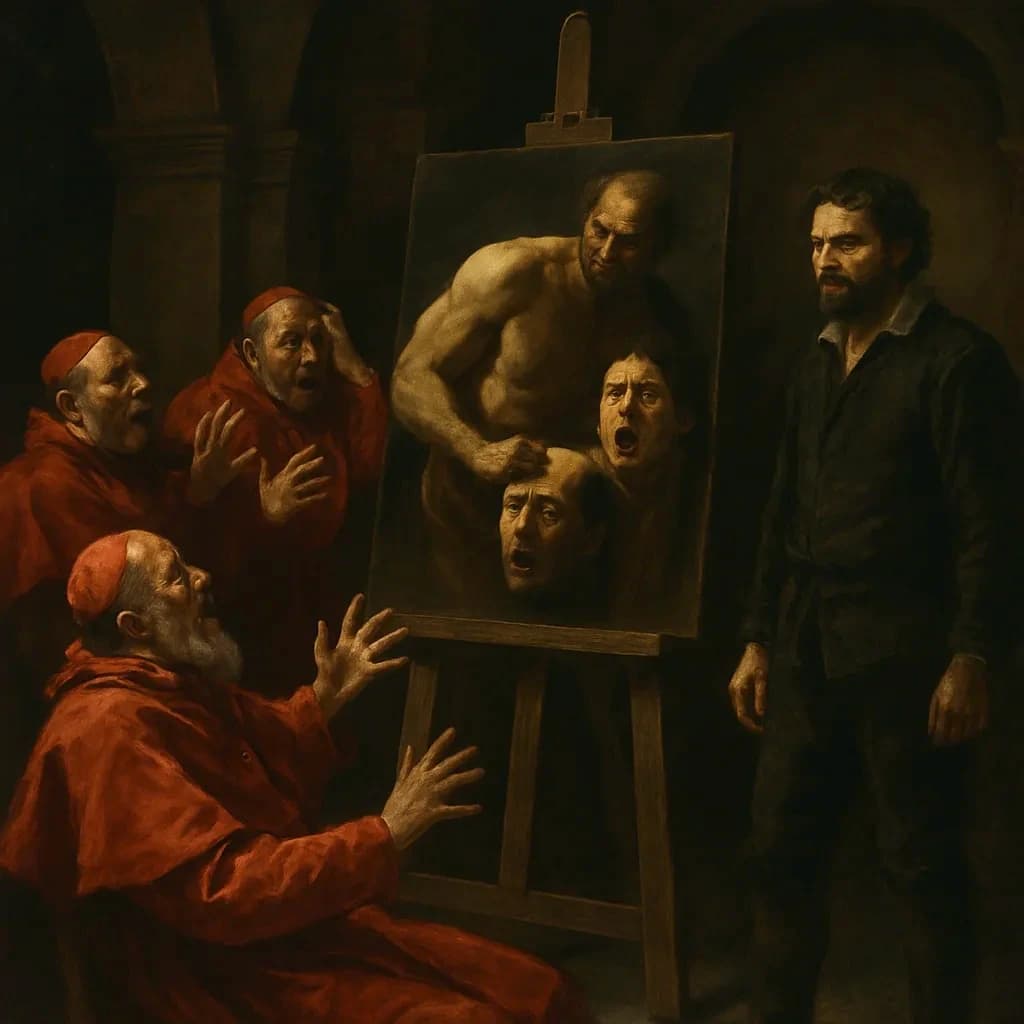
Caravaggio Used a Drowned Corpse to Paint the Virgin Mary
A young artist's masterpiece grew so disturbing that viewers fainted, and the Church banned it for three centuries.
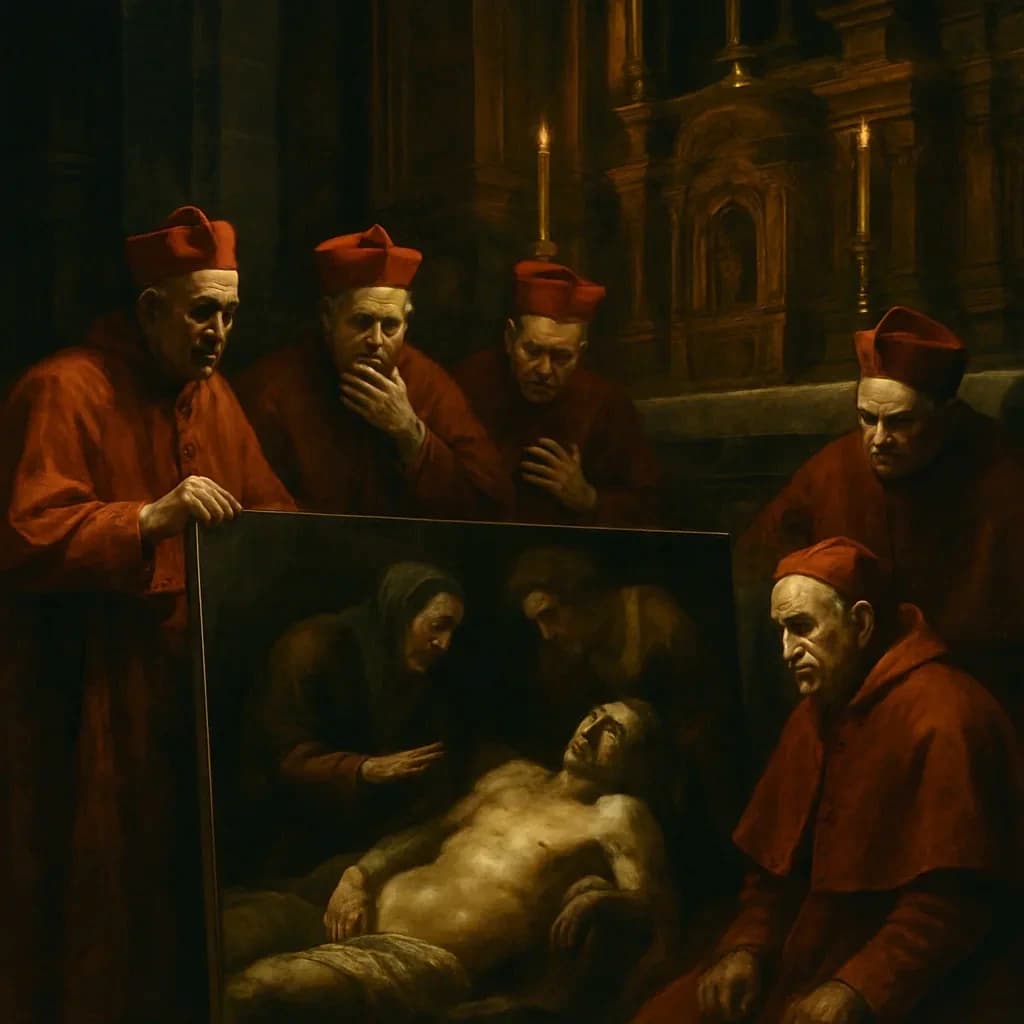
The Painting That Vanished for Three Hundred Years
Caravaggio's lost masterpiece wasn't destroyed by war or theft. It disappeared because no one could bear to look at it.
- Andrew Graham-Dixon, Caravaggio: A Life Sacred and Profane
- Peter Robb, M: The Man Who Became Caravaggio
- Sebastian Schütze, Caravaggio: Complete Works