
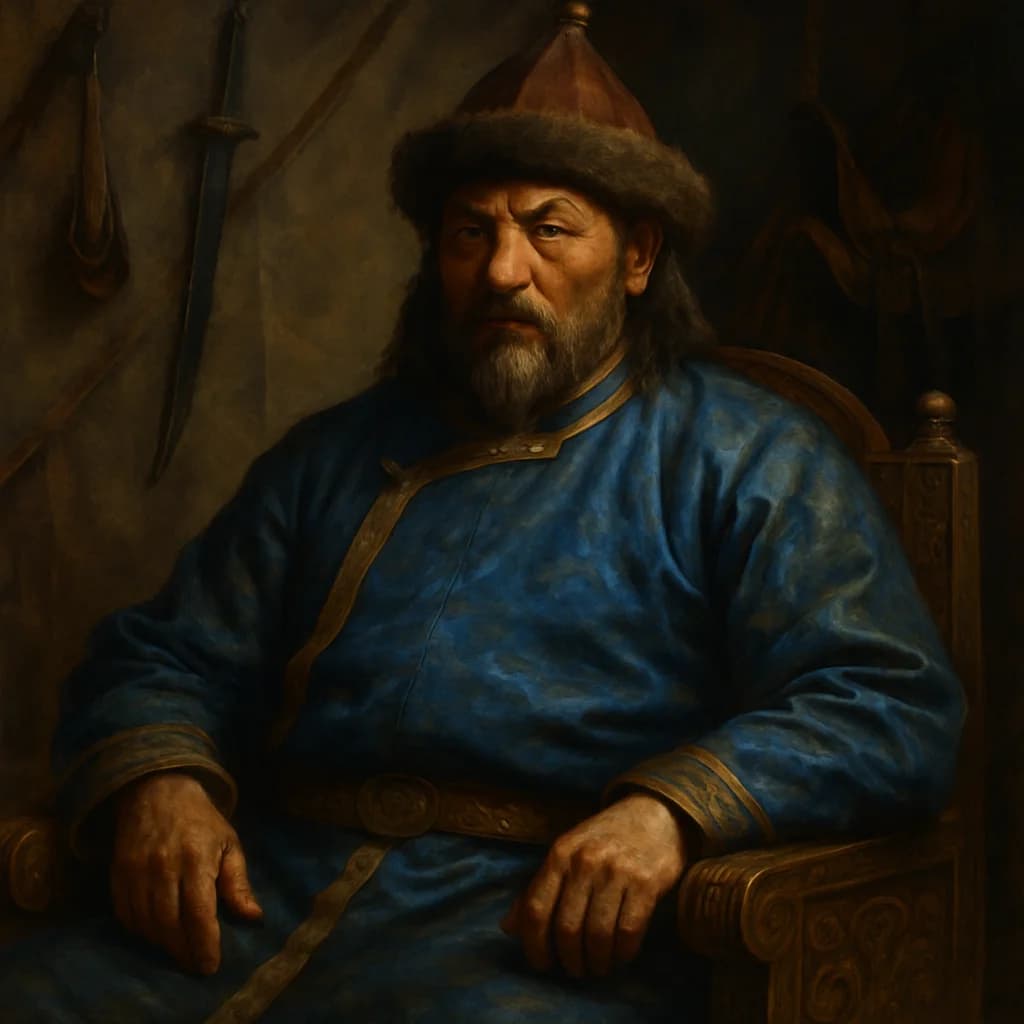
Batu Khan
The grandson of Genghis Khan who conquered half of Europe never actually wanted to be there in the first place.
Batu Khan spent his childhood dreaming of the steppes while being groomed for conquest. Born into the golden lineage around 1205, he was thrust into military command not through ambition but through Mongol inheritance law. His father Jochi's early death made him heir to the western territories his grandfather had never quite finished conquering. While his cousins fought over the empire's heartland, Batu got Europe as a consolation prize.
The irony runs deeper. By 1241, Batu's forces had smashed through Poland and Hungary with terrifying efficiency, leaving European chroniclers scrambling for apocalyptic metaphors. Yet Batu himself was increasingly homesick for the Volga steppes, where he'd established his real base of power. The great conqueror of the West spent most of his energy looking east, plotting his return to Mongol court politics. When news reached him of the Great Khan Ögedei's death in December 1241, Batu's reaction wasn't grief. It was relief.
He withdrew from the gates of Vienna not because Europe had stopped him, but because he finally had an excuse to go home. The man who could have reshaped medieval Europe spent the rest of his life building the Golden Horde along the Volga, creating a hybrid Mongol-Russian state that would outlast the main empire by centuries. Batu's true genius wasn't conquest. It was knowing when to stop conquering.
He died in 1255 in his beloved steppes, probably never realizing he'd saved Western civilization by simply being homesick.
Batu Khan established diplomatic relations with King Louis VII of France through letters, with Louis actually considering an alliance with the Mongols against Muslim forces in the Holy Land.
Why untold: European sources focused on the terror of Mongol invasion rather than the personal motivations of their leaders, while Mongol sources prioritized eastern campaigns over western adventures.
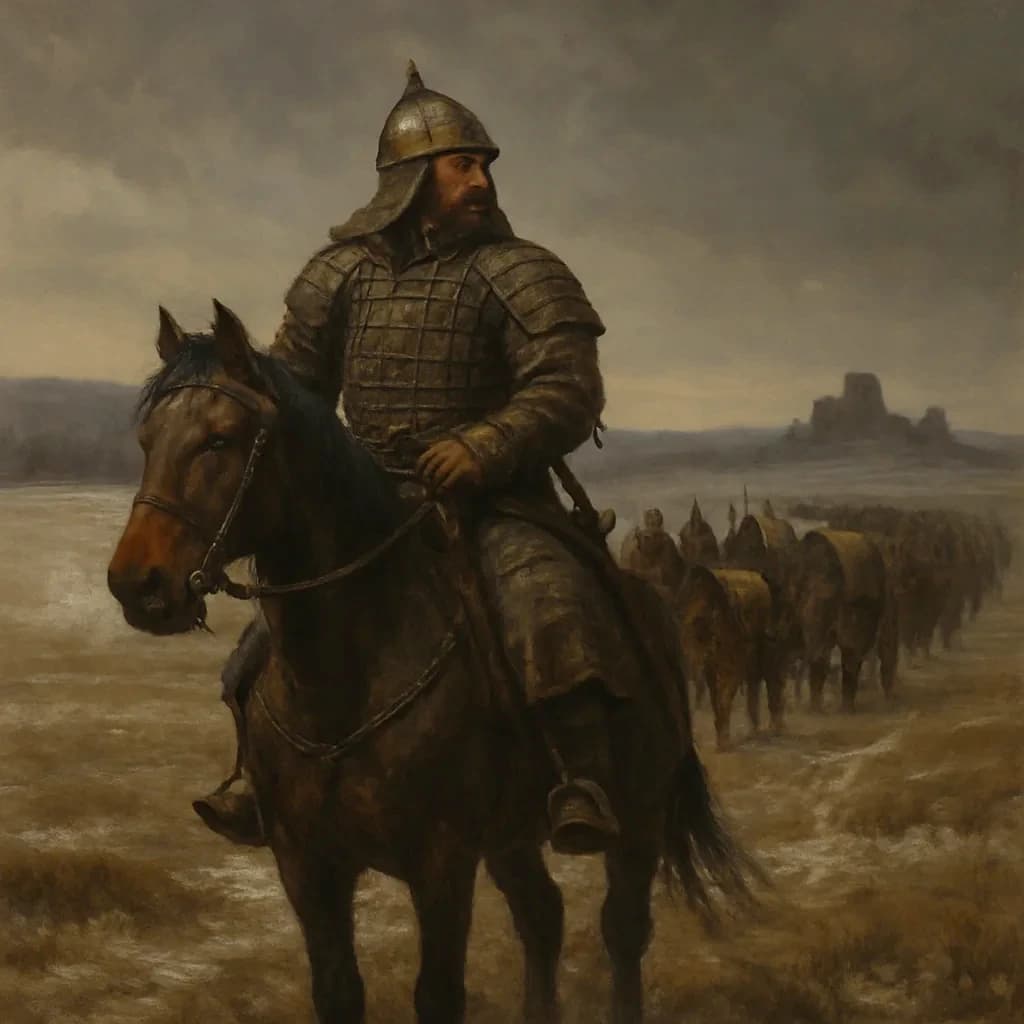
A Funeral Saved Europe from the Mongols
The Mongol Empire's westward expansion was stopped not by an army, but by a funeral.
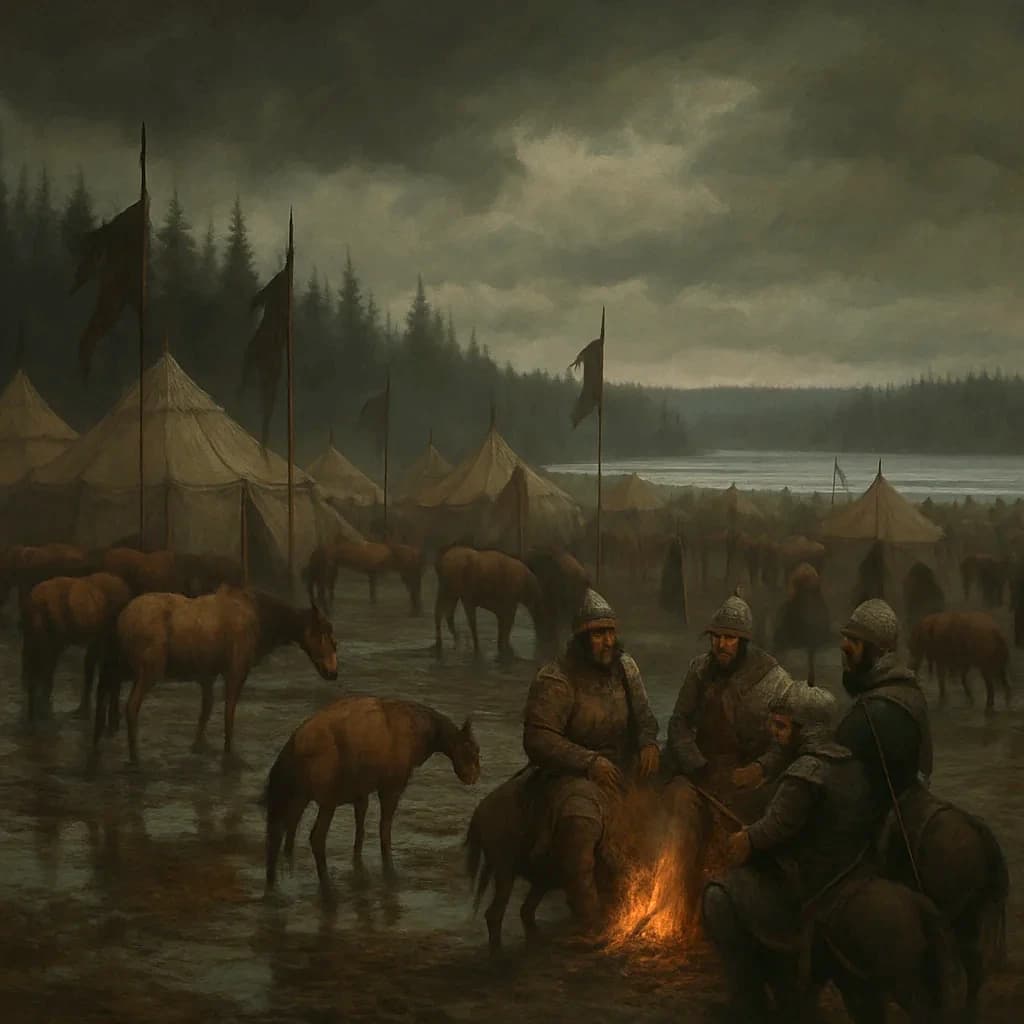
The Mongols Stopped at Novgorod's Gates, and Nobody Knows Why
A Mongol commander stopped at the edge of Europe's richest trading city, and nobody has ever fully agreed on why.
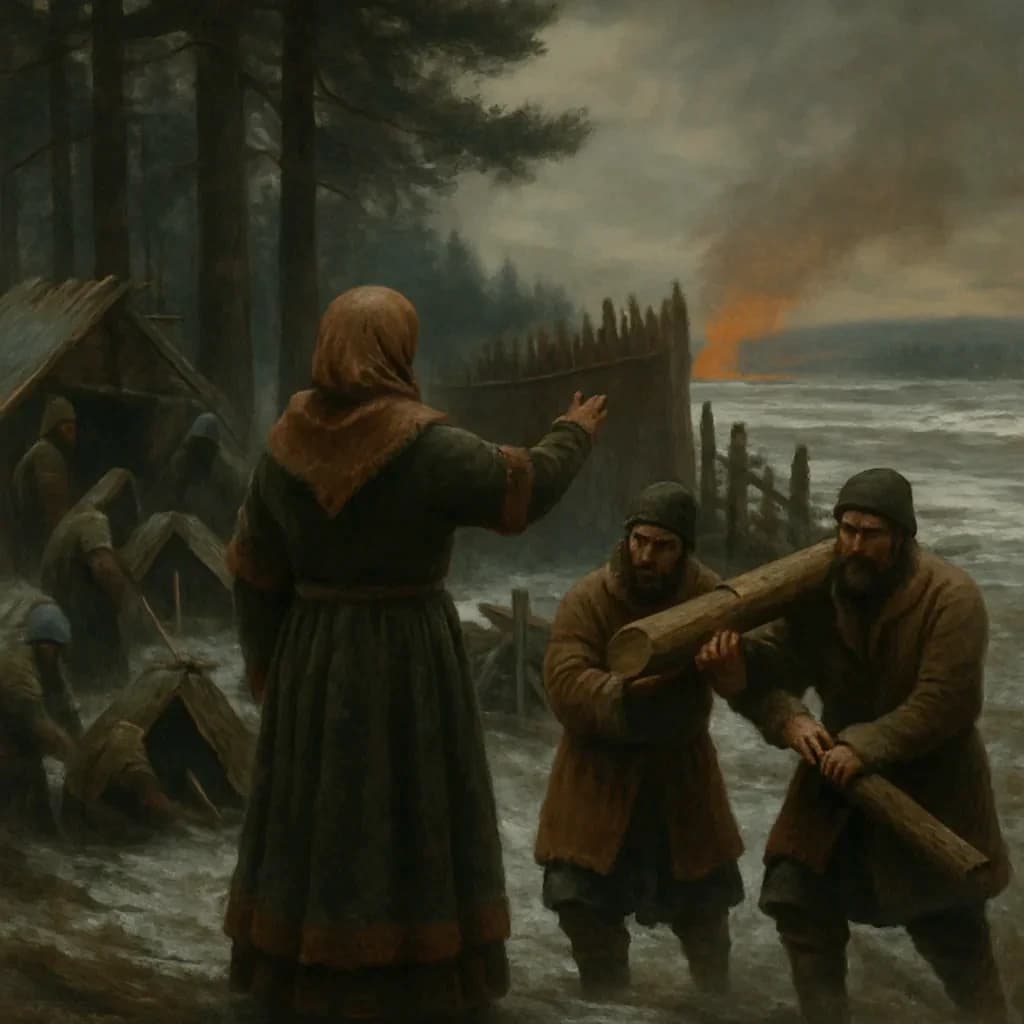
She Outlasted an Empire from a Frozen Lake
The Mongols killed her husband and burned her city; one woman rebuilt it, then held off an empire for twenty years from a frozen lake.
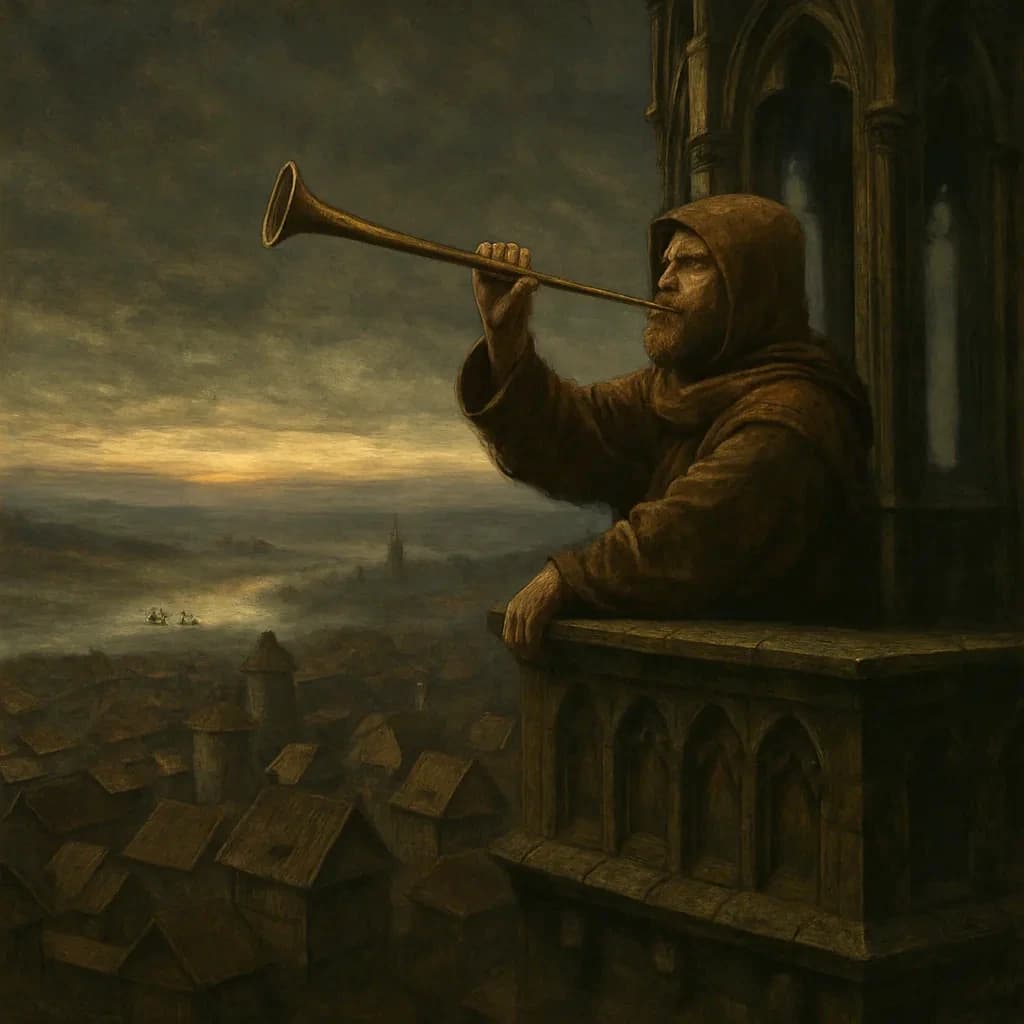
When Kraków's Trumpeter Played His Last Note
Every hour for seven centuries, a trumpeter has played an unfinished tune from a church tower in Kraków, but in 1241, the music stopped mid-phrase for a very different reason.
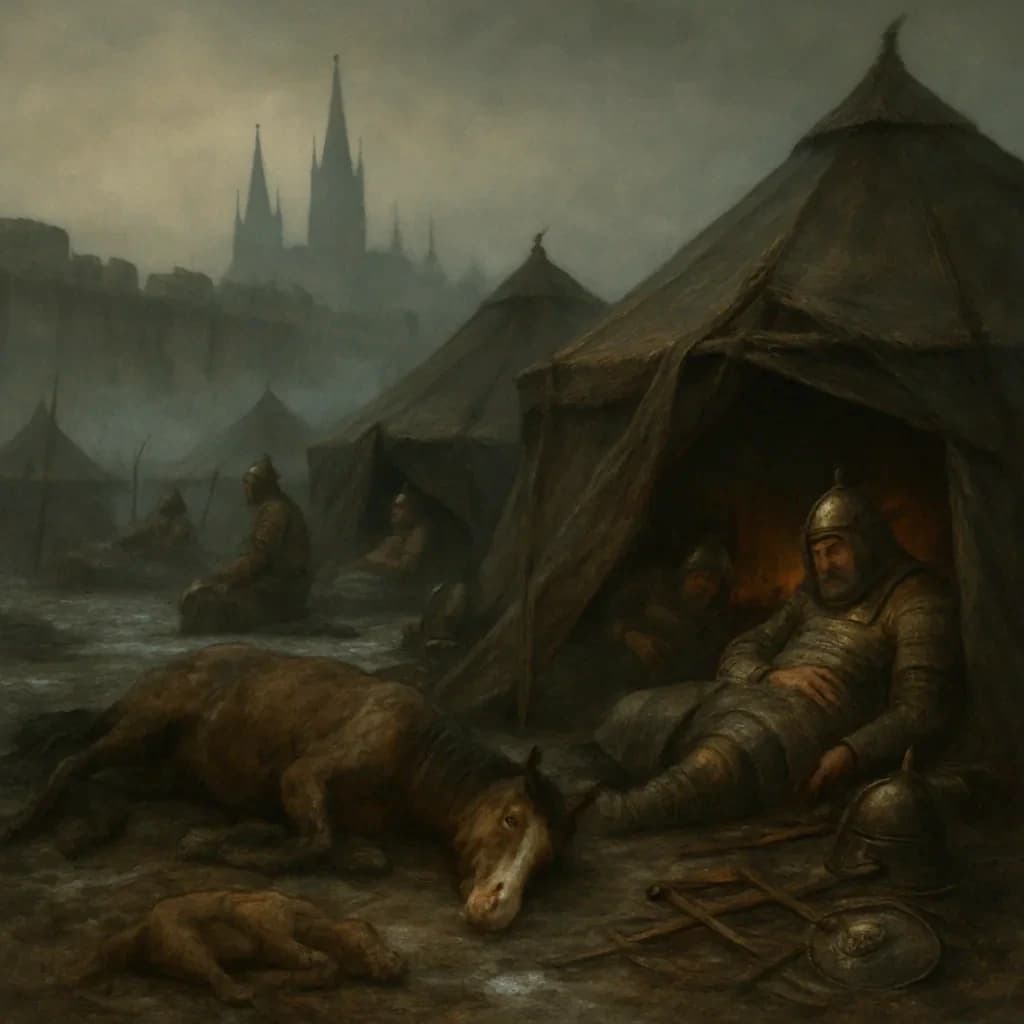
When Rats Conquered an Empire
The Mongol war machine that terrified Europe ground to a halt at the gates of Vienna, not because of knights or cannons, but because of something much smaller.
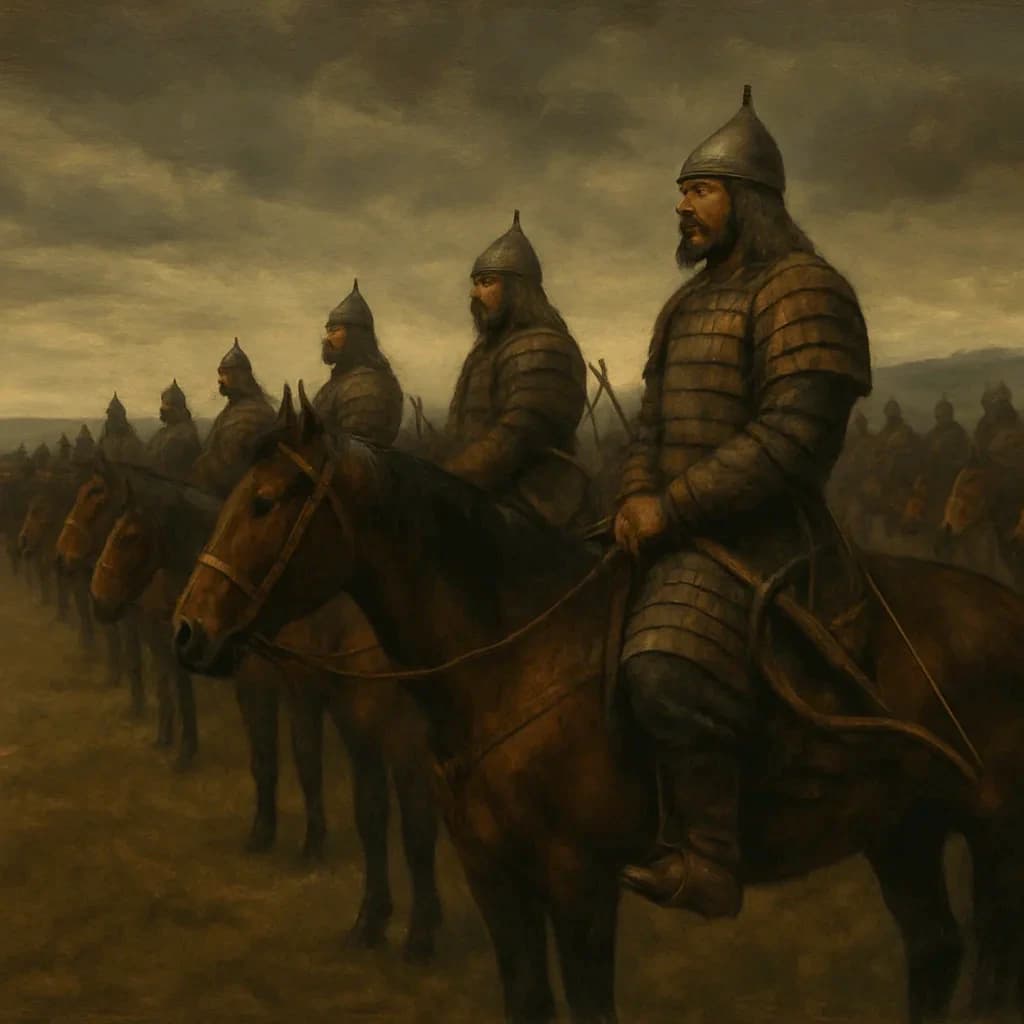
Europe's Greatest Army Vanished Overnight, Leaving Only Riderless Horses
In 1241, Europe's greatest army vanished overnight, leaving behind only riderless horses and a mystery that saved the West.
- Jackson, Peter. The Mongols and the West, 1221-1410. Harlow: Pearson Longman, 2005.
- Morgan, David. The Mongols. Oxford: Blackwell Publishers, 1986.
- Allsen, Thomas T. Culture and Conquest in Mongol Eurasia. Cambridge: Cambridge University Press, 2001.