
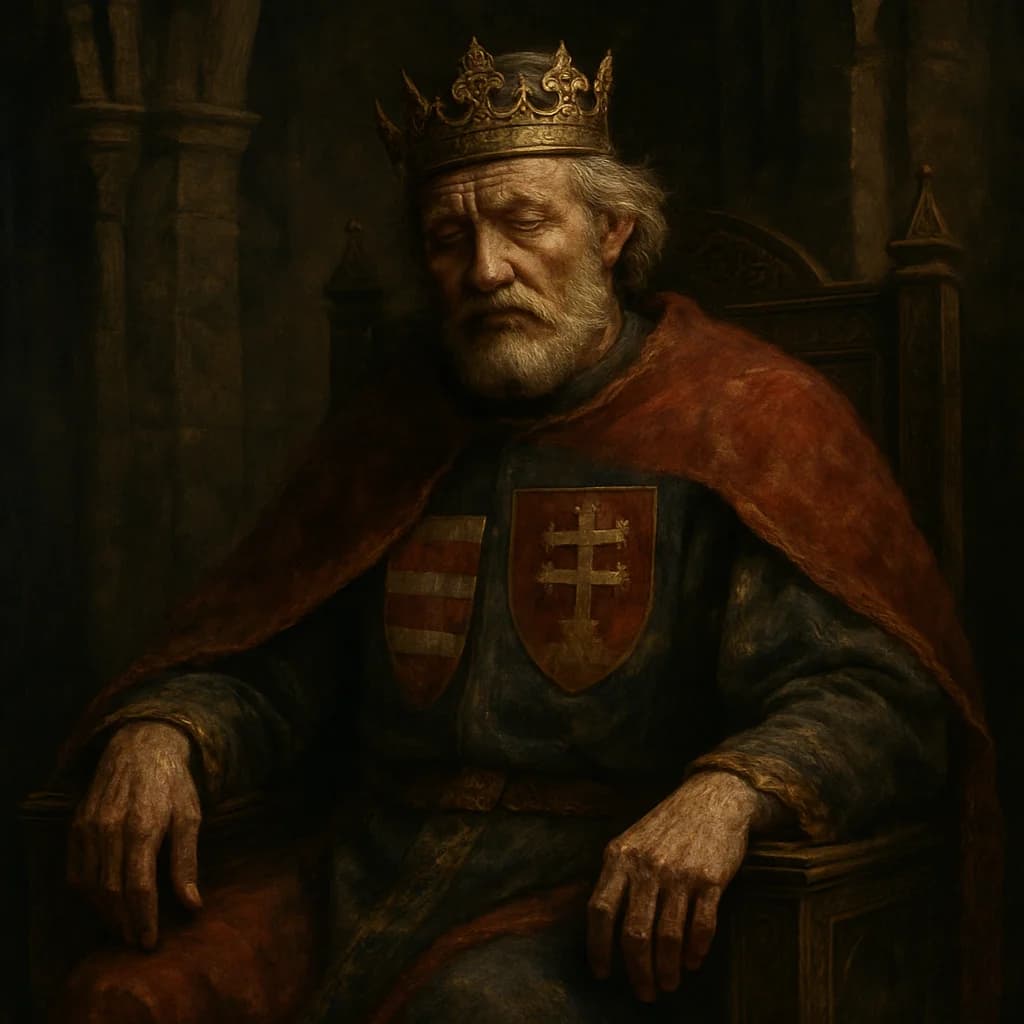
Béla IV
The king who saved Europe by losing everything first.
When Béla IV inherited the Hungarian throne in 1235, he seemed destined to be just another medieval monarch squabbling over church taxes and noble privileges. Instead, he became the architect of Europe's survival against the greatest military force the world had ever seen, but only after watching his kingdom burn to ash.
The Mongols arrived in 1241 like a force of nature. Béla's army, among Europe's finest, met them at Mohi and was obliterated in a single morning. The king fled west as his cities fell one by one, carrying nothing but the crown and a growing understanding that everything he'd known about warfare was obsolete. While Paris trembled and the Pope called for crusades, Béla made a decision that would reshape a continent: he would rebuild Hungary not as it was, but as it needed to be.
What followed was medieval Europe's most radical social experiment. Béla invited anyone (Cumans, Germans, Slavs, even Mongol deserters) to settle his depopulated lands. He granted unprecedented freedoms to towns, abolished serfdom for entire regions, and built a network of stone fortresses using revolutionary new designs. When nobles protested these dangerous innovations, Béla reportedly told them they could adapt or join the ashes of Mohi.
The Mongols returned in 1285, expecting to finish what they'd started. Instead, they found a Hungary transformed: mobile populations that vanished before their armies, fortified cities that couldn't be taken by storm, and a king who'd learned that survival meant becoming something entirely new. The invasion failed. Europe endured. And Béla IV, who'd lost a kingdom to save a civilization, spent his final years watching his radical experiment become the foundation of Eastern European resistance for centuries to come.
Béla IV personally interrogated captured Mongol officers to learn their siege techniques, then used this intelligence to design a new generation of Hungarian fortresses that proved nearly impossible for steppe armies to capture.
Why untold: His revolutionary social reforms get overshadowed by the more dramatic military narratives of the Mongol invasions.
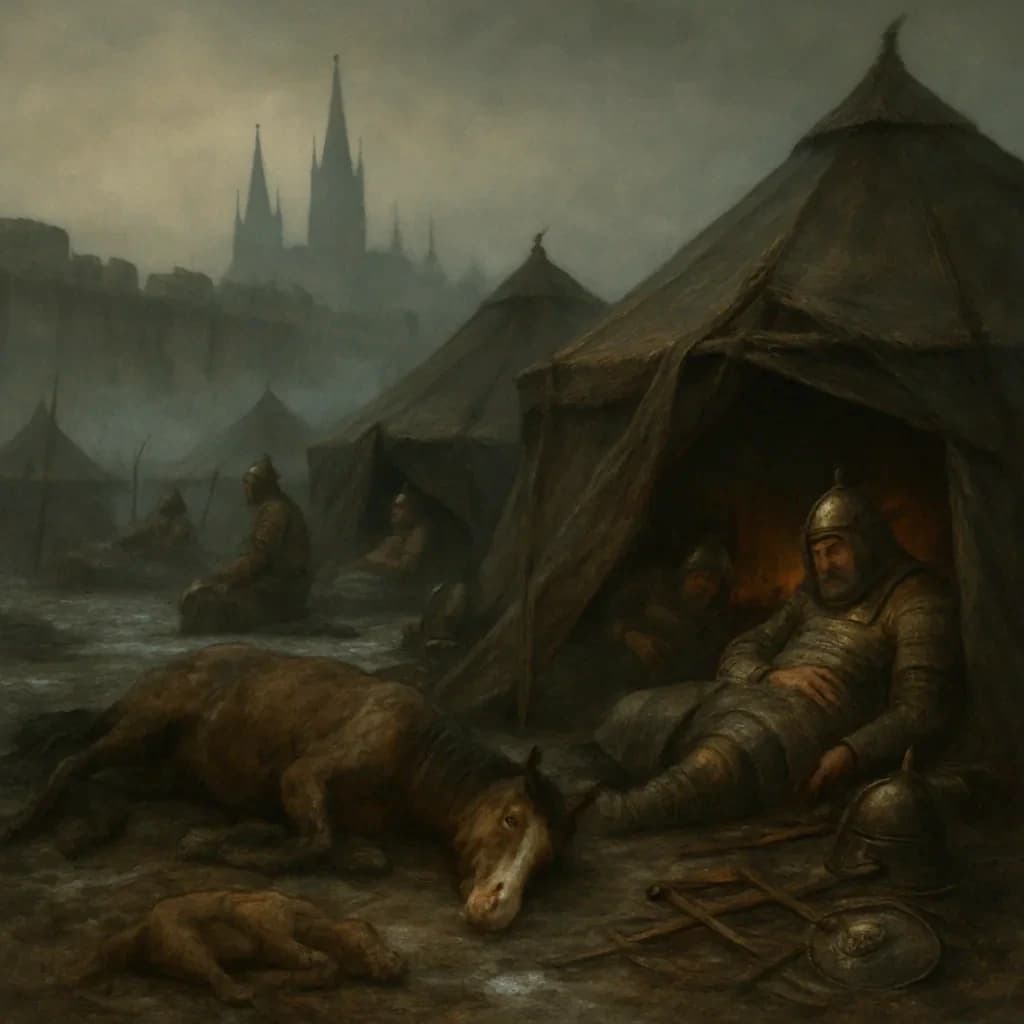
When Rats Conquered an Empire
The Mongol war machine that terrified Europe ground to a halt at the gates of Vienna, not because of knights or cannons, but because of something much smaller.
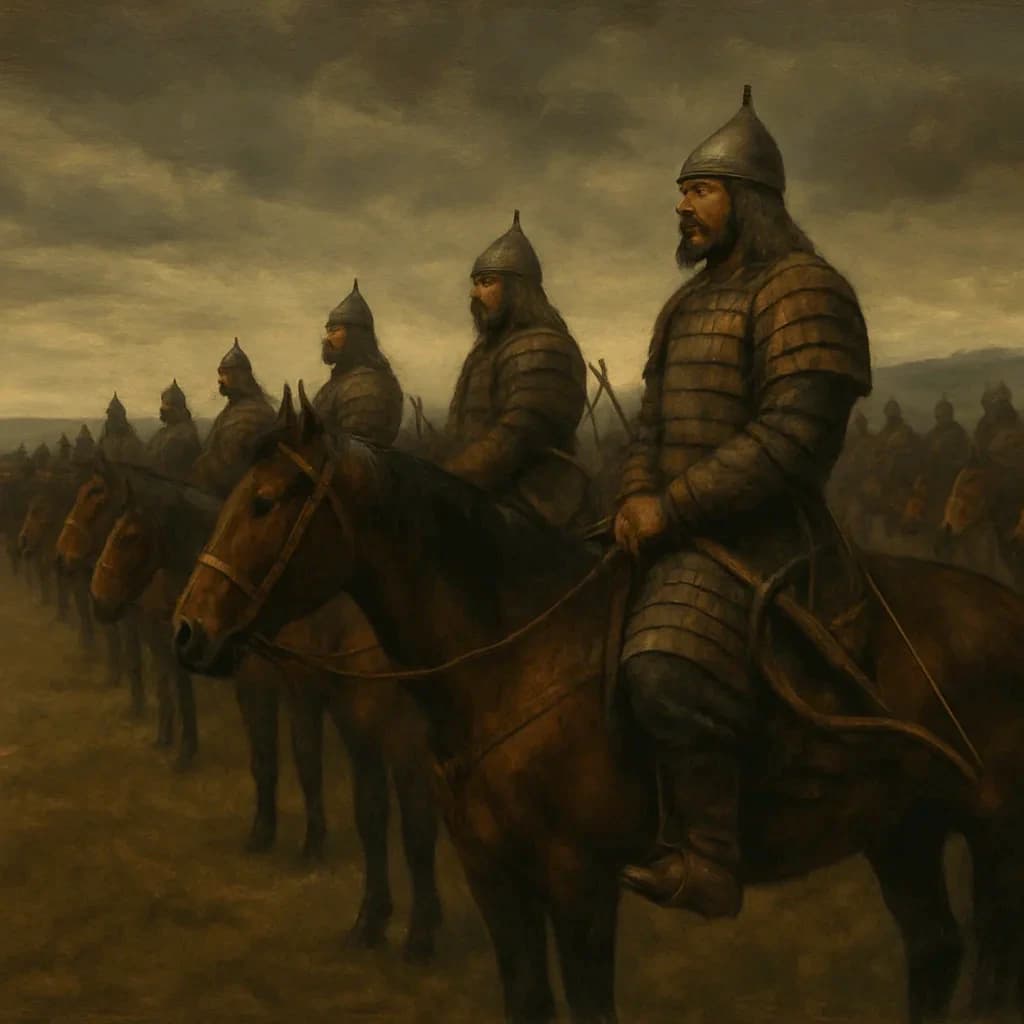
Europe's Greatest Army Vanished Overnight, Leaving Only Riderless Horses
In 1241, Europe's greatest army vanished overnight, leaving behind only riderless horses and a mystery that saved the West.
- Jackson, Peter. The Mongols and the West, 1221-1410. London: Pearson Longman, 2005.
- Engel, Pál. The Realm of St Stephen: A History of Medieval Hungary. London: I.B. Tauris, 2001.
- Morgan, David. The Mongols. Oxford: Basil Blackwell, 1986.