
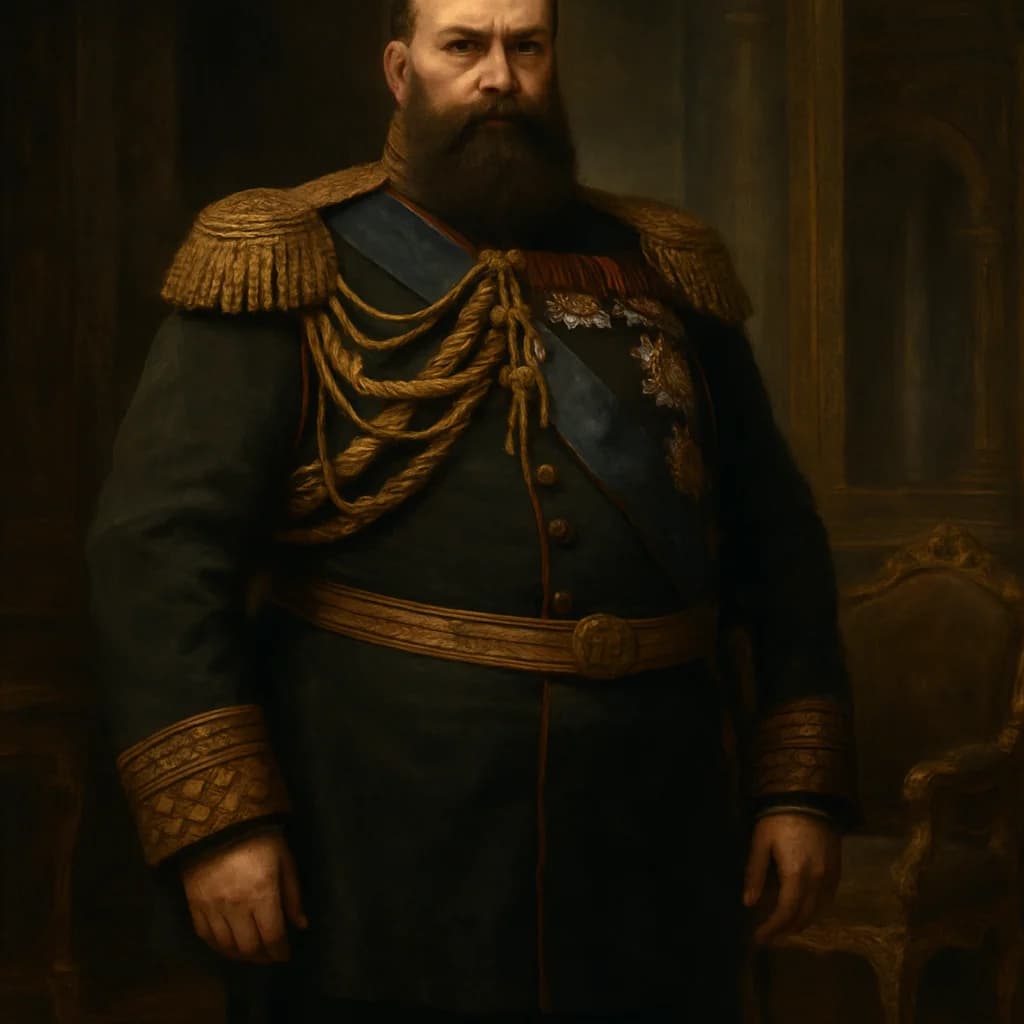
Alexander III
The man who refused to modernize Russia accidentally created the conditions that destroyed it forever.
Alexander III came to power in 1881 through an assassin's bomb, and spent thirteen years desperately trying to turn back the clock. While his father Alexander II had freed the serfs and reformed the courts, Alexander III believed modernization was poison. He systematically dismantled liberal reforms, expanded the secret police, and imposed a brutal policy of Russification that forced minorities to abandon their languages and cultures. His ministers called it "freezing" Russia in place.
But Alexander's real obsession wasn't politics. It was size. Standing six-foot-four and weighing nearly 250 pounds, he could bend iron pokers with his bare hands and once held up a collapsing train car roof to save his family. He insisted on demonstrating his strength at state dinners, crushing silver rubles between his fingers while foreign diplomats watched in horror. His nickname among European royalty wasn't "the Peacekeeper" but "the Bull."
The irony was devastating. By crushing every reform movement and refusing to allow peaceful change, Alexander created the very revolutionary pressure that would explode under his son Nicholas II. He died in 1894 at just 49, his kidneys destroyed by the stress of constant repression. When Lenin seized power in 1917, he specifically cited Alexander III's reign as proof that the Romanov dynasty was irredeemable.
Alexander believed he was saving autocracy. Instead, he made revolution inevitable. The man who could bend metal with his hands couldn't bend history to his will.
Alexander III once crushed a silver plate with his bare hands during dinner with the Austrian ambassador, reportedly saying "This is what I will do to Austria if you mobilize against Russia."
Why untold: His physical intimidation tactics and the direct causal link between his repressive policies and the 1917 Revolution are overshadowed by focus on his father's reforms and his son's downfall.
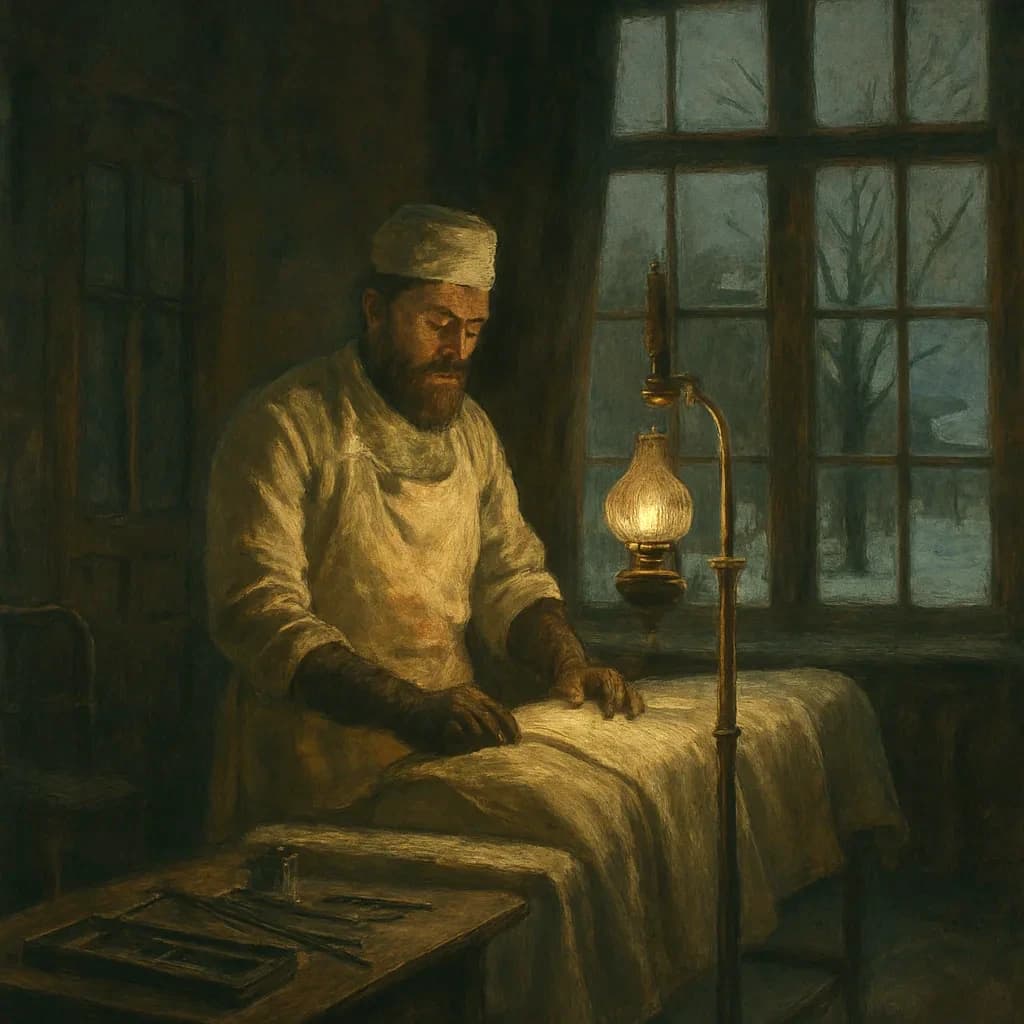
A Surgeon's Fifteen-Minute Operation Changed Russian History
A surgeon's fifteen-minute operation changed the course of Russian history, but not in the way anyone expected.
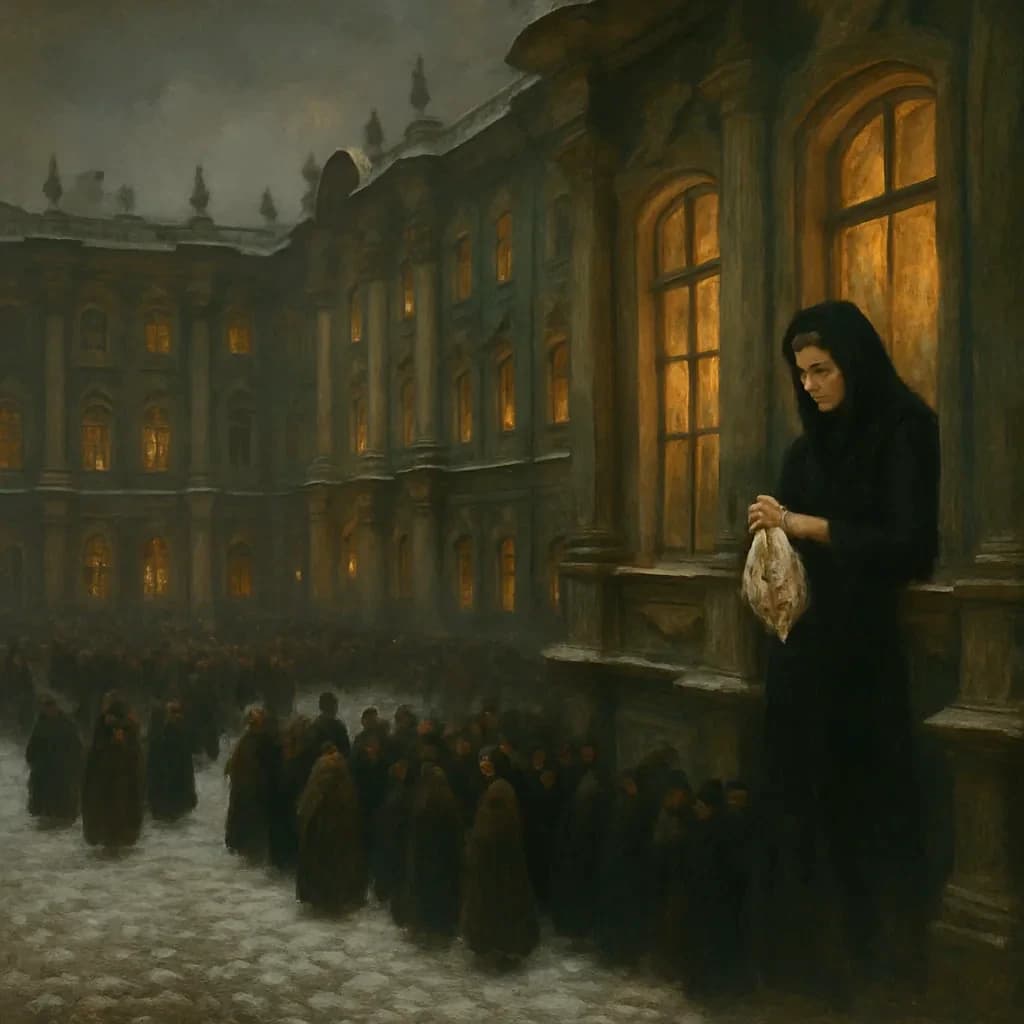
She Faked a Living Tsar for Three Weeks
One woman's quick thinking with a piece of lace prevented a revolution that would have changed European history forever.
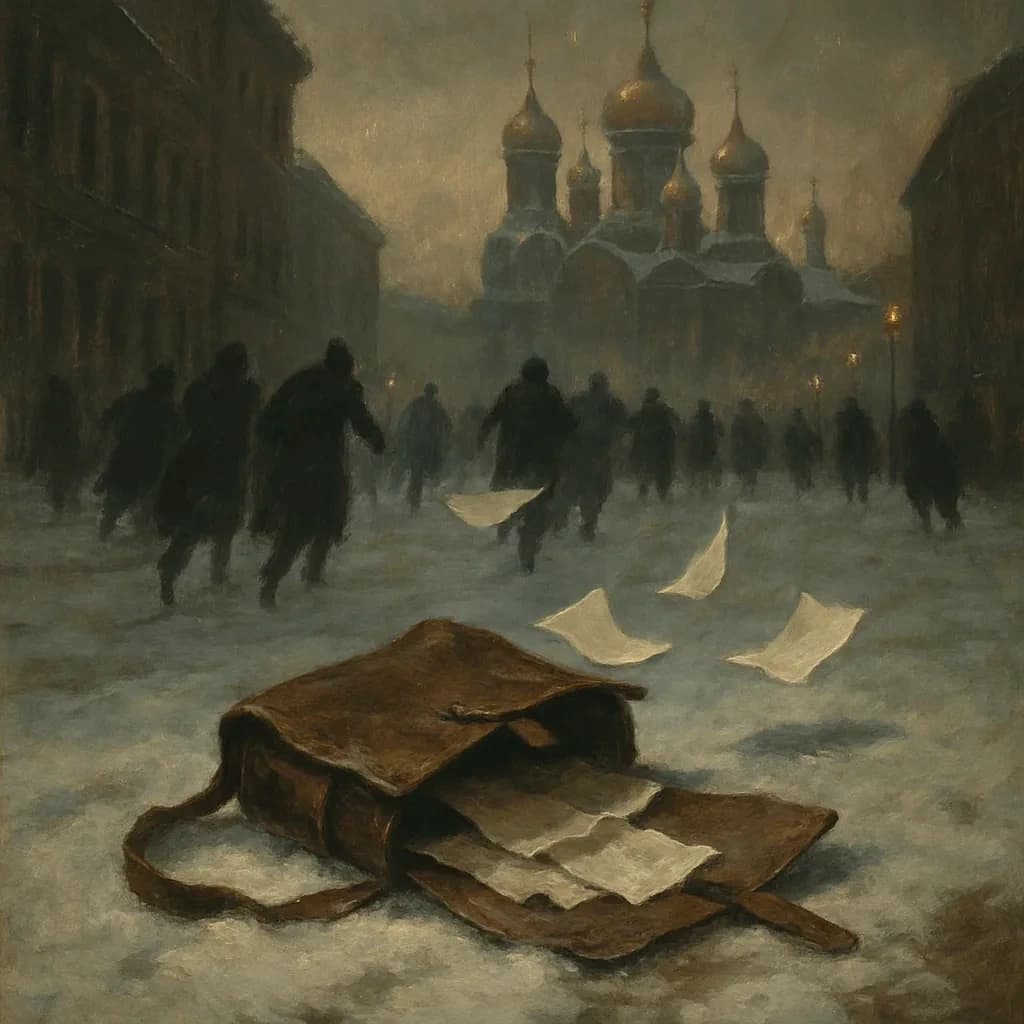
An Empty Envelope Saved the Russian Empire
A royal messenger carried nothing but air, and accidentally saved the Russian Empire.
- Richard Wortman, Scenarios of Power: Myth and Ceremony in Russian Monarchy
- Dominic Lieven, Russia Against Napoleon
- Robert Service, The Last of the Tsars