
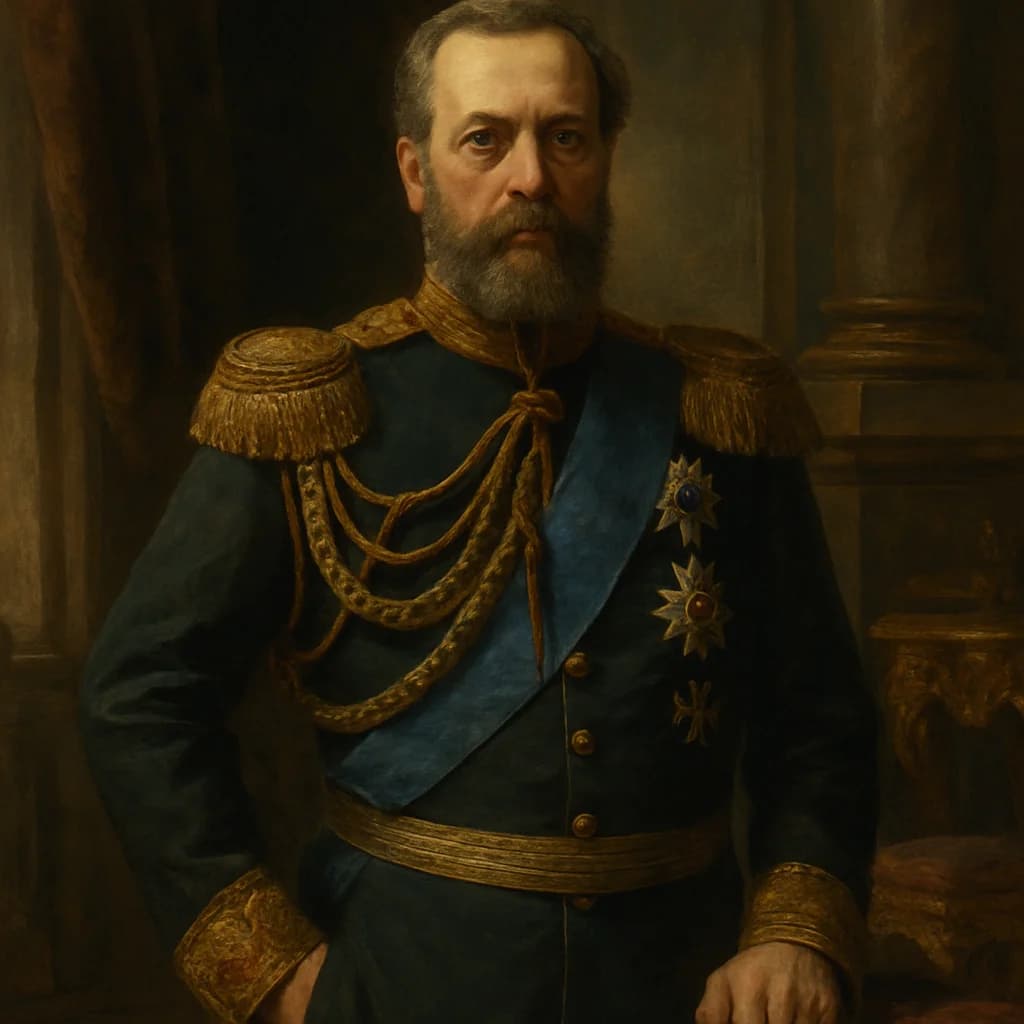
Alexander II
The Tsar who freed 23 million slaves was murdered by the very revolutionaries who should have been his greatest supporters.
Alexander II inherited an empire built on human bondage and did something no one expected: he destroyed it. In 1861, he signed the Emancipation Manifesto that freed Russia's serfs, not out of moral awakening, but because he understood that Russia's humiliating defeat in the Crimean War had exposed the fatal weakness of slave labor. "It is better to abolish serfdom from above than to wait for it to be abolished from below," he declared, showing a pragmatic ruthlessness that would define his reign.
Yet liberation created chaos. Freed serfs received land but couldn't afford it. Nobles lost fortunes overnight. The empire's economy convulsed. Alexander responded with more radical reforms: he created local assemblies, reformed the courts, modernized the military, and relaxed censorship. He was transforming autocratic Russia into something resembling a constitutional monarchy, faster and more thoroughly than any European ruler of his era.
This should have satisfied the revolutionaries. Instead, it enraged them. To groups like the People's Will, Alexander's reforms were worse than oppression. They were co-option. Gradual change would prevent the violent revolution they craved. So they hunted him with unprecedented sophistication, using dynamite, surveillance networks, and coordinated cells. They failed six times before succeeding on March 13, 1881.
The bitter irony cuts deep: Alexander was killed while carrying draft plans for a constitutional monarchy. His son Alexander III, traumatized by the assassination, abandoned all liberal reforms and returned Russia to rigid autocracy. The revolutionaries had murdered the one man capable of peacefully modernizing their nation, ensuring that when change finally came, it would arrive through the apocalyptic violence of 1917.
Alexander II survived multiple assassination attempts including a bomb that destroyed the dining room of the Winter Palace just minutes after he left the room, killing eleven people.
Why untold: His radical reforms are overshadowed by his violent death and the more famous revolutions that followed decades later.
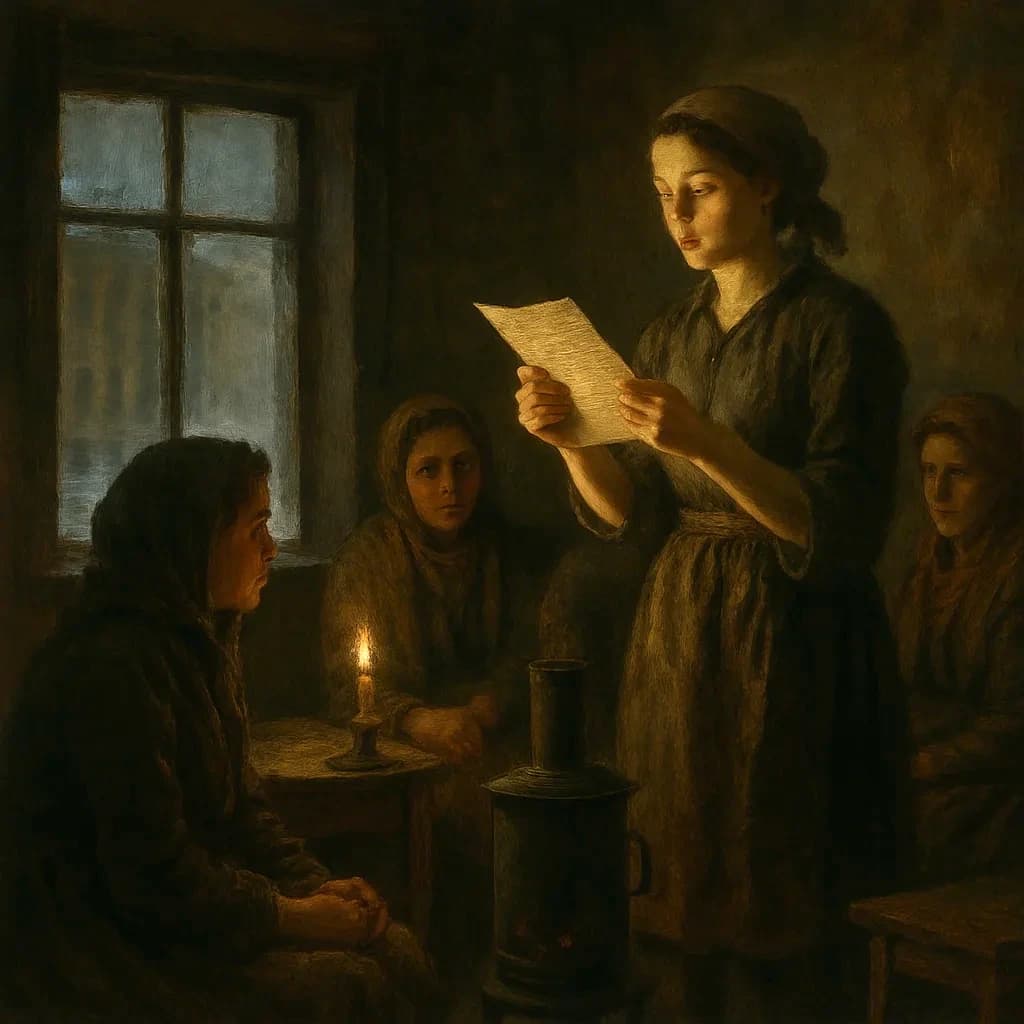
The Woman Cut From Russia's Emancipation Story
A teenage girl in rural Russia read a pamphlet that wasn't meant for her, and set off a chain reaction that ended centuries of human bondage.
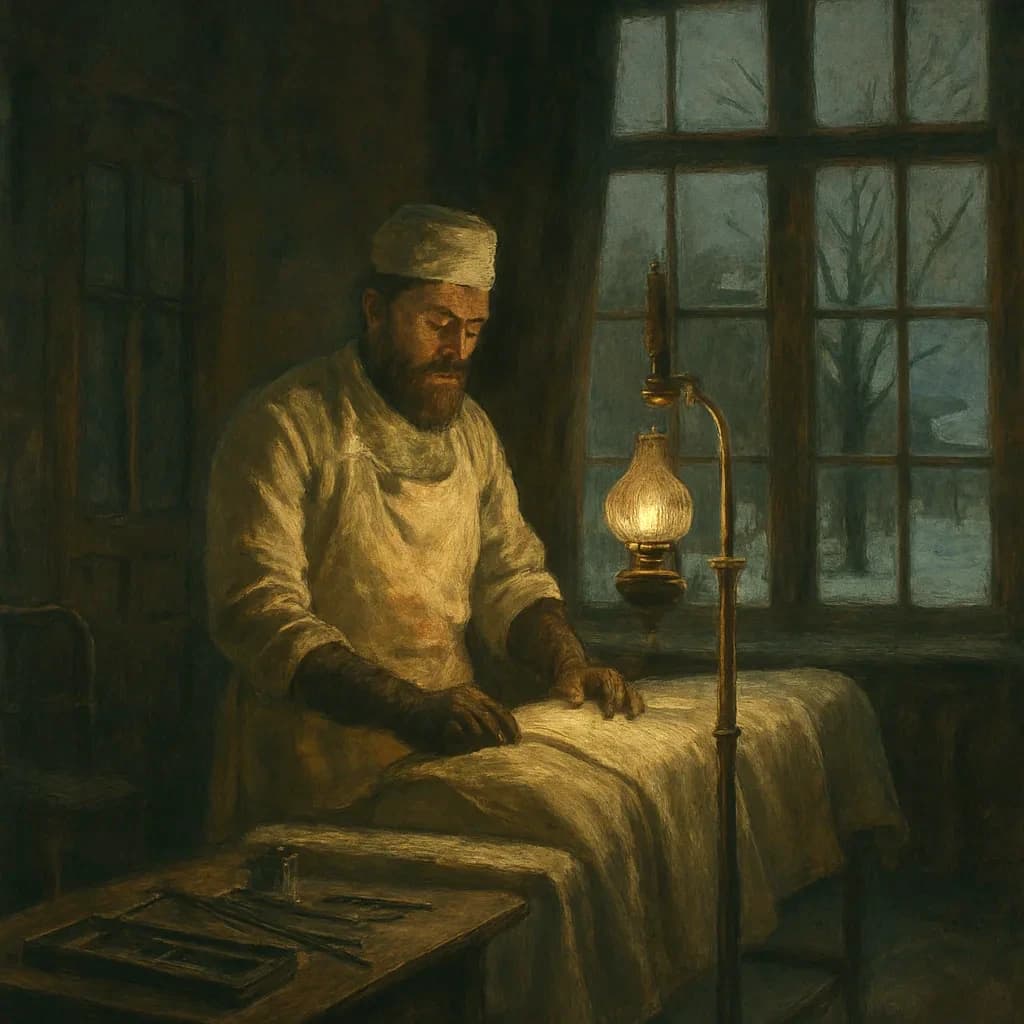
A Surgeon's Fifteen-Minute Operation Changed Russian History
A surgeon's fifteen-minute operation changed the course of Russian history, but not in the way anyone expected.
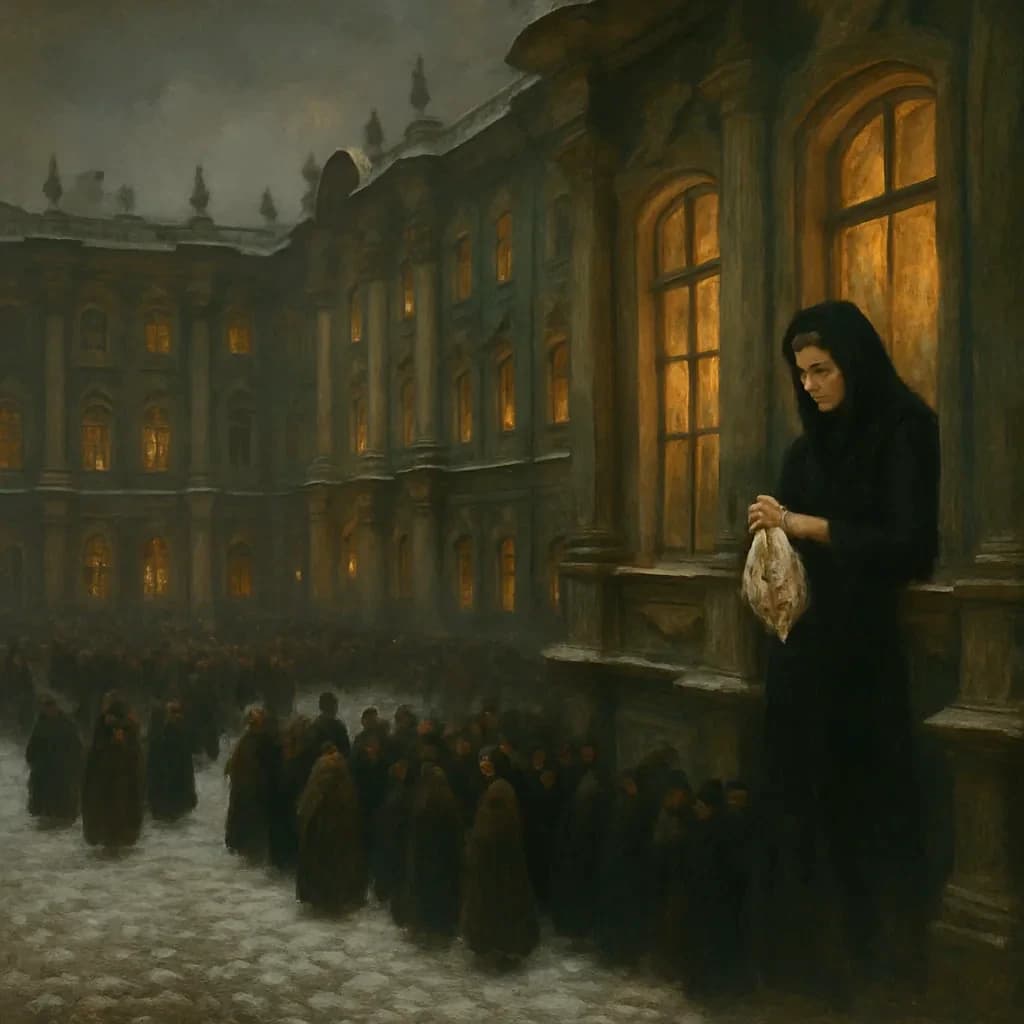
She Faked a Living Tsar for Three Weeks
One woman's quick thinking with a piece of lace prevented a revolution that would have changed European history forever.
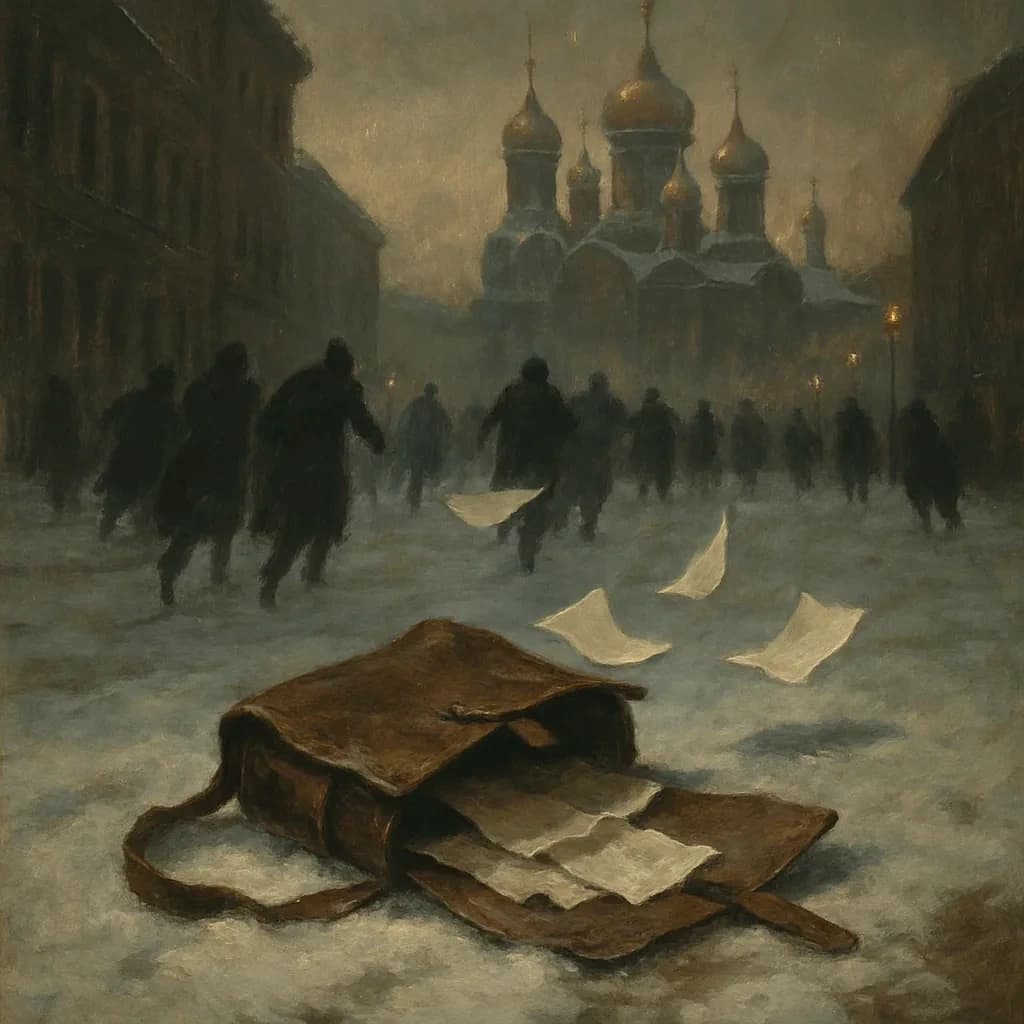
An Empty Envelope Saved the Russian Empire
A royal messenger carried nothing but air, and accidentally saved the Russian Empire.
- Bruce Lincoln, The Great Reforms: Autocracy, Bureaucracy, and the Politics of Change in Imperial Russia
- Edvard Radzinsky, Alexander II: The Last Great Tsar
- Ben Eklof, John Bushnell, Larissa Zakharova (eds.), Russia's Great Reforms, 1855-1881