
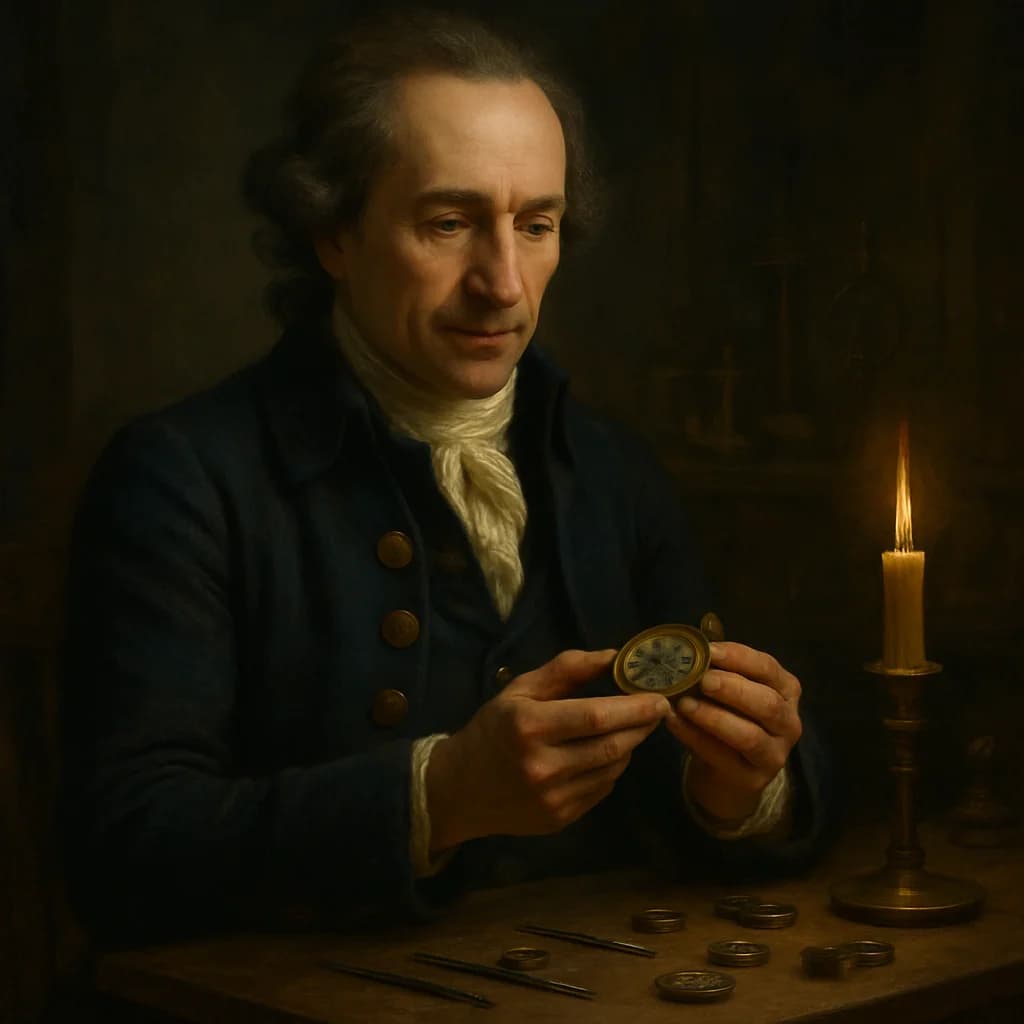
Abraham-Louis Breguet
The man who invented modern time measurement was so paranoid about theft that he numbered every screw in his workshop and hid his most precious creations in secret compartments.
Abraham-Louis Breguet didn't just make watches. He made time itself more precise, more beautiful, and infinitely more expensive. Born in Neuchâtel in 1747, he arrived in Paris as a young apprentice and quickly realized that the aristocracy's relationship with time was deeply personal. They wanted timepieces that were extensions of their identity, not mere instruments.
Breguet's genius lay not in grand gestures but in obsessive attention to microscopic details. He invented the automatic winding mechanism, the gong spring for minute repeaters, and the tourbillon, a hypnotic rotating escapement that compensated for the effects of gravity. But his masterpiece was his numbering system: every component, down to the smallest screw, bore a unique identifier. This wasn't just quality control; it was paranoia made manifest. Counterfeiters were already copying his work, and Breguet knew that reputation, once lost, could never be recovered.
When the French Revolution erupted, Breguet faced an impossible choice. His clientele (Marie Antoinette, Louis XVI, Napoleon) were either fleeing or facing the guillotine. Yet somehow, he navigated the chaos by becoming indispensable to both sides. He made watches for revolutionary leaders and royalist exiles alike, understanding that powerful people, regardless of their politics, would always need to know exactly what time it was.
Breguet died in 1823, having transformed an ancient craft into modern precision engineering. His workshop became a pilgrimage site for collectors, and his numbered system became the gold standard for luxury manufacturing. But perhaps his greatest achievement was proving that in a world of mass production, true craftsmanship could command any price, as long as you could guarantee its authenticity down to the last screw.
Breguet's watch No. 160, commissioned by Marie Antoinette in 1783, took over 40 years to complete and wasn't finished until 1827, four years after both Breguet and the Queen were dead.
Why untold: His reputation as a mere luxury watchmaker obscures his role as the inventor of fundamental timing mechanisms still used in precision instruments today.
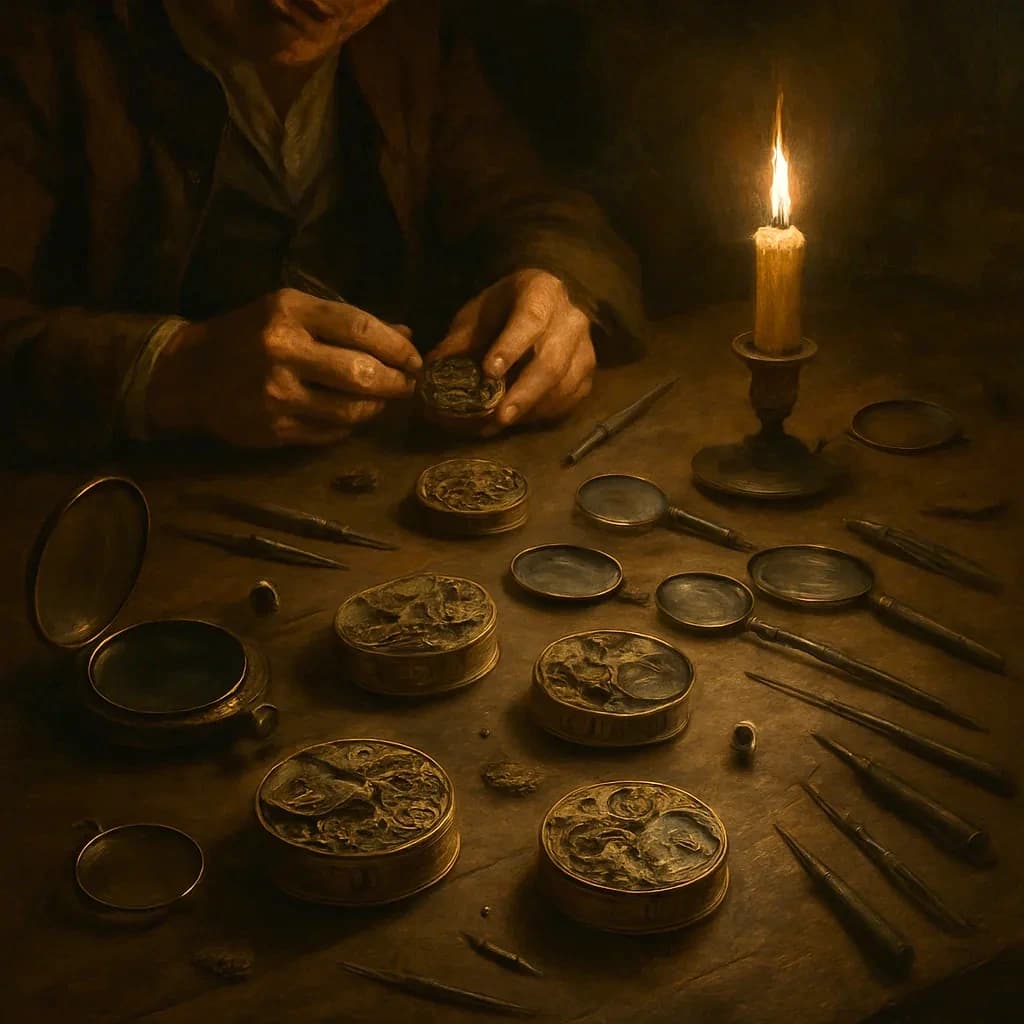
Marie Antoinette Ordered a Watch She'd Never See
Marie Antoinette ordered a watch so complex it wouldn't be finished until 34 years after her death, an order she placed in 1784.
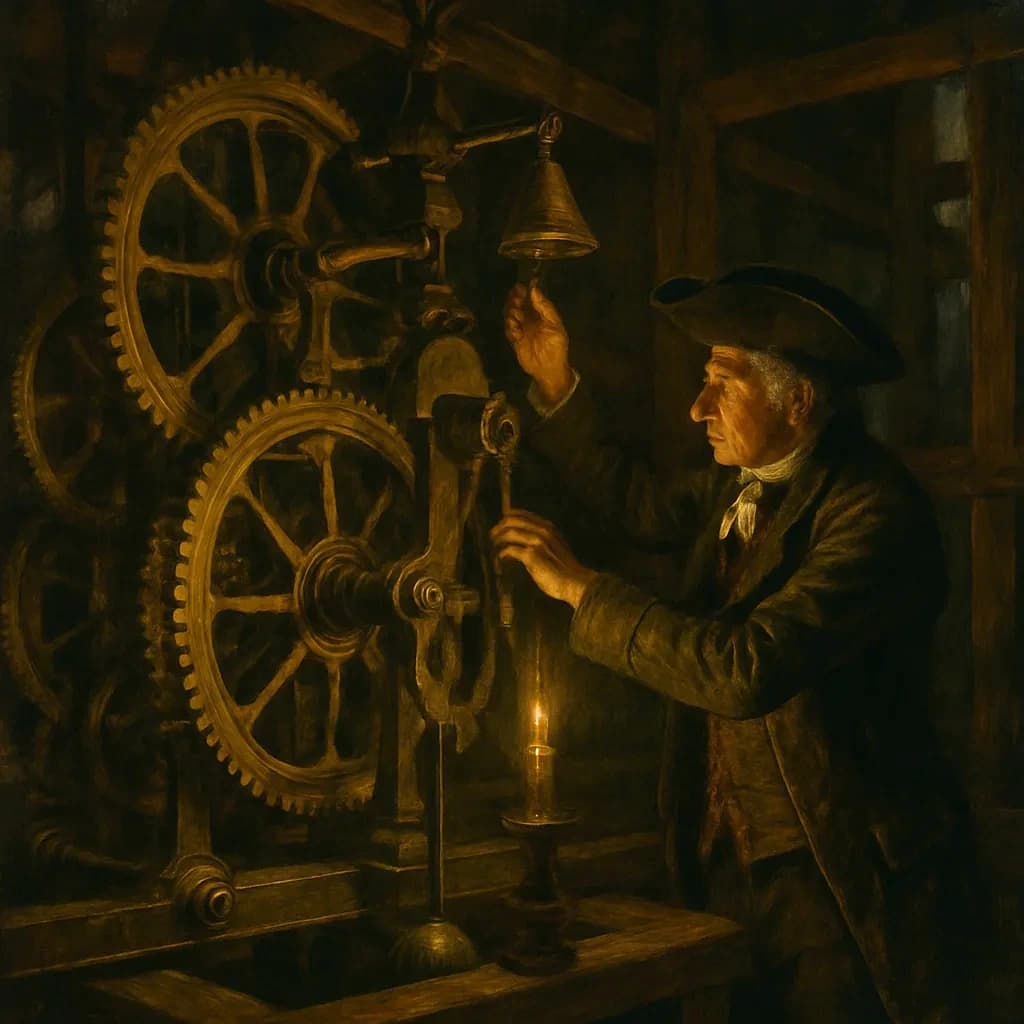
When Moscow's Clockmaker Stopped Napoleon
A Swiss clockmaker's tiny adjustment to Moscow's church bells created a cascade of confusion that may have sealed the French Emperor's fate.
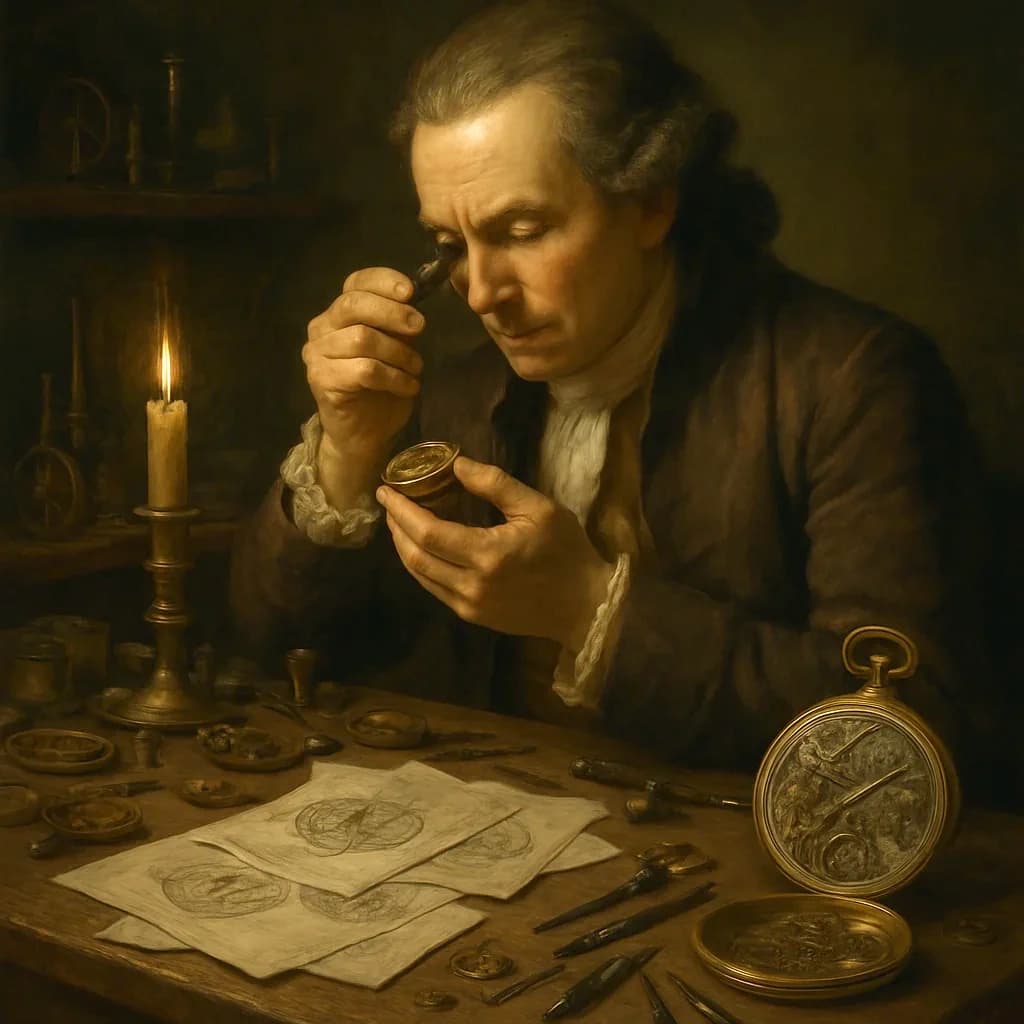
The Watch That Took 43 Years to Build
A Swiss clockmaker accepted an order in 1784 that would bankrupt him, and the techniques he invented to fill it became the world's most precise timekeeping industry.
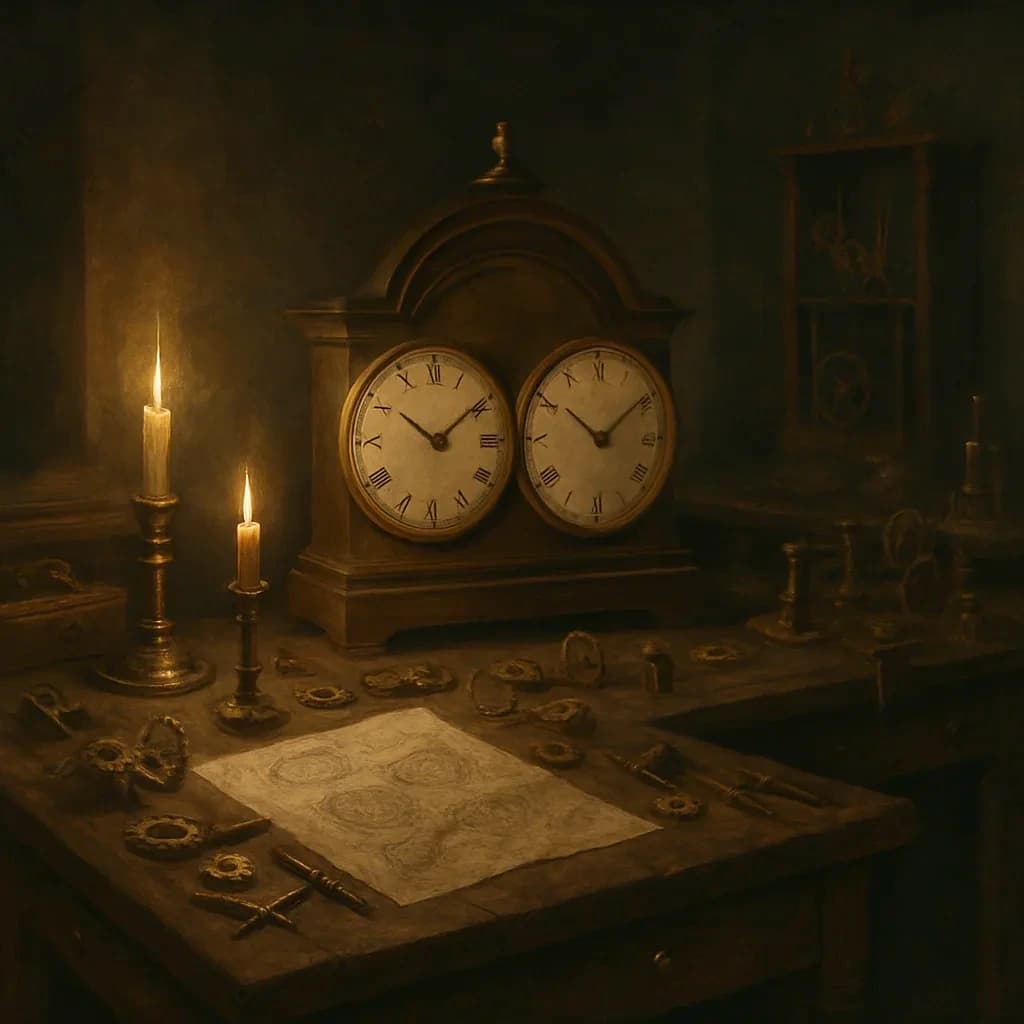
France Tried to Give the Day Ten Hours
A miscalculation in 18th-century Switzerland gave the world a timing system that was mathematically wrong, and too useful to fix.
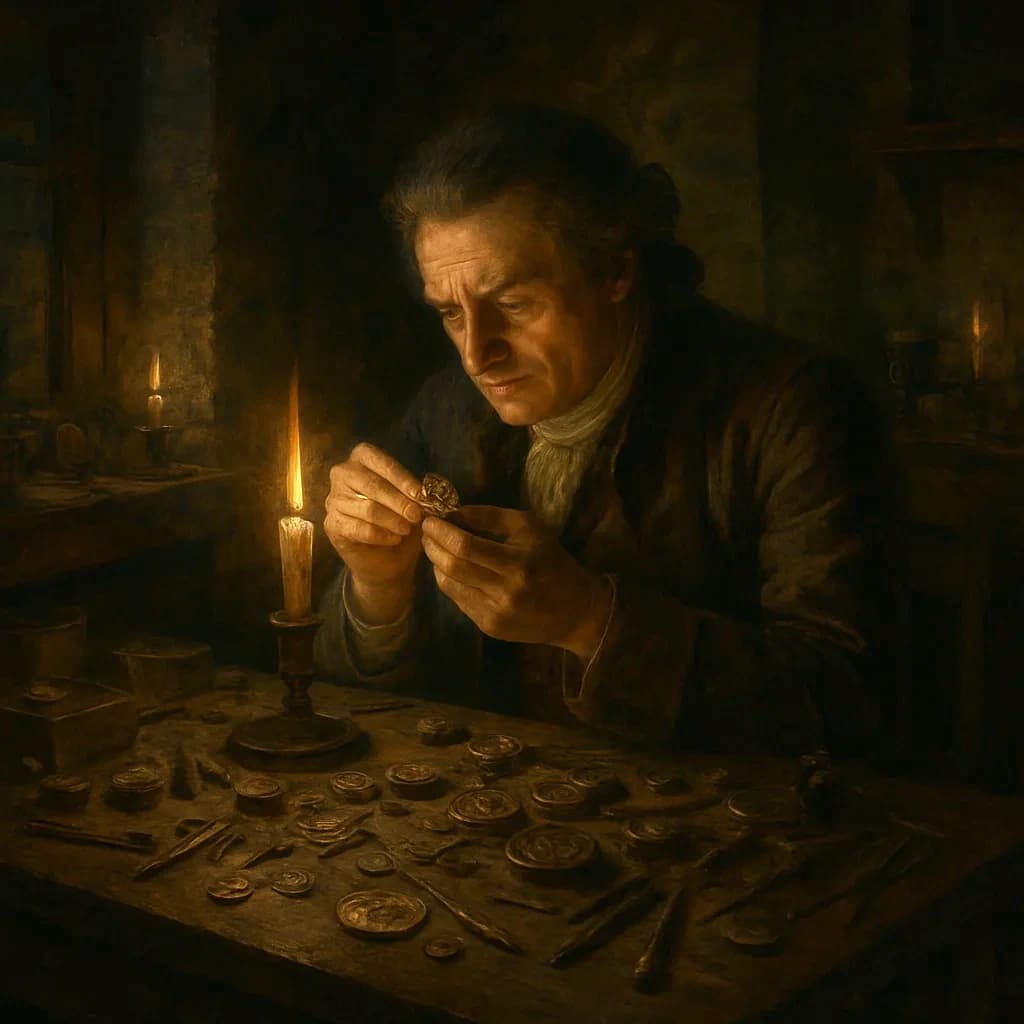
The World's Finest Watchmaker Robbed His Own Workshop
Lockpicks and a small hammer in hand, a Swiss clockmaker broke into his own workshop in 1784 to steal back time itself.
- Whitten, David. 'Breguet: Watchmakers Since 1775.' Flammarion, 2017.
- Turner, Anthony J. 'Of Time and Measurement: Studies in the History of Horology and Fine Technology.' Ashgate Publishing, 1993.
- Daniels, George. 'The Art of Breguet.' Sotheby Publications, 1975.