
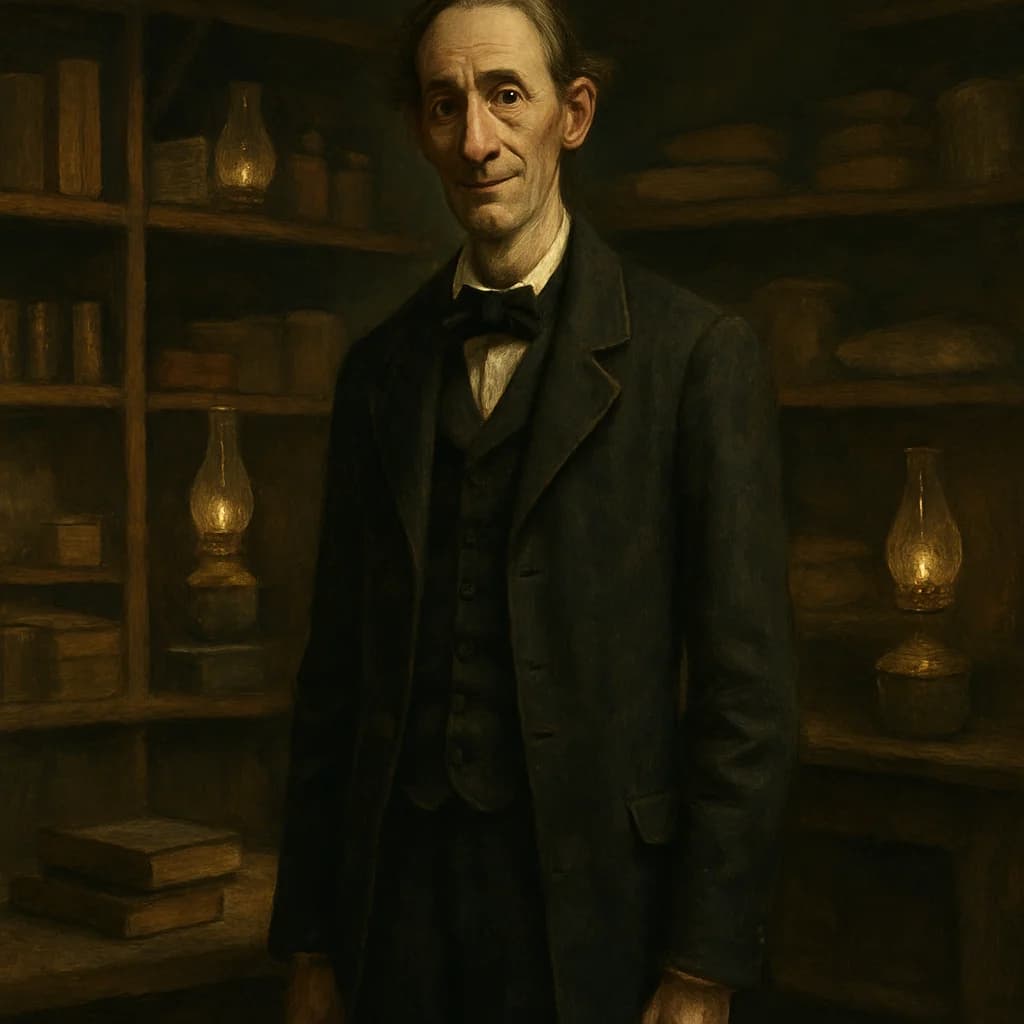
Abraham Lincoln
The man who saved the Union once ran a general store so badly that locals joked he sold more stories than merchandise.
Before Abraham Lincoln became the Great Emancipator, he was spectacularly bad at business. His general store in New Salem, Illinois failed so completely that he spent years paying off what he called "the National Debt," his share of the partnership's obligations. Customers came more for Lincoln's storytelling than his goods, often finding him reading by the fireplace instead of tending shop.
This failure taught him something crucial about human nature: people's deepest needs weren't always what they claimed to want. In his law practice, he developed an unusual strategy: he often talked clients out of lawsuits, believing most disputes stemmed from misunderstanding rather than malice. "A lawyer's time is his stock in trade," he once said, yet he regularly gave it away for free to keep neighbors from destroying each other in court.
Lincoln's presidency revealed the same counterintuitive wisdom. While others saw the Civil War in absolutes, he understood it as a tragic family quarrel that required both firmness and forgiveness. He pardoned deserters against his generals' advice, writing "the boy can do us more good above ground than underground." When advisers demanded harsh punishment for Confederate leaders, Lincoln spoke instead of "malice toward none."
The night John Wilkes Booth shot him, Lincoln had been carrying Confederate money in his wallet, not as a trophy, but because he'd been studying Southern currency designs, trying to understand how quickly the region could rebuild economically. Even in his final hours, he was thinking like that failed shopkeeper who learned that the hardest problems required not force, but patience and an almost supernatural ability to see past what people said they wanted to what they actually needed.
Lincoln is the only U.S. president to hold a patent, granted in 1849 for a system of bellows to lift boats over shoals using air chambers, though the device was never manufactured.
Why untold: His business failures and conciliatory approach contradict the mythic image of Lincoln as a natural-born leader destined for greatness.
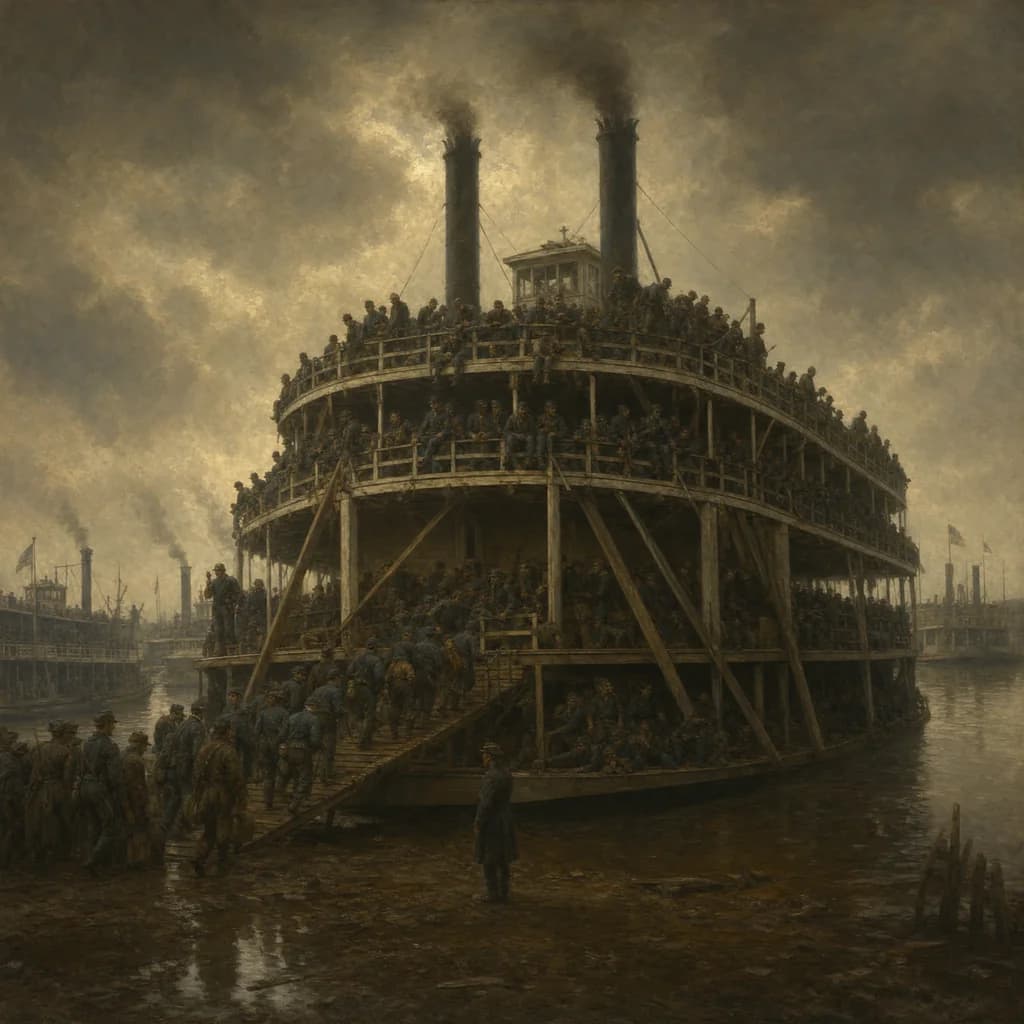
Lincoln's Assassination Buried America's Deadliest Shipwreck
A steamboat legally licensed for 376 people pulled out of Vicksburg with more than 2,000 aboard, most of them prisoners of war who had just been told they were going home.
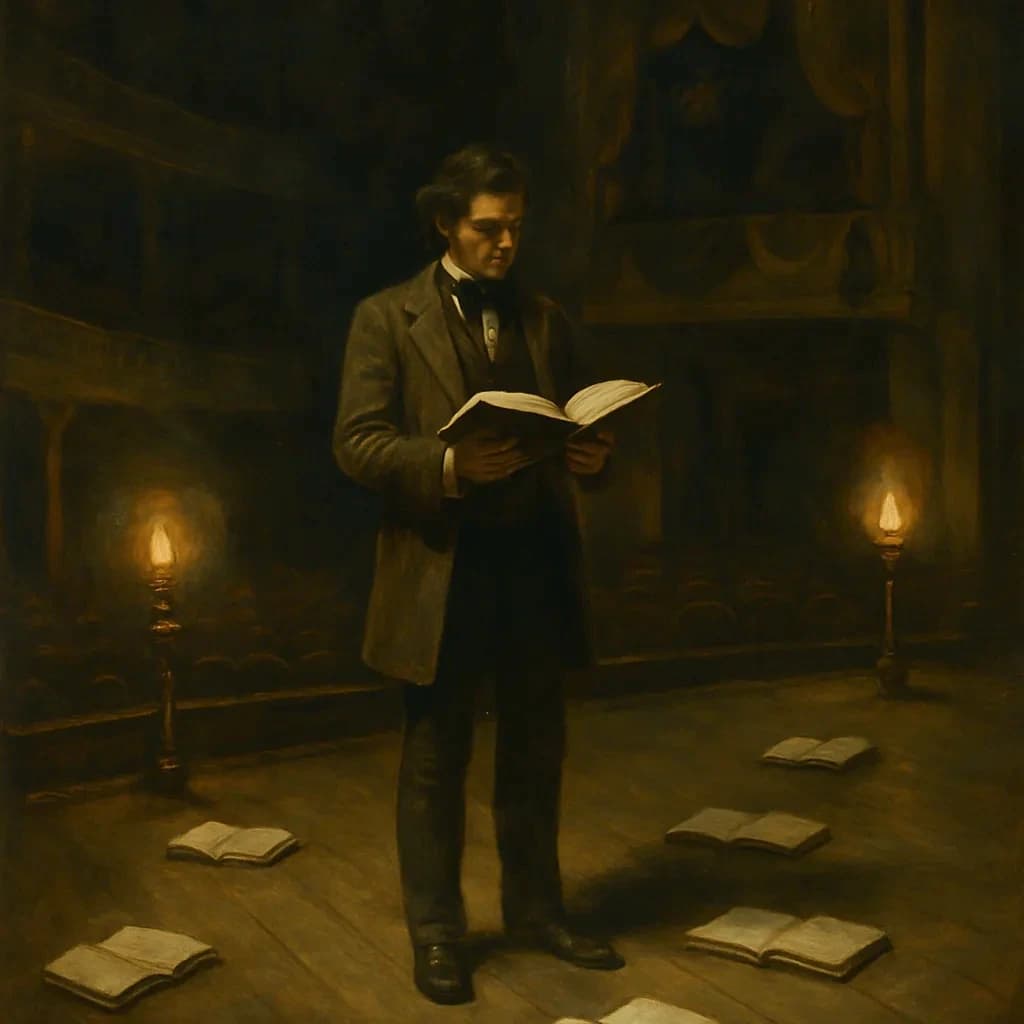
Every Script at Ford's Theatre Went Blank
When Ford's Theatre reopened after Lincoln's assassination, the actors discovered something impossible: every script in the building was blank.
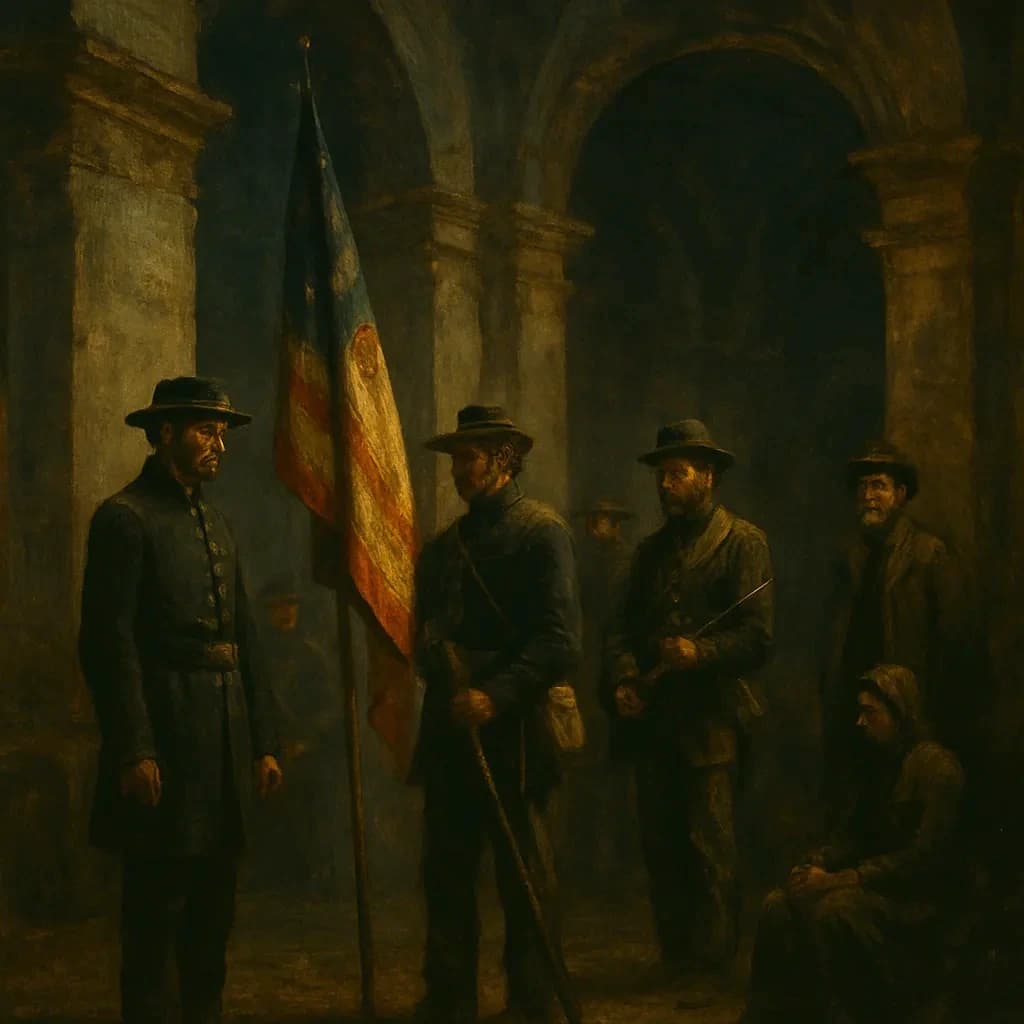
A Confederate Surgeon's Split-Second Choice Haunted Two Presidents
In 1865, a Confederate doctor made a split-second decision that would haunt two presidents and reshape the American century.
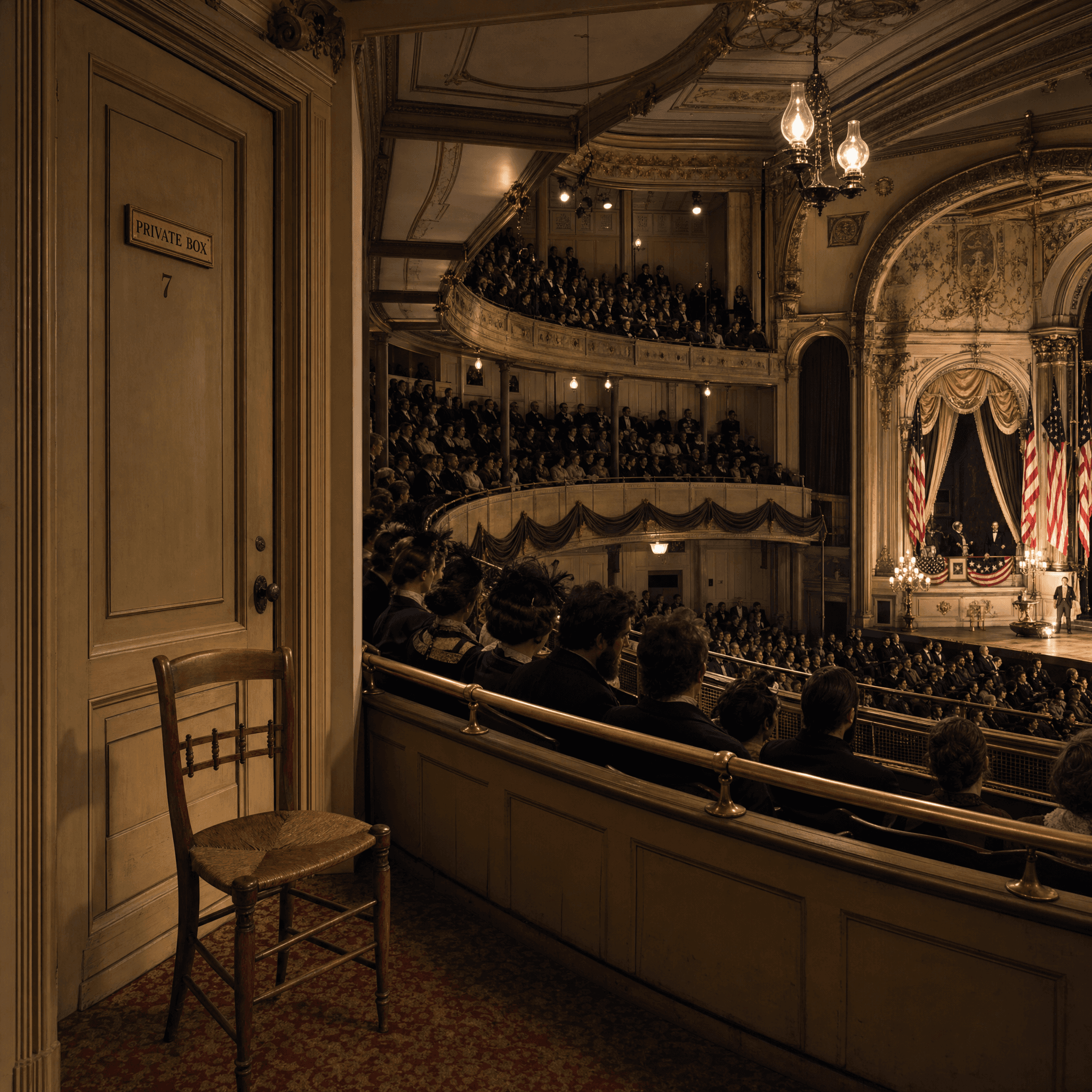
Lincoln's Bodyguard Stepped Out for a Drink at Intermission
Lincoln's bodyguard stepped out for a drink at intermission, leaving the President alone in his box.
- Burlingame, Michael. Abraham Lincoln: A Life. Johns Hopkins University Press, 2008.
- Donald, David Herbert. Lincoln. Simon & Schuster, 1995.
- Guelzo, Allen C. Lincoln's Emancipation Proclamation. Simon & Schuster, 2004.