
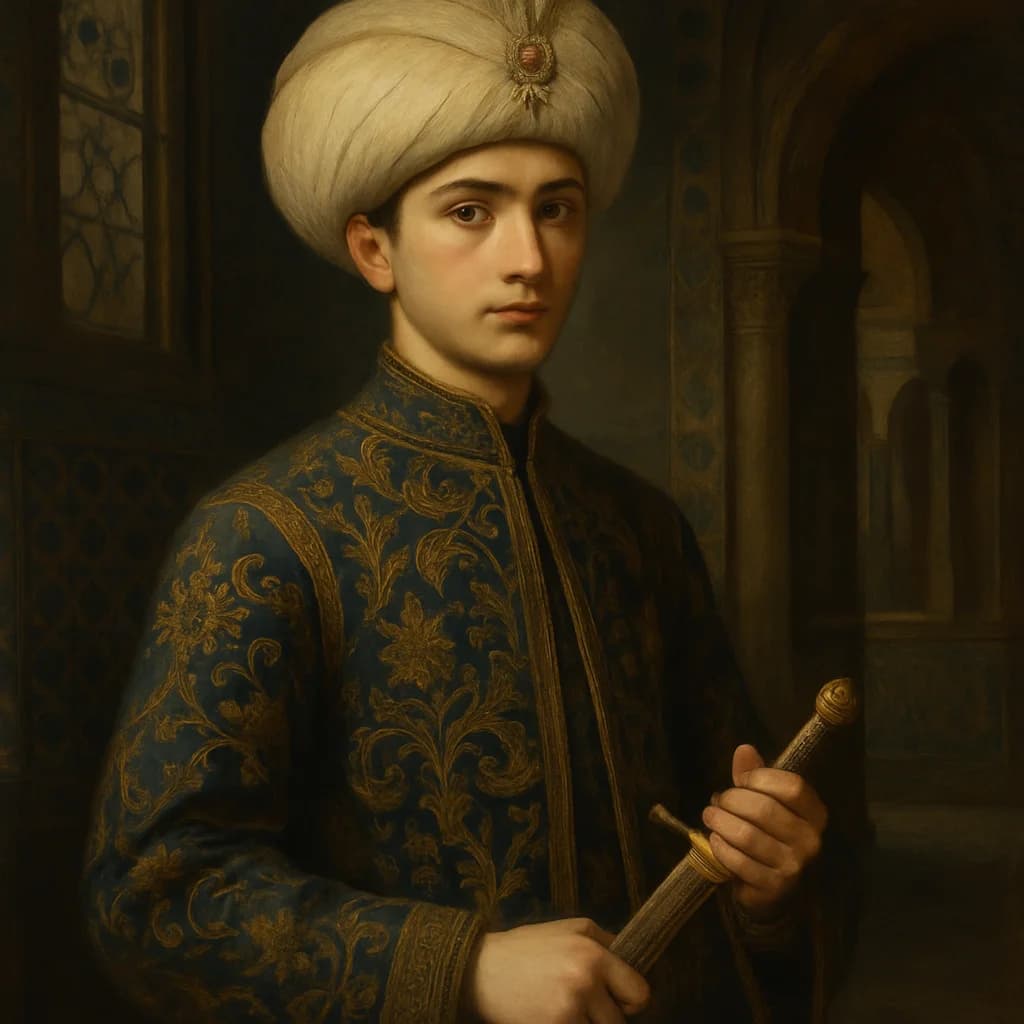
Yakub
The Ottoman prince who saved an empire by refusing to let his father die naked in a bathhouse became the architect of Europe's longest nightmare.
When assassins burst into the imperial baths in 1513, they expected to find Sultan Bayezid II defenseless and alone. Instead, they encountered his son Yakub, who had been receiving a massage in the adjoining chamber. The prince didn't hesitate. He grabbed a marble soap dish and began hurling it at the intruders while screaming for the guards. His father lived. The Ottoman Empire continued.
But Yakub's moment of heroism was just the beginning of a life defined by impossible choices. Born into the brutal succession system where princes routinely murdered their brothers for the throne, he spent his early years governing distant provinces, always watching over his shoulder. When his father finally died of natural causes in 1512, Yakub found himself in a three-way civil war against his brothers Selim and Ahmed. The empire fractured along provincial lines as each prince commanded loyal armies.
The war lasted eight months and devastated Anatolia. Yakub controlled the European territories (the Balkans his grandfather Mehmed had conquered) while his brothers carved up Asia Minor. He might have won, except for a single tactical error: trusting a Serbian cavalry commander who promised to deliver Kosovo's garrison. The betrayal came at the Battle of Çorlu in 1513, where Yakub's European army collapsed when his supposed allies turned their weapons on his flanks.
Selim's victory meant more than just another dead prince. Yakub had represented the European face of Ottoman power, the bridge between Turkish ambition and Balkan reality. His death severed that connection, turning the Balkans from an integrated imperial province into a restless frontier that would explode into nationalism, world wars, and ethnic cleansing over the next four centuries.
Yakub's supporters included Vlad the Impaler's nephew, who saw the Ottoman prince as more trustworthy than his own Byzantine noble relatives.
Why untold: Ottoman succession wars were deliberately obscured by later sultans who wanted to project dynastic stability rather than acknowledge the empire's frequent civil wars.
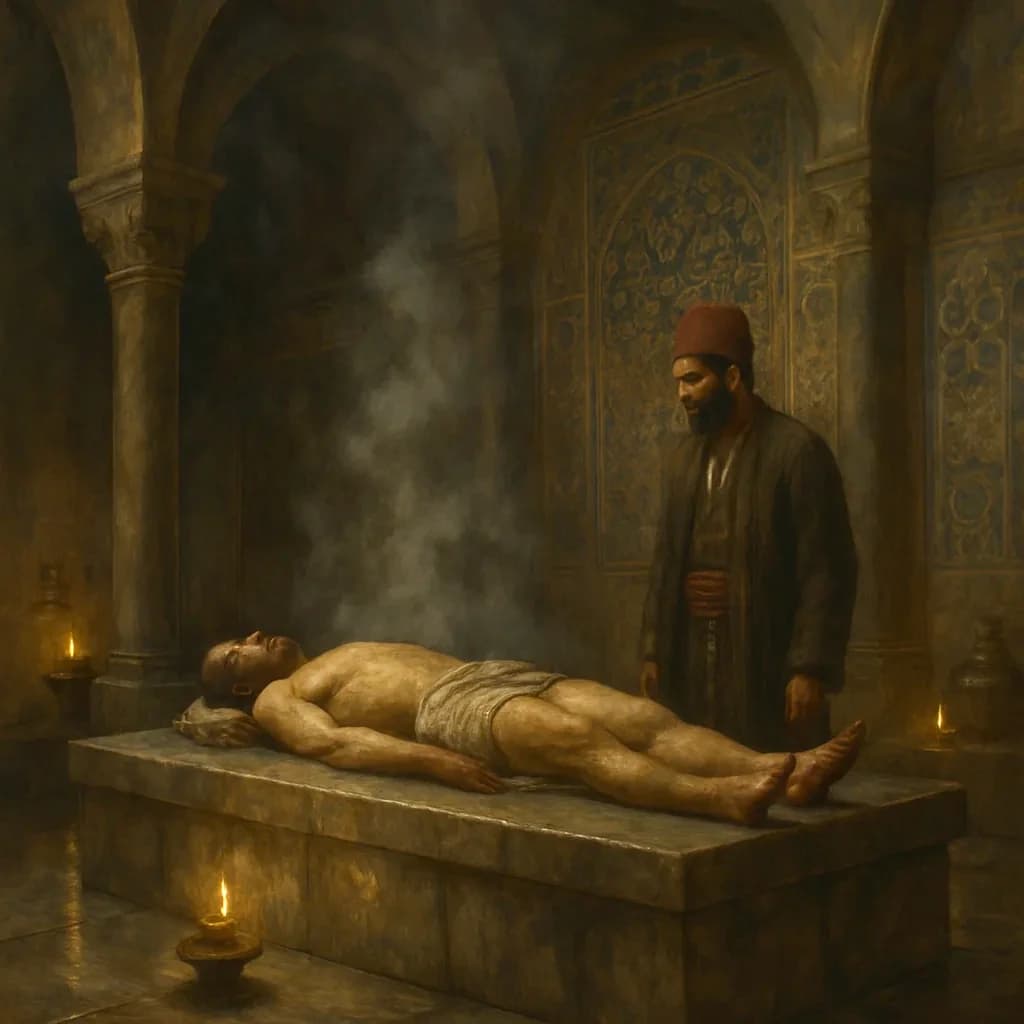
The Masseuse Who Chose Not to Kill a Sultan
The longest-reigning Sultan in Ottoman history almost died naked and defenseless, saved only by his masseuse's quick thinking.
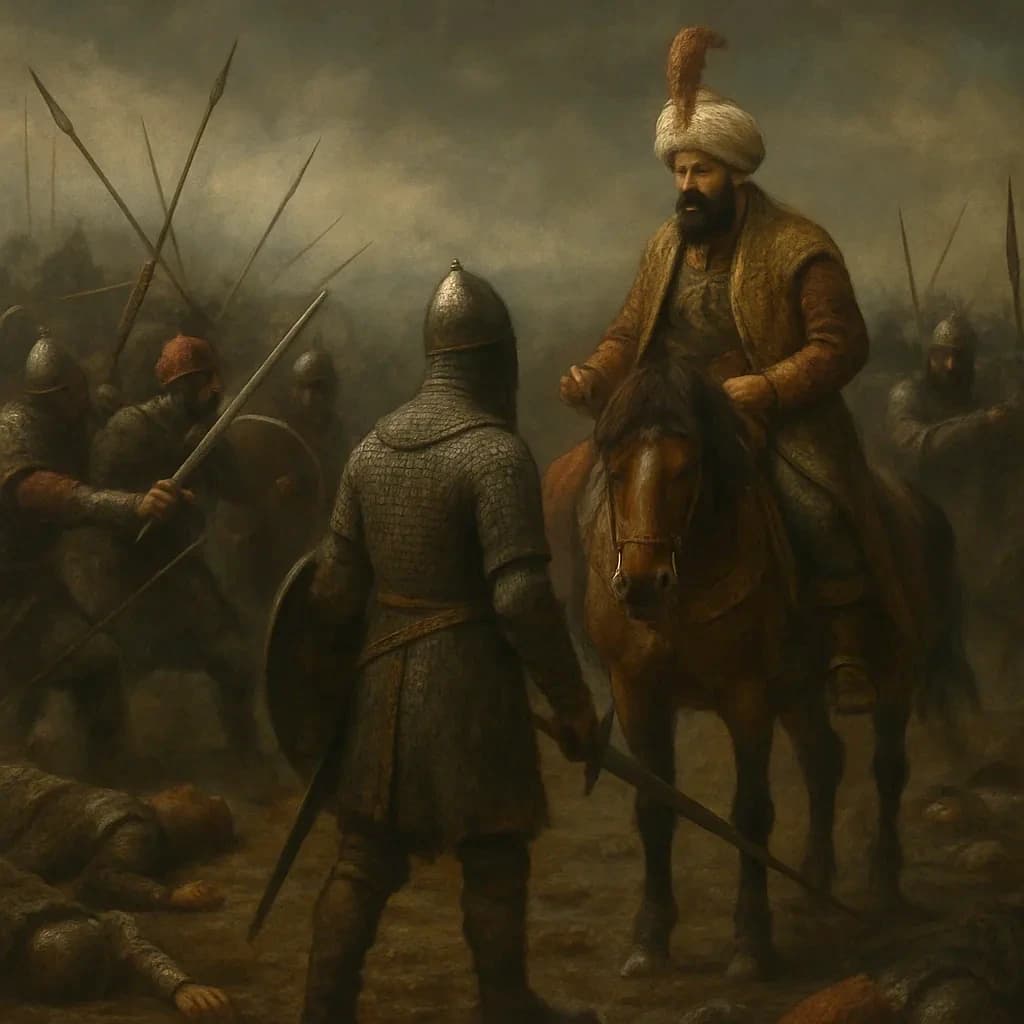
A Serbian Knight Killed the Sultan and Doomed the Balkans
A Serbian prince and an Ottoman sultan killed each other on the same battlefield in 1389, leaving two empires without leaders and the Balkans bleeding for centuries.
- Finkel, Caroline. Osman's Dream: The History of the Ottoman Empire. Basic Books, 2007.
- İnalcık, Halil. The Ottoman Empire: The Classical Age 1300-1600. Phoenix Press, 2000.
- Ágoston, Gábor. The Last Muslim Conquest: The Ottoman Empire and Its Wars in Europe. Princeton University Press, 2021.