
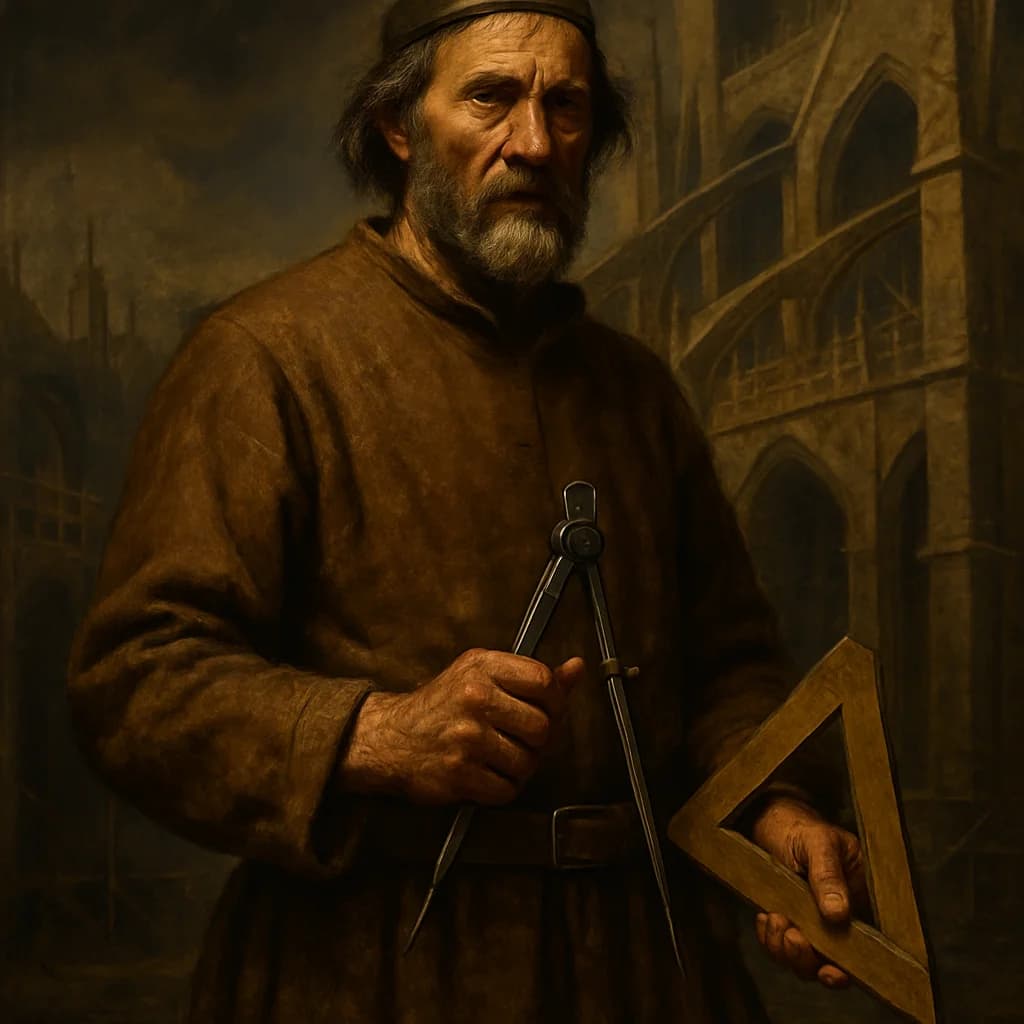
William of Sens
The man who revolutionized English architecture died in France, forgotten by the very cathedral that made him famous.
William of Sens arrived in Canterbury in 1174 to rebuild a cathedral destroyed by fire, carrying with him the radical new Gothic techniques he'd mastered in France. What the English monks didn't realize was that they were importing a revolution. Where Norman architects built thick walls and small windows, William designed soaring pointed arches and vast expanses of colored glass that seemed to defy gravity itself.
For four years, William worked his architectural magic, training English masons in techniques they'd never seen. He was creating something unprecedented in England, a cathedral that captured light like a jeweled chalice. Then, in September 1178, disaster struck. While inspecting his scaffolding fifty feet above the cathedral floor, the wooden platform gave way. William plummeted, his back shattered against the stone he'd spent years perfecting.
What happened next reveals the brutal pragmatism of medieval construction. Unable to climb scaffolding or oversee the intricate stonework, William tried to direct the project from his sickbed. But cathedral building was a hands-on craft requiring constant physical supervision. Within months, the monks had quietly replaced him with an Englishman, William the Englishman, who completed the work and took most of the credit.
William of Sens limped back to France, his revolutionary career ended by a single moment of structural failure. He died in obscurity around 1180, probably never knowing that Canterbury Cathedral would become one of the most influential Gothic buildings in England, inspiring centuries of English architects who learned to reach toward heaven through his imported techniques.
William of Sens introduced the flying buttress to England (the external support system that allowed Gothic cathedrals to build walls almost entirely of glass), but the innovation was so new that many English masons initially thought the structures were decorative rather than structural.
Why untold: Medieval chronicles focused on the completed buildings rather than their designers, and William's career-ending accident meant he never established a lasting English workshop to preserve his reputation.
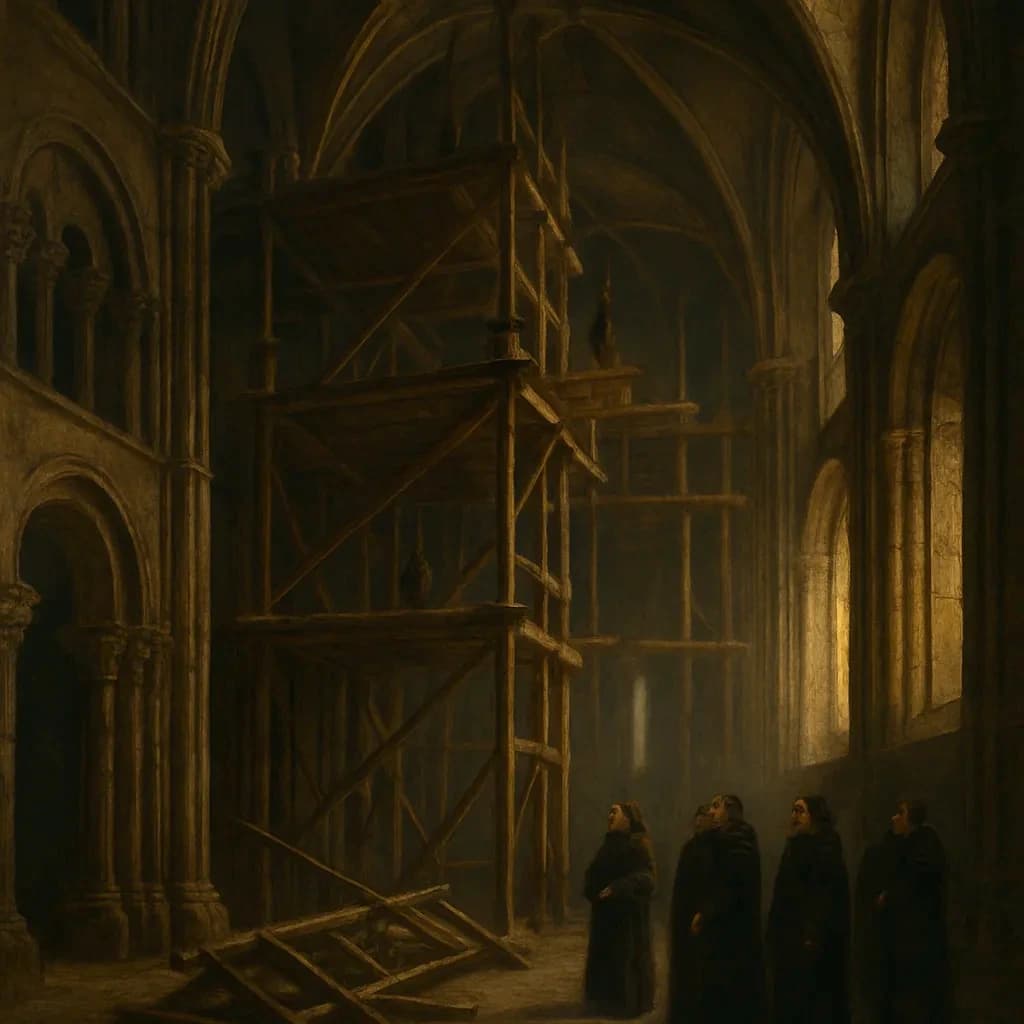
He Hated Canterbury's New Cathedral, and Saved Its Story
The man who designed one of medieval Europe's most celebrated Gothic cathedrals spent his final years trying to have it torn down.
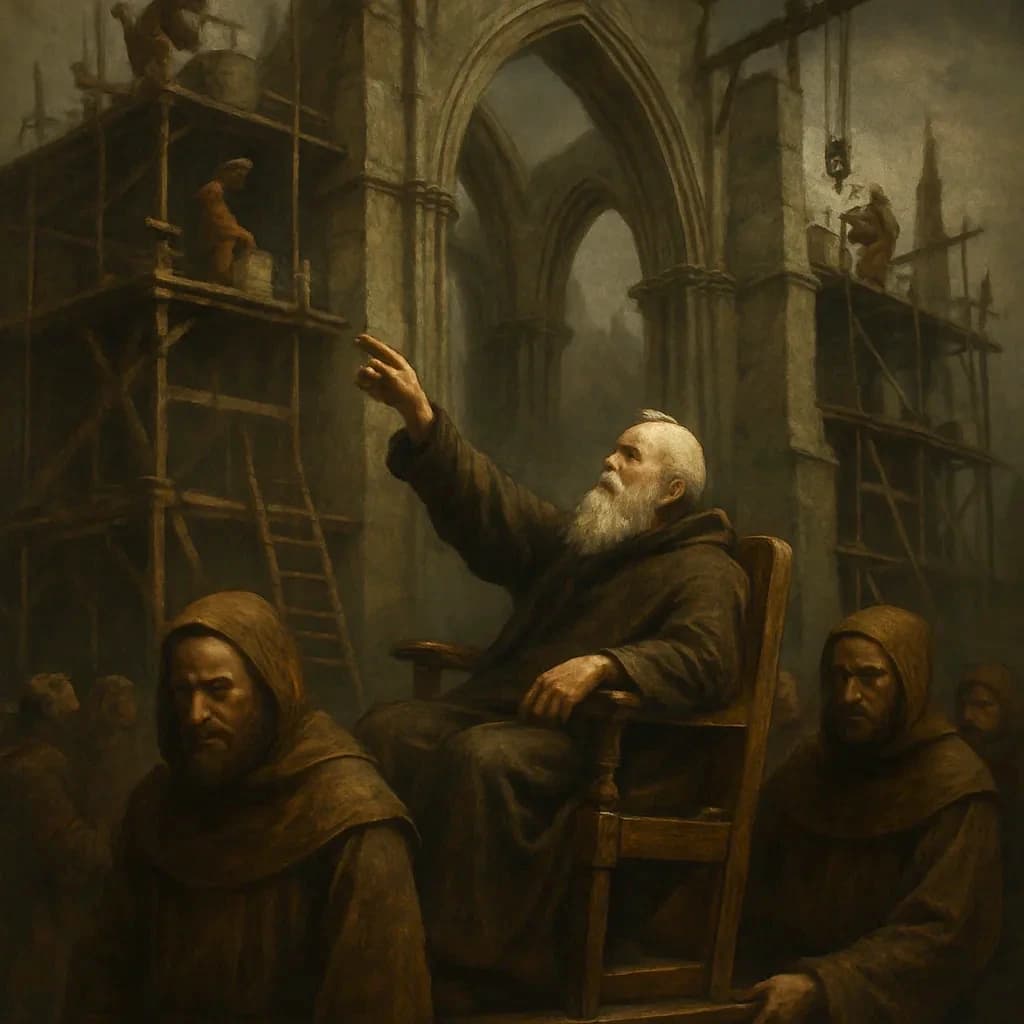
The Architect Who Watched His Cathedral Become Someone Else's
The most celebrated architect in Europe fell fifty feet from his own scaffolding in 1174, and survived to watch his masterpiece slip out of his hands.
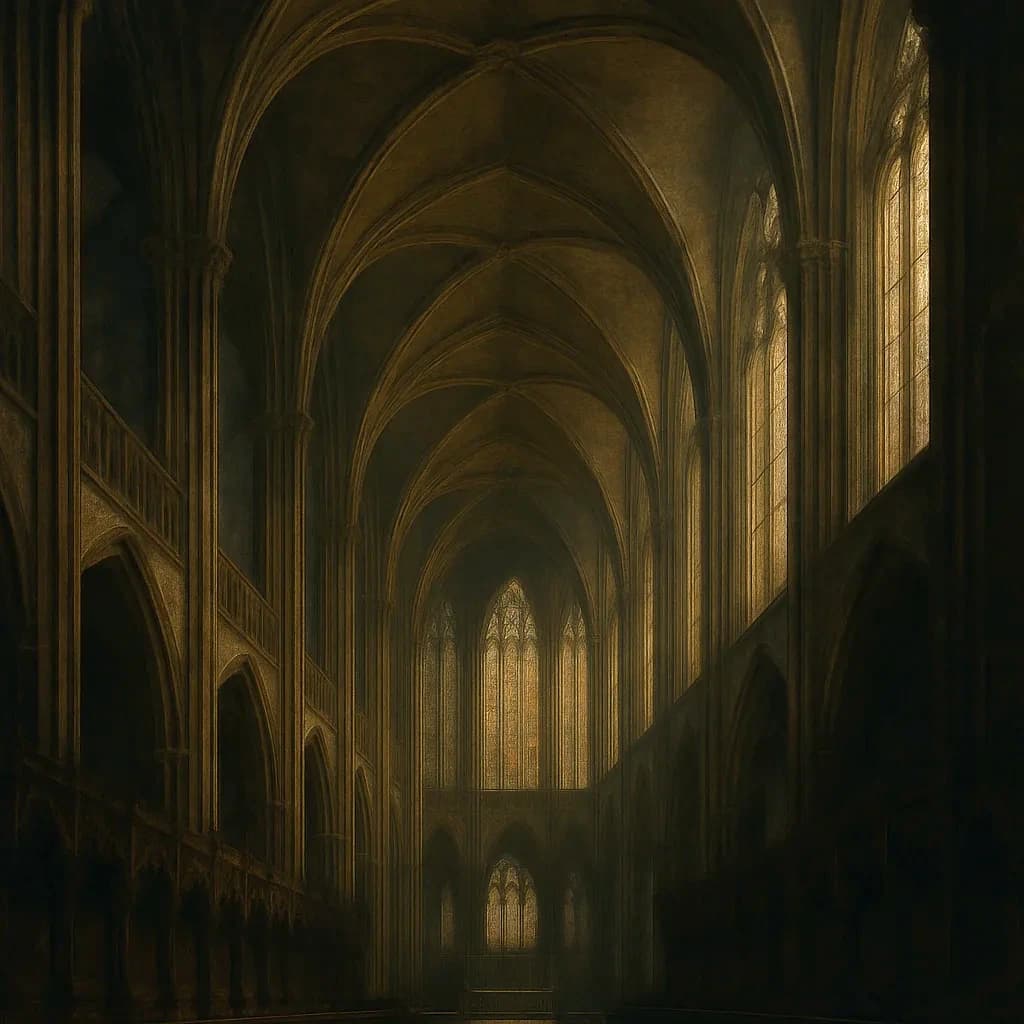
The Cathedral That Killed Its Builder
Beauvais Cathedral was supposed to be the tallest church in Christendom, until it collapsed and took its architect's reputation with it.
- Gervase of Canterbury, Chronicle of the Burning and Repair of the Church of Canterbury
- John Harvey, The Master Builders: Architecture in the Middle Ages
- Christopher Wilson, The Gothic Cathedral: The Architecture of the Great Church