
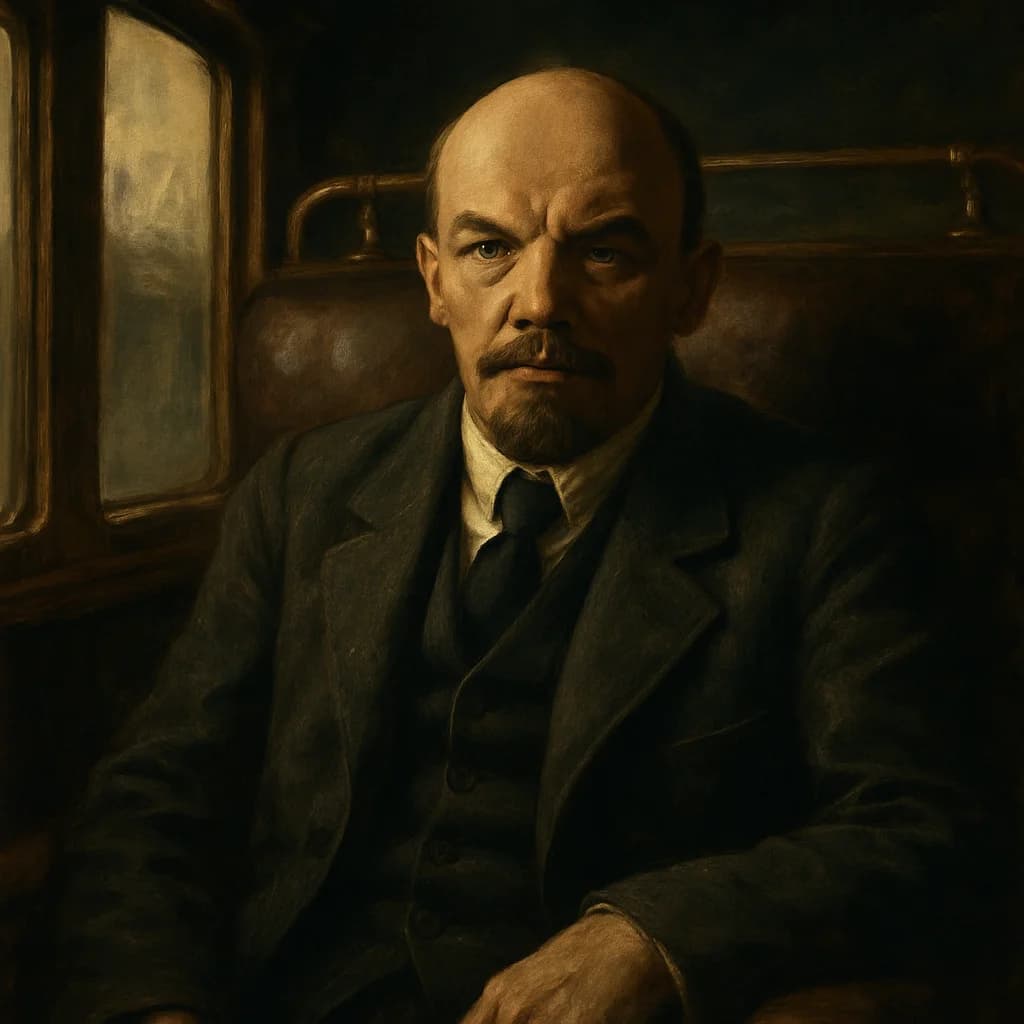
Vladimir Lenin
The man who toppled an empire spent his revolutionary years obsessively reading in library silence, filing detailed notes on agricultural statistics.
Vladimir Lenin wasn't plotting revolution in smoky backrooms. He was camping out in the British Museum's reading room, methodically working through Marx's complete works like a graduate student cramming for finals. During his London exile from 1902-1903, he lived on oatmeal and black bread, spending entire days in the library's hushed halls, emerging only when the guards kicked him out at closing time. His fellow revolutionaries found him insufferably bookish.
This obsessive preparation paid off in ways no one expected. When the February Revolution erupted in 1917, Lenin was still in Swiss exile, completely cut off from events. The German government, desperate to knock Russia out of World War I, made a calculated gamble: they sealed Lenin in a railway car and shipped him across enemy territory like contraband. They figured this radical bookworm might cause enough chaos to fracture Russian resolve. They had no idea they were delivering a precision weapon.
Lenin arrived at Petrograd's Finland Station on April 3, 1917, and immediately did what no one anticipated: he rejected the Provisional Government that other revolutionaries were trying to join. While moderate socialists debated coalition politics, Lenin delivered his April Theses: end the war immediately, transfer all power to workers' councils, bypass bourgeois democracy entirely. His own party thought he'd lost his mind.
Seven months later, he controlled the world's largest country. The revolution succeeded not through mass uprising, but through surgical strikes on key infrastructure: telegraph offices, railway stations, power plants. Lenin had studied revolution like an engineering problem, and he solved it with the same methodical precision he'd once applied to library research.
Lenin's sealed train journey across Germany was arranged with such secrecy that even the German passengers on the same train had no idea who was in the locked car, and Lenin's party paid full fare for the trip despite being transported as a military operation.
Why untold: His methodical, scholarly approach to revolution gets overshadowed by the dramatic mythology of spontaneous uprising and mass movements.
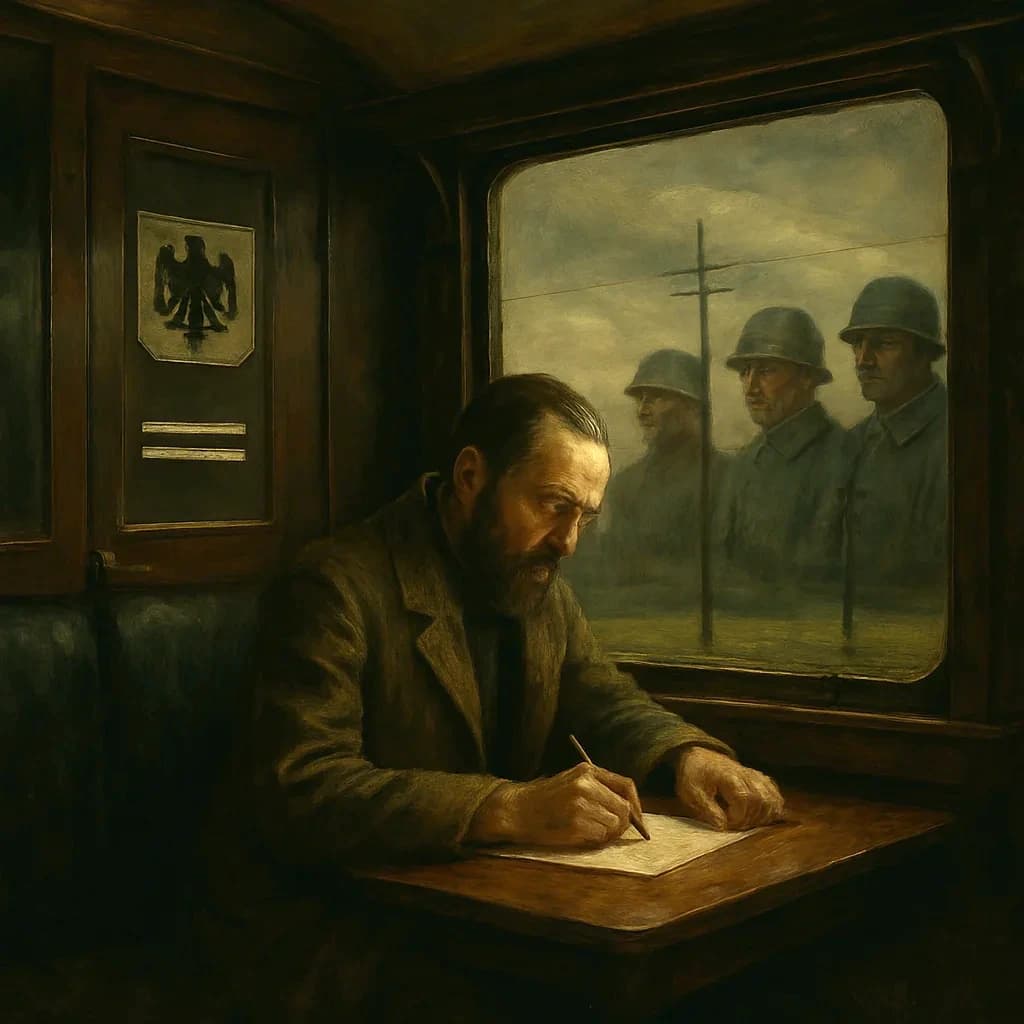
Germany Shipped Lenin to Russia Like a Plague Bacillus
One sealed train car rolls onto a Swiss platform carrying a single passenger, and the telegram that will topple three empires.
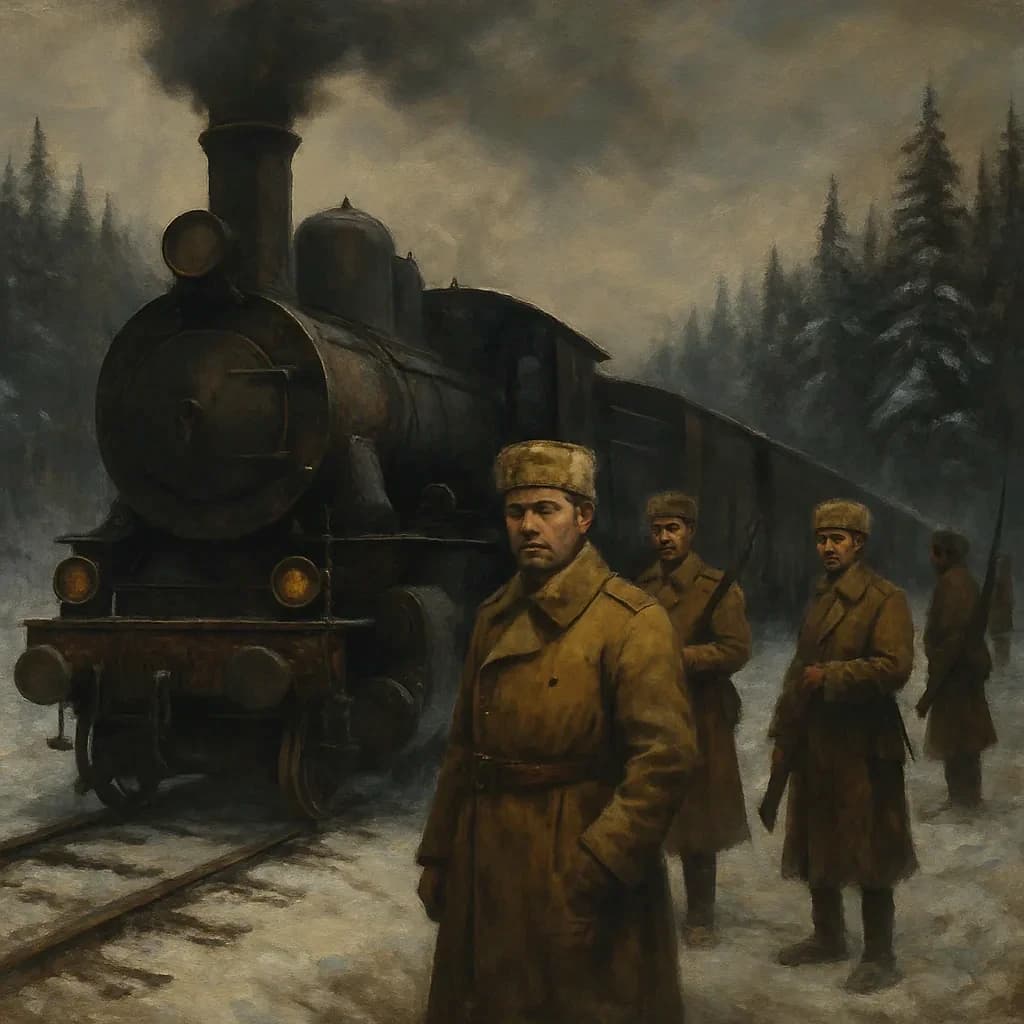
The Regiment That Walked Home from Siberia
After World War I ended, 70,000 Czech soldiers found themselves stranded 4,000 miles from home, so they commandeered the Trans-Siberian Railway and fought their way across Russia.
Four Days in Moscow: Britain's Shortest Ambassadorship
He was appointed ambassador to Moscow on a Thursday, declared war on Russia by Sunday, and was unemployed by Monday.
- Catherine Merridale, 'Lenin on the Train: The Journey That Changed History' (2016)
- Robert Service, 'Lenin: A Biography' (2000)
- Richard Pipes, 'The Russian Revolution' (1990)