
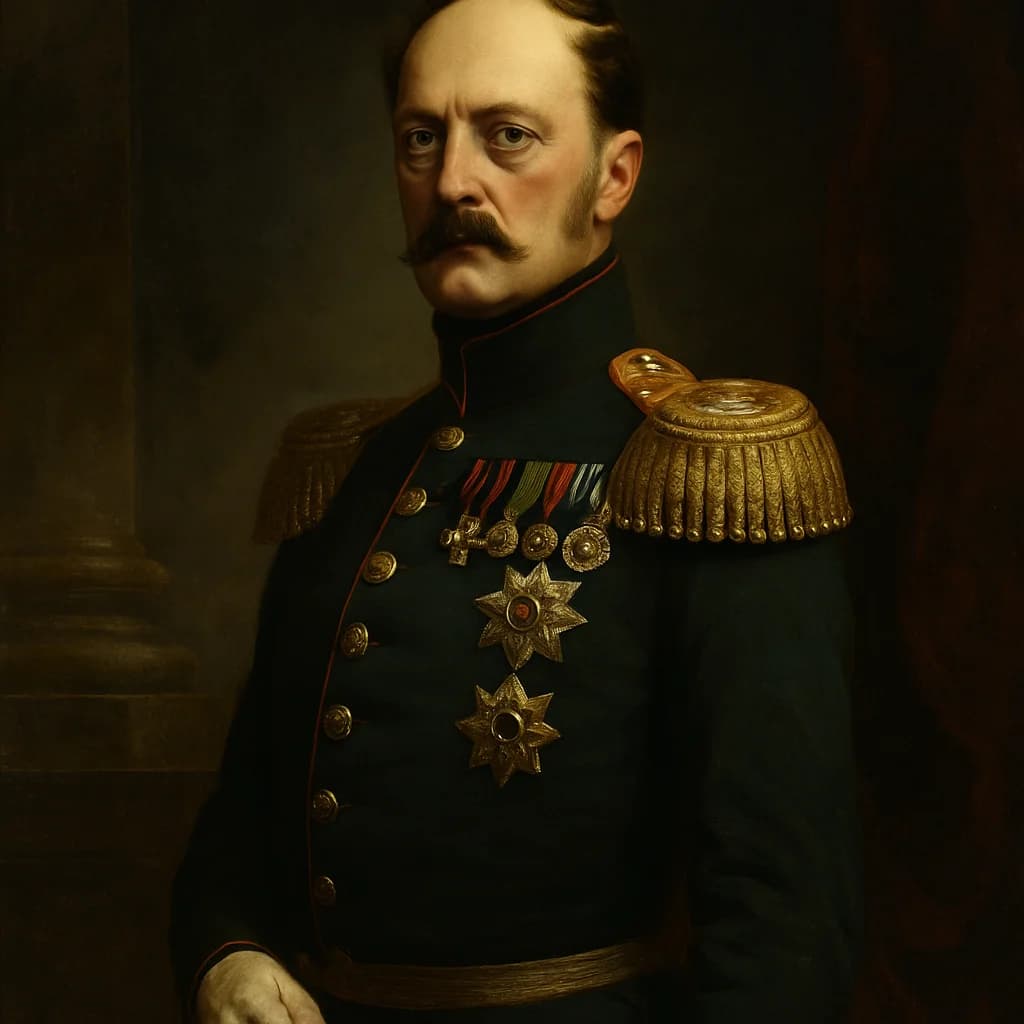
Tsar Nicholas I
He spent thirty years building a system so perfectly designed to prevent change that it couldn't survive contact with the future.
Nicholas I became Tsar of Russia on December 26, 1825, the same morning a group of liberal officers tried to overthrow him. The Decembrist Revolt lasted six hours. Nicholas watched it crushed from horseback in Senate Square, and the experience never left him. Not the fear, exactly. Something colder than fear. A absolute, architectural certainty that every idea, every whisper of reform, every map drawn by a foreign hand was a loaded pistol aimed at the throne.
What's forgotten is how systematically he built his paranoia into infrastructure. Nicholas created the Third Section in 1826 (Russia's first modern secret police), staffed it with thousands of informants, and tasked it not just with catching criminals but with monitoring thought itself. Writers were given government minders. Universities had their philosophy departments closed by imperial decree in 1850, on the grounds that philosophy encouraged dangerous speculation. He didn't burn books. He was more efficient than that. He simply ensured there was no one left qualified to read them.
The strange irony is that Nicholas I considered himself an engineer. He loved blueprints, schematics, military formations. He personally approved the design of Russia's first railway line in 1837, and when advisors suggested laying the track between Moscow and Saint Petersburg along the most logical geographic route, Nicholas reportedly took a ruler, drew a straight line between the two cities, and declared that the railway. There are historians who doubt the story. It doesn't matter. It became legend because it was completely believable.
By the 1850s, the system he'd engineered had calcified everything around it: the military, the economy, the roads, the minds of his own generals. When the Crimean War began in 1853, Russian troops marched against French and British forces with flintlock muskets while the enemy carried rifles. The supply lines ran on oxcarts. The telegraph network that might have coordinated a defense barely existed. Nicholas died in March 1855, while the war was still being lost. The official cause was pneumonia. The unofficial theory, whispered in Petersburg drawing rooms, was that he simply couldn't bear to watch.
Nicholas I was so committed to suppressing Polish national identity that after crushing the 1830 uprising, he had the phrase "Order reigns in Warsaw" struck onto a commemorative medal, a line his general had used to report the massacre of civilians.
Why untold: Nicholas I is remembered as a reactionary footnote between the more dramatic reigns of Alexander I and Alexander II, which obscures the fact that his bureaucratic innovations in surveillance and state control created institutional patterns that outlasted him by over a century.
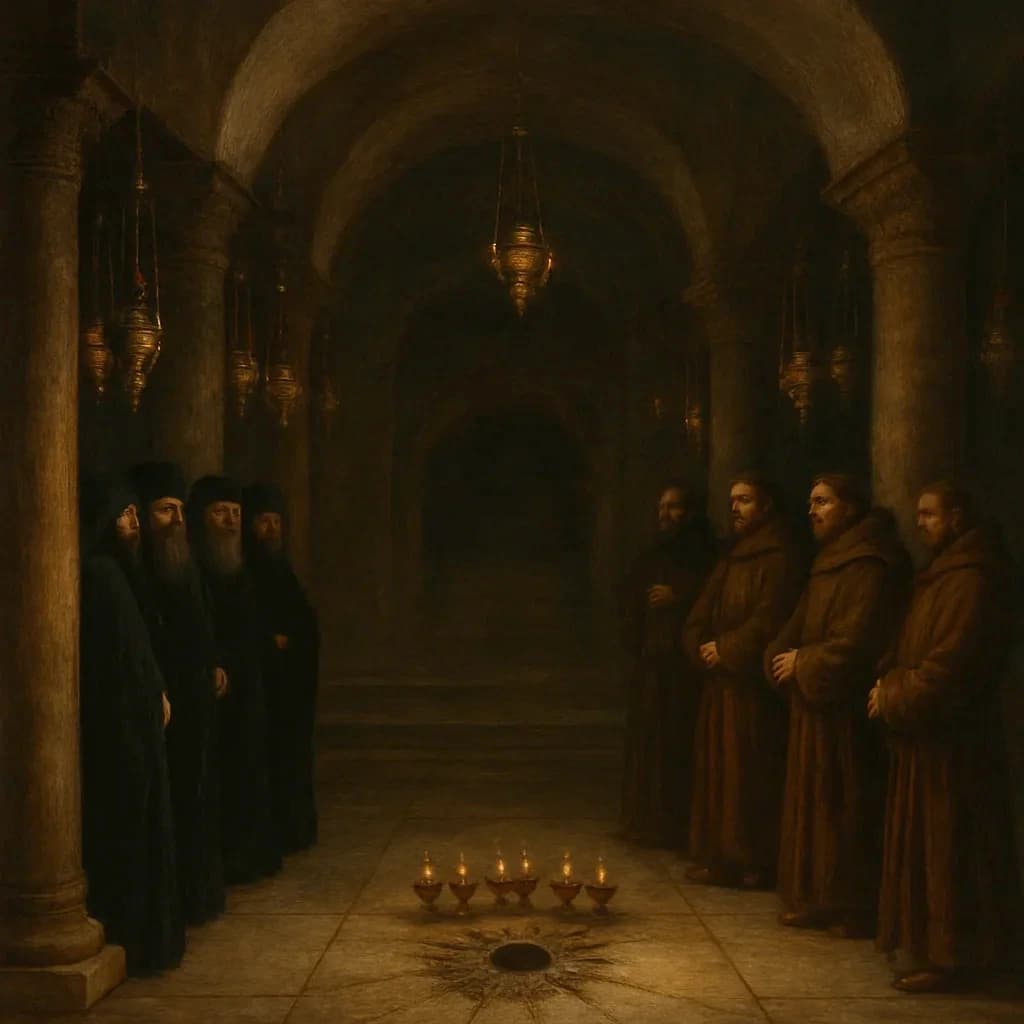
A Diplomat Miscounted Jerusalem's Christians and 600,000 People Died
A French diplomat counted the wrong Christians in Jerusalem, and accidentally handed Russia a pretext for a war that killed 600,000 people.
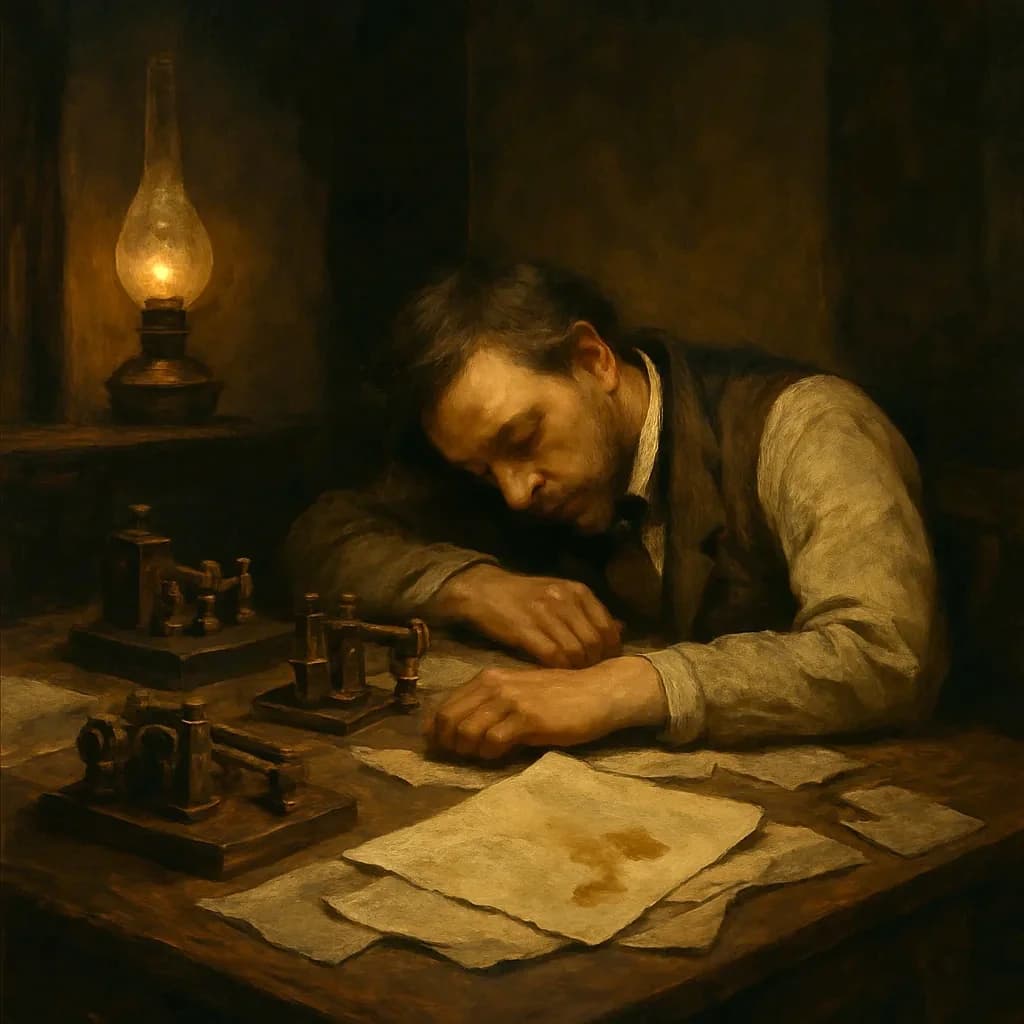
The Telegram That Never Reached Istanbul
A single delayed message in 1853 accidentally triggered a war that killed 750,000 people.
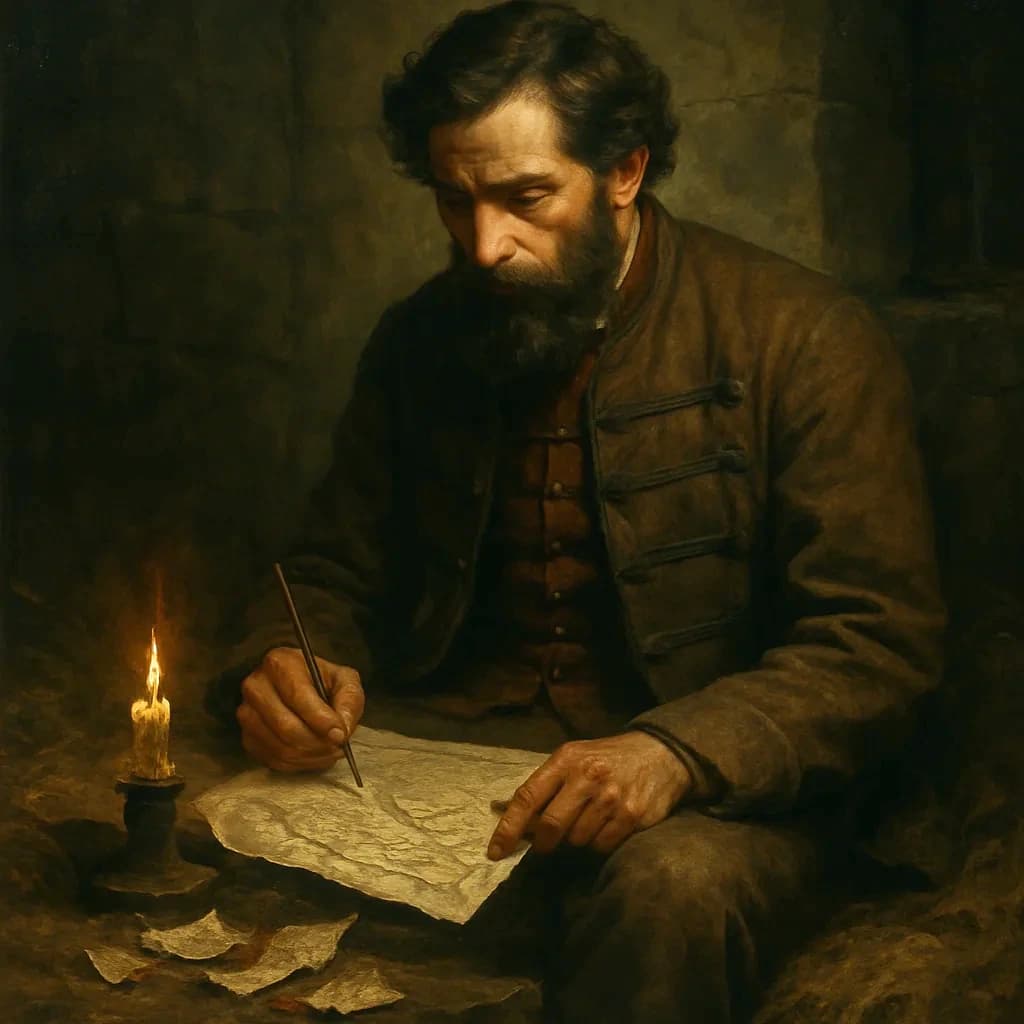
When Budapest Burned the Map Home
A cartographer's last request before his execution lit the fuse for Hungarian independence.
- W. Bruce Lincoln, Nicholas I: Emperor and Autocrat of All the Russias (1978), Northern Illinois University Press
- Orlando Figes, The Crimean War: A History (2010), Metropolitan Books
- Nicholas V. Riasanovsky, Nicholas I and Official Nationality in Russia, 1825-1855 (1959), University of California Press