
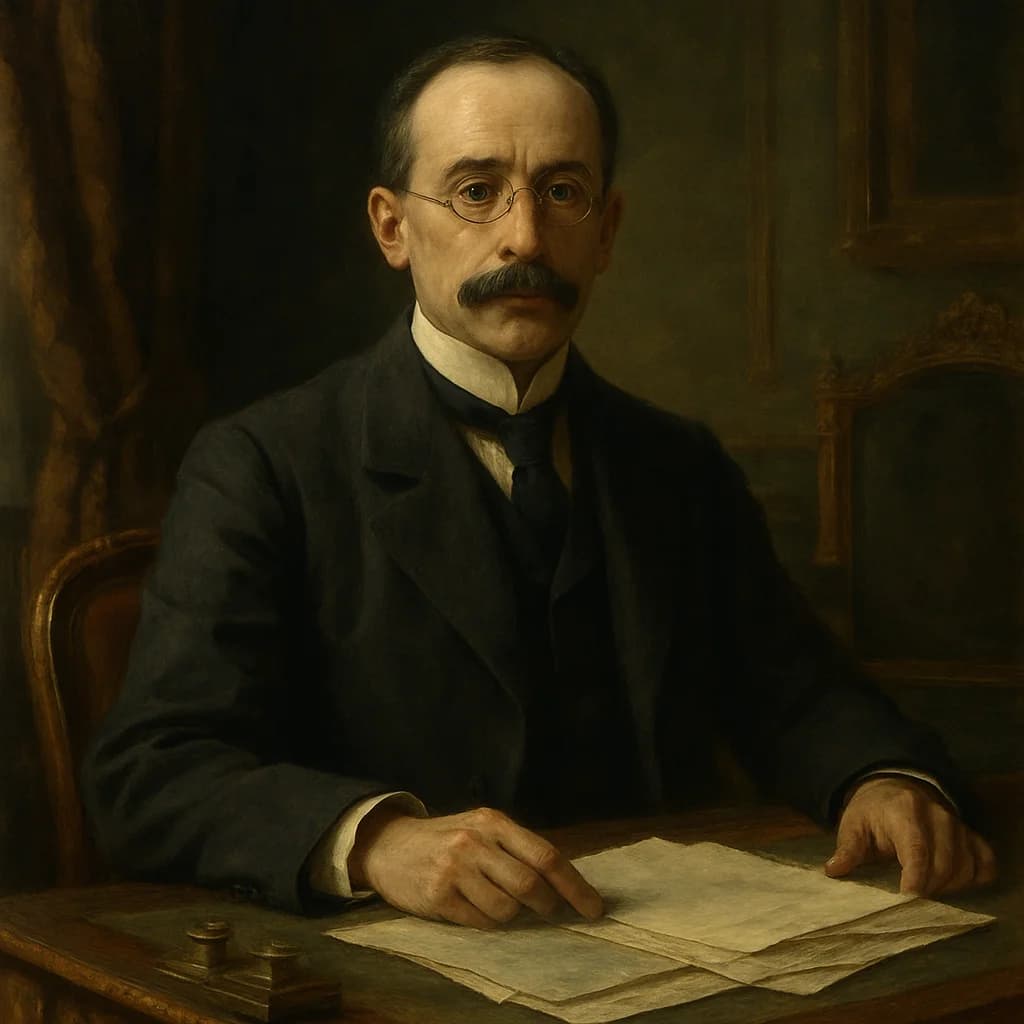
Théophile Delcassé
The man who almost triggered World War I a decade early was terrified of making public speeches.
Théophile Delcassé spent his entire political career crafting France's revenge against Germany while suffering from such severe stage fright that he would physically shake before addressing parliament. This contradiction defined the most consequential foreign minister in French history, a man who rebuilt France's global alliances through quiet diplomacy while barely able to defend his policies in public.
Born to a house painter in the Pyrenees, Delcassé arrived in Paris as a provincial journalist with republican sympathies and an obsession with colonial expansion. His early writings revealed an almost romantic vision of French empire, not as economic exploitation, but as cultural mission. When he became Colonial Minister in 1893, then Foreign Minister in 1898, he transformed these dreams into geopolitical strategy. He understood what his predecessors missed: France couldn't defeat Germany alone, but it could encircle Germany through carefully constructed alliances.
Delcassé's masterpiece was the Entente Cordiale with Britain in 1904, ending centuries of Anglo-French rivalry by trading colonial claims like chess pieces. He gave Britain a free hand in Egypt in exchange for French dominance in Morocco, a deal that seemed impossibly generous until the logic became clear. Morocco would serve as bait. When Germany inevitably challenged French expansion there, it would force Britain to choose sides. The trap worked perfectly during the First Moroccan Crisis of 1905.
Yet for all his strategic brilliance, Delcassé remained psychologically fragile. Colleagues described him pacing his office for hours before important meetings, rehearsing conversations that never went according to script. When Kaiser Wilhelm II personally demanded his resignation during the Morocco crisis, Delcassé's own cabinet abandoned him rather than risk war. He resigned in tears, convinced he had failed. In reality, his alliance system would hold firm through 1914, delivering exactly the coalition warfare he had envisioned.
Delcassé kept detailed personal files on every major European diplomat, including their drinking habits, family scandals, and financial troubles, which he used to gain negotiating advantages.
Why untold: His psychological frailties are overshadowed by focus on his diplomatic achievements, obscuring how personal insecurity shaped crucial international decisions.
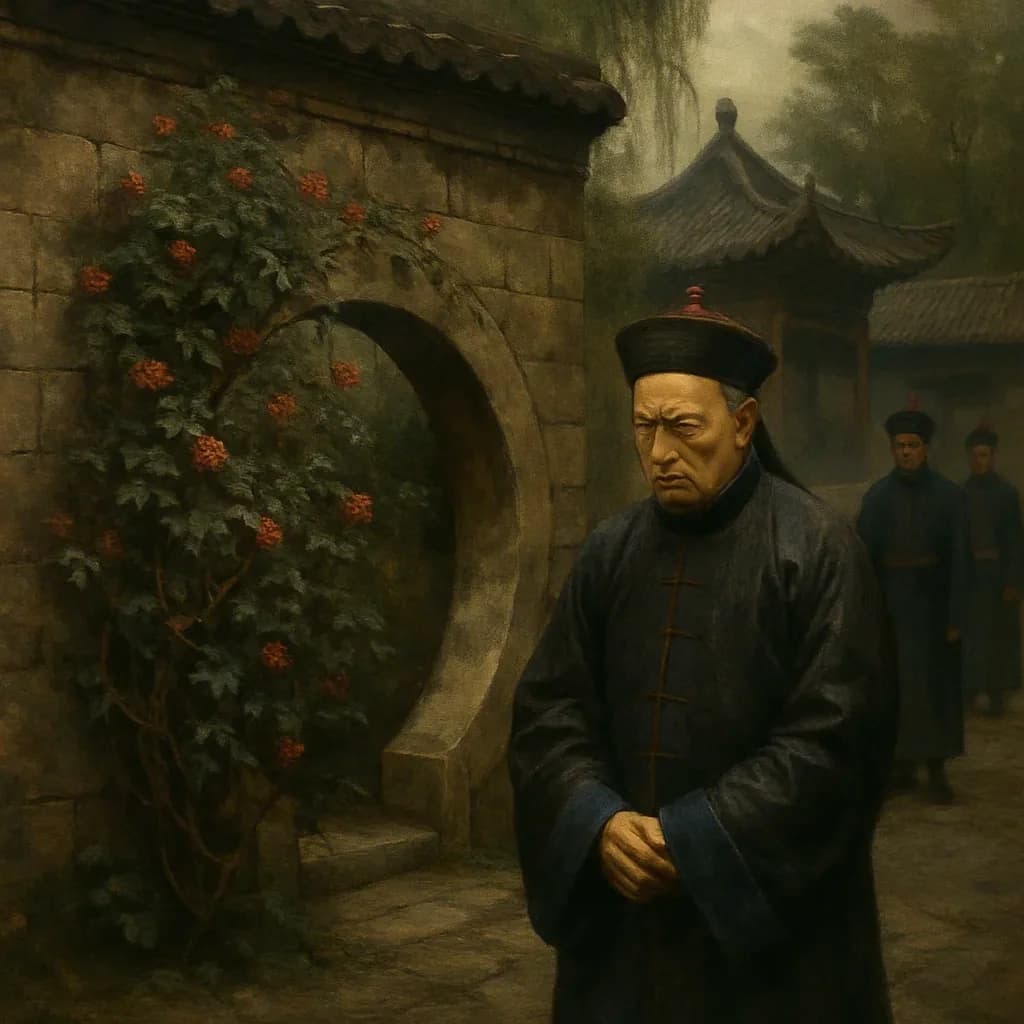
How One Rosebush Nearly Cost France Its Empire
A single climbing rose, planted in 1899 by the Empress of China's gardener, set off a diplomatic crisis that nearly cost France its entire East Asian empire.
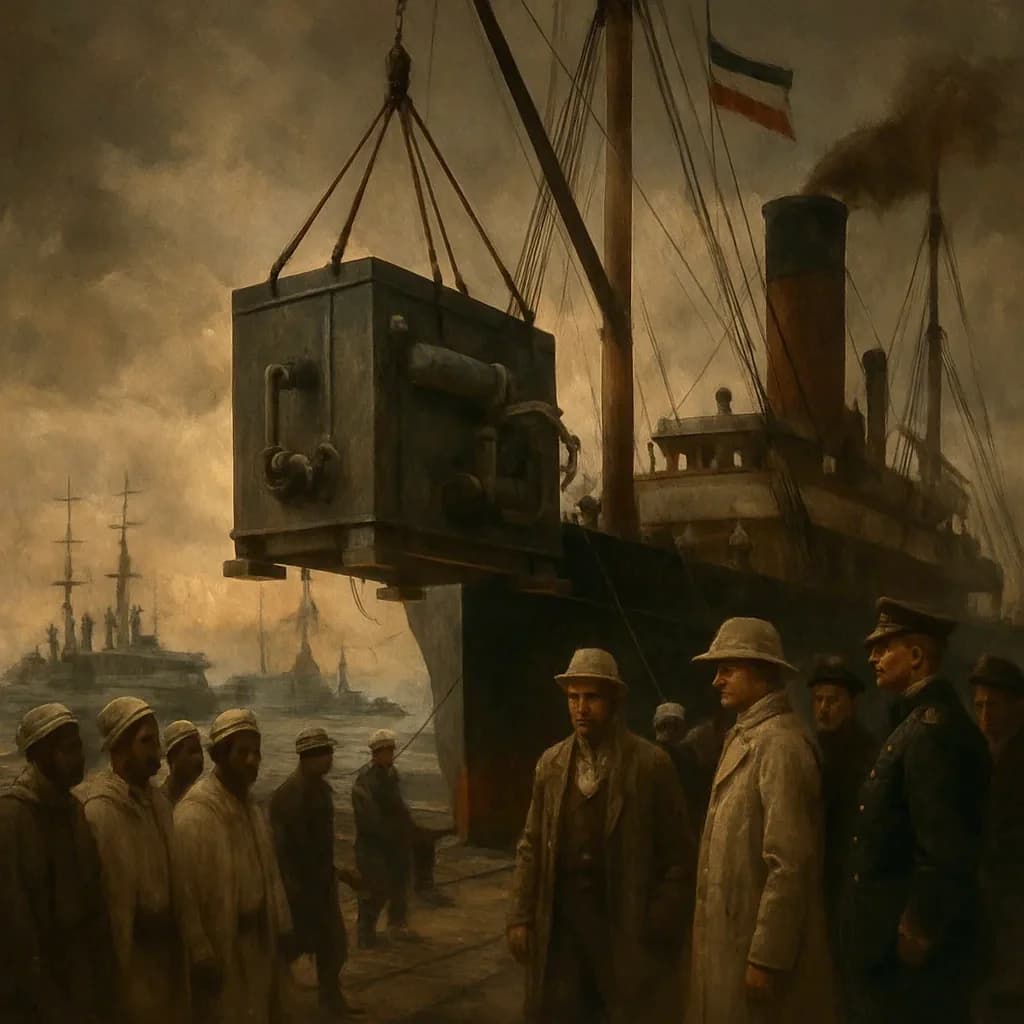
A Refrigerator Nearly Pulled Europe Into War
A diplomatic refrigerator delivery to Morocco in 1905 nearly triggered a world war between France and Germany.
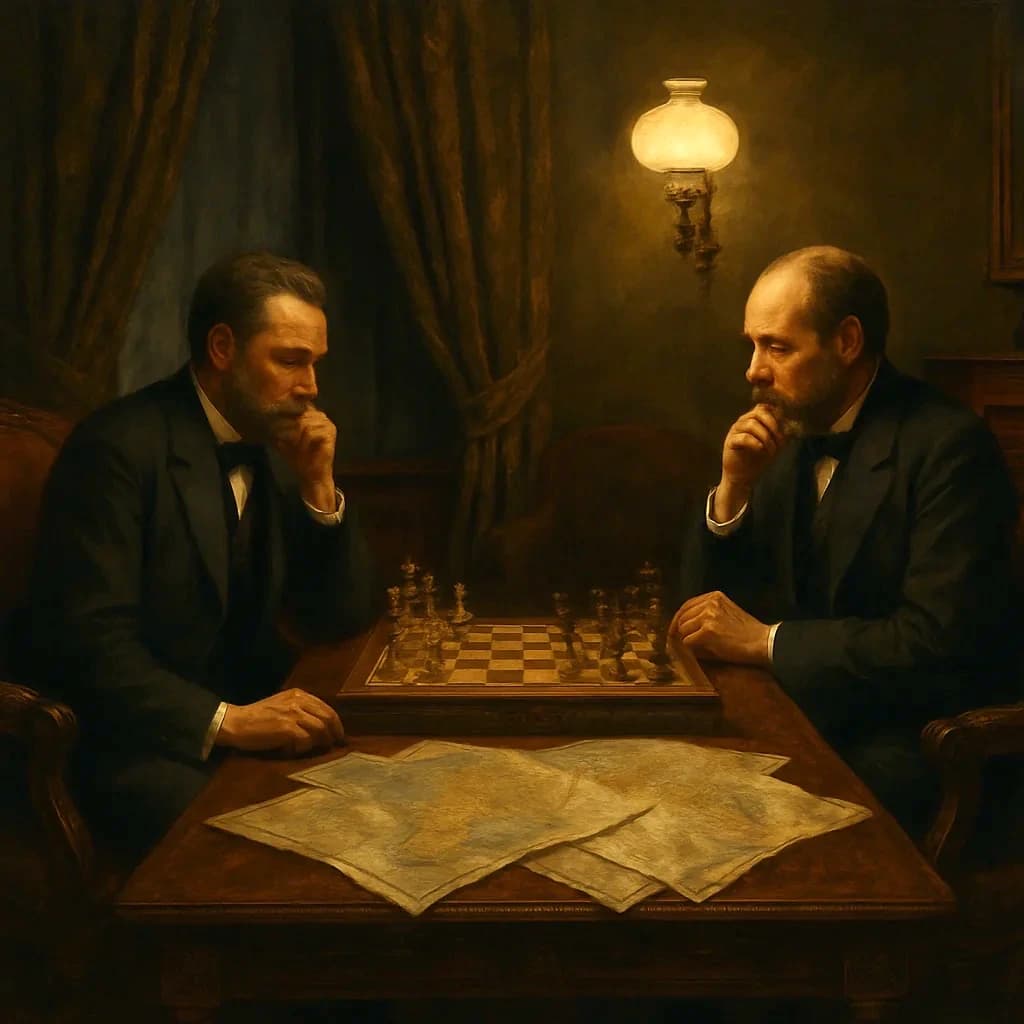
One Chess Game Decided Who Got French Sudan
A single chess game in 1886 settled which European power would dominate a stretch of Africa for the next century.
- Christopher Andrew, 'Théophile Delcassé and the Making of the Entente Cordiale'
- Samuel R. Williamson Jr., 'The Politics of Grand Strategy: Britain and France Prepare for War, 1904-1914'
- Eugenia C. Kiesling, 'France and the Origins of the First World War'