
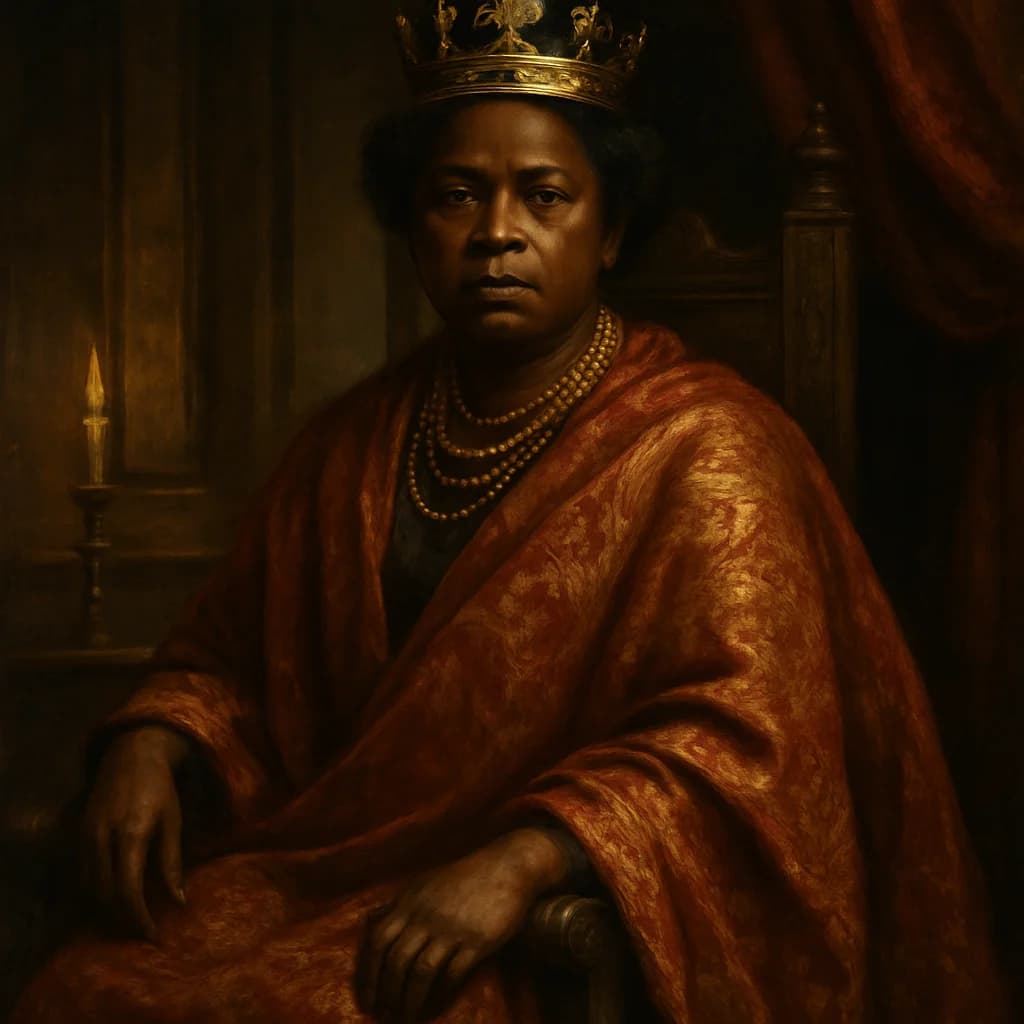
Ranavalona I
She was declared a monster by every European power that failed to conquer her.
When Ranavalona I took the throne of Madagascar in 1828, she did so over the body of a plot designed to prevent exactly that. Her husband, King Radama I, had died without a clear heir, and a faction of nobles (with quiet British encouragement) had already selected a replacement. Ranavalona moved faster. Within hours, the conspirators were dead or fleeing, and a woman who had been a political wife, a ceremonial figure, a person the colonial world had never once considered a threat, was ruling the largest island in the Indian Ocean.
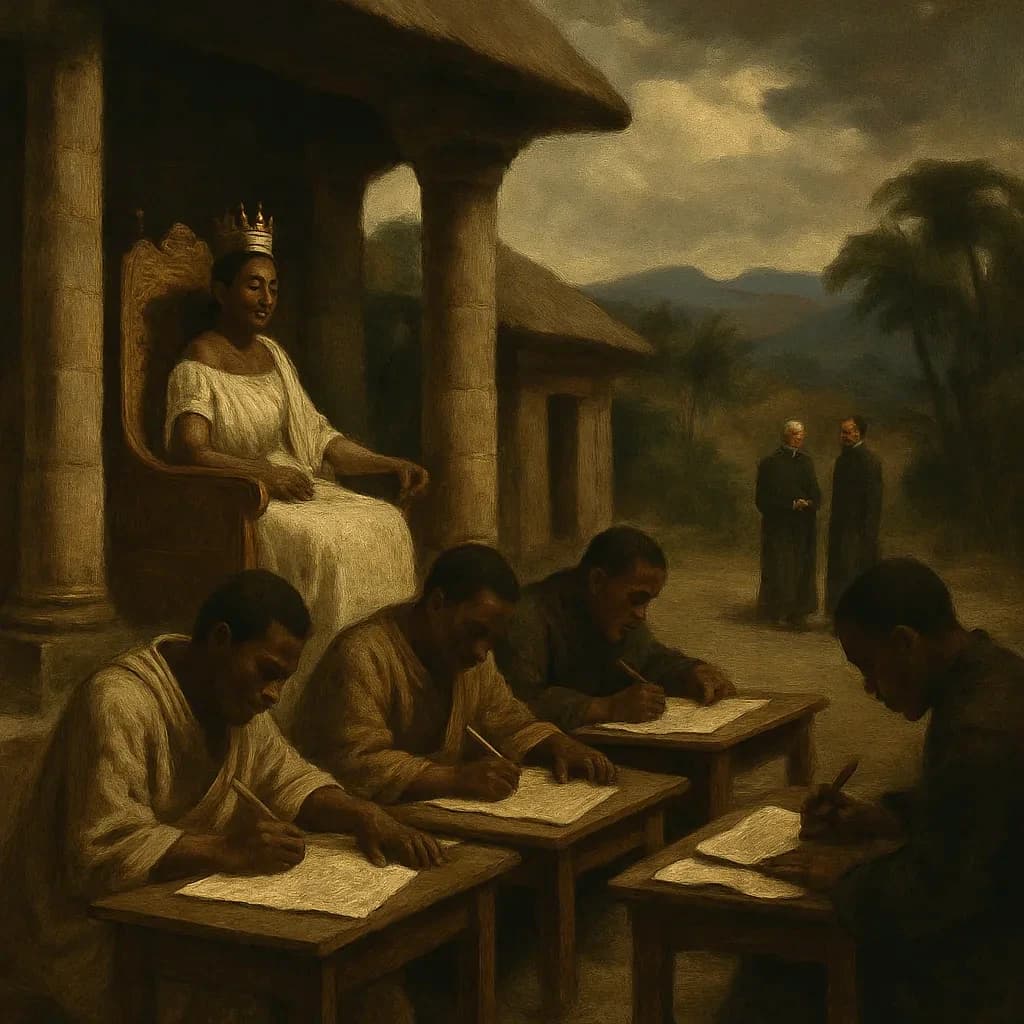
What followed was one of the stranger reigns in 19th-century history, not because of the violence, which European accounts fixated on, but because of the coherence. Ranavalona understood, with unusual clarity, that her kingdom was being digested. British missionaries had arrived carrying Christianity and literacy simultaneously, which meant the Merina people were learning to read in a script designed in London, absorbing a worldview that made European authority feel inevitable. She banned Christian worship in 1835 and expelled foreign missionaries. The move was read abroad as fanaticism. It was, more precisely, information control, and she understood the difference between the two before most of her critics had thought to ask the question.
She also industrialized. This is the part that gets lost. Ranavalona invited a French engineer named Jean Laborde to build factories inside Madagascar (producing guns, silk, soap, and porcelain), specifically so the kingdom would not need to import from the nations trying to destabilize it. By the 1850s, Madagascar had a domestic arms industry. The British and French, separately, attempted naval bombardments of her coastline. Both failed. She outlasted every European diplomat who arrived with treaties designed to open her island, and she died in her bed in 1861, at roughly 83 years old, still queen.
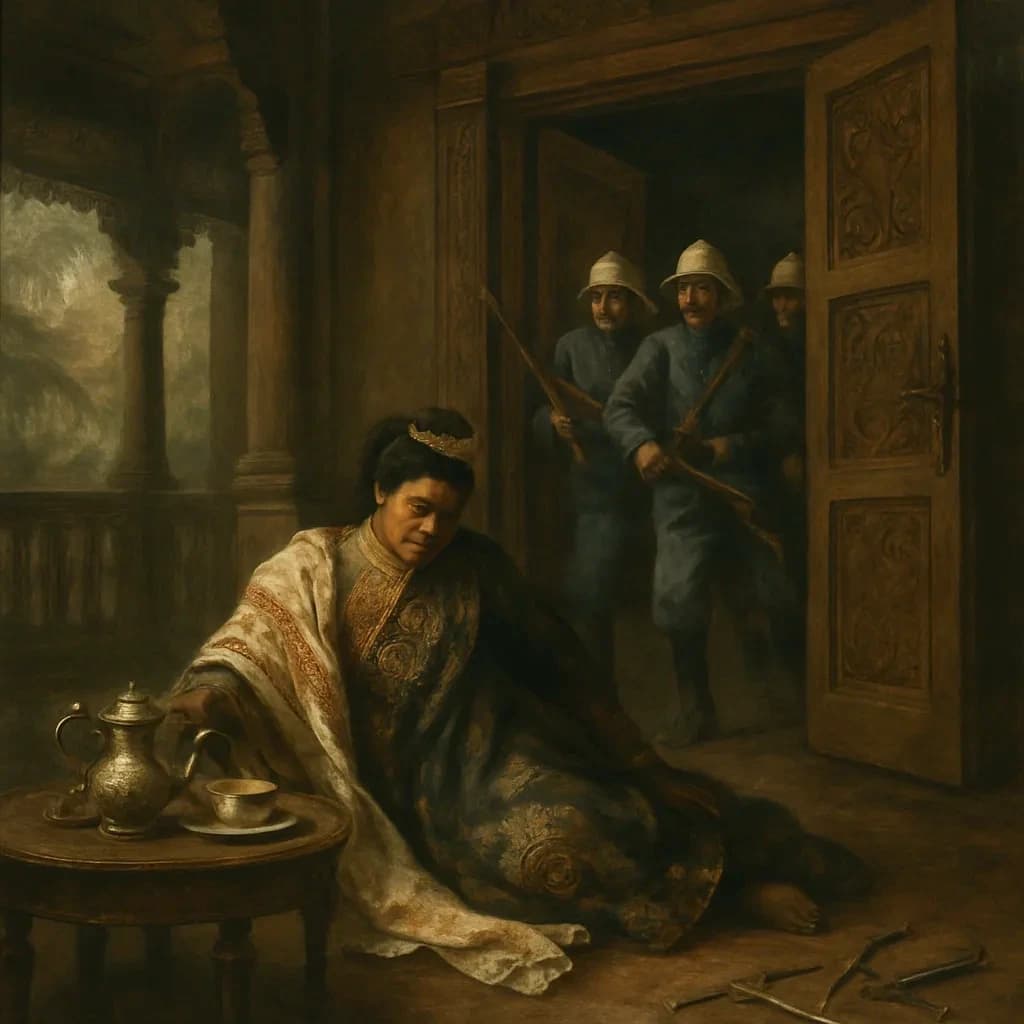
The woman her enemies called "Ranavalona the Cruel" had, in practice, simply declined to be absorbed. The cruelty they recorded was largely the violence of maintaining power in a court where poisoning and betrayal were the actual currencies. The cruelty they couldn't record (because it had no bodies) was that she kept winning.
Ranavalona I hosted a grand ball in 1857 that became famous across Europe, not for her presence, but because she allowed it to proceed, unchanged, before exiling most of the Europeans who attended for suspected conspiracy against the crown.
Why untold: Her reign was documented almost entirely by the missionaries and diplomats she expelled, which meant the archive was built by her opponents, who had strong professional reasons to describe her as irrational rather than strategic.
- Larson, Pier M. History and Memory in the Age of Enslavement: Becoming Merina in Highland Madagascar, 1770-1822 (2000)
- Randrianja, Solofo and Ellis, Stephen. Madagascar: A Short History (2009)
- Brown, Mervyn. A History of Madagascar (1995)