
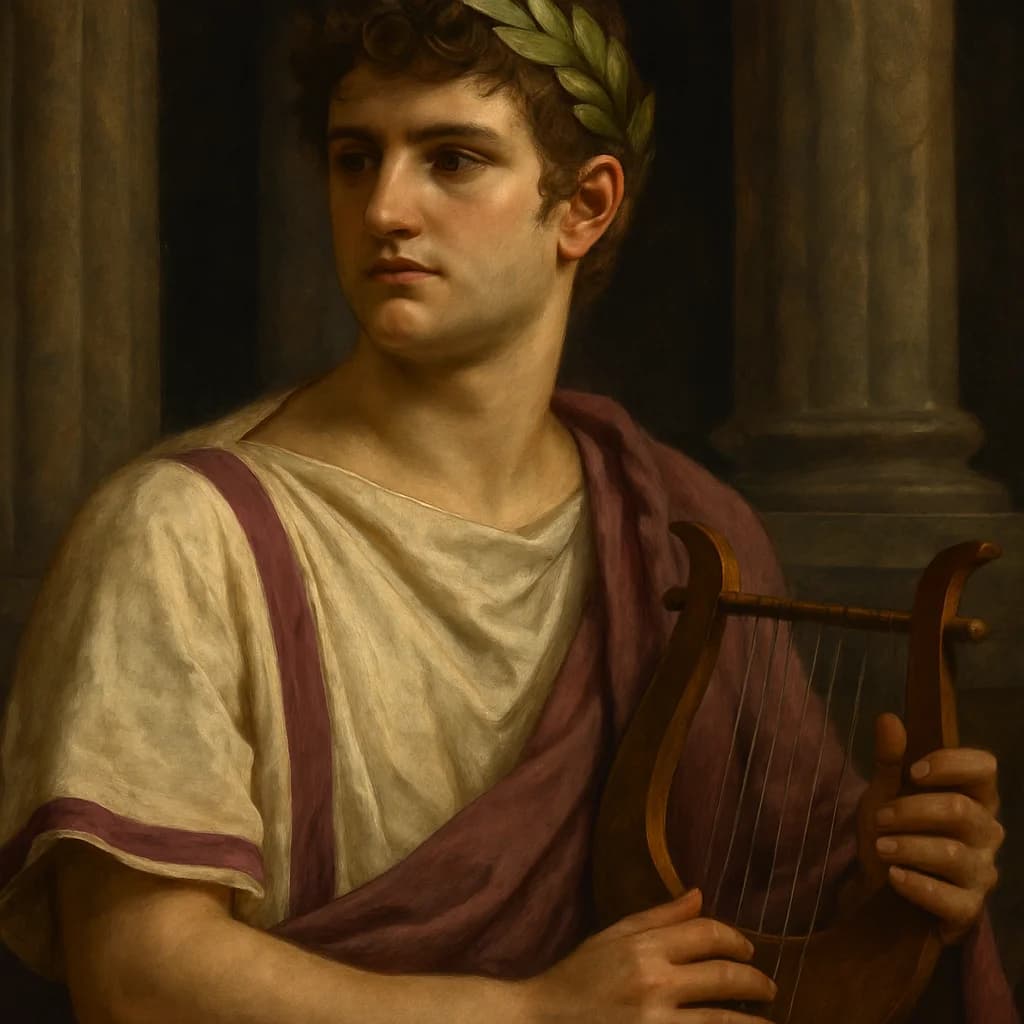
Nero
The emperor who supposedly fiddled while Rome burned had actually banned public music performances and couldn't play a note.
Nero Claudius Caesar Augustus Germanicus spent his reign desperately trying to be an artist in a world that demanded a warrior. Born Lucius Domitius Ahenobarbus in 37 AD, he was thrust into power at seventeen after his mother Agrippina poisoned his stepfather Claudius. What followed was perhaps history's most misunderstood tyranny.
The young emperor genuinely believed he could transform Rome through culture rather than conquest. He built theaters, sponsored poetry competitions, and shocked the senate by performing publicly as a singer and charioteer, activities considered beneath imperial dignity. His Golden House wasn't just imperial excess; it was Rome's first art museum, filled with Greek masterpieces and innovative architectural experiments. When the Great Fire of 64 AD devastated the city, Nero opened his own palaces to refugees and personally organized relief efforts, funding reconstruction from his private treasury.
Yet his artistic obsessions became political liabilities. While he composed epic poems about Troy, senators plotted rebellion. His decision to divorce and execute his popular wife Octavia to marry his pregnant mistress Poppaea Sabina sparked riots. The final blow came when he announced plans to relocate the capital to Alexandria, where he believed Greek culture would better appreciate his talents.
The conspiracy that ended his reign in 68 AD wasn't driven by his cruelty. Previous emperors had been far worse. It was his fundamental misreading of what Rome wanted from its Caesar. As he fled the city, reportedly practicing dramatic speeches for his suicide, Nero famously declared, "What an artist dies in me!" He was thirty years old.
Nero never actually played the fiddle during the Great Fire. The violin wouldn't be invented for another thousand years, and he was actually in Antium, thirty-five miles from Rome, when the fire started.
Why untold: Later Christian historians deliberately exaggerated Nero's cruelty to emphasize early Christian martyrdom, while his genuine cultural achievements contradicted the narrative of imperial decadence.
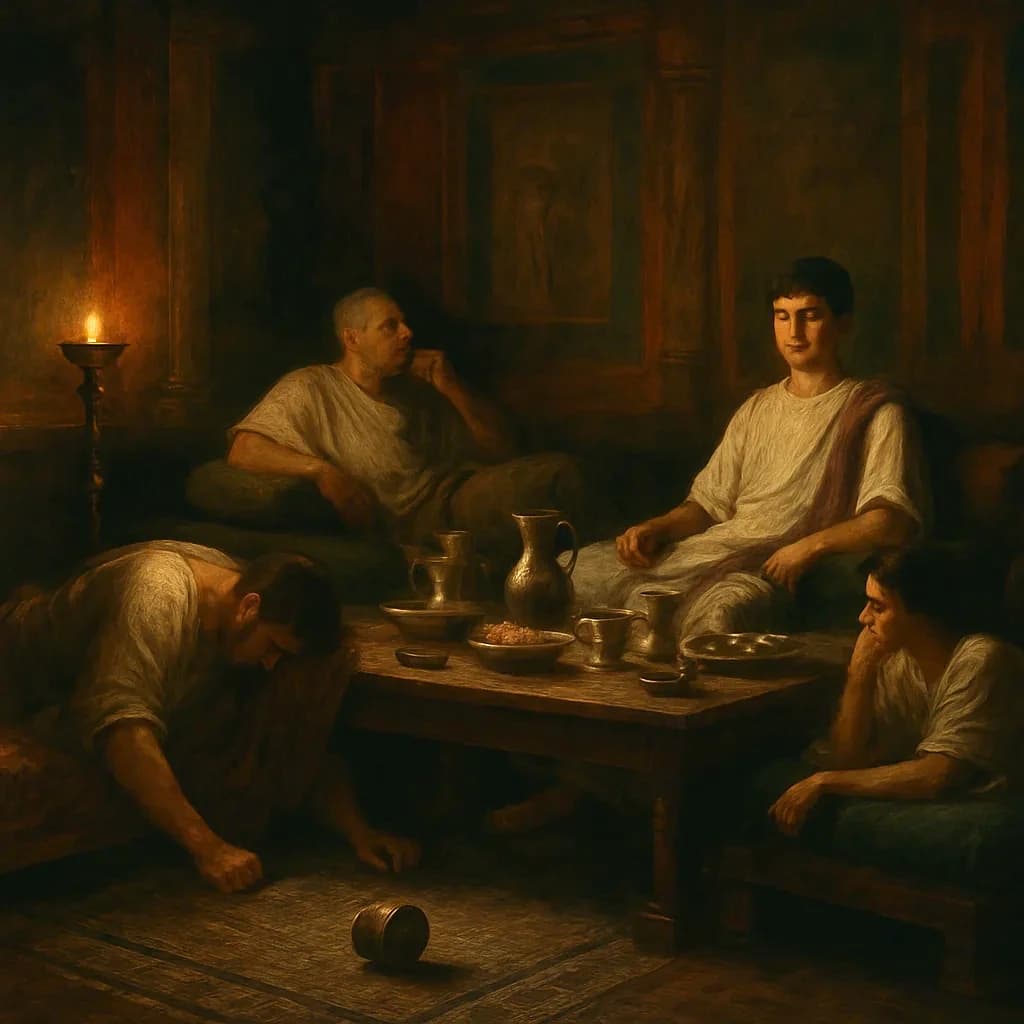
Nero Poisoned the One Rival Above Him
A Roman empress tried to murder her stepson with a sleeping draft, gave him the wrong cup, and watched him become one of Rome's most celebrated emperors.
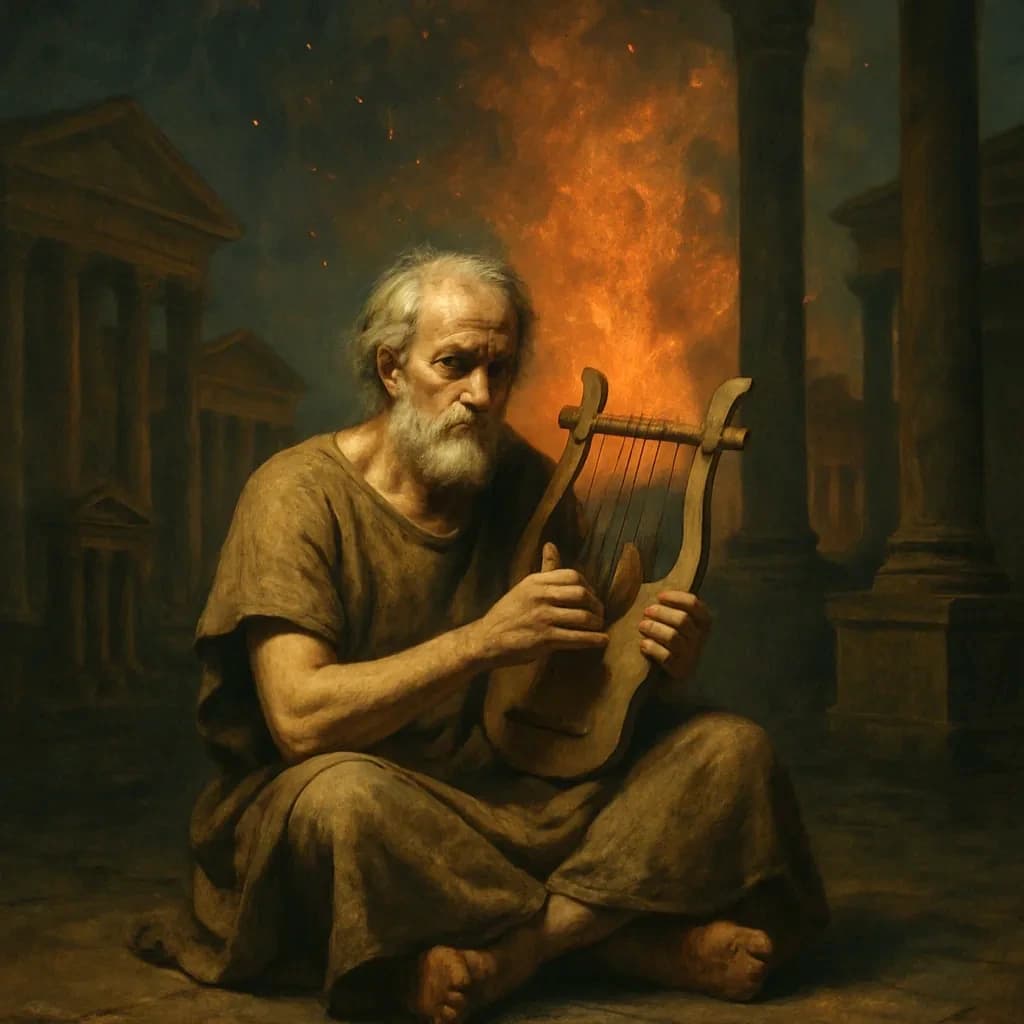
While Rome Burned, a Street Musician Kept Playing
History remembers Nero fiddling as Rome burned, but the real musician that night was someone it forgot entirely.
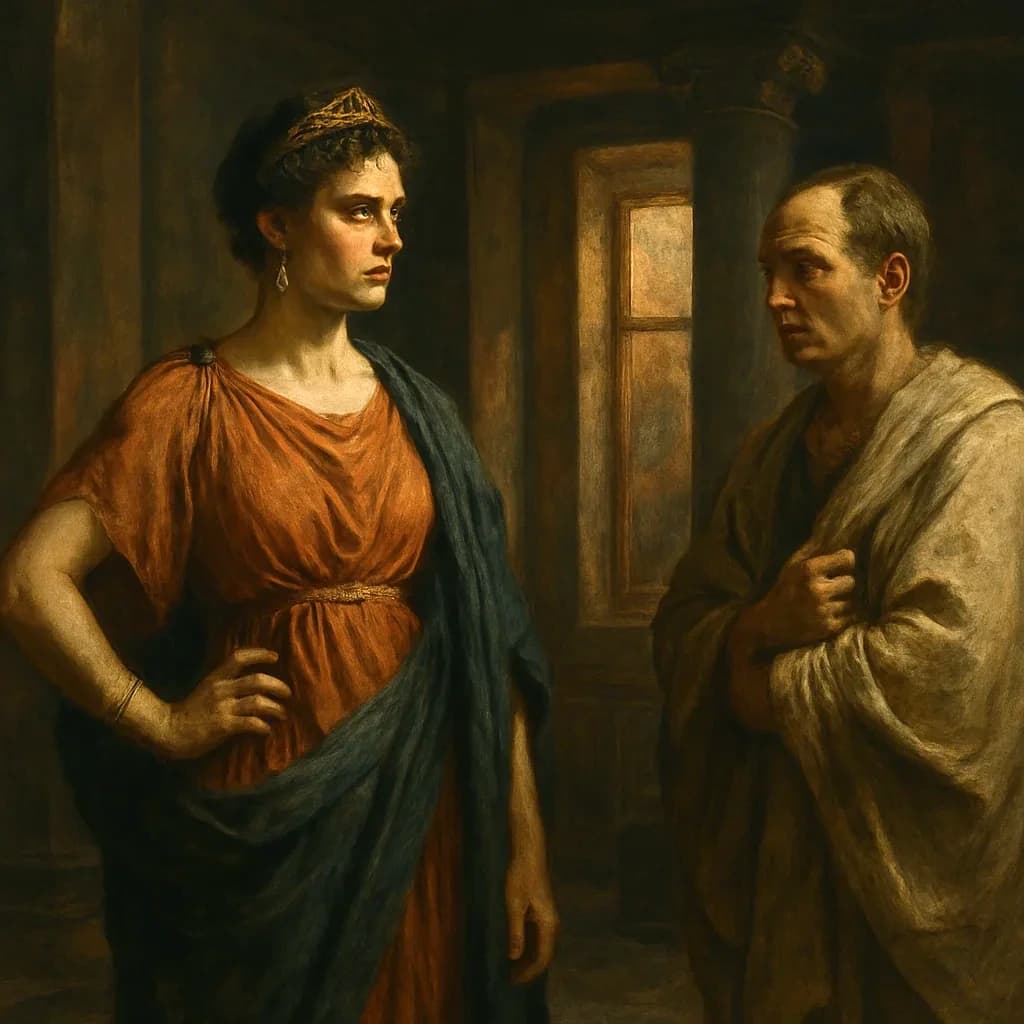
Nero Wanted a Quiet Divorce. She Said No.
One woman's refusal to marry, in 62 AD, nearly prevented the most devastating fire in Roman history.
- Tacitus, Annals, Books 13-16
- Champlin, Edward. 'Nero.' Harvard University Press, 2003
- Griffin, Miriam T. 'Nero: The End of a Dynasty.' Yale University Press, 1984