
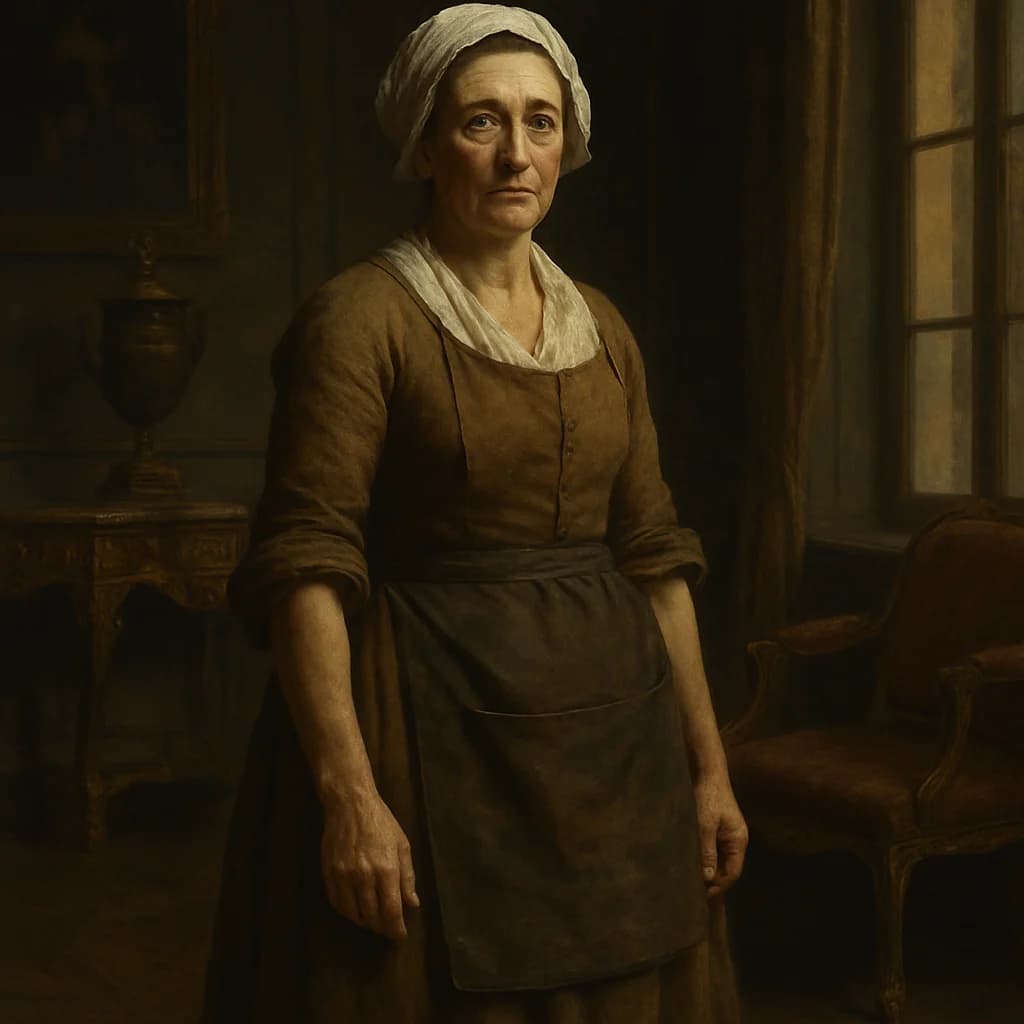
Marie-Jeanne Leprince
A laundress who couldn't read discovered she owned half of Paris when lawyers finally found her washing clothes by the Seine.
Marie-Jeanne Leprince spent forty-three years scrubbing other people's linens in the muddy shallows of the Seine, her hands cracked from lye soap and her back bent from hauling wet fabric. She lived in a one-room tenement in the Faubourg Saint-Antoine, sharing space with six other washerwomen, eating bread and onions, saving copper coins in a tin box under her straw mattress. What she didn't know was that across the city, in mahogany-paneled offices, lawyers had been searching for her since 1751.
Her great-uncle Étienne Leprince had been a minor nobleman who'd made a fortune in the sugar trade before dying childless in his mansion on the Île Saint-Louis. His will left everything to "my brother's granddaughter, Marie-Jeanne, residing somewhere in Paris." The problem was that Marie-Jeanne's family had moved six times in thirty years, fleeing debt collectors and landlords. By the time the lawyers began their search, she'd become invisible in the way that poor women always were: no fixed address, no legal documents, no one keeping track of where she went.
The inheritance papers finally caught up with her in 1784, delivered by a nervous clerk who found her beating clothes against the river stones. The estate included seventeen properties, a country château, and enough gold to buy a small army. Marie-Jeanne, who'd never learned to read, had the documents read aloud three times before she believed them. She moved into her great-uncle's mansion that same week, still wearing her washerwoman's apron.
What made her story legendary wasn't the money. It was what happened next. Marie-Jeanne began inviting every washwoman, seamstress, and street vendor she'd ever known to live in her various properties. She turned her mansion into an informal bank, lending money to anyone who asked. Within two years, she'd created an underground economy that bypassed traditional guilds and noble privileges, essentially financing a shadow version of Parisian commerce run entirely by working women.
Marie-Jeanne never learned to write her own name, even after inheriting a fortune, instead using an elaborate system of knots and ribbons to keep track of her business dealings.
Why untold: Her story was deliberately suppressed by Parisian authorities who feared that highlighting how a servant could suddenly own more property than most nobles would encourage dangerous ideas about social mobility.
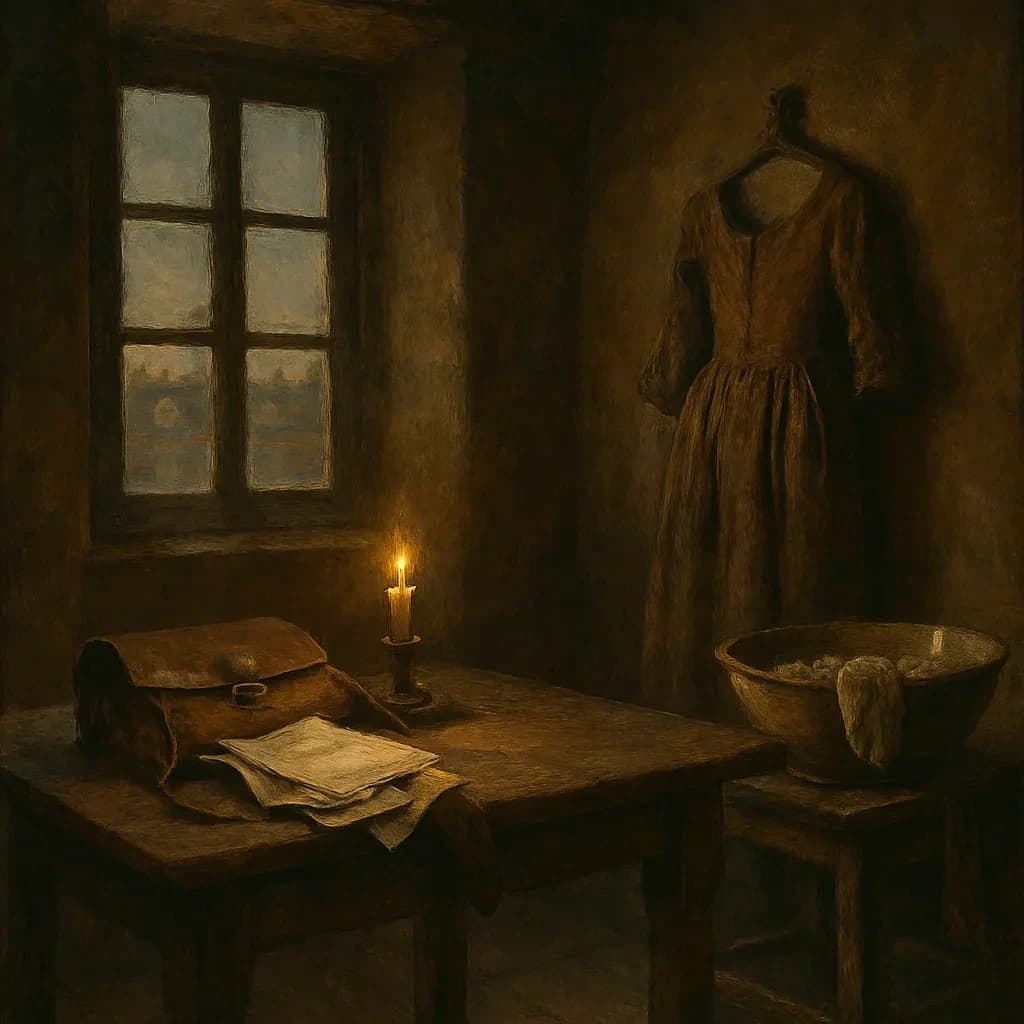
A Paris Washerwoman Inherited Three Plantations and Crushing Debt
A washerwoman's inheritance papers arrived thirty years late, carrying news that would help topple a monarchy.
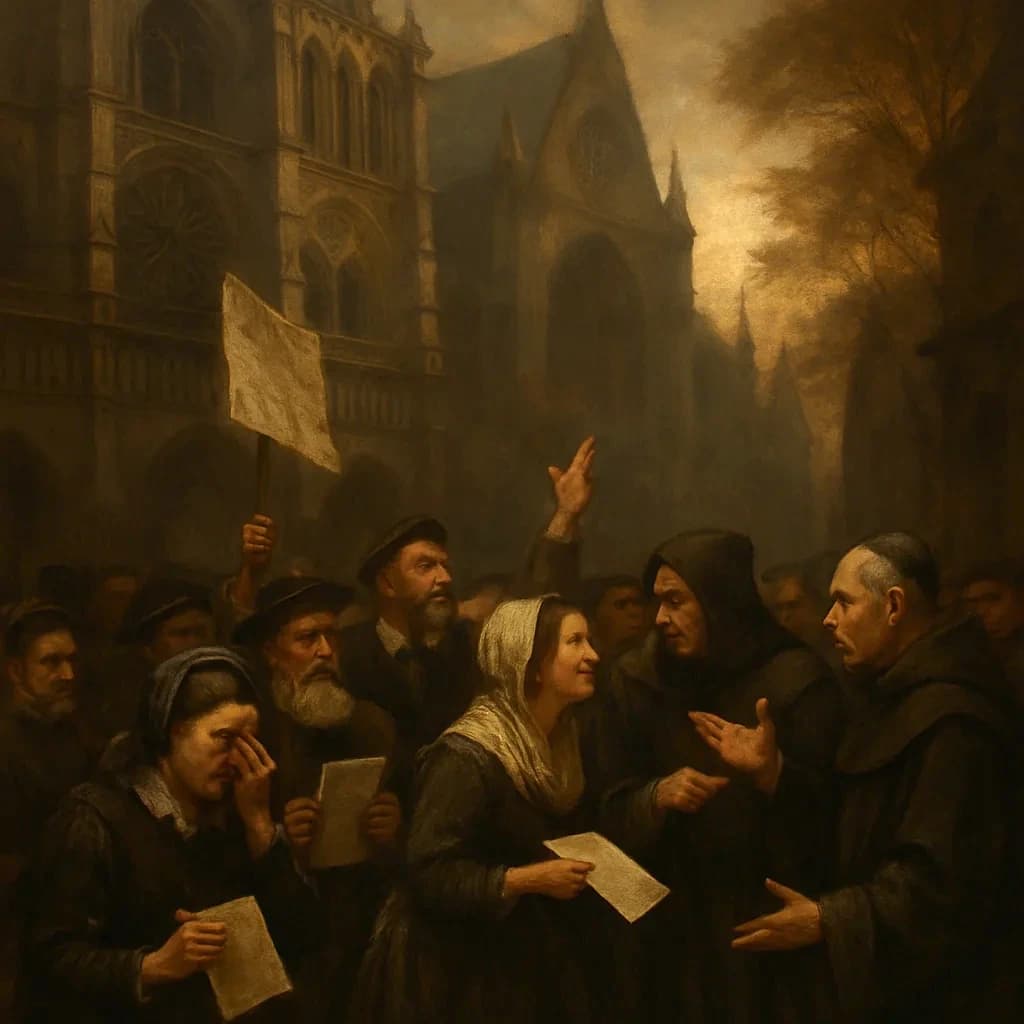
How One Servant Girl Froze France's Calendar for Years
A French servant girl convinced an entire nation to ignore the calendar for eleven days, and nearly caused a revolution.
- Archives Nationales de France, Série Y: Police records of inheritance disputes, 1784-1789
- Arlette Farge, 'Fragile Lives: Violence, Power and Solidarity in Eighteenth-Century Paris'
- Daniel Roche, 'The People of Paris: An Essay in Popular Culture in the 18th Century'